Red Light Therapy Explained: How It Works, What It May Help, and What to Watch For
Red Light Therapy Explained: How It Works, What It May Help, and What to Watch For
Red light therapy is a treatment that uses low levels of red or near-infrared light on the skin. It is also called photobiomodulation. You may have seen it in gyms, skin clinics, and wellness centers. In addition, home devices are now easy to buy online. This guide explains this light treatment in plain language. It covers how it works, what research suggests it may help with, and the risks to know. It also explains what a session looks like and how to keep expectations realistic. However, this is general information only. It does not replace advice from a healthcare professional.
Table of Contents
- What it is
- How this light treatment works
- What research says it may help with
- Skin health and this light treatment
- Pain, muscles, and recovery
- What a this light treatment session looks like
- Clinic devices compared with home devices
- this light treatment safety and risks
- Who should be careful with this light treatment
- How to judge a this light treatment device
- this light treatment compared with other light treatments
- Common myths about this light treatment
- Frequently asked questions
- Conclusion
What Is Red Light Therapy?
Red light therapy uses specific wavelengths of red and near-infrared light. The light is low level, which means it does not heat the skin much. In addition, it does not use ultraviolet light. Therefore, it is not the same as tanning. It is also not the same as a surgical laser. Instead, the light shines on the skin for a set time, often 10 to 20 minutes per session.
The idea behind red light therapy is simple to state. Light reaches cells in the skin and nearby tissue. Then, parts of the cell absorb that light. As a result, the cell may work more efficiently for a time. Researchers study this effect in skin healing, pain, and recovery. However, the evidence is mixed. Some studies show small benefits. Other studies show little or no effect. Therefore, this light treatment should not be seen as a proven cure for any condition.
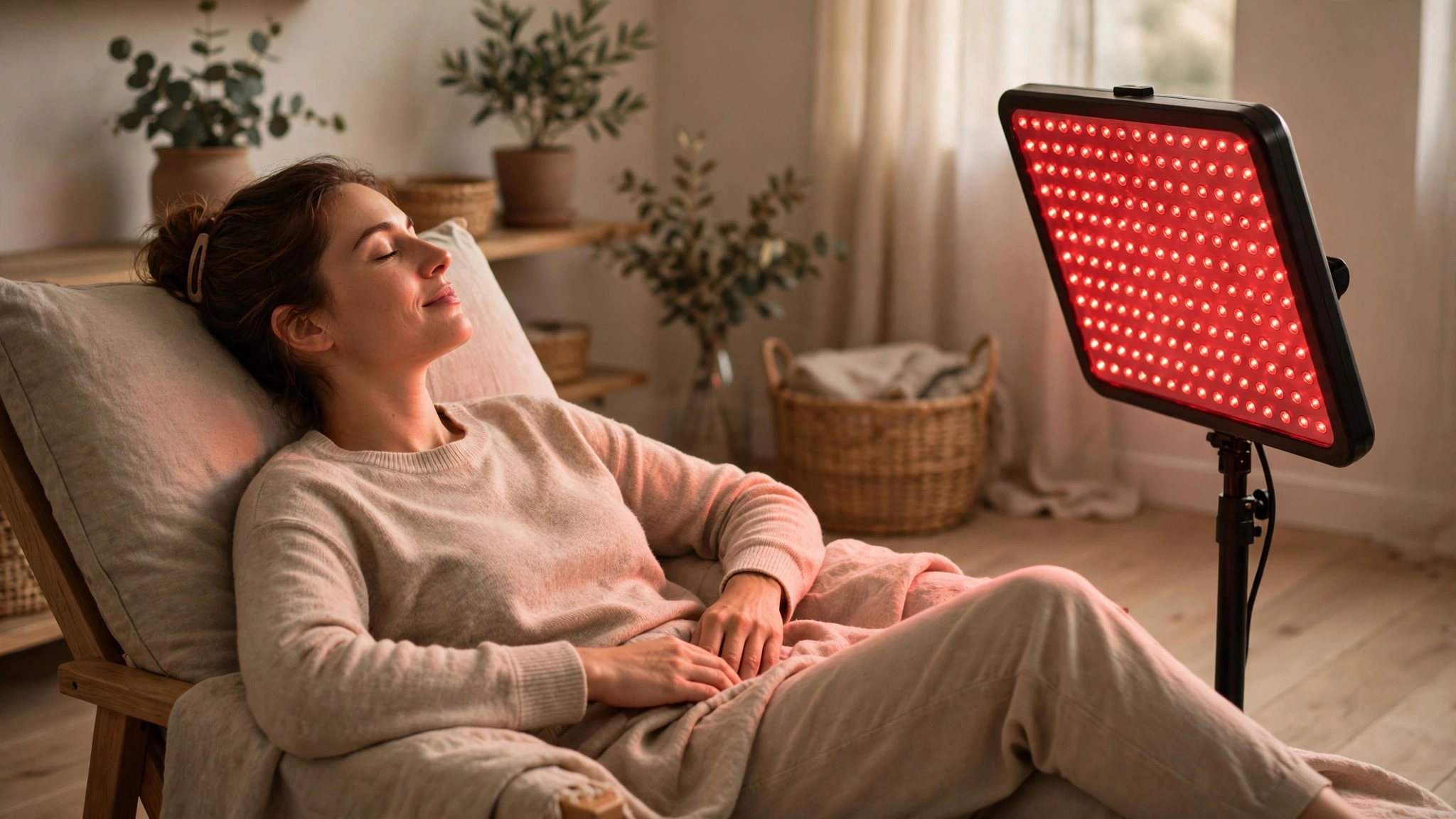
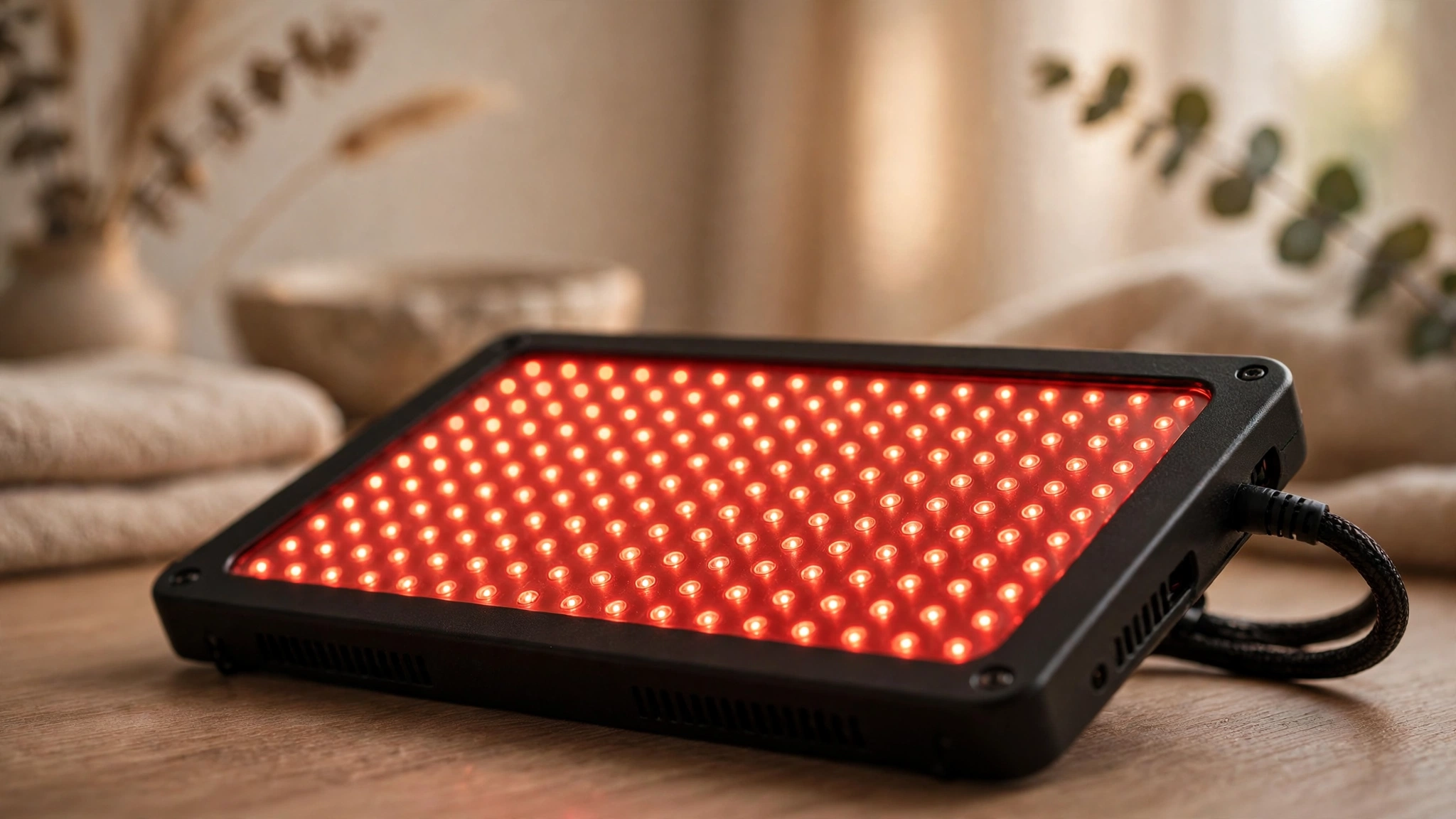
Red light therapy is used in clinics, sports centers, and homes. For example, a dermatology clinic may use a large panel or a lamp. A home user may use a small handheld panel. In addition, some devices are built into masks or wraps. The setting changes the power and the area treated. However, the basic idea stays the same across devices.
How Red Light Therapy Works
To understand red light therapy, it helps to know a little about cells. Cells contain tiny parts called mitochondria. Mitochondria make energy for the cell. This energy is called ATP. When red or near-infrared light reaches a cell, a molecule inside the mitochondria can absorb it. This molecule is called cytochrome c oxidase. As a result, the mitochondria may make energy more easily.
In addition, researchers think red light therapy may affect blood flow. Better blood flow can bring more oxygen to tissue. It may also help remove waste from cells. Furthermore, this light treatment may change how cells signal inflammation. Inflammation is the body's response to injury or irritation. When inflammation falls, pain may ease for some people. However, these effects are modest in most studies. They are not the same as healing a disease.
The depth of light also matters. Red light reaches the skin surface and shallow tissue. Near-infrared light can reach a little deeper. Therefore, a device that uses both types may treat skin and muscle. However, light does not reach deep organs. Claims that red light therapy treats deep internal disease should be treated with care. In addition, results depend on dose. Dose means the wavelength, the power, the distance, and the time. Too little light may do nothing. Too much light may also reduce the benefit. This dose puzzle is one reason research results vary.
You can read a plain overview from a major cancer center in the MD Anderson FAQ. It explains that this light treatment is approved for some aesthetic uses and is still being studied for pain. That honest wording matters. It shows where the science is firm and where it is still early.
What Research Says Red Light Therapy May Help With
Research on red light therapy covers many areas. However, the quality of that research varies a lot. Some trials are small. Others are short. Many use different devices and doses. Therefore, it is hard to compare results across studies. The sections below sum up the main areas in honest terms.
First, skin is the most studied area. Some studies report small gains in skin texture and fine lines. In addition, some trials report faster healing of minor wounds. However, other trials report no clear gain. Therefore, skin results should be seen as possible, not promised.
Second, pain is another common area. Some reviews report less pain in knee osteoarthritis and muscle soreness. In addition, some people report less lower back pain after a course of sessions. However, the relief often fades after treatment stops. Therefore, red light therapy may offer short term comfort rather than a lasting fix.
Third, athletes use red light therapy for recovery. Some small studies report less muscle soreness after hard training. In addition, some report slightly faster return to training. However, the effect is small. It does not replace rest, sleep, and good training habits. For general health, you can also explore our immunity shots guide for everyday wellness habits that support recovery.
Fourth, hair growth has some early support. A few trials report more hair density in some people with common hair thinning. However, results are modest and slow. In addition, not everyone responds. Therefore, hair claims in ads often go far beyond the evidence.
Fifth, mood and sleep are newer areas. Small studies have tested red light therapy for low mood and sleep problems. However, the evidence here is still very early. It should not replace proven care for depression, anxiety, or sleep disorders. If low mood or poor sleep persists, talk to a healthcare professional.
Skin Health and Red Light Therapy
Skin clinics often offer red light therapy for appearance and healing. The theory is that light supports collagen. Collagen is a protein that gives skin its firmness. As people age, collagen falls. Therefore, a treatment that supports collagen sounds appealing. Some trials do report small gains in skin smoothness and fine lines after weeks of sessions. In addition, some people report calmer looking skin.
However, the gains are small in most studies. They also take weeks to appear. In addition, they may fade when sessions stop. Red light therapy also does not replace sun protection. Daily sun protection still matters far more for skin aging. Similarly, it does not replace proven skin care for acne or eczema. For acne, dermatologists use different light types and other treatments. Therefore, do not stop a prescribed skin treatment to try this light treatment.
Wound healing is another skin claim. Some studies report slightly faster healing of minor skin wounds. In addition, red light therapy is studied for mouth sores after cancer treatment. However, this use is clinical and supervised. A home device is not a substitute for wound care. If a wound is deep, infected, or slow to heal, seek medical care promptly.
Pain, Muscles, and Recovery With Red Light Therapy
Many people try red light therapy for pain. The most studied pains are joint pain, muscle soreness, and back pain. Some reviews find that this light treatment lowers pain scores a little. In addition, some people report better movement after sessions. However, the size of the benefit is modest. It is closer to a small comfort gain than a major change.
For muscle recovery, the story is similar. Athletes report less soreness after hard sessions. In addition, some small trials support that report. However, other trials find no gain. The difference may come from dose and timing. Sessions close to training may work better than sessions far apart. Still, the effect does not turn a hard workout into an easy one. Rest, fluids, food, and sleep remain the main recovery tools.
It is also important to note what red light therapy does not do for pain. It does not repair a torn muscle. It does not fix a damaged joint. In addition, it does not diagnose the cause of pain. New pain, severe pain, or pain after an injury needs proper review. For example, chest pain, sudden weakness, or pain with fever needs urgent care. Do not use this light treatment to delay that care. You can find more general health topics in our health category to learn how common symptoms are assessed.
What a Red Light Therapy Session Looks Like
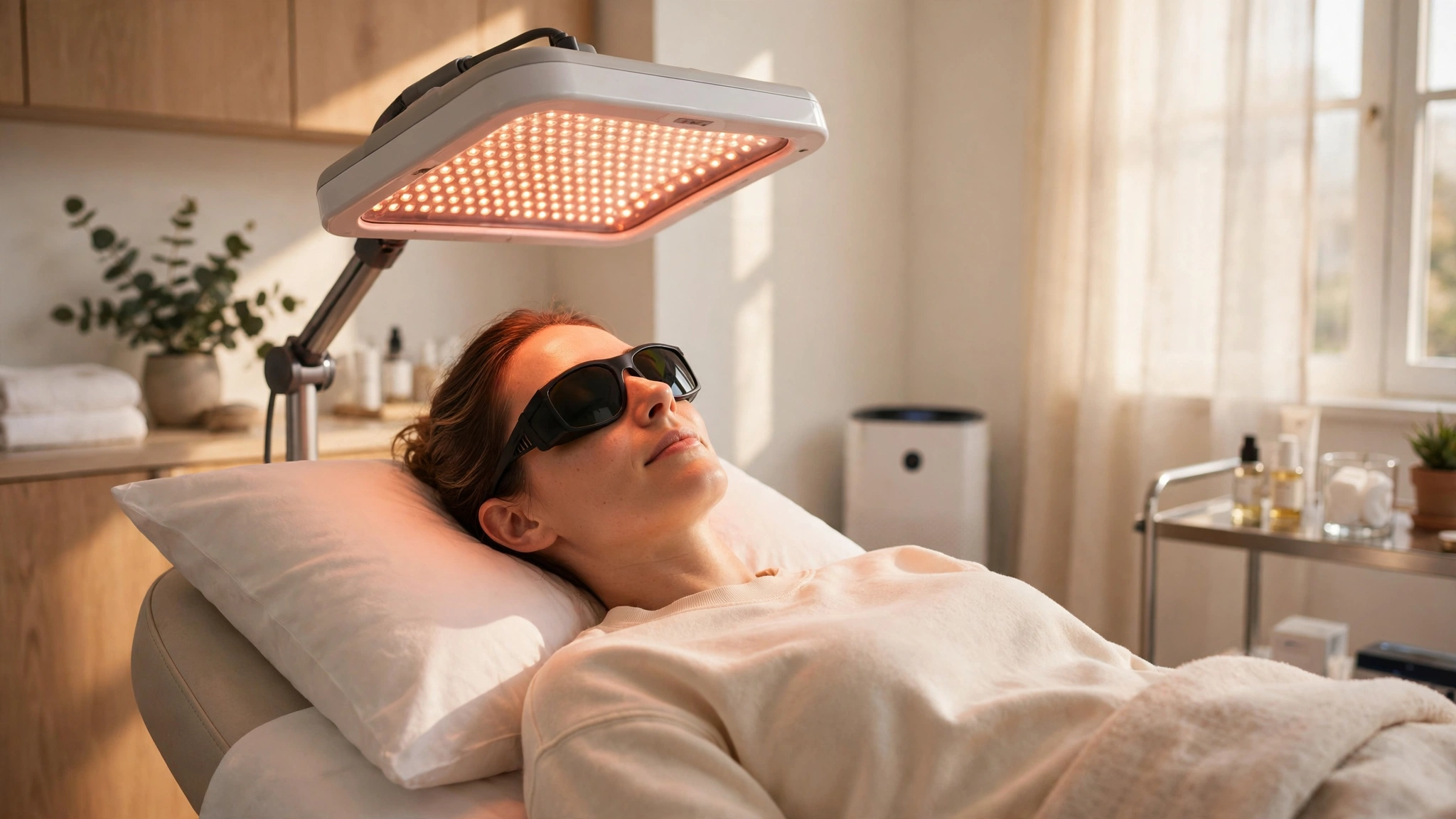
A red light therapy session is usually simple and painless. First, you sit or lie near the device. The device may be a panel, a lamp, or a wrap. Next, the light turns on for a set time. Most sessions last 10 to 20 minutes. During the session, you may feel mild warmth. However, you should not feel burning or sharp pain.
Eye protection is a key part of every session. Clinics provide goggles or shields. Home users should use the eyewear that comes with the device. In addition, you should not stare directly into the light. This rule matters even when the light looks soft. Near-infrared light is partly invisible, so brightness alone does not tell you the dose. Therefore, always follow the eye safety steps in the manual.
After a session, there is usually no recovery time. You can return to normal activity at once. In addition, the skin may look slightly pink for a short time. That pinkness often fades within an hour. However, lasting redness, blistering, or pain is not normal. If that happens, stop use and seek advice.
How often do people have sessions? Many clinics suggest 2 to 5 sessions per week for a few weeks. Then, they may suggest fewer sessions to maintain any gain. However, there is no single proven schedule. The right schedule depends on the device and the goal. Therefore, be wary of any seller who promises a fixed result from a fixed number of sessions.
Clinic Devices Compared With Home Red Light Therapy Devices
Clinic devices and home devices differ in power and size. Clinic devices are usually larger and stronger. They can treat a large area at once. In addition, a trained operator sets the dose and distance. Home devices are smaller and weaker. They treat a small area and rely on the user to follow the manual. Therefore, results from clinic studies may not match home use.
Cost is another difference. Clinic sessions are paid per visit. Home devices are a one time purchase. However, a cheap device may have weak output or poor build. In addition, some sellers overstate the power of their device. Therefore, price alone does not prove quality. Look for clear specs, such as wavelength and power output. If a seller hides those specs, treat that as a warning sign.
Safety also differs by setting. Clinics screen for eye problems and skin conditions. Home users must screen themselves. Therefore, home users should read the full manual before the first session. In addition, they should check for warnings about medicines that increase light sensitivity. If you are unsure, ask a clinician or pharmacist first.
Red Light Therapy Safety and Risks
Red light therapy is generally seen as low risk when used correctly. It does not use ultraviolet light. In addition, it does not damage DNA in the way UV light does. However, low risk does not mean no risk. The main risks are eye injury, skin irritation, and false confidence in the treatment.
Eye injury is the most serious risk. Direct exposure to strong light can harm the retina. Therefore, eye protection is not optional. Wear goggles during every session. In addition, keep children and pets away from the device while it is on. If eye pain or vision changes occur after a session, seek eye care promptly.
Skin effects are usually mild. Some people notice redness, dryness, or itching. In addition, a few people notice darker or lighter patches after sessions. These effects often fade on their own. However, burns can occur with poor quality devices or very long sessions. Therefore, follow the time limits in the manual. Do not fall asleep during a session.
Another risk is less obvious. Red light therapy may give false reassurance. For example, a person with a skin lesion may use light instead of seeking review. That delay can matter. In addition, a person with joint pain may skip diagnosis and miss a treatable cause. Therefore, use this light treatment as an extra step, not as a replacement for medical care. For general light and health information, see MedlinePlus for trusted plain language health topics.
Who Should Be Careful With Red Light Therapy
Most healthy adults can consider red light therapy with care. However, some people should talk to a clinician first. People with eye disease should be extra careful. In addition, people with a history of skin cancer should ask a dermatologist first. People with light sensitive conditions, such as lupus, should also seek advice. Certain medicines increase light sensitivity too. For example, some antibiotics and acne medicines can make skin react more to light. Therefore, tell a clinician about all medicines you use.
Pregnant people should also be careful. There is little research on red light therapy in pregnancy. Therefore, most clinics advise caution. In addition, children should not use home devices without professional advice. Their eyes and skin are more sensitive. Finally, people with an active skin infection or open wound should not use light on that area unless a clinician advises it.
If you have a condition that red light therapy claims to treat, ask about proven options first. For example, proven care for knee pain includes weight care, exercise, and physical therapy. Proven care for low mood includes talking therapy and medicines when needed. It may sit beside those options. However, it should not push them aside.
How to Judge a Red Light Therapy Device
If you consider a home device, judge it on clear facts, not on ads. First, check the wavelengths. Most studied devices use red light near 660 nanometers and near-infrared light near 850 nanometers. Second, check the power output and treatment area. A tiny device cannot treat a whole back at once. Third, look for safety certification and a clear manual. A good manual states session time, distance, and eye safety steps.
Fourth, read independent reviews, not only seller reviews. Look for reports of build quality and customer support. Fifth, check the return policy. A fair return window lets you test the device safely. Finally, set a budget before you shop. Expensive does not always mean better. In addition, a device that promises to cure many diseases is making claims the evidence does not support. Walk away from those sellers.
Questions to ask a clinic are similar. Ask what device they use and what dose they plan. Ask how many sessions they suggest and how they track progress. Ask about eye protection and skin checks. A good clinic will answer plainly. It will also tell you when red light therapy is not the right choice.
Red Light Therapy Compared With Other Light Treatments
Light treatments are easy to confuse. The table below sets them apart in simple terms.
| Treatment | What light it uses | Main difference |
|---|---|---|
| this light treatment | Red and near-infrared light, low level | No UV light, no tanning effect, low heat |
| Tanning beds | Ultraviolet light | UV light damages skin and raises skin cancer risk |
| Blue light for acne | Blue light | Targets skin bacteria, different wavelength and goal |
| Laser therapy in clinics | Focused laser light, higher power | Stronger and targeted, needs trained operator |
| Bright light for sleep and mood | Bright white light | Works through the eyes and brain clock, not the skin |
This comparison matters because ads sometimes blur the lines. For example, a tanning salon may sell red light as a safe tan aid. However, this treatment does not tan the skin. In addition, a laser clinic treatment is not the same as a home panel. Therefore, always ask which light type a treatment uses before you agree to it.
Common Myths About Red Light Therapy
Myth 1 says this treatment works at once. In truth, most studies test weeks of sessions. A single session rarely changes much. Therefore, instant result claims should raise doubt.
Myth 2 says more light is always better. In truth, dose matters. Very long sessions may reduce benefit or irritate skin. Therefore, follow the manual time limits.
Myth 3 says it can replace medicine. In truth, no major guideline lists it as a replacement for proven treatment. It may add comfort for some people. However, it does not cure chronic disease.
Myth 4 says home devices match clinic devices. In truth, home devices are usually weaker and smaller. They may still offer a small benefit. However, they should not be sold as equal to clinical care.
Myth 5 says it is fully proven. In truth, the evidence is promising in some areas and weak in others. Honest sellers say this plainly. Overconfident sellers often hide it.
Frequently Asked Questions About Red Light Therapy
Is red light therapy safe?
Red light therapy is generally low risk when used correctly. It does not use UV light. However, eye protection is essential in every session. In addition, skin redness or dryness can occur. Follow the device manual and stop if pain or blistering occurs. If you have eye disease or take light sensitive medicine, ask a clinician first.
How long does a red light therapy session take?
Most sessions last 10 to 20 minutes. The exact time depends on the device and the area treated. Clinics often suggest 2 to 5 sessions per week for a few weeks. However, there is no single proven schedule. Therefore, treat any fixed promise with care.
Does red light therapy help with pain?
Some studies report small pain relief for joint pain and muscle soreness. However, the benefit is modest and often fades after treatment stops. Red light therapy does not repair joint damage or muscle tears. Therefore, it may add comfort but it does not replace diagnosis or proven pain care.
Can red light therapy improve skin?
Some trials report small gains in skin smoothness and fine lines after weeks of use. However, results vary and gains may fade. Red light therapy does not replace sun protection or prescribed skin care. In addition, it does not treat serious skin disease on its own.
Do home red light therapy devices work?
Home devices are weaker than clinic devices. They may offer a small benefit for some people. However, results from clinic studies may not match home use. Check wavelengths, power, and safety specs before buying. In addition, be wary of sellers who promise cures.
Is red light therapy the same as tanning?
No. Red light therapy does not use UV light and does not tan the skin. Tanning beds use UV light, which damages skin and raises skin cancer risk. Therefore, the two treatments are very different even though both use light.
Conclusion
Red light therapy is a low level light treatment with promising but limited evidence. It may offer small gains for skin, pain, and muscle recovery in some people. However, it is not a cure for chronic disease. Eye safety, correct dose, and honest expectations matter most. If you consider this light treatment, talk to a clinician first when you have eye problems, skin problems, or take light sensitive medicine. Then, judge any device or clinic on clear facts, not on bold ads.
This article is for general information only. If you have ongoing pain, skin changes, or other health problems, talk to a healthcare professional.