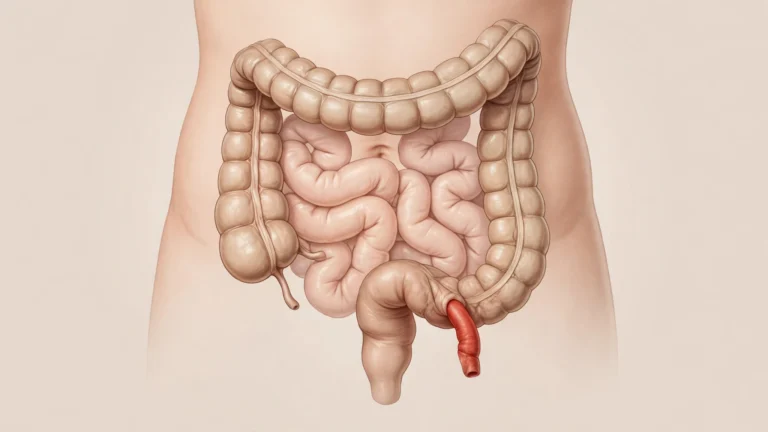

Acid Reflux Explained: What Causes It, How It Feels, and What Helps
Acid Reflux Explained: What Causes It, How It Feels, and What Helps
Acid reflux happens when stomach contents flow backward into the esophagus, the tube that carries food from the mouth to the stomach. Most people know its main symptom as heartburn, a burning feeling in the chest. Occasional acid reflux is common, and it often follows a large meal or lying down too soon after eating. However, frequent or painful reflux deserves attention, because it can affect sleep, eating, and daily comfort. This guide explains acid reflux in plain language. It covers what causes it, which symptoms matter, and which everyday steps may help.
Table of Contents
- What acid reflux is
- Symptoms to know
- What causes it
- Common triggers
- Reflux compared with GERD
- Everyday habits that may ease it
- Food choices
- Nighttime tips
- Medicines for reflux
- When to talk to a clinician
- Common myths
- Frequently asked questions
- Conclusion
What Acid Reflux Is
The stomach makes strong acid to break down food. Normally, a ring of muscle at the bottom of the esophagus, called the lower esophageal sphincter, keeps that acid in place. It opens to let food pass into the stomach, then closes again. Acid reflux occurs when this muscle weakens or relaxes at the wrong time. As a result, acid and partly digested food can flow back up into the esophagus. The esophagus has no protective lining like the stomach does, so even a small amount of acid can sting or burn.
Picture the process simply. Food travels down, the valve closes, and digestion begins. When the valve fails to stay closed, acid escapes upward. In addition, pressure inside the stomach can push contents up. Large meals, lying flat, and tight clothing around the waist all raise that pressure. For this reason, acid reflux often feels worse after eating or at night.
Acid reflux is not the same as an infection or food poisoning. It is a mechanical problem with flow, and several factors often combine. A weak valve, a full stomach, and a trigger food may act together. Therefore, managing acid reflux usually means changing more than one habit at a time.
Symptoms to Know
Heartburn is the best known symptom of acid reflux. It feels like burning in the chest, often behind the breastbone, and it may rise toward the throat. It often starts after eating or when lying down. However, acid reflux can cause several other symptoms, and some people have little or no heartburn at all.
Common acid reflux symptoms include:
- A sour or bitter taste in the mouth
- Food or liquid coming back up into the throat, called regurgitation
- Chest discomfort or upper belly pain
- Trouble swallowing, or a feeling that food sticks
- A feeling of a lump in the throat
- A cough that does not go away, or throat clearing
- Hoarseness or a sore throat, mainly in the morning
- Nausea, burping, or bloating after meals
These symptoms vary from person to person. One person may feel mainly heartburn after spicy food, while another notices mostly a cough or throat irritation at night. Tracking when symptoms appear can reveal useful patterns. Note the food, the portion size, and the time of eating.

What Causes It
Several factors can lead to acid reflux. The most common cause is a lower esophageal sphincter that does not close fully. This can happen with age, and it can also happen when pressure inside the belly rises. Excess body weight raises that pressure. Pregnancy raises it too, because the growing uterus presses on the stomach. In addition, a hiatal hernia can weaken the valve. A hiatal hernia means part of the stomach pushes up through the diaphragm. This changes how the valve works and makes reflux more likely.
Certain medicines can also relax the valve or irritate the esophagus, including some muscle relaxants, blood pressure medicines, and sedatives. In addition, anti-inflammatory painkillers can irritate the stomach lining. Smoking is another cause, because nicotine relaxes the valve and slows healing. Slow stomach emptying can add to the problem as well. For a fuller picture of long term reflux, see our GERD guide.
Lifestyle patterns matter as well. Eating large meals stretches the stomach and raises pressure, and lying down soon after eating removes the help of gravity. Bodies differ, and valves weaken for many reasons. However, daily habits are the part most people can change first, and they often bring real relief.
Common Triggers
Triggers differ from person to person, so a food that bothers one person may be fine for another. Still, some foods and drinks show up again and again. Try removing one item at a time for a week or two, then note any change.
Foods and drinks that commonly trigger acid reflux include:
- Fatty or fried foods, which slow stomach emptying
- Spicy foods, which can irritate the esophagus
- Tomato based sauces and citrus fruits, which are acidic
- Chocolate and peppermint, which can relax the valve
- Carbonated drinks, which add pressure in the stomach
- Coffee and other caffeinated drinks
- Alcohol, which relaxes the valve and irritates tissue
- Large portions, whatever the food
A food diary is the most practical tool here. Write down meals, portion sizes, and symptoms for two weeks. Patterns often appear quickly. For example, symptoms may follow late dinners but not lunches. Keep in mind that portion size matters as much as food type: a small serving of a trigger food may cause no trouble, while a large serving of a safe food may still cause reflux. For food ideas that are gentle on digestion, our dragon fruit nutrition guide shows how one mild fruit fits into a balanced diet.
Reflux Compared with GERD
Many people use the terms acid reflux and GERD as if they mean the same thing. They are closely related, but they are not identical. Acid reflux is the event itself: stomach contents flowing back into the esophagus. GERD, short for gastroesophageal reflux disease, is the longer term condition. Doctors use the GERD label when reflux happens often, causes troublesome symptoms, or damages the esophagus over time.
A useful rule of thumb comes from the Mayo Clinic. Occasional reflux after a big meal is common and usually not a disease. Reflux that occurs two or more times a week, or that injures tissue, points toward GERD. In addition, GERD can lead to complications if it goes unmanaged. These include inflammation of the esophagus, narrowing of the esophagus, and changes in its lining. This is why frequent symptoms deserve a clinician visit, even when over the counter remedies seem to help.
The distinction matters for treatment too. Occasional acid reflux often responds to simple habit changes, while GERD may need longer term medicine or further testing. Both start with the same basics: smaller meals, trigger awareness, and not lying down after eating. If symptoms are frequent, ask a clinician to check what is going on rather than increasing antacid use on your own. The NIDDK acid reflux guide explains how doctors tell the two apart.
Everyday Habits That May Ease It
Daily habits are the first line of defense against acid reflux for most people. They cost nothing, and they often reduce symptoms within days or weeks. The key is consistency. One good day will not retrain habits, but a few steady weeks often will.
Start with meal size and pace. Eat smaller meals more often instead of three large ones, chew slowly, and stop when comfortably full rather than stuffed. Next, watch meal timing. Finish eating at least two to three hours before lying down or going to bed, so the stomach has time to empty first.
Posture also matters. Sit upright while eating and stay upright after meals. Avoid tight belts and waistbands that squeeze the belly. If excess weight is a factor, even modest weight loss may reduce pressure on the stomach. In addition, quitting smoking helps the valve work better. A short walk after meals is another simple step. However, avoid heavy exercise or bending right after eating, since that can push stomach contents upward.
Food Choices
No single diet cures acid reflux, but food choices can lower how often symptoms appear. Begin with foods that tend to be well tolerated: vegetables, whole grains, lean proteins such as chicken and fish, and non citrus fruits such as bananas and melons. Oatmeal, rice, and whole grain bread are also common safe choices.
Then, test your own triggers one at a time. Keep portions modest and avoid eating a trigger food late at night. Cooking methods matter as well: baked, grilled, or steamed foods are usually easier than fried foods, and simple seasoning often works better than rich sauces.
Think about the whole day, not one meal. A day of small, balanced meals usually beats one perfect meal followed by a huge dinner. Alcohol and carbonated drinks deserve special care, since both are common triggers. If you drink alcohol, smaller amounts with food may cause less trouble than drinking on an empty stomach.
Nighttime Tips
Nighttime acid reflux is especially disruptive, because it can wake you and disturb sleep. Lying flat removes gravity, which normally helps keep stomach contents down. Therefore, nighttime steps focus on position and evening timing. First, finish dinner at least three hours before bed, since a late heavy meal is the most common nighttime trigger.
Third, raise the head of the bed by six to eight inches using blocks or a wedge pillow. Extra flat pillows alone usually do not work well, because they bend the neck rather than lifting the whole upper body. Fourth, try sleeping on your left side, which places the stomach below the esophagus and may reduce reflux. In addition, avoid midnight snacks. If nighttime symptoms happen often, mention them to a clinician.

Medicines for Reflux
Many people manage occasional acid reflux with lifestyle changes alone, while others need medicine as well. This section gives general information only, not advice to start or stop any medicine. Always discuss options with a clinician or pharmacist.
Antacids neutralize stomach acid already present. They act quickly but briefly, so they suit occasional symptoms. H2 blockers reduce how much acid the stomach makes, and their effect lasts longer. Proton pump inhibitors, often called PPIs, block acid production more strongly and are used for more frequent symptoms. In addition, some people use alginate products, which form a barrier on top of stomach contents. Each type has its own benefits and limits. For example, long term use of stronger acid blockers needs medical supervision, because it can mask other problems or interact with other medicines.
Do not ignore warning signs by relying on medicine alone. If you need antacids most days, that pattern itself is worth discussing with a clinician. Also, tell your clinician about all medicines you take, since some medicines for other conditions can worsen reflux. For background on other belly pain, our appendicitis guide explains when it needs urgent care.
When to Talk to a Clinician
Most occasional acid reflux is not dangerous. However, some symptoms need prompt medical attention. Seek care soon if reflux happens more than twice a week, if it keeps you awake often, or if over the counter remedies stop working. Also seek care if swallowing becomes painful or difficult, or if food feels stuck.
Seek urgent care for chest pain, especially if it spreads to the arm, neck, or jaw, or comes with sweating or shortness of breath. Heart problems can feel like heartburn, so chest pain should never be assumed to be reflux. Other red flags include vomiting blood, black or bloody stools, persistent vomiting, and unexplained weight loss. A clinician may suggest an upper endoscopy, which looks at the esophagus and stomach directly.
Common Myths
Myth one: only spicy food causes reflux. In truth, portion size, timing, weight, and valve function matter as much as spice. Myth two: milk cures heartburn. Milk may soothe briefly, but its fat and protein can prompt more acid later, so relief often fades quickly. Myth three: reflux is always caused by too much acid. In many cases, the problem is acid in the wrong place, not excess acid overall. Myth four: heartburn is harmless. Occasional heartburn is usually harmless, but frequent heartburn is not, because long term acid exposure can injure the esophagus. Myth five: surgery is the only fix. In fact, most people improve with habit changes and medicine when needed.
Frequently Asked Questions
What is the fastest way to ease acid reflux at home?
Sit upright and stay upright for a while after eating, and sip water. An antacid may ease symptoms quickly for occasional reflux. However, if you need one most days, talk to a clinician instead of relying on it daily.
Can acid reflux go away on its own?
Occasional acid reflux often settles once a trigger passes, such as a large meal. Frequent reflux usually needs steady habit changes, and sometimes medicine.
Is acid reflux the same as heartburn?
Heartburn is the main symptom of acid reflux, but the two terms are not identical. Acid reflux is the backward flow of stomach contents, while heartburn is the burning feeling it often causes. Some people have reflux with little heartburn, mainly cough or throat symptoms.
Which foods should I avoid with acid reflux?
Common triggers include fatty or fried foods, spicy foods, tomato sauces, citrus fruits, chocolate, peppermint, coffee, carbonated drinks, and alcohol. However, triggers vary by person. A short food diary helps you find your own list instead of avoiding everything.
Does drinking water help acid reflux?
Water can wash acid back down for a short time. Sipping water through the day is helpful, but drinking a large volume at once with a meal may add pressure, so small sips work better.
Can stress make acid reflux worse?
Stress does not usually create reflux on its own, but it can worsen it by changing eating speed, portion size, and food choices. Relaxation, regular meals, and good sleep often help alongside other steps.
When should I worry about acid reflux?
Worry signs include trouble swallowing, persistent vomiting, weight loss, black stools, or vomiting blood. Chest pain also needs urgent care, because heart problems can mimic heartburn. Frequent reflux, more than twice a week, deserves a clinician visit.
Is acid reflux curable?
There is no single cure that works for everyone. However, many people control acid reflux well with habit changes and medicine when needed.
Conclusion
Acid reflux is common, uncomfortable, and usually manageable. It happens when stomach acid flows back into the esophagus, often because the valve between them weakens or pressure rises. Smaller meals, earlier dinners, trigger awareness, and upright posture are the most useful first steps. If symptoms are frequent or worrying, talk to a healthcare professional. A small next step today is to start a simple food and symptom diary for two weeks.
This article is for general information only and is not medical advice. If you have ongoing or worrying symptoms, talk to a healthcare professional.