What Is Implantation Bleeding? A Clear Guide to Early Spotting
First, light spotting a few days before your expected period can be confusing. You may wonder whether your period is starting early, or whether something else is going on. Implantation bleeding is one possible explanation, and this guide explains it in plain language.
In short, implantation bleeding is light spotting that some people notice when a fertilized egg attaches to the lining of the uterus, usually around the time a period is due. However, there are real differences in timing, flow, color, and length, and this guide walks through each one.
You will also learn which early signs may appear, when to test, and which warning signs need prompt care. For more plain-style health explainers, browse the HealthRader health guides.
Table of Contents
- What Is Implantation Bleeding?
- When Does Implantation Bleeding Happen?
- What Does Implantation Bleeding Look Like?
- Implantation Bleeding vs Period: Side-by-Side Comparison
- Common Implantation Bleeding Symptoms
- Other Causes of Light Spotting
- When to Take a Pregnancy Test After Implantation Bleeding
- What to Do If You Notice Implantation Bleeding
- When to Seek Medical Care Promptly
- Frequently Asked Questions About Implantation Bleeding
- Conclusion
What Is Implantation Bleeding?
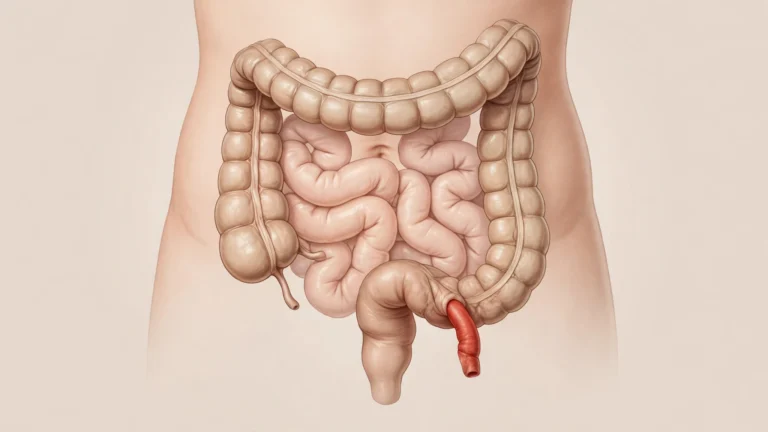
Implantation bleeding is light vaginal spotting that can happen during very early pregnancy. It is linked to the moment when a fertilized egg settles into the lining of the uterus, a step called implantation. The uterine lining is rich in tiny blood vessels, and as the egg attaches, a small number of them can be disturbed, releasing a small amount of blood.
Keep this in perspective. First, not everyone notices it. Many healthy pregnancies begin with no spotting at all, so its absence means nothing on its own. Second, spotting alone cannot confirm a pregnancy. Only a pregnancy test, and then a clinician visit, can do that. Third, light spotting has many possible causes, so one episode of spotting is not proof of anything.
When Does Implantation Bleeding Happen?
Timing is one of the most useful clues. Implantation bleeding typically occurs 6 to 12 days after conception, often close to the date a period is expected.
To see why, follow a typical 28 day cycle. Ovulation often happens around day 14, and fertilization can follow within about a day. The fertilized egg then travels toward the uterus and attaches several days later, so spotting may appear roughly between cycle days 20 and 26.
However, cycles vary a great deal, and shorter or longer cycles shift ovulation and implantation too. Stress, illness, travel, and hormonal changes can also shift a cycle. Therefore, timing alone cannot settle the question. It works best when combined with flow, color, and length.
What Does Implantation Bleeding Look Like?
In general, implantation bleeding is usually described as very light spotting rather than a true flow. You may notice a few pink or brown marks on underwear, on toilet tissue after wiping, or on a panty liner. It often looks more like tinted discharge than like period blood.
Color is a helpful clue. The spotting is commonly light pink, brown, or dark brown. The brown shade appears when blood takes longer to leave the body, which gives it time to darken. Bright red, heavy blood that keeps coming is less typical, and it points more toward a period or another cause.
Flow matters even more than color. It stays light from start to finish. It does not grow heavier over hours or days. In most cases, a panty liner is enough, and the spotting may come and go rather than flow steadily. It also does not usually contain clots. Clots form when bleeding is heavier, so their presence points away from implantation.
Length is the third clue. The spotting often lasts a few hours to about two days. Some people notice it for only a few hours. Others notice it off and on for up to three days. If bleeding grows heavier and continues for four days or more, it is much more likely to be a period.
Implantation Bleeding vs Period: Side-by-Side Comparison
In short, the table below sums up the main differences for quick reference.
| Feature | Implantation bleeding | Period |
|---|---|---|
| Timing | 6 to 12 days after conception, often just before the expected period | On the expected cycle date, after ovulation |
| Duration | A few hours to about 2 days, sometimes up to 3 | Usually 3 to 7 days |
| Flow | Very light spotting, often only a panty liner needed | Starts light, then grows heavier, then tapers |
| Color | Light pink, brown, or dark brown | Often starts pink or brown, then turns bright or dark red |
| Clots | Not usually present | May be present, mainly on heavier days |
| Cramping | Mild or none, often brief | Can be mild to strong, often lasts 1 to 3 days |
| Pattern | On and off, does not build | Steady flow once it starts |
One pattern deserves special attention. A period usually follows a clear arc: light at first, heavier in the middle, then lighter again. Implantation bleeding does not follow that arc. If your bleeding starts light but then grows clearly heavier, that shift points toward a period.
Common Implantation Bleeding Symptoms
Implantation bleeding itself has only one main sign: the light spotting. However, some people notice other early pregnancy signs around the same time, driven by early hormonal changes, and these signs are similar to premenstrual signs, so they cannot confirm a pregnancy either.
In addition, commonly reported signs around this time include:
- Mild cramping or a light pulling feeling low in the belly, often much gentler than period cramps
- Tender or swollen breasts, or nipples that feel more sensitive than usual
- Tiredness that feels out of proportion to your rest
- Mild nausea, sometimes called morning sickness, although it can happen at any time of day
- Headaches or light bloating
- Needing to urinate more often than usual
- A stronger sense of smell, or food likes and dislikes that suddenly change
- Mood shifts, such as feeling more emotional or irritable
On the other hand, it is equally normal to notice none of these. Some people feel completely normal and only notice the spotting. Others feel several of these signs before they ever take a test. Either way, symptoms alone cannot tell you whether you are pregnant. They are clues, not answers. If nausea or heartburn becomes a regular issue, see our acid reflux guide and GERD guide for how reflux feels and when it needs review.
Other Causes of Light Spotting
However, light spotting does not always mean implantation. Several common causes can look very similar, and knowing them can prevent worry.
Hormonal shifts are a frequent cause. Stress, major weight changes, heavy exercise, and illness can all disturb cycle hormones and trigger spotting. Starting, stopping, or missing hormonal birth control can also cause breakthrough spotting, and it usually settles once hormones stabilize.
Meanwhile, some people notice a tiny amount of spotting around mid cycle, when an egg is released. This happens earlier than implantation, usually about two weeks before the next period, and it is brief and very light.
Other causes include irritation of the cervix, for example after intercourse or a pelvic exam, and infections of the cervix or vagina. These may come with other signs, such as unusual discharge, odor, itching, or pain. If any of those signs appear, contact a healthcare professional rather than waiting it out.
When to Take a Pregnancy Test After Implantation Bleeding
Timing your test well matters more than testing early. Pregnancy tests look for human chorionic gonadotropin, or hCG, a hormone that rises after implantation and climbs quickly in early pregnancy.
For example, if you test while spotting is still happening, the result may be negative even if you are pregnant. The hormone may simply not have built up enough yet. For that reason, most guidance points to waiting until at least the first day of your missed period for a home urine test. That wait lowers the chance of a false negative.
If you test early and get a negative result, but your period still does not arrive, then wait a few days and test again. Use the first urine of the morning, since it is the most concentrated, and read the result within the time window printed on the test.
What to Do If You Notice Implantation Bleeding
If you notice light spotting that fits the pattern described here, there is usually no urgent action to take. Still, a few simple steps can help.
First, note the details: the date, the color, how much you saw, and how long it lasted, plus any cramps or other symptoms. This record is useful later, whether you take a test or speak to a clinician.
Second, use a panty liner rather than a tampon while you are spotting and unsure of the cause. A liner lets you see the amount and color clearly.
Third, wait before testing. Testing too early often creates more confusion than clarity, so give your body a few days, then test on or after the day your period is due.
Fourth, keep up everyday healthy habits. Eat regular meals, drink enough water, rest when you feel tired, and avoid alcohol and smoking if pregnancy is possible. These steps support general health whatever the outcome.
Finally, talk to a healthcare professional if you feel unsure. You do not need to wait for a crisis to ask a question. A short call can often settle whether you need a visit, a test, or simply watchful waiting.
When to Seek Medical Care Promptly
In particular, contact a healthcare professional right away, or seek urgent care, if you notice:
- Heavy bleeding that soaks a pad in an hour, or bleeding that keeps getting heavier
- Large clots, or tissue passing with the bleeding
- Severe belly or pelvic pain, especially pain that is sharp or focused on one side
- Dizziness, fainting, or shoulder tip pain along with bleeding
- Fever, chills, or pain when urinating
- Bleeding after a positive pregnancy test, particularly if it is heavy or painful
- Bleeding that returns again and again without a clear pattern
However, these signs can point to several different conditions, some of which need urgent treatment. They do not prove any single diagnosis, but they do mean the situation should be checked promptly. MedlinePlus advises contacting a provider right away for heavy bleeding, bleeding with pain or cramping, dizziness with bleeding, or belly or pelvic pain, and going to the emergency room if you cannot reach your provider. See the MedlinePlus guide to vaginal bleeding in early pregnancy for the full list of warning signs. For broader background, the MedlinePlus guide to vaginal bleeding in pregnancy explains how causes differ across pregnancy.
Frequently Asked Questions About Implantation Bleeding
Does implantation bleeding mean I am pregnant?
Not necessarily. It is only one possible cause of light spotting, and it can look like several other kinds. Only a pregnancy test, followed by a clinician visit, can confirm a pregnancy. Treat spotting as a reason to watch and test at the right time, not as proof.
How common is implantation bleeding?
It is fairly common, but far from universal. Roughly a quarter of pregnant people report some light spotting in early pregnancy, according to Cleveland Clinic guidance. That means most pregnant people do not notice it at all, and its absence says nothing about whether a pregnancy is healthy.
Can implantation bleeding be heavy?
True implantation spotting is light by definition. It should not soak pads, form large clots, or grow into a steady flow. Therefore, if bleeding is heavy, it is more likely to be a period or another cause that needs checking. Heavy bleeding always deserves a prompt call to a healthcare professional.
Can implantation bleeding happen after a missed period?
That timing is unlikely. Implantation happens before a missed period, usually days before it is due, so spotting after a missed period has different possible causes and is worth discussing with a clinician. Do not assume it is implantation simply because it is light.
How long after implantation bleeding should I test?
The most reliable time for a home urine test is on or after the first day of your missed period. Testing during the spotting itself often gives a false negative, because hCG levels are still low. If you test early and get a negative result, wait a few days and test again.
Can I have implantation bleeding and still get my period?
Yes, this can happen. For instance, spotting may appear, and then a normal period may follow a few days later. In that case, the spotting may have had another cause, or it may have been unrelated to pregnancy. A period that arrives on time, with its usual flow, usually means you are not pregnant that cycle.
What is the difference between implantation cramps and period cramps?
Implantation cramps, when they happen at all, are usually mild and brief. They may feel like a light pulling or tingling low in the belly, and they pass quickly. Period cramps are often stronger, last longer, and may build as bleeding grows heavier. Severe cramps, or cramps focused on one side, are not typical and should be checked promptly.
Should I worry if I have no implantation bleeding?
No. Most pregnancies begin without this spotting, and many people never notice a single spot. The absence of spotting is completely normal, so focus on your cycle pattern and test timing instead.
Conclusion
Overall, implantation bleeding is light, brief spotting that some people notice when a fertilized egg attaches to the uterus, usually 6 to 12 days after conception. It is often pink or brown, stays light, and stops within a couple of days, which sets it apart from a period that grows heavier and lasts longer.
Still, spotting alone cannot confirm a pregnancy, and it has many other possible causes. The most useful approach is simple: note what you see, wait until your period is due to test, and contact a healthcare professional promptly if bleeding becomes heavy or painful, or comes with dizziness or one sided pain. For a calm next step, keep a short note of your cycle dates and symptoms.
This article is for general information only and is not medical advice. Talk to a qualified healthcare professional about your own situation.