Iron Rich Foods for Women: A US-Focused Master Table With Absorption Pairings
Which foods actually give you the most iron, and how much is in a normal serving? Most lists for women answer with vague advice and no numbers, or with foods and measures from other countries. This guide does the opposite: a US-focused master table of iron rich foods for women, with iron per typical serving in milligrams, a heme or non-heme label, and a short absorption note for each food. All figures are rounded approximations from standard entries in USDA FoodData Central and the NIH Office of Dietary Supplements iron fact sheet, so check your own label for the exact product you buy, since fortified foods vary by brand.
If you want protein numbers rather than iron, our guide to foods high in protein ranks foods by protein per serving. This page answers the iron question only: where the iron is, how much is in a serving, and how to help your body absorb it.
Quick Answer: The highest iron foods per serving are clams (23.8 mg per 3 oz), fortified breakfast cereal (up to 18 mg per labeled serving), soybeans (8.8 mg per cup), oysters (8 mg per 3 oz), and white beans (8 mg per cup). Women ages 19 to 50 have a general reference intake of 18 mg per day, and women 51 and older have a reference of 8 mg per day. Iron from animal foods (heme iron) is absorbed more easily than iron from plant foods (non-heme iron), but pairing plant iron with vitamin C foods at the same meal improves absorption, while tea and coffee with a meal work the other way.
How Much Iron Do Women Need?
Iron needs are given as general reference intakes, not personal targets. The table below uses the standard Recommended Dietary Allowance (RDA) figures published by the National Institutes of Health.
| Group | RDA per day |
|---|---|
| Women, 19 to 50 years | 18 mg |
| Women, 51 years and older | 8 mg |
| Men, 19 years and older | 8 mg |
The 18 mg figure is also the Daily Value printed on US Nutrition Facts labels, which is why the master table below shows each food as a share of 18 mg. People who eat only plant foods are generally advised to aim for about 1.8 times the standard RDA, because non-heme iron is absorbed less efficiently. That is general information from the NIH, not a personal recommendation.
Heme vs Non-Heme Iron, Explained Simply
Iron in food comes in two forms, and the difference matters more than most lists admit.
Heme iron comes from animal foods: meat, poultry, and seafood. Your body absorbs it well, roughly 15 to 35 percent of what you eat, and it is less affected by what else is on the plate.
Non-heme iron comes from plant foods and fortified foods: beans, lentils, tofu, leafy greens, grains, nuts, and seeds. Your body absorbs it less well, roughly 2 to 20 percent, and absorption depends heavily on the rest of the meal. That is why the pairings section below matters as much as the table: the same lentils give you more usable iron with tomatoes than without.
The Master Table: Iron Rich Foods by Iron per Serving
Foods are sorted from highest to lowest iron per typical serving within each group. The “share of 18 mg” column tells you how far one serving goes toward the 18 mg reference for women ages 19 to 50. Values are rounded approximations; fortified cereals in particular vary widely by brand, so read the label.
Heme Iron Foods (Animal Sources)
| Food | Serving | Iron (mg) | Share of 18 mg | Absorption note |
|---|---|---|---|---|
| Clams, cooked | 3 oz | 23.8 | 132% | Best absorbed of all, one serving covers the daily reference |
| Oysters, eastern, cooked | 3 oz | 8.0 | 44% | Pair with lemon, the vitamin C helps further |
| Beef liver, pan fried | 3 oz | 5.0 | 28% | Very concentrated, small portions go far |
| Shrimp, cooked | 3 oz | 2.6 | 14% | Add peppers or tomatoes to the dish |
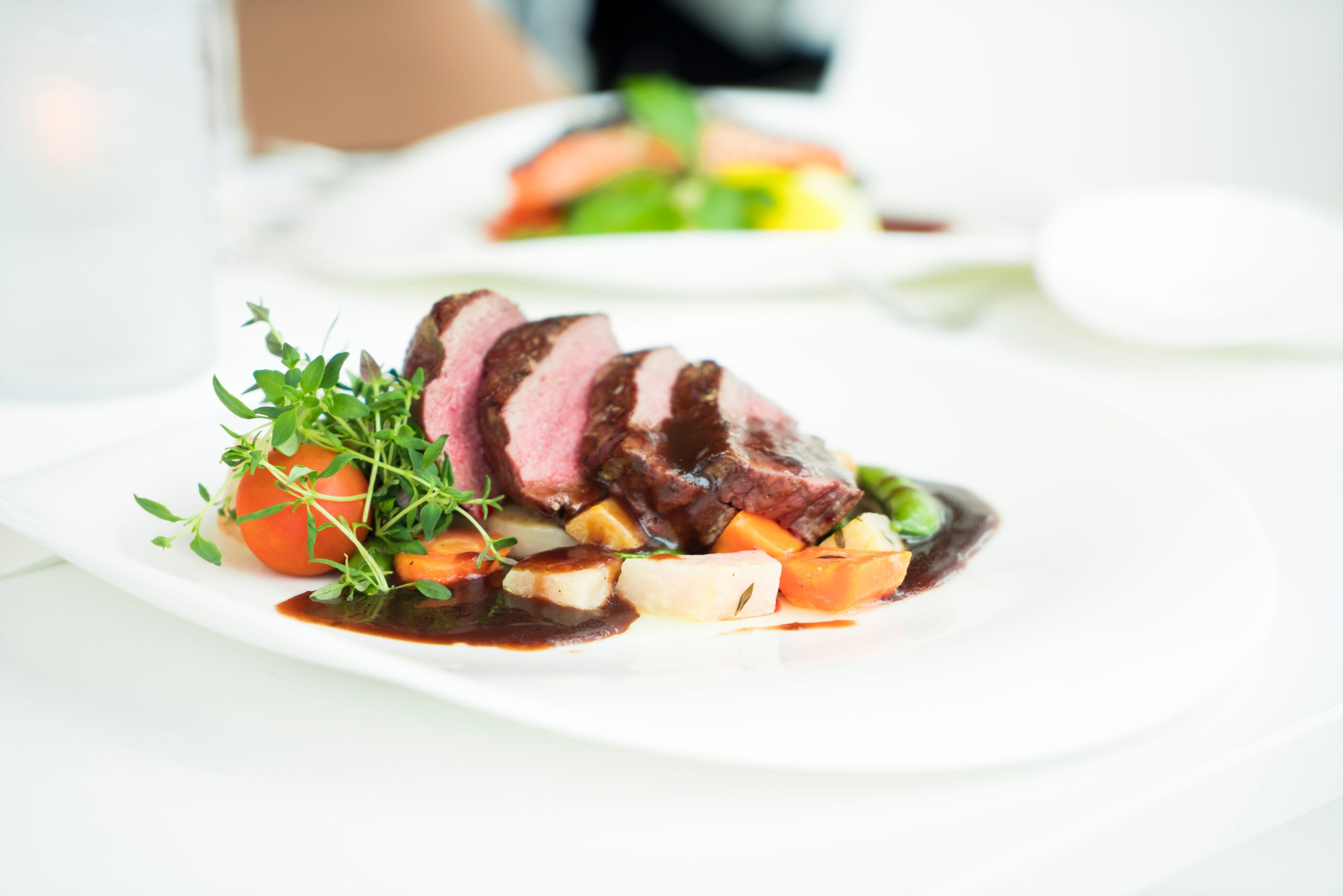
| Lean beef, cooked | 3 oz | 2.5 | 14% | A palm-sized portion, easy everyday choice |
| Turkey, dark meat, cooked | 3 oz | 2.0 | 11% | Dark meat beats light meat for iron |
| Sardines, canned in oil | 3 oz | 2.0 | 11% | Eat with the soft bones for calcium too |
| Canned tuna, light | 3 oz | 1.3 | 7% | Convenient pantry staple, modest iron |
| Chicken, roasted | 3 oz | 1.0 | 6% | Low iron, but it boosts plant iron in the same meal |
Non-Heme Iron Foods (Plant and Fortified Sources)
| Food | Serving | Iron (mg) | Share of 18 mg | Absorption note |
|---|---|---|---|---|
| Fortified breakfast cereal (100% DV) | 1 serving | 18.0 | 100% | Check the label, fortification varies by brand |
| Instant fortified oatmeal, prepared | 1 cup | 10.0 | 56% | Add strawberries or an orange for vitamin C |
| Soybeans, boiled | 1 cup | 8.8 | 49% | Edamame counts here, great snack or side |
| White beans, canned | 1 cup | 8.0 | 44% | Pair with tomatoes or salsa |
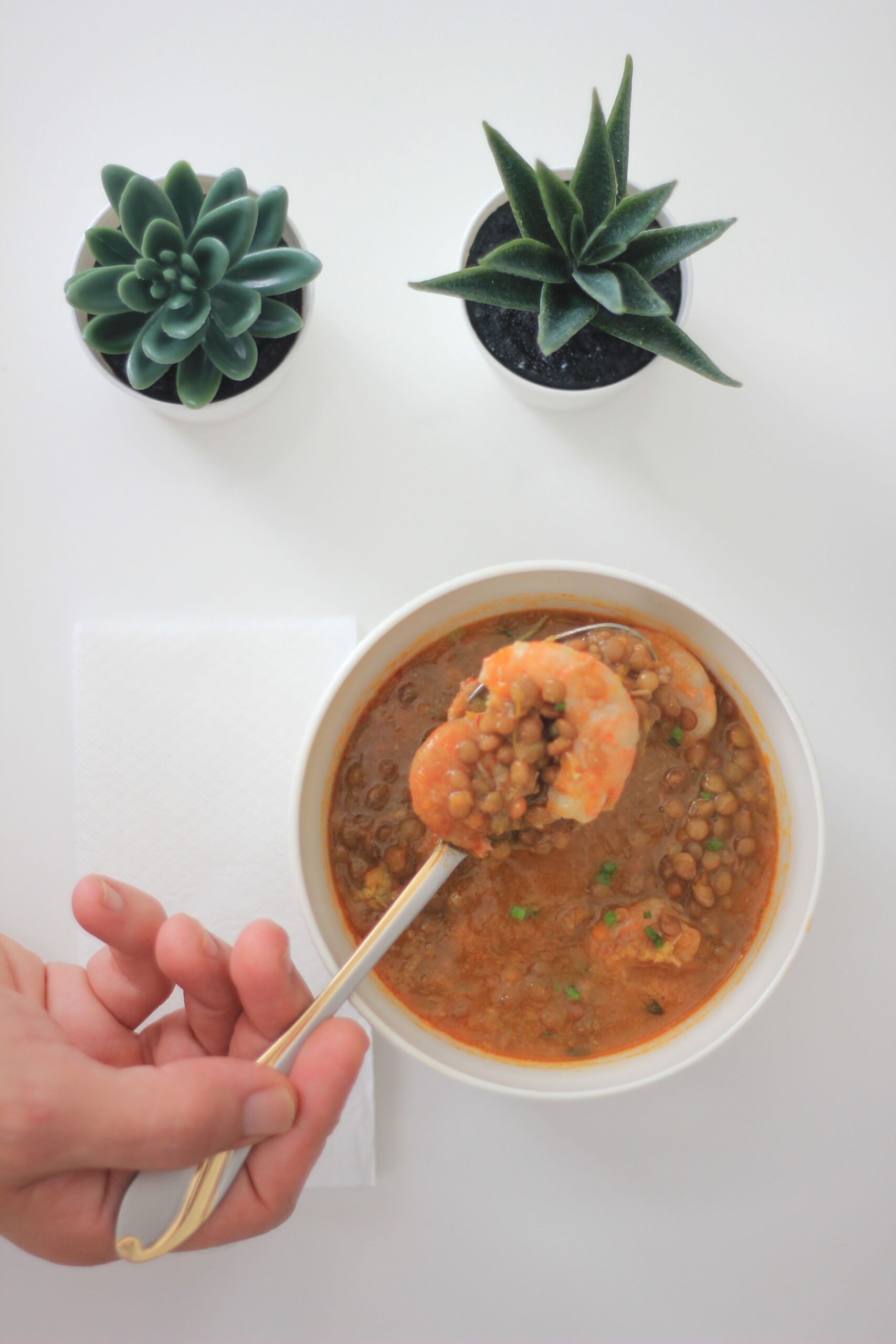
| Lentils, cooked | 1 cup | 6.6 | 37% | Cook with tomatoes, peppers, or lemon |
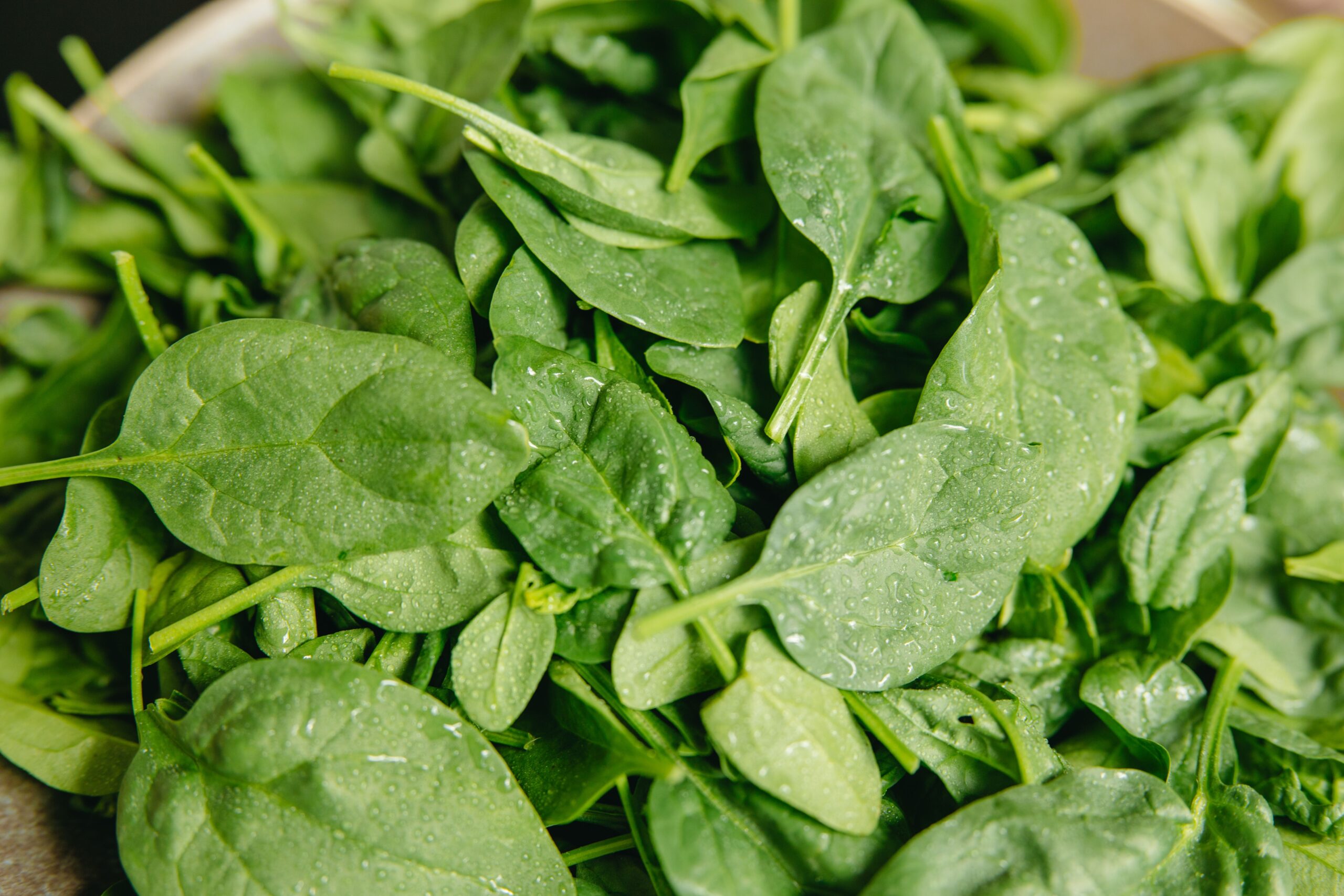
| Spinach, cooked | 1 cup | 6.4 | 36% | Cooked beats raw per cup, add lemon juice |
| Kidney beans, cooked | 1 cup | 5.2 | 29% | Works well in chili with tomatoes |
| Chickpeas, cooked | 1 cup | 4.7 | 26% | Hummus with lemon and peppers is a smart pair |
| Pumpkin seeds | 1 oz | 4.2 | 23% | Sprinkle over salads, oats, or yogurt |
| Black beans, cooked | 1 cup | 3.6 | 20% | Pair with lime, salsa, or bell peppers |
| Tofu, firm | 1/2 cup | 3.4 | 19% | Stir fry with broccoli and peppers |
| Quinoa, cooked | 1 cup | 2.8 | 16% | Rinse before cooking, serve with vegetables |
| Dark chocolate (70% to 85% cacao) | 1 oz | 2.3 | 13% | A small square, not a whole bar |
| Cashews, oil roasted | 1 oz (about 18 nuts) | 2.0 | 11% | Handy snack, watch the portion |
| Egg, large | 1 | 1.0 | 6% | Modest iron, but pairs well with vegetables |
How to Help Your Body Absorb Iron
The table tells you what is in the food. This section tells you how much of it your body can actually use, and it is where most lists stop short.
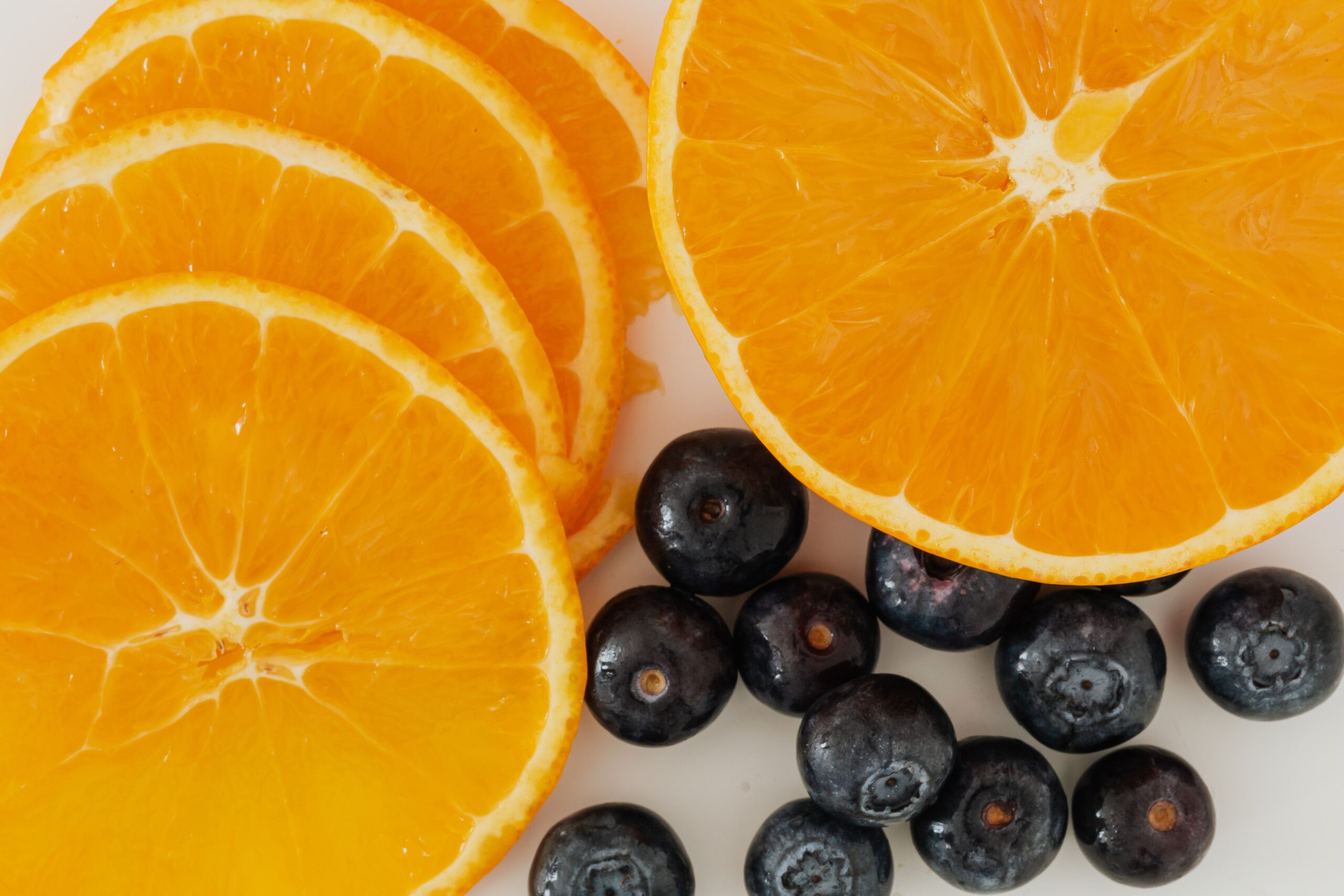
Pair plant iron with vitamin C at the same meal. Vitamin C is the strongest everyday absorption helper for non-heme iron. Citrus fruits and juice, strawberries, tomatoes, bell peppers, and broccoli all count. Practical pairs that work: lentil soup with tomatoes, black bean tacos with salsa, tofu stir fry with broccoli and peppers, oatmeal with strawberries, spinach salad with orange segments.
Add a little animal food to a plant meal. Meat, fish, and poultry improve the absorption of plant iron eaten at the same meal, by up to about three times according to MedlinePlus. You do not need a large portion: a small amount of chicken in a bean dish, or tuna in a bean salad, changes the math for the whole plate.
Time your tea and coffee between meals. Tea and coffee contain tannins that bind to iron and reduce absorption from plant foods, with studies cited in nutrition guides putting the reduction as high as 60 to 80 percent for a meal taken with tea. The simple fix is timing: enjoy tea or coffee between meals rather than with an iron rich meal.
Note the calcium interaction. Calcium rich foods eaten at the same meal can reduce iron absorption, so if you drink milk or eat cheese and yogurt, spacing them away from your main iron rich meal is a reasonable habit. This is about timing, not about avoiding calcium foods, which you still need.
Cooking in cast iron can add a little iron. Cooking acidic foods such as tomato sauce in a cast iron pan transfers small amounts of iron into the food. It is a bonus, not a plan on its own.
A Sample Iron Smart Day (About 24 mg)
Here is what the table and the pairings look like as one ordinary day. Every meal has a vitamin C food next to the iron food, and tea and coffee sit between meals, not with them.
| Meal | What to eat | Iron |
|---|---|---|
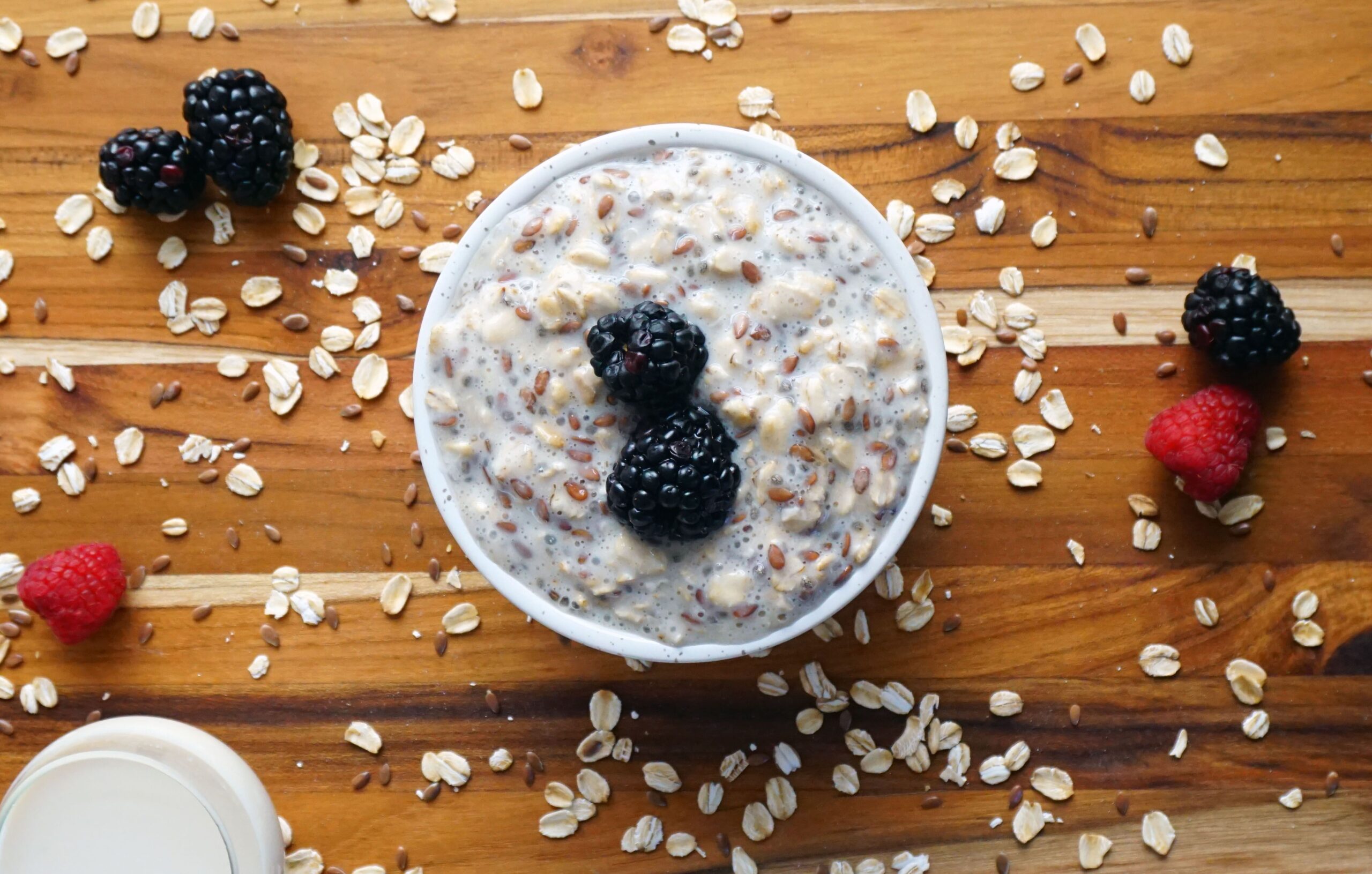
| Breakfast | 1 cup instant fortified oatmeal (10 mg) topped with strawberries | 10 mg |
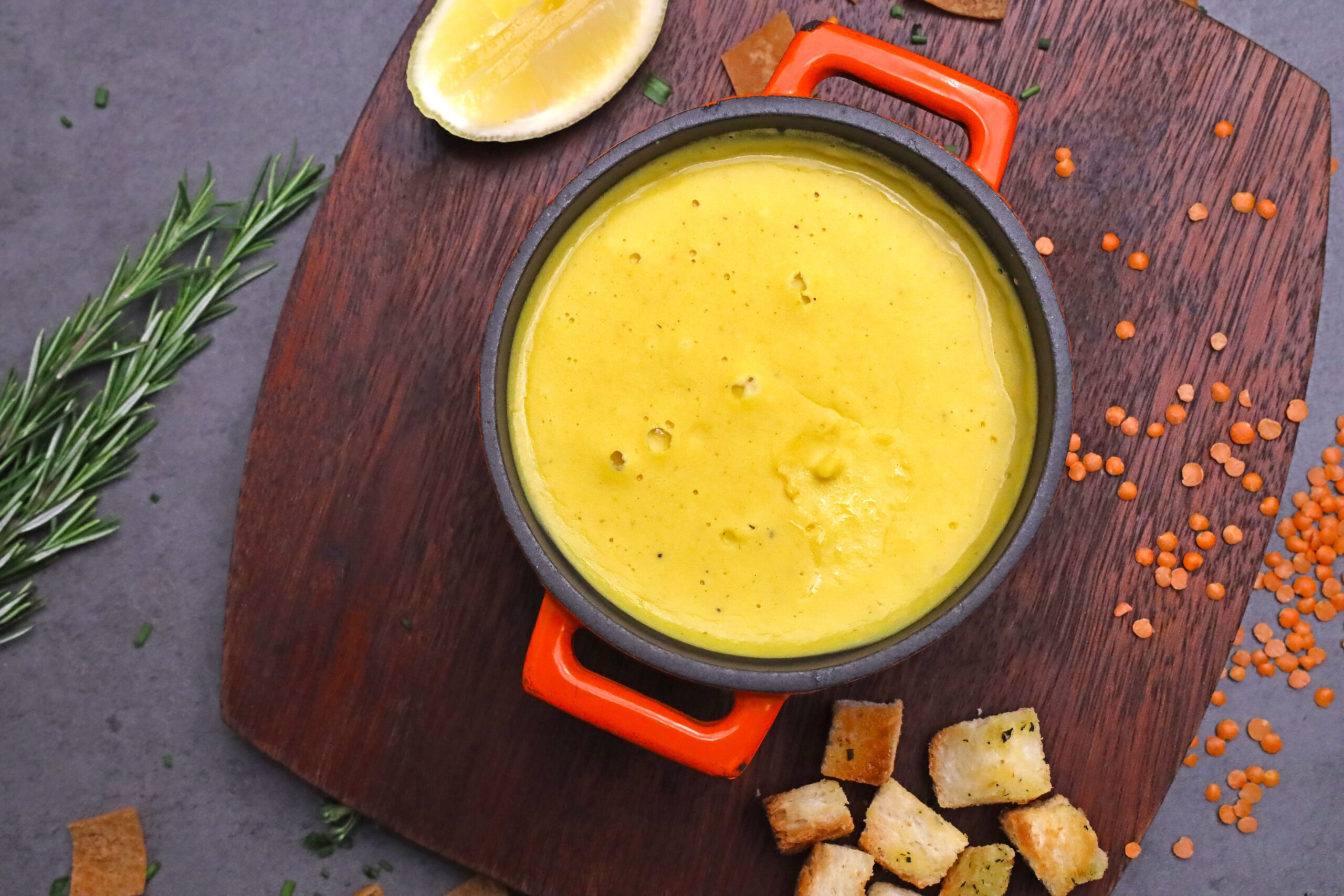
| Lunch | Lentil and tomato soup, 1 cup cooked lentils (6.6 mg) | 6.6 mg |
| Snack | 1 oz pumpkin seeds (4.2 mg) with an orange | 4.2 mg |
| Dinner | Tofu and broccoli stir fry, 1/2 cup firm tofu (3.4 mg) with bell peppers | 3.4 mg |
| Day total | About 24 mg |
The total sits above the 18 mg reference, which is fine: these are food amounts, not supplement doses, and daily totals naturally vary. If you eat animal foods, swap the tofu dinner for 3 oz of lean beef (2.5 mg) or turkey dark meat (2 mg) and the day still lands near the reference, with the heme iron absorbed more easily. For a sense of how protein fits into a day like this, see our guide on how much protein you need per day.
Plant-Based? Same Table, Smarter Pairings
A plant-based day can cover the iron reference from food alone, but it needs more care than a mixed day, because every source is non-heme. The anchors are soybeans and edamame, tofu and tempeh, lentils, white and black beans, pumpkin seeds, fortified cereals, and cooked spinach. The rule is simple: put a vitamin C food in every iron rich meal, and keep tea and coffee for between meals.
One general point from the NIH is worth knowing: people who eat only plant foods are advised to aim for about 1.8 times the standard RDA, because absorption is lower. On the 18 mg reference, that works out to roughly 32 mg of iron from plant foods per day for women ages 19 to 50. The sample day above, at about 24 mg, shows the shape of it; adding a second bean or lentil portion, or a fortified cereal breakfast, closes the rest of the gap. Our guide to foods high in protein is a useful companion here, since many of the same foods (tofu, tempeh, lentils, edamame) anchor both lists.
What to Watch Out For
Three label traps show up on nearly every iron list, and all three are about reading the label, not the food group.
Fortified cereal varies by brand. One cereal gives 18 mg per serving, another gives 4.5 mg, and the box front rarely says which. The Nutrition Facts label decides, not the word “iron” on the front.
Raw versus cooked spinach is not the same number. A cup of cooked spinach gives about 6.4 mg, while a cup of raw spinach gives about 1 mg, because cooking shrinks the leaves. Both numbers are correct; they measure different cups.
Clams and liver are concentrated, not everyday foods for most people. One serving of clams covers more than the daily reference, and liver is similarly dense. They are excellent occasional choices, but a practical week is built on lentils, beans, tofu, fortified grains, and seeds, not on shellfish and liver every day.
Frequently Asked Questions
How much iron do women need per day?
The general reference intake (RDA) is 18 mg per day for women ages 19 to 50, and 8 mg per day for women 51 and older. For comparison, the reference for men ages 19 and older is 8 mg per day. These are general reference figures, not personal targets.
Which foods are highest in iron?
Per typical serving, the highest are clams (23.8 mg per 3 oz), fortified breakfast cereal at 100 percent of the Daily Value (18 mg per serving), soybeans (8.8 mg per cup), oysters (8 mg per 3 oz), and white beans (8 mg per cup). Fortified cereals vary by brand, so the label matters.
What is the difference between heme and non-heme iron?
Heme iron comes from animal foods such as meat, poultry, and seafood, and your body absorbs it well, roughly 15 to 35 percent. Non-heme iron comes from plant foods and fortified foods, and your body absorbs it less well, roughly 2 to 20 percent, depending on the rest of the meal.
What foods help your body absorb iron?
Vitamin C foods eaten at the same meal help most: citrus fruits, strawberries, tomatoes, bell peppers, and broccoli. Eating a little meat, fish, or poultry with plant foods also improves plant iron absorption. Cooking acidic foods in a cast iron pan adds a small amount of iron as well.
What foods block iron absorption?
Tea and coffee with a meal reduce absorption from plant foods, because their tannins bind to iron. Calcium rich foods eaten at the same meal can also reduce iron absorption. The practical fix is timing: keep tea, coffee, and calcium rich foods for between meals rather than with your main iron rich meal.
Can you get enough iron without eating meat?
Yes, from food alone, with care. The plant anchors are soybeans and edamame, tofu and tempeh, lentils, beans, pumpkin seeds, fortified cereals, and cooked spinach, with a vitamin C food at every iron rich meal. The NIH notes that people who eat only plant foods may need about 1.8 times the standard RDA, because non-heme iron is absorbed less efficiently.
How much iron is in spinach?
A cup of cooked spinach gives about 6.4 mg of iron, while a cup of raw spinach gives about 1 mg, because cooking shrinks the leaves a great deal. Adding lemon juice or tomatoes to cooked spinach also helps your body absorb more of its iron.
Is fortified cereal a good source of iron?
Yes, it can be the single biggest source in a day, but only if the label says so. A cereal fortified to 100 percent of the Daily Value gives about 18 mg per serving, while a cereal fortified to 25 percent gives about 4.5 mg. Always check the Nutrition Facts label rather than the front of the box.
How much iron is in lentils?
A cup of cooked lentils gives about 6.6 mg of iron, which is about 37 percent of the 18 mg reference for women ages 19 to 50. Half a cup gives about 3 mg. Cooking lentils with tomatoes, peppers, or lemon improves absorption.
Does cooking in a cast iron pan add iron?
Yes, a small amount. Cooking acidic foods such as tomato sauce in a cast iron pan transfers some iron into the food. It is a useful bonus, but it is not a substitute for iron rich foods themselves.
Conclusion
Iron gets simpler once you start with a table instead of a vague list. Clams, fortified cereal, soybeans, oysters, and beans top the per-serving ranking, lentils and spinach anchor everyday plant meals, and vitamin C at the same meal plus tea and coffee between meals does more for absorption than any single superfood. Check the label on fortified foods, pair plant iron with vitamin C every time, and a normal day of ordinary groceries covers the reference without any special shopping.
Sources
- USDA FoodData Central, iron values for the foods mentioned: https://fdc.nal.usda.gov
- NIH Office of Dietary Supplements, Iron Fact Sheet for Consumers (RDA figures, food sources, absorption): https://ods.od.nih.gov/factsheets/Iron-Consumer/
- MedlinePlus, Iron in diet (heme and non-heme iron, absorption helpers and blockers): https://medlineplus.gov/ency/article/002422.htm
- Harvard Health, Foods high in iron (heme and non-heme table, RDA figures): https://www.health.harvard.edu/diet-and-nutrition/foods-high-in-iron-incorporating-high-iron-foods-into-a-healthy-diet
Disclaimer: This article is for general information only and is not medical advice. Iron needs vary from person to person. If you have questions about your own iron intake or health, please speak with a qualified health professional. Food figures are rounded approximations from standard references; check the label for the exact product you buy.