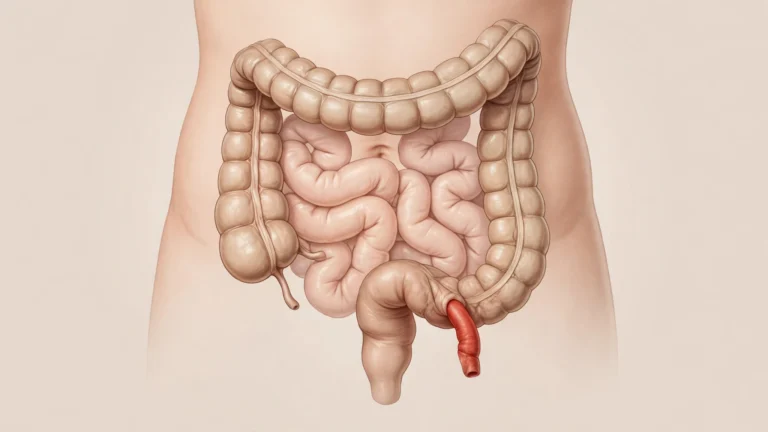
What Is a Cyst? Types, Causes, Symptoms, and Care
What Is a Cyst? Types, Causes, Symptoms, and Care
A cyst is a closed, sac-like pocket of tissue that can form almost anywhere in the body. Most often, it is filled with fluid, air, or other soft material. One can sit just under the skin, where you can see or feel it, or it can form deep inside the body, where only a scan finds it.
Many people worry when they first notice a lump. In most cases, it is benign, which means it is not cancer. Still, any new lump deserves attention, because one can grow, become infected, or press on nearby tissue. Cleveland Clinic explains that cysts are usually not serious, but a clinician should check any lump that is new, changing, or painful.
This guide explains what one is, the most common types, what causes one to form, and the symptoms to watch for. You will also learn how doctors check one, what care options usually involve, and when to seek medical advice promptly.
Contents:
- What a cyst is and how it differs from other lumps
- Common types of cyst
- What causes a cyst
- Cyst symptoms to watch for
- How doctors diagnose a cyst
- Cyst care and treatment options
- When to see a doctor about a cyst
- Living with a cyst: everyday tips
- Frequently asked questions
What a Cyst Is and How It Differs From Other Lumps
It has a wall that encloses its contents. That wall is what sets a cyst apart from a simple swelling or a solid lump. Inside, there may be fluid, a thick or cheese-like material, air, or a mix of these. The contents depend on the type of cyst and where it forms.
For example, a skin lump of this kind often holds keratin, a protein made by skin cells. A breast one usually holds fluid. An ovarian lump of this kind is a fluid-filled sac on or inside an ovary. In each case, the sac grows slowly, and it may stay the same size for a long time.
It is not the same as a tumor. A tumor is a solid mass of extra cells. It, by contrast, is a pocket with a wall and contents. Most are benign. Rarely, one can be precancerous or cancerous, which is one more reason to have a new lump checked rather than guessing what it is.
It also helps to know the difference between a true sac and a pseudocyst. A true one has its own lining or wall, while a pseudocyst lacks one. For most readers the practical point is simple: a lump that is new, growing, or painful should be examined.
Common Types of Cyst
There are many types of cyst, and they differ by location and cause. The most common types are described below. If you are trying to identify your own lump, use this section only as general background, not as a diagnosis.
Epidermoid Cyst
An epidermoid cyst is a slow-growing bump under the skin. It forms when skin cells that would normally shed instead move deeper and multiply. Those trapped cells build a wall and fill the sac with keratin. Epidermoid cysts often appear on the face, neck, back, or trunk. They may have a small dark dot in the center. NCBI MedGen notes that these cysts are usually small, round, and firm, and they often cause no pain unless they become inflamed.
Pilar Cyst
A pilar cyst grows on the scalp, usually from a hair follicle. These cysts are smooth, round, and mobile under the skin. They tend to run in families, and a person may have more than one. Pilar cysts are benign, but they can grow large enough to bother you when combing or washing your hair.
Ganglion Cyst
A ganglion cyst forms near a joint or tendon, most often at the wrist or hand. It is filled with a jelly-like fluid. Ganglion cysts can appear suddenly, change size, and sometimes fade on their own. They may cause pain if they press on a nerve, or they may limit how freely a joint moves.
Ovarian Cyst
An ovarian lump of this kind is a fluid-filled sac on or inside an ovary. Many ovarian cysts form during the normal menstrual cycle and cause no symptoms at all. In fact, most people never know they had one, because it clears on its own. Larger cysts, or cysts that twist or burst, can cause pelvic pain and need prompt medical care.
Breast Cyst
A breast lump of this kind is a fluid-filled sac in breast tissue. Breast cysts are common in women in their 30s, 40s, and early 50s. They may feel smooth, round, and movable. Some become tender before a period, then settle again. Any new breast lump still needs checking, because only an exam and sometimes imaging can tell a cyst from other breast changes.
Other Types of Cyst Worth Knowing
Kidney cysts are fluid-filled sacs in the kidneys, and they are often found by chance on a scan done for another reason. Many cause no symptoms. Baker’s cyst, also called a popliteal cyst, forms behind the knee and is often linked to knee problems such as arthritis. Pilonidal cysts form near the tailbone, often where an ingrown hair irritates the skin. Arachnoid cysts form around the brain or spine and are usually present from birth, though most never cause symptoms.
Finally, it is worth noting that the word cyst also appears in conditions like polycystic ovary syndrome. That condition involves many small cysts on the ovaries along with hormone changes. It is a separate diagnosis, and it needs its own medical assessment.
What Causes a Cyst
A cyst can form for many different reasons, and sometimes no clear cause is found. Understanding the common causes can help you make sense of what your clinician tells you.
First, blocked ducts and glands are a leading cause. When a duct or gland is blocked, fluid has nowhere to go, so it collects and forms a sac. This is how many skin and breast cysts begin.
Second, trapped cells can start one. Skin cells that get pushed below the surface, often after a minor injury, can keep multiplying and form a wall. Similarly, a damaged hair follicle can trap cells and oil, which then build into a cyst.
Third, infection and chronic inflammation can play a role. Ongoing irritation changes tissue over time, and in some cases a pocket forms around the inflamed area. Parasites such as tapeworms can also cause cysts, though this is uncommon in many regions.
Fourth, hormones matter, especially for ovarian cysts. During a normal cycle, a follicle releases an egg, then usually breaks down. If the follicle does not release the egg or does not break down, fluid can collect and a cyst forms.
Fifth, genetic conditions raise the risk of certain cysts. Polycystic kidney disease, for example, causes many cysts to grow in the kidneys over time. Gardner syndrome is linked to a higher chance of epidermoid cysts.
In short, a cyst is usually the result of a blockage, trapped cells, inflammation, hormones, or genes. Often, more than one factor is involved, and sometimes one appears without any obvious trigger.

Cyst Symptoms to Watch For
Symptoms vary widely. They depend on the type, its size, and where it sits in the body. Some cysts cause no symptoms at all. Others are easy to spot but painless. Still others cause clear discomfort.
Common signs include:
- A visible or touchable lump under the skin
- Swelling or a feeling of fullness in the area
- Pain or tenderness, especially when pressed
- Redness or a change in skin color over the lump
- Warmth around the area, which can signal infection
- Fever or chills if an infected one spreads infection
- Reduced movement if one sits near a joint
- Pressure symptoms, such as bloating or pelvic discomfort, with internal cysts
An infected one can become painful and swollen quite quickly. It may drain fluid or burst if it is not treated. Internal ones may cause no symptoms until they grow large enough to press on nearby organs. For instance, a large ovarian cyst can cause pelvic pain, bloating, or a feeling of fullness, while a kidney cyst often causes nothing at all.
If you notice a lump, try not to panic, but do pay attention to change. A lump that grows fast, becomes very painful, turns red, or starts draining needs medical attention soon. You can read more about related everyday health topics on our Health Topics category page.
How Doctors Diagnose a Cyst
Diagnosis usually starts with a simple exam. Your clinician will ask when you first noticed the lump, whether it has changed, and whether it hurts. They will feel the lump to judge its size, shape, and movement. Many skin cysts can be identified from this exam alone.
When more detail is needed, imaging helps. Ultrasound is often the first choice, because it can show whether a lump is fluid-filled or solid. For deeper ones, a CT scan or MRI may be used. These scans show the size and exact location of a cyst, and they help a clinician plan the next step.
Sometimes a sample is taken. A clinician may draw fluid from it with a thin needle, or remove a small piece of tissue for lab testing. This step confirms the type of cyst and rules out other causes. Blood tests are not always needed, but they may help when a hormone condition or infection is suspected.
The key point is that diagnosis is usually straightforward. Most do not need a long workup. However, a clinician may suggest closer follow-up if one is large, unusual, or in a sensitive spot.
Cyst Care and Treatment Options
Many need no treatment at all. A small, painless one is often watched over time. Your clinician may suggest a follow-up visit to check whether it has grown or changed. This watchful approach is common for ovarian cysts, kidney cysts, and small skin cysts.
When care is needed, options depend on the type and its symptoms. Common options include:
- Watchful waiting: regular checks, with no procedure, while it stays small and painless.
- Drainage: a clinician drains fluid from it with a needle. This can ease pressure, but some fill again.
- Surgical removal: the whole sac, including its wall, is removed. Removing the wall lowers the chance of return.
- Treating the cause: for example, managing a knee problem linked to a Baker’s cyst, or treating an infection in an infected one.
- Hormonal care: for some ovarian cysts, a clinician may discuss hormonal options, based on your history and exam.
What you should not do matters too. Do not try to squeeze, cut, or drain one at home. Squeezing can push contents deeper, cause infection, or leave a scar. It can also make a simple problem harder to treat. Warm compresses may soothe a minor skin lump, but they are not a substitute for medical advice if the cyst is painful, red, or growing.
In addition, general self-care supports recovery. Keep the area clean, avoid tight clothing that rubs the lump, and note any changes in size or pain. If you are tracking other everyday health questions, our guide to acid reflux causes, symptoms, and relief shows the same step-by-step approach: notice the signs, understand the cause, then act early.
When to See a Doctor About a Cyst
Most cysts are harmless, but some situations need prompt care. Contact a healthcare professional if you notice:
- A new lump that does not go away after a few weeks
- A lump that grows quickly or keeps changing shape
- Pain, swelling, redness, or warmth around one
- Fluid, pus, or blood draining from a lump
- Fever along with a painful lump
- A hard lump that feels fixed in place rather than movable
- Severe pelvic or abdominal pain, which can signal a burst or twisted ovarian one
- A breast lump or any change in breast skin or shape
- One near the eye, or one that affects vision, movement, or speech
Seek urgent care for sudden, severe pain, signs of a widespread infection such as high fever, or one that bursts with heavy bleeding. These situations are uncommon, but they need same-day attention.
If you are unsure, it is better to ask than to wait. A short visit can often settle the question, and it gives you a clear plan for follow-up.
Living With a Cyst: Everyday Tips
Living with one is usually simple, but a few habits help. First, keep a brief note of when you found it and how it changes. A photo with a coin for scale can help you track growth, though it never replaces an exam.
Second, protect the area. Avoid picking at a skin lump, and choose clothing that does not rub it. If one sits near a joint, notice which movements irritate it, and mention this at your visit.
Third, support your general health. A balanced diet, regular movement, and good sleep help your body handle minor inflammation. For food ideas, see our guide to dragon fruit benefits and nutrition and our list of high-protein low-carb foods.
Fourth, follow the plan your clinician gives you. If they suggest watchful waiting, keep the follow-up visit, even if it feels fine. If they suggest removal, ask what to expect during recovery, including wound care and activity limits.
Finally, remember that worry is normal. A new lump can be frightening, even when it turns out to be simple. Getting it checked is the fastest way to replace worry with facts.

Frequently Asked Questions About Cysts
What is a cyst in simple terms?
It is a closed sac of tissue filled with fluid, air, or other material. It can form under the skin or inside the body. Most are benign and cause no serious harm, but a clinician should check any new lump.
Can a cyst go away on its own?
Yes, some do. Many ovarian cysts clear on their own within a few cycles. Some ganglion cysts shrink or fade without care. However, many skin lumps stay until they are removed, so do not assume a lump will vanish.
Is a cyst the same as a tumor?
No. A tumor is a solid mass of extra cells, while one is a pocket with a wall and contents. Most are not cancer. Still, only an exam and sometimes imaging or lab testing can confirm what a lump is.
Does a cyst always need surgery?
No, surgery is not always needed. Small, painless ones are often watched. Drainage or removal is usually offered when one causes pain, grows, becomes infected, or presses on nearby tissue.
Can I pop a cyst at home?
No, you should not try to pop or drain one yourself. Squeezing can cause infection, scarring, and deeper inflammation. It can also make treatment harder. If one bothers you, ask a clinician about safe options.
When should I worry about a cyst?
Worry is a signal to seek care, not a diagnosis. Get prompt advice if one grows fast, becomes very painful or red, drains pus, causes fever, feels hard and fixed, or sits in the breast or pelvis with new pain. Early checks lead to simpler care.
Conclusion
A cyst is common and usually benign, and it can form in many parts of the body. Most cysts cause little trouble, and many need only watchful waiting. The smart move is simple: notice new lumps early, avoid squeezing them, and get a clinician to check anything that is new, changing, or painful. If you found a lump today, book a routine visit and note its size and symptoms to share at the appointment.
This article is for general information only and is not medical advice. If you have an ongoing lump, pain, or other concern, talk to a healthcare professional.