
Look, nobody wakes up excited about health and safety regulations. I get it. You’ve got a business to run, customers to deal with, bills to pay. The last thing you want is someone banging on about risk assessments and policy documents.
But here’s the thing – and I’m being dead straight with you – southall health and safety isn’t about paperwork. It’s about making sure nobody gets hurt while earning their living. That’s literally it. Everything else is just details.
I’ve watched businesses in Southall for years now. Some take safety seriously, some don’t bother until something goes wrong. Guess which ones sleep better at night? Yeah, exactly.
The Actual Legal Stuff You Can’t Ignore
Right then. The government says your workplace can’t be dangerous. Revolutionary concept, I know. But what does that actually mean when you’re standing in your warehouse or shop or office wondering where to start?
It means walking through your place with honest eyes. That step everyone’s careful around because it wobbles? Stop being careful around it and fix the bloody thing. The socket that sparks when you unplug stuff? That’s not normal, get an electrician. The shelf everyone knows not to lean on? Why are you keeping a dangerous shelf?
southall health and safety You need something written down explaining how you handle safety. Don’t overthink it. Who’s in charge of what. How you spot dangers. What happens when stuff goes wrong? That’s your policy. Write it like you’re texting your mate, not submitting homework to a particularly strict teacher.
Small business owners tell me all the time they’re too little to worry about this. Wrong answer. Got staff? Then you’re responsible for keeping them safe. It doesn’t matter if it’s three people or three hundred. Someone gets injured on your watch because you couldn’t be arsed? That’s completely on you, mate.
The paperwork side does matter though, can’t lie about that. But it’s not complicated. Just document what you’re doing to keep people safe. When inspectors show up – and they will eventually – you need proof you’ve been paying attention.
Risk Assessments Without the Headache
Everyone panics when you mention risk assessments. They picture massive forms and complicated procedures. Forget all that. It’s basically just paying attention.
Grab whatever you write notes on. Could be your phone, could be an old notebook. Walk through your workplace properly, not the quick walk you do every morning where you’re thinking about other stuff. Actually look at things.
What catches your eye as potentially dodgy? That forklift making weird grinding noises? Write it down.southall health and safety Chemicals stored near something hot? Write it down. People having to stretch dangerously high to reach stuff? Write it down. Boxes stacked in a way that looks precarious? You’re getting the idea now.
Then think about each thing. Who’s at risk? Just one person or loads of people? How bad could it get? Minor injury or hospital trip? Stuff that could seriously hurt multiple people gets sorted immediately. Lesser risks still get addressed, just not quite as urgently.
My cousin Tony runs a printing shop and he thought risk assessments were pointless government nonsense. Then his apprentice nearly lost fingers in a machine with a broken safety guard. Tony’d noticed that guard was dodgy months before, just never got round to it. He’s religious about checking everything now. Shame it took a near-disaster to convince him.
Keep your assessments updated. New equipment comes in? Check what risks tag along with it. Someone has a close call? Work out why and adjust accordingly. This isn’t homework you do once and forget about.
Training That Doesn’t Send People to Sleep
Most workplace training is absolutely terrible. Stick everyone in a stuffy room, talk to them for hours about procedures they’ll never remember, hand out leaflets that go straight in the bin. Then act surprised when nobody follows the safety rules.
southall health and safety training works when it connects to what people actually do. Your delivery drivers don’t need lectures about proper sitting posture at desks. Your admin staff don’t need detailed lessons on forklift operation. Match training to jobs and suddenly people listen because it matters to them personally.
New starters need proper showing around before they do anything. Walk them through, point out what’s dangerous in your specific place, explain your emergency plans. Don’t assume they’ll pick it up. They won’t, and that’s how accidents happen.
People forget stuff too. Training doesn’t stay in your brain forever. You need reminders. Doesn’t always have to be formal sessions. Sometimes it’s just mentioning something at the morning briefing or having a quick chat after a near-miss about what we learned.
Keep track of who’s been trained when. Yeah, more admin, I know. But when officials come asking questions about qualifications, you’ll be grateful you bothered. Plus it helps you remember when someone’s due for refreshers. Understanding workplace wellness basics makes this whole thing less painful.
Making Your Space Actually Safe
Some workplaces you walk into and immediately know nobody cares. Clutter everywhere, poor lighting, hazards all over the shop. Others you can tell someone’s paying attention. Which one would you want to work in southall health and safety
Basic housekeeping stops loads of accidents. Sounds obvious but you’d be gobsmacked how many injuries come from someone leaving stuff lying around. Keep walkways clear always. Spills get mopped straight away, not later. Everything goes where it belongs, not wherever’s convenient right now.
Temperature affects safety more than you’d think. People who’re freezing or sweating buckets aren’t concentrating properly. They make daft mistakes. They have accidents. Get your heating and cooling sorted. Make sure air moves around okay, especially if you’re dealing with chemicals or dust.
Emergency gear can’t just exist for show. Fire extinguishers need to be accessible, not buried behind stacks of boxes. First aid kits need to be stocked and findable. Emergency exits can’t be locked or blocked ever. Check everything regularly and actually fix issues when you spot them.
Chemical Safety Without Overthinking It
Working with chemicals anywhere? Cleaning stuff, solvents, paints, whatever? Then you need to take southall health and safety seriously because chemicals can properly mess people up.
Every chemical should have its safety data sheet. These sheets explain what the stuff does, what it can do to you, how to handle it safely. Actually read them. Make your team read them. Don’t file them away thinking you already know.
Where and how you store chemicals matters massively. Wrong containers cause spills or nasty reactions. Wrong locations endanger people. Everything needs clear labels so people know what they’re handling. I’ve seen warehouses with chemicals in unmarked old bottles. That’s not careless, that’s dangerous and stupid.
Protective gear isn’t negotiable with hazardous substances. The safety sheet says gloves? Wear gloves. Says goggles? Wear goggles. Make sure stuff actually fits because loose gloves or wonky goggles protect nobody.
Fire Safety Beyond the Bare Minimum
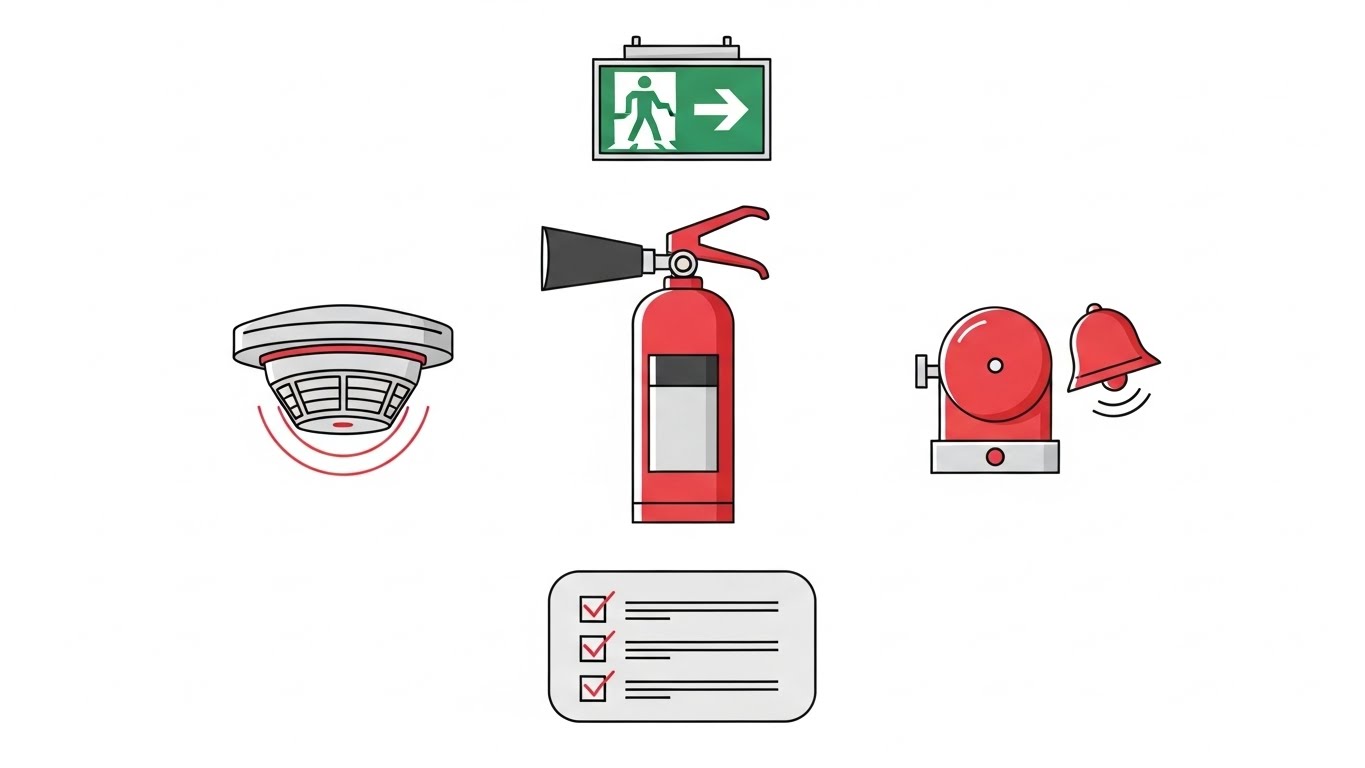
Fire risk assessments identify what could spark fires in your place. Flammable materials near heat, dodgy electrics, dust buildup, all that. Once you know the risks, actually address them instead of just noting them down.
southall health and safety everyone needs to know exactly what to do when alarms go off . Properly knowing, not vaguely guessing. Fire drills matter because panic erases even simple instructions from people’s minds. Mark escape routes clearly. Have a meeting spot so you know everyone escaped safely.
Fire extinguishers only help when people know which type suits which fire. Water on electrical fires worsens things. CO2 on kitchen fires achieves nothing. Train people properly. But make absolutely clear – if the fire’s too big or spreading quickly, just get out. Nothing in your workplace justifies dying for.
Electricity Demands Respect
Electricity kills people fast and quietly. All electrical equipment needs regular professional inspection. Not your handy mate who “knows about electrics.” Someone actually qualified with certificates southall health and safety .
PAT testing on portable gear isn’t optional. Frequency depends on equipment type and usage. Keep the records properly. Failed equipment gets unplugged immediately, not “we’ll finish this job first then deal with it.”
Watch for damaged cables, overloaded sockets, equipment that’s inappropriate for its location. Water plus electricity equals death. Equipment used in wet areas needs proper protection. Extension leads are temporary – if you’re constantly short on sockets, get proper ones installed by electricians.
Lifting Without Wrecking Yourself
Back injuries happen constantly and they’re mostly preventable. Manual handling training helps somewhat but better is eliminating heavy lifting altogether. Can you use trolleys? Machinery? Split loads smaller? Completely redesign the process?
When lifting’s unavoidable, technique matters. Bend knees, keep loads close, don’t twist while carrying. But even perfect technique wears you down over time. Rotate jobs so people aren’t lifting constantly all day every day.
Workstations that don’t suit the people using them cause long-term problems. Screens positioned wrong, keyboards at bad heights, insufficient movement space. Poor ergonomics creates chronic pain affecting people for years. Proper health management includes getting workstations right for people.
Mental Health Counts As Health
Here’s what too many people miss – southall health and safety includes mental wellbeing. Work stress, anxiety, and depression are real health problems. You’ve got to manage them like physical hazards.
Start identifying what creates stress in your workplace. Excessive workload? Terrible management? Toxic atmosphere? Once you know the causes, you can tackle them. Might mean redistributing work, training managers properly, dealing with people making others miserable.
Make talking about mental health normal and safe. If people think they’ll be judged or punished for struggling, they’ll suffer silently. Train managers spotting when someone’s not coping and having supportive conversations without awkwardness.
First Aid That Actually Works
southall health and safety Every workplace needs proper first aid. What “proper” means varies by size, work type, hazards present. Minimum – decent first aid kit plus someone trained using it. Larger places need multiple trained people available.
First aid training must come from approved providers. Can’t just watch internet videos and call yourself qualified. People need proper courses and regular refreshers because techniques evolve and memory fades with time.
Emergency procedures must cover everything reasonably likely. Fires, medical emergencies, chemical spills, whatever suits your workplace. Write them clearly. Ensure everyone knows them. Practice often. When emergencies happen, people revert to training level, not becoming sudden heroes.
Why Documentation Protects You
Records prove you’re doing what you should. Risk assessments, training logs, incident reports, inspection notes – keep everything. These protect you legally and help spot patterns needing attention.
Document every incident, including near-misses. What occurred, who was involved, any injuries, what you’ve changed to prevent repeats. Near-misses are warnings you got lucky. Pay proper attention.
Training records show who’s trained in what and when refreshers are due. If someone has an accident and you can’t prove proper training, you’re in massive trouble. Maintenance records demonstrate you’re maintaining equipment properly and safety systems function correctly.
Dealing With Contractors and Visitors
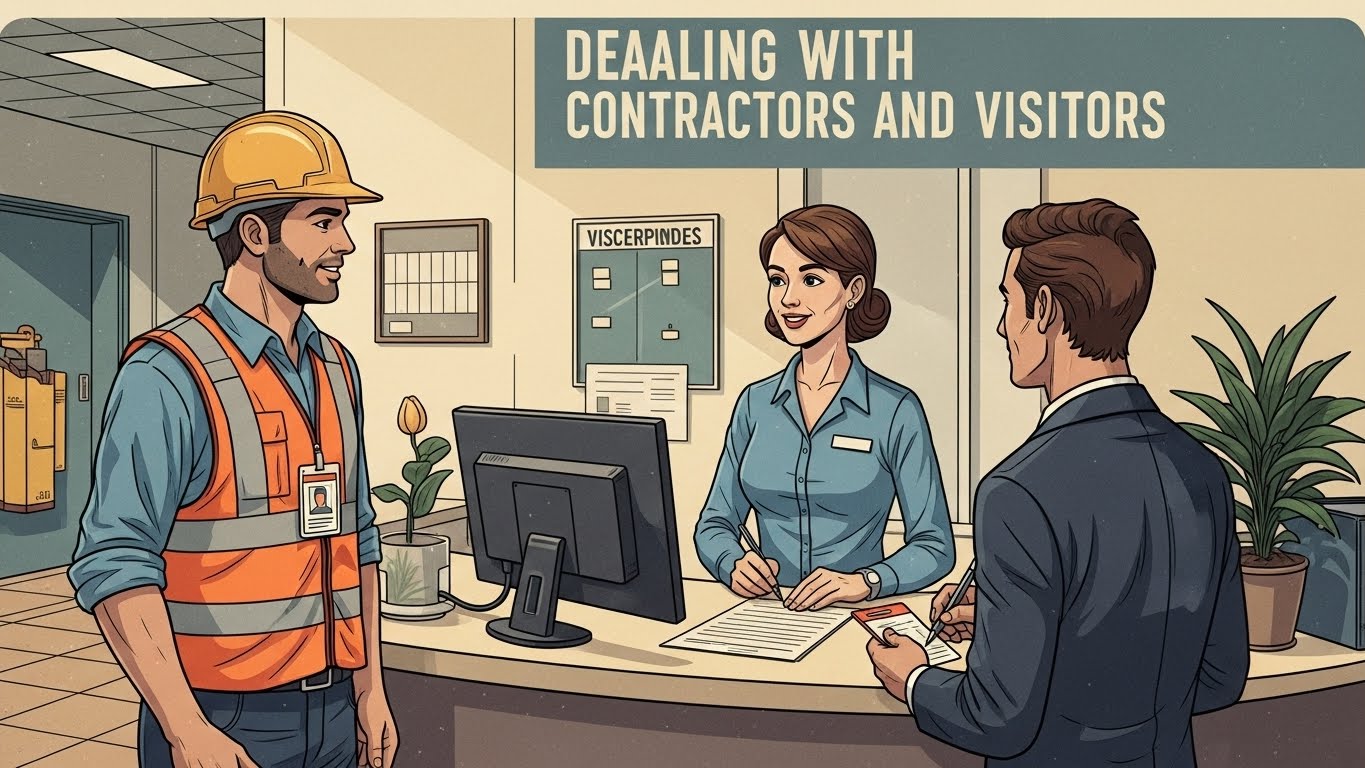
Contractors working at your site remain your safety responsibility. Communicate your site’s hazards clearly. Verify they’re actually competent. Don’t assume expertise just because they’re supposed professionals – check it southall health and safety .
Give contractors proper site induction covering your specific rules. They need to know your emergency procedures, facility locations, and contact people for problems. Make crystal clear they follow your safety rules while on your premises.
Visitors present different challenges because they don’t know your site whatsoever. Never let visitors wander unescorted. Provide high-vis vests, accompany them constantly, keep them from dangerous areas. It’s not being overprotective, it’s preventing injuries.
Personal Protection Done Right
PPE is the last resort, not the first option. Always try eliminating hazards completely or controlling them through engineering before depending on protective equipment. But when PPE’s necessary, it must be appropriate and fit properly.
Don’t buy cheap rubbish saving pennies. Poor quality gear not actually protecting is worse than nothing because people feel safe when they’re not. Everything must meet proper standards. Boots, helmets, gloves, eye protection – all need proper certification.
PPE needs maintenance. Damaged equipment doesn’t protect. Inspect regularly, replace when necessary. Some items have limited lifespans even appearing fine. Hard hats degrade over years and need replacing regardless of appearance.
Regular Inspections Find Problems Early
Don’t wait for official inspectors before checking everything’s acceptable. Regular internal inspections help finding problems before causing accidents. Walk around systematically, examining different areas each time. Spot hazards, verify people follow procedures, identify improvement opportunities.
Involve employees in inspections. They know their areas better than management and notice things you’ll miss. Plus it reinforces safety being everyone’s responsibility, not just bosses’ concern.
Formal audits go deeper than routine inspections. They examine whether your entire safety system actually functions. Are policies followed? Does training make differences? Are risk assessments updated? Audits confirm your southall health and safety approach works or highlight needed improvements.
Creating Real Safety Culture
Safety culture can’t be purchased or installed overnight. It develops through consistent leadership, effective communication, and genuine commitment protecting people. In places with strong safety cultures, people watch out for each other. They mention hazards. They don’t cut corners dangerously.
Leadership determines success or failure. If managers treat safety like box-ticking bureaucracy, everyone else will too. When leaders demonstrate genuine commitment – following rules themselves, listening to concerns, acting on them – others follow naturally.
Encourage reporting hazards and near-misses without blame fears. If reporting problems causes trouble, people stop reporting. Then you lose chances to fix things before someone gets seriously hurt. Celebrate safe behavior and learn from mistakes without finger-pointing.
FAQs
What legal requirements apply for health and safety in Southall workplaces?
You must do risk assessments, train staff properly, maintain safe equipment, and write safety policies. All workplaces need first aid provisions and emergency procedures whatever their size.
How frequently should risk assessments be reviewed?
Yearly minimum, or whenever significant changes happen like new equipment, different processes, or after accidents. Really hazardous activities might need more frequent reviews.
Do small businesses need to follow the same safety standards as big companies?
Absolutely yeah. All employers follow identical basic rules regardless of size. Your documentation might be simpler but commitment protecting workers stays identical.
What qualifications must first aiders possess?
They need HSE-approved training courses. Specific requirements depend on workplace risks but most need Emergency First Aid at Work minimum, renewed every three years.
How do I improve workplace safety culture?
Lead by example consistently, encourage open communication about concerns, actually fix reported hazards quickly, provide quality training, recognize safe behavior. Make safety everyone’s responsibility clearly.
Which PPE is typically required in Southall workplaces?
Depends entirely on work being done. Common items include safety boots, hard hats, high-visibility clothing, gloves, eye protection. Your specific risk assessment determines exact requirements.
Are mental health issues covered under workplace safety regulations?
Completely yes. Employers must prevent work-related mental ill health identically to physical injuries. This includes managing workplace stress and providing appropriate support.
Which records must be kept for health and safety compliance?
Keep risk assessments, training logs, incident reports, near-miss reports, equipment inspection records, health surveillance if applicable. These prove compliance and help identify improvement areas.
