

So you’re trying to make sense of building codes for outpatient facilities? Yeah, I’ve been there. The Ambulatory Health Care Code isn’t exactly light bedtime reading, but understanding it matters way more than most people realize. Whether you’re planning a new clinic, renovating an existing space, or just trying to stay compliant, this stuff can make or break your project.
Here’s what nobody tells you upfront – these codes exist because ambulatory care settings have unique risks. You’ve got patients who can mostly move around on their own, sure, but they’re still vulnerable. They might be recovering from procedures, dealing with medical conditions, or just plain anxious about being in a healthcare setting. The codes are designed around keeping these people safe without turning every outpatient clinic into a full-blown hospital.
I’ve watched too many practice owners dive into facility planning without understanding the Ambulatory Health Care Code requirements. They get halfway through construction, then BAM – inspector shows up and suddenly nothing’s compliant. Plans get scrapped, money gets wasted, opening dates get pushed back months. Don’t be that person.
What Actually Counts as an Ambulatory Healthcare Facility
Right, so first things first. What are we even talking about here? The Ambulatory Health Care Code applies to places where people receive medical care but don’t stay overnight. Sounds simple enough, yeah?
Think outpatient surgery centers, urgent care clinics, dialysis facilities, endoscopy centers, birthing centers. Even some dental offices with sedation capabilities fall under these codes. Physical therapy clinics, diagnostic imaging centers, infusion centers – they’re all potentially covered depending on what services they offer.
The key distinction is whether patients receive care requiring general anesthesia or sedation that might impair their ability to evacuate the building quickly during emergencies. If you’re administering medications that could make someone unable to walk out on their own, congratulations, you’re probably dealing with ambulatory facility codes rather than simpler business occupancy rules.
Some facilities try arguing they’re just regular offices. That rarely works out. If you’re performing procedures, administering IV medications, or doing anything beyond basic examinations, expect the Ambulatory Health Care Code to apply. Better to plan for stricter requirements upfront than get caught underprepared later.
Understanding healthcare facility regulations becomes crucial when you’re navigating these complex requirements. Different jurisdictions interpret things slightly differently too, which makes life interesting in ways nobody asked for.
Fire Safety Requirements That Actually Matter
Fire safety takes up massive chunks of the ambulatory health care facilities code, and for good reason. You’ve got potentially impaired patients, medical equipment that could fuel fires, oxygen supplies that make fires worse, and staff who need to evacuate people quickly.
Sprinkler systems aren’t optional in most ambulatory facilities. Full automatic sprinkler coverage throughout the building, designed and installed per NFPA thirteen standards. Yeah, it’s expensive. Yeah, it’s necessary. The alternative is hoping nothing ever catches fire, which seems like a rubbish risk management strategy.
Fire alarm systems need to be way more sophisticated than standard commercial buildings. You need smoke detection throughout, manual pull stations at exits, audible and visual notification devices, connection to monitoring services. Some jurisdictions require voice evacuation systems instead of just bells and horns.
Corridor walls typically need one-hour fire resistance ratings. That means proper fire-rated construction, fire-rated doors with closers, gaps and penetrations properly sealed. Can’t just throw up some drywall and call it good. Inspectors check this stuff carefully because corridor integrity keeps evacuation routes usable during fires.
Exit requirements get strict too. You need adequate exit capacity based on occupant load, proper exit signage with backup power, emergency lighting throughout egress paths. Exits can’t pass through high-hazard areas, and you need at least two separate exits from most spaces.
Hazardous materials storage has specific requirements. Flammable liquids, compressed gases, oxidizers – they all need proper ventilation, separation from ignition sources, appropriate containment. Your janitor’s closet can’t just be wherever’s convenient if you’re storing cleaning chemicals there
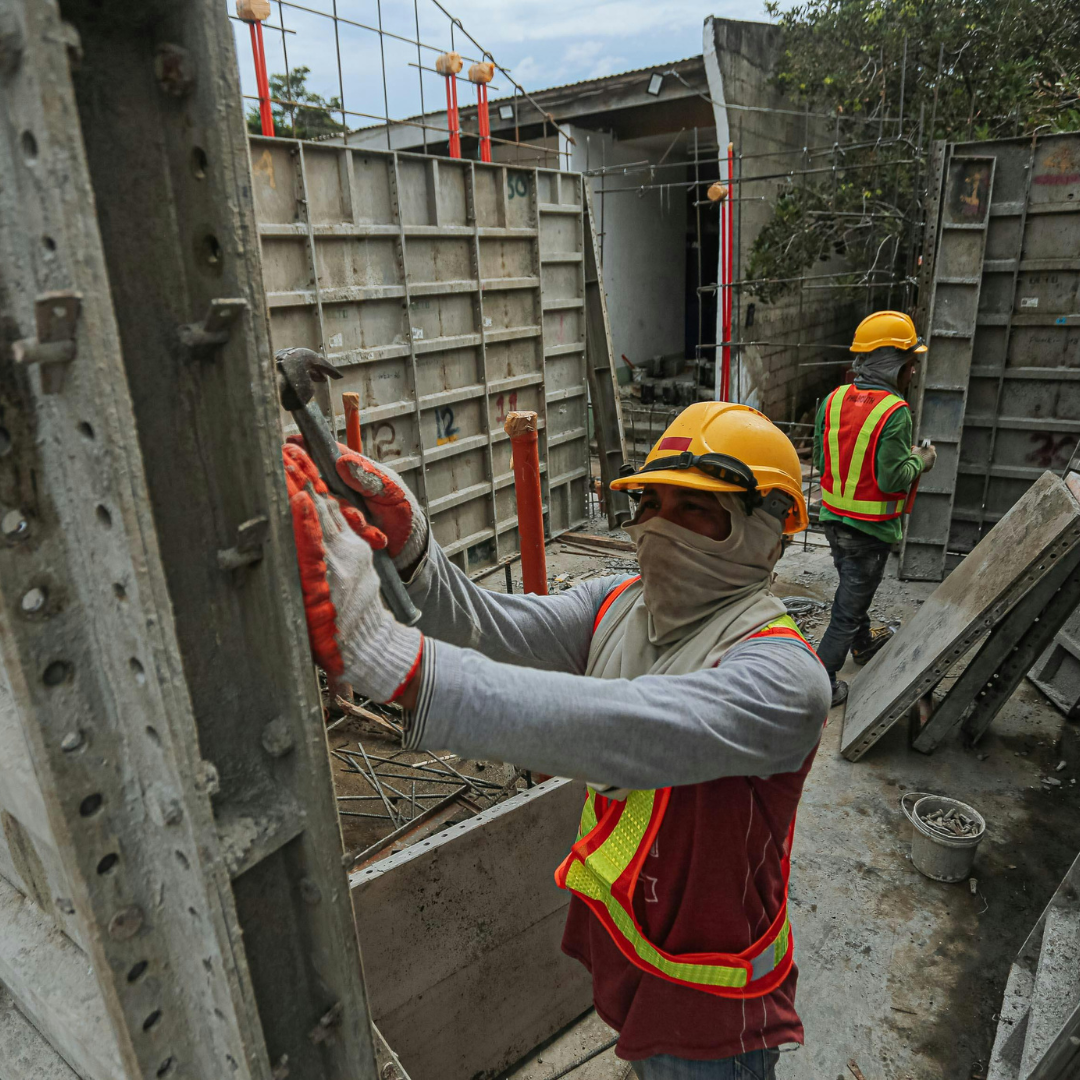
Building Construction Types and Requirements
The ambulatory health care facilities code cares loads about what your building’s made of and how it’s constructed. Different construction types offer different levels of fire resistance, which affects what you can and can’t do.
Type one and Type two construction use noncombustible materials like concrete, steel, and masonry. These are your most fire-resistant options but also typically most expensive. Older buildings you’re renovating might not meet these standards, which complicates things.
Type three, four, and five construction allow combustible materials to varying degrees. Wood frame construction is Type five, the least fire-resistant. Many jurisdictions won’t permit ambulatory healthcare facilities in Type five construction, or they severely limit what services you can provide.
Building height and area limitations depend on construction type and whether you’ve got sprinklers. The Ambulatory Health Care Code through NFPA ninety-nine and the International Building Code work together defining these limits. More fire-resistant construction types allow bigger buildings.
Fire barriers and smoke barriers separate different occupancies and compartmentalize spaces. If your ambulatory facility shares a building with other occupancies – say, medical offices on one floor and your surgery center on another – you need proper separation. These barriers need specific fire resistance ratings, proper construction techniques, and careful attention to penetrations.
Vertical openings like stairwells, elevator shafts, and mechanical chases need enclosure. Can’t have fire spreading between floors through unprotected openings. Doors into these enclosures need being fire-rated with proper hardware.
Mechanical Systems and Environmental Controls
HVAC systems in ambulatory facilities aren’t just about comfort. The ambulatory health care facilities code mandates specific ventilation rates, air pressure relationships, and filtration levels because infection control matters hugely.
Operating rooms and procedure rooms need positive pressure relative to surrounding areas. This keeps potentially contaminated air from flowing into sterile spaces. You need specific numbers of air changes per hour – typically fifteen to twenty-five depending on room function and whether it’s existing construction or new.
Filtration requirements exceed typical commercial buildings. You need minimum MERV ratings of seven to thirteen depending on the space, with higher ratings for critical areas. Some jurisdictions now require MERV thirteen or better everywhere following COVID-related updates.
Temperature and humidity controls need being precise and reliable. Operating rooms typically require temperatures between sixty-eight and seventy-three degrees Fahrenheit, with relative humidity between thirty and sixty percent. Deviation outside these ranges creates problems for patients and staff.
Medical gas systems fall under the Ambulatory Health Care Code if you’re providing oxygen, nitrous oxide, medical air, or vacuum services. These systems need proper design, installation by qualified contractors, testing before use, and ongoing maintenance. You can’t just run some pipes and hope for the best.
Exhaust systems for hazardous materials, sterilization equipment, and laboratories need special attention. These exhausts can’t recirculate back into the building, they need adequate makeup air, and they might require specific discharge locations away from building intakes.
Electrical Systems and Emergency Power
Electrical requirements in ambulatory facilities go way beyond standard commercial buildings. The ambulatory health care facilities code recognizes that losing power in the middle of a procedure could be catastrophic.
Emergency power systems through generators or battery backups need supplying specific circuits within ten seconds of power loss. This includes exit signs, emergency lighting, fire alarm systems, and specific medical equipment circuits. Which equipment needs emergency power depends on what services you provide.
Essential electrical systems have specific branch requirements. Life safety branches supply egress lighting, fire detection and alarms, and communication systems. Critical branches supply task illumination and receptacles in procedure rooms, medication preparation areas, and other critical spaces. Equipment branches supply things like HVAC, sump pumps, and medical equipment not needed immediately during emergencies.
Normal power distribution needs adequate capacity for your equipment loads plus growth. Medical equipment can draw significant power, especially imaging equipment, lasers, and electrosurgical units. Underpowered electrical services cause problems you don’t want dealing with.
Isolated power systems might be required in anesthetizing locations depending on whether you’re using flammable anesthetics. Most modern anesthetics aren’t flammable, but if you’re using older agents or specific procedures, isolated power with line isolation monitors becomes mandatory under the Ambulatory Health Care Code
Ground-fault circuit interrupter protection is required in specific locations but prohibited in others. You need GFCIs near sinks and in wet locations for safety, but you can’t have them on critical life support equipment where nuisance tripping could be dangerous. Getting this balance right matters.
Plumbing and Infection Control
Plumbing in ambulatory facilities connects directly to infection prevention. The ambulatory health care facilities code includes requirements that help prevent disease transmission through water systems.
Handwashing sinks need to be strategically located. You need sinks in or immediately adjacent to procedure rooms, scrub sinks for surgical areas, sinks in medication preparation areas. These aren’t suggestions – their requirements. The sinks need hands-free or wrist-blade operation in sterile areas.
Hot water systems need delivering water at appropriate temperatures. Too cool and you can’t properly sanitize. Too hot and you risk scalding patients or staff. Tempering valves maintain safe temperatures while still allowing higher temperatures for sanitization when needed.
Medical equipment processing areas need specific plumbing configurations. Decontamination sinks, ultrasonic cleaners, washer-disinfectors, sterilizers – they all have water supply and drainage requirements that differ from standard plumbing.
Floor drains in specific areas help contain spills and allow proper cleaning. But you can’t just put drains everywhere because they can become sources of contamination if not properly trapped and maintained. The Ambulatory Health Care Code guides where drains are required versus where they’re problematic.
Backflow prevention protects potable water supplies from contamination. Medical equipment connected to water supplies – things like sterilizers, cooling systems, or specialty equipment – needs appropriate backflow preventers. Inspectors check for these during plan review and final inspections.

Means of Egress and Accessibility
Getting people out safely during emergencies is fundamental to the Ambulatory Health Care Code. Egress requirements ensure that even impaired patients can evacuate or be evacuated quickly.
Corridor widths need to be adequate for stretcher and wheelchair movement. Minimum eight feet in areas where stretchers pass each other, though narrower widths are sometimes permitted in specific locations. Obstructions like furniture, equipment, or supplies can’t block corridors below minimum widths.
Door widths throughout egress paths need accommodating medical equipment and assistive devices. Minimum thirty-six inch clear width when open is typical. Doors need proper hardware – no key locks from egress side, proper panic hardware where required, closers adjusted so they don’t slam but still close reliably.
Travel distance to exits is limited based on whether you have sprinklers and what construction type you’ve got. The Ambulatory Health Care Code through referenced standards typically limits travel to exits at two hundred feet or less in sprinklered buildings, less in unsprinklered buildings.
Stairways need meeting specific dimensional requirements. Riser heights, tread depths, handrails on both sides, proper lighting, non-slip surfaces. Medical personnel might be helping patients down stairs during evacuations, so stairs need to be as safe as possible.
Areas of refuge might be required in multi-story buildings without sprinklers or for buildings above certain heights. These are designated spaces where people who can’t use stairs can wait for assistance during evacuations. They need specific size, communication systems, and separation from other spaces.
Accessibility requirements under ADA and local codes apply throughout. Patient toilet rooms, exam rooms, waiting areas, parking – everything needs to be accessible. The Ambulatory Health Care Code layers additional requirements on top of baseline accessibility standards. Learning about comprehensive health services helps contextualize why these accessibility requirements matter so much.
Infection Prevention and Control Measures
Infection control isn’t just good practice – it’s built into the ambulatory health care facilities code through design and construction requirements that minimize disease transmission risks.
Separation of clean and dirty workflows helps prevent cross-contamination. Clean supplies and sterile items flow one direction, used items and waste flow another direction, and the two paths don’t cross. This requires thoughtful space planning during design.
Surface materials in clinical areas need to be smooth, non-porous, and cleanable. Carpet is generally prohibited in procedure rooms, medication preparation areas, and equipment processing spaces. Walls need to be cleanable without damage. Ceilings in critical areas might need being smooth rather than acoustic tile.
Air pressure relationships we mentioned earlier under mechanical systems are fundamentally about infection control. Positive pressure in clean areas, negative pressure in contaminated or isolation areas, proper pressure cascades between adjacent spaces.
Hand hygiene facilities strategically located throughout encourage proper handwashing. If sinks are inconvenient or insufficient, compliance drops and infection risks increase. The Ambulatory Health Care Code recognizes this by mandating sink locations.
Equipment processing areas need proper design for decontamination, cleaning, disinfection, and sterilization. These areas need separation of dirty and clean sides, adequate space for equipment, proper ventilation, and appropriate utilities. Trying to sterilize instruments in a converted closet doesn’t meet requirements.
Documentation and Compliance Requirements
Meeting the Ambulatory Health Care Code requires extensive documentation throughout planning, construction, and operation. Inspectors want to see proof you’ve done things correctly.
Construction documents need showing compliance with applicable codes. Architectural plans, mechanical and electrical drawings, plumbing schematics, fire protection plans – everything needs being complete and coordinated. Incomplete or contradictory drawings lead to plan review delays and construction problems.
Product data and submittals demonstrate that specified equipment and materials meet requirements. Fire-rated assemblies need listings from testing agencies. Medical gas equipment needs certifications. HVAC equipment needs showing proper capacities and features.
Testing and commissioning documentation proves systems work as designed before you occupy the space. Medical gas systems need pressure testing, purity testing, and operational verification. Fire alarm systems need complete testing of every device. HVAC systems need air balance reports showing proper flows and pressures.
As-built drawings document what actually got installed versus what was originally designed. Things change during construction – pipes get rerouted, electrical panels get relocated, walls move slightly. As-builts record these changes for future reference.
Operations and maintenance manuals for all systems help your staff properly maintain everything. The Ambulatory Health Care Code requires ongoing maintenance to stay compliant after initial occupancy. These manuals guide proper care.
Inspection reports from authorities having jurisdiction document their review and approval. Keep these reports permanently. They prove your facility was properly inspected and approved when it opened, which matters if questions arise later.
Common Violations and How to Avoid Them
I’ve seen certain violations repeatedly in ambulatory facilities. Learning from others’ mistakes is way cheaper than making them yourself.
Blocked corridors and exits are ridiculously common. Staff think they’re just temporarily storing equipment or supplies in hallways. Then it becomes permanent. Then an inspector shows up and cites you. Keep egress paths clear always. Find proper storage for equipment and supplies.
Missing or improperly maintained fire protection equipment causes violations. Sprinkler heads get painted over, blocked by storage, or damaged. Fire extinguishers go uninspected or disappear. Fire doors get propped open or have closers adjusted so they don’t close. These seem like small things until they’re not.
Expired or missing permits for medical gas systems, fire alarms, or emergency generators lead to citations. These systems need regular inspection and maintenance by qualified people, with documentation kept current. Don’t let permits lapse.
Improper storage of hazardous materials creates both code violations and actual risks. Flammable liquids stored near ignition sources, compressed gas cylinders not properly secured, chemicals stored in non-compliant cabinets or locations. The ambulatory health care facilities code has specific requirements – follow them.
Inadequate documentation of required testing and maintenance makes inspectors suspicious. Even if you’re doing everything right, if you can’t prove it with documentation, you might still face citations. Keep thorough records of all testing, maintenance, and inspections.
Planning for Inspections and Approvals
Getting through plan review and inspections smoothly requires understanding what inspectors are looking for and addressing it proactively.
Pre-submittal meetings with building departments and fire marshals help identify potential issues before you invest heavily in design. Bring preliminary plans and explain what you’re proposing. Get feedback early when changes are still cheap.
Complete and coordinated construction documents speed plan review. Missing information, contradictory drawings, or obviously non-compliant designs just delay approval. Invest in qualified designers familiar with the Ambulatory Health Care Code requirements for healthcare facilities.
During construction, scheduled inspections at key milestones verify compliance before work gets covered up. Rough-in inspections, fire-stopping inspections, final inspections – each catches problems when they’re still fixable. Don’t cover work before required inspections happen.
Occupancy inspections verify the completed facility meets all applicable codes before you can operate. Inspectors check everything from exit signs to medical gas outlets to fire alarm operation. Failed inspections delay your opening, so address all punch list items promptly.
Maintaining compliance after opening requires ongoing attention. The Ambulatory Health Care Code doesn’t end at initial occupancy. Regular inspections by authorities, proper maintenance of systems, documentation of all testing and servicing – this continues throughout your facility’s operation.
Working With Designers and Contractors
Successful projects require team members who understand ambulatory healthcare facility requirements. Hiring people unfamiliar with these codes creates headaches.
Architects experienced with healthcare facilities know the Ambulatory Health Care Code requirements and design accordingly from the start. They understand things like corridor widths, door hardware, room relationships, and finishes. Hiring residential architects or commercial architects without healthcare experience usually causes problems.
MEP engineers familiar with healthcare HVAC, plumbing, and electrical requirements design systems properly. Healthcare facilities have unique needs that differ dramatically from office buildings or retail spaces. Engineers without healthcare experience make costly mistakes.
Contractors experienced in healthcare construction understand the importance of things like infection control during construction, proper sequencing of work, and quality requirements that exceed standard commercial construction. They’re familiar with required testing and documentation.
Medical gas installers need specific qualifications and certifications. This isn’t work for general plumbers. Brazing medical gas piping, testing for purity, certifying systems – it all requires specialized knowledge and equipment.
Getting competitive bids from qualified contractors costs more upfront but saves money overall. Cheap contractors who don’t understand healthcare requirements make mistakes that cost way more to fix than hiring qualified people initially would have cost.

Renovations and Existing Facilities
Renovating existing ambulatory facilities to meet current Ambulatory Health Care Code requirements presents unique challenges because you’re working within existing constraints.
Existing buildings might not meet current codes fully. Most jurisdictions allow existing conditions to remain until you renovate, but renovations trigger upgrades. Understanding what you can leave versus what you must upgrade requires careful code analysis.
Phased renovations keeping portions of the facility operational complicate things. You need maintaining required egress, fire protection, and life safety systems throughout construction. Temporary barriers, modified exit paths, construction area isolation – it all needs careful planning and approval.
Asbestos, lead paint, and other hazardous materials in older buildings require abatement before renovation. This adds cost and time to projects but isn’t optional. Proper environmental assessments before starting design help avoid surprises.
Structural limitations might constrain what you can do. Adding heavy equipment, modifying floor plans, or increasing occupancy loads might require structural upgrades. Get structural engineers involved early to identify limitations and solutions.
Accessibility upgrades triggered by renovations can be extensive. Under ADA, altering more than twenty percent of a building’s value might trigger requirements to upgrade accessibility throughout. Budget and plan for this possibility when contemplating major renovations.
FAQs
What makes a facility subject to ambulatory health care facilities code instead of business occupancy codes?
If you’re providing medical care involving sedation or anesthesia that could impair patients’ ability to self-evacuate during emergencies, you’re likely subject to ambulatory healthcare codes rather than standard business codes.
Do all ambulatory facilities need sprinkler systems?
Most jurisdictions require automatic sprinklers throughout ambulatory healthcare facilities regardless of size. Some exceptions exist for very small facilities in specific construction types, but sprinklers are generally required.
How often do ambulatory facilities need inspections after initial occupancy?
Depends on jurisdiction and systems involved. Fire protection systems typically need annual inspections. Building department inspections might occur periodically or only when triggered by complaints or renovation permits. Medical gas systems need specific periodic testing.
Can I operate an ambulatory surgery center in a leased space within a larger building?
Possibly, but you need proper separation from other occupancies, independent egress paths, and all required systems. Sharing buildings with other uses requires careful coordination and specific fire-rated separations.
What happens if my facility doesn’t meet current ambulatory health care facilities code requirements?
Existing facilities typically can continue operating under the codes they were approved under originally. But renovations, changes in services, or safety concerns might trigger requirements to upgrade to current standards.
Do I need emergency power for all equipment in my ambulatory facility?
No, only specific circuits require emergency power within ten seconds. Which circuits depend on your services. Life safety systems always need emergency power. Critical procedure room circuits might need it depending on your operations.
How do I know which version of the ambulatory health care facilities code applies to my project?
Your jurisdiction adopts specific editions of codes. Check with your local building department to learn which editions of NFPA ninety-nine, the International Building Code, and other relevant standards they’ve adopted and any local amendments they’ve made.
Can I do minor renovations without triggering full code upgrades?
Depends on scope. Minor repairs and maintenance typically don’t trigger upgrades. But substantial alterations might require bringing affected areas or even entire facilities up to current standards. Consult with your building department before starting work to understand requirements.
