Kid Friendly Dinner Ideas: A 7-Day Plan for Busy Families
Quick Answer
Kid friendly dinner ideas are simple meals built on familiar foods, mild flavors, and a balance of vegetables, protein, and grains. The best weeknight dinners take about 30 minutes or less, let children build their own plates, and use one meal for the whole family. This guide gives a 7-day plan, quick ideas, picky eater tips, and safe leftover rules.
Introduction
Finding kid friendly dinner ideas that work on a busy weeknight is a daily job for many parents. Dinner has to be fast, it has to suit small tastes, and it has to feed adults too. That is a lot to ask of one meal at 5 p.m.
This guide takes a different path from a long list of recipes. It starts with what makes a dinner work for children, then gives a full 7-day plan, quick ideas for hard nights, and simple rules for leftovers. The plate method follows the USDA guide to building a healthy plate for kids, and the food safety rules come from the USDA Food Safety and Inspection Service. Exact daily amounts vary by age, so this guide uses plate proportions, not strict numbers.
What makes a dinner kid-friendly?
A kid-friendly dinner is not a special meal cooked apart from the family meal. It is a normal family meal shaped so children can enjoy it. Four traits show up again and again in the dinners that work.
First, the food is familiar. Children trust foods they have seen before. Pasta, rice, chicken, cheese, beans, and bread show up in most winning dinners because children know what to expect from them.
Second, the flavors are mild. This does not mean the food has to be plain. It means the seasoning stays gentle. A little garlic, a little cheese, and a mild sauce go further than a hot or complex sauce.
Third, the textures are predictable. Many children reject a food because of how it feels, not how it tastes. Soft noodles, crispy chicken, and smooth sauces feel safe. Mixed textures with surprises inside cause more refusals.
Fourth, the child gets some choice. When children build their own tacos, pick their own toppings, or serve themselves from bowls on the table, they feel in control. That control cuts down on dinner table battles more than any single recipe can.
A good rule is one meal for the whole family, with small adjustments. Serve the sauce on the side. Keep one spicy topping for adults only. Cut a child’s portion into smaller pieces. These small moves keep one dinner on the table for everyone.
What does a balanced dinner look like for a child?
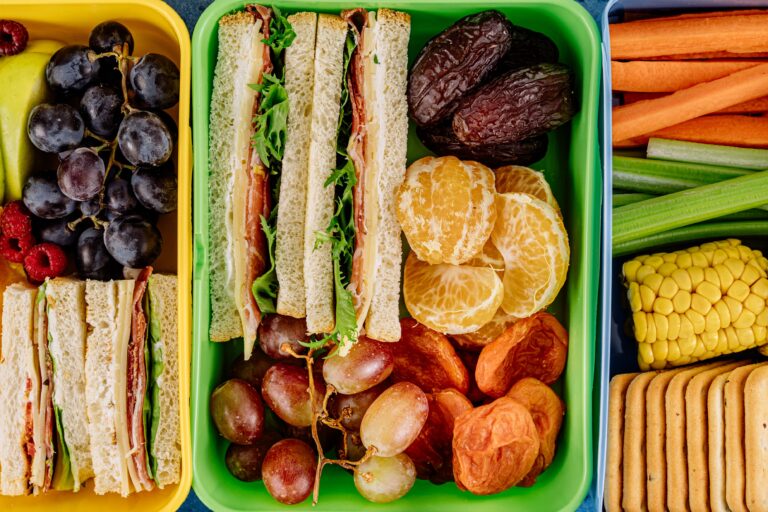
A balanced dinner does not need a chart or a scale. The USDA plate guide gives a simple picture. Fill half the plate with vegetables and fruits. Fill about a quarter with protein. Fill about a quarter with grains. Add dairy on the side, such as milk or yogurt.
Protein is a word worth explaining. Protein foods help the body grow and stay strong. Chicken, turkey, beef, fish, eggs, beans, lentils, tofu, and cheese all give protein. For more ideas in this group, see our list of foods high in protein.
Grains are foods made from wheat, rice, oats, or corn. Bread, pasta, tortillas, and rice all belong here. Whole grains are grains that keep all their natural parts. Brown rice, whole wheat bread, and oatmeal are whole grains. The USDA guide suggests making at least half of daily grains whole grains.
Vegetables and fruits give vitamins, minerals, and fiber. Fiber is the part of plant foods that helps digestion and helps a child feel full. Dark green, red, and orange vegetables are good choices to rotate through the week.
Dairy gives calcium, which helps build strong bones and teeth. Milk, cheese, and yogurt count here. Water is the best drink with dinner. Sweet drinks add sugar without nutrition, so plain water or milk serves dinner better.
Food writer Michael Pollan put this whole picture into seven words: “Eat food. Not too much. Mostly plants.” He wrote that line in his 2008 book, In Defense of Food. For a child’s dinner, it means real foods first, sensible portions, and plenty of plant foods on the plate.
What is a simple 7-day dinner plan?
These dinner ideas for kids follow one plan for a full week. Each dinner pairs a main dish with a fruit or vegetable side. Swap any day to fit your week. The plan repeats trusted foods in new shapes, so children meet variety without strangeness.
| Day | Dinner idea | Why it works | Side |
|---|---|---|---|
| Monday | Build-your-own tacos with seasoned ground turkey or beef, tortillas, cheese, lettuce, and tomatoes | Children choose what goes on their plate | Corn and apple slices |
| Tuesday | Pasta with tomato sauce and finely grated carrot and zucchini stirred in | Familiar pasta shape, vegetables blend into the sauce | Cucumber sticks and grapes |
| Wednesday | Sheet pan chicken pieces with potatoes and carrots, roasted on one pan | One pan, little cleanup, crispy edges children like | Steamed green beans |
| Thursday | Cheese and black bean quesadillas with salsa on the side | Fast, soft, and easy to hold | Banana slices and shredded lettuce |
| Friday | Homemade mini pizzas on English muffins with sauce, cheese, and toppings of choice | Children build their own, which makes them keen to eat | A simple salad or carrot sticks |
| Saturday | Breakfast for dinner: pancakes, scrambled eggs, and fruit | A fun break from routine, with foods children already know | Berries and orange slices |
| Sunday | Roast chicken with potatoes and carrots | A slow family meal that gives leftovers for Monday lunch | Roasted broccoli or peas |
Sunday’s roast chicken does double duty. Leftover chicken can fill Monday’s tacos or Tuesday’s pasta, which turns one cooking session into two dinners.

What are quick dinner ideas for kids on busy weeknights?
Some nights give you 20 minutes, not an hour. These ideas fit those nights. Each one uses pantry or fridge staples and one pan or pot where possible.
Cheese quesadillas take about 10 minutes. Spread cheese and rinsed black beans on a tortilla, fold it, and cook it in a dry pan until the cheese melts. Serve with salsa on the side.
Buttered noodles with peas take about 15 minutes. Cook the pasta, stir in butter and a handful of peas, and add grated Parmesan. The peas add color and nutrition without changing a trusted dish.
Chicken and rice bowls take about 20 minutes with cooked chicken. Warm the chicken, serve it over rice, and set out toppings such as cheese, cucumber, and corn so each child builds a bowl.
Sheet pan chicken tenders take about 30 minutes. Coat chicken pieces in breadcrumbs, place them on a pan with potato wedges, and bake until the chicken is cooked through. A food thermometer should read 165 degrees Fahrenheit for poultry.
Fried rice with leftover rice takes about 15 minutes. Cold rice fries better than fresh rice. Stir it in a pan with peas, carrots, scrambled egg, and a splash of soy sauce.
Breakfast for dinner takes about 20 minutes. Pancakes, eggs, and fruit make a cheerful dinner when the day has been long. For morning inspiration that also works at night, see our healthy breakfast ideas.
Soup and bread take about 20 minutes with canned or carton tomato soup. Serve it with grilled cheese triangles for dipping. Dipping makes dinner feel like play, and play helps children eat.

How can parents handle picky eaters at dinner?
Picky eating is common, and it is not a failure by the parent or the child. Children refuse foods for many reasons. A new flavor, a strange texture, a bad day, or a full stomach from an afternoon snack can all turn dinner into a standoff. These strategies lower the pressure.
Serve one familiar food at every dinner. Bread, rice, pasta, cheese, or fruit can sit next to a new food. The child eats something, and the new food sits nearby without pressure.
Serve foods separately. Instead of a mixed bowl, put chicken, rice, cucumber, and sauce in separate piles or bowls. Children who want to see each food clearly eat more calmly.
Offer dips. Ranch, ketchup, marinara, yogurt dip, or hummus can turn a refused vegetable into a tasted one. A dip gives the child a tool, and tools build courage.
Keep portions of new foods small. One bite-sized piece is enough for a first meeting. A large pile of a new food can feel overwhelming before the first bite.
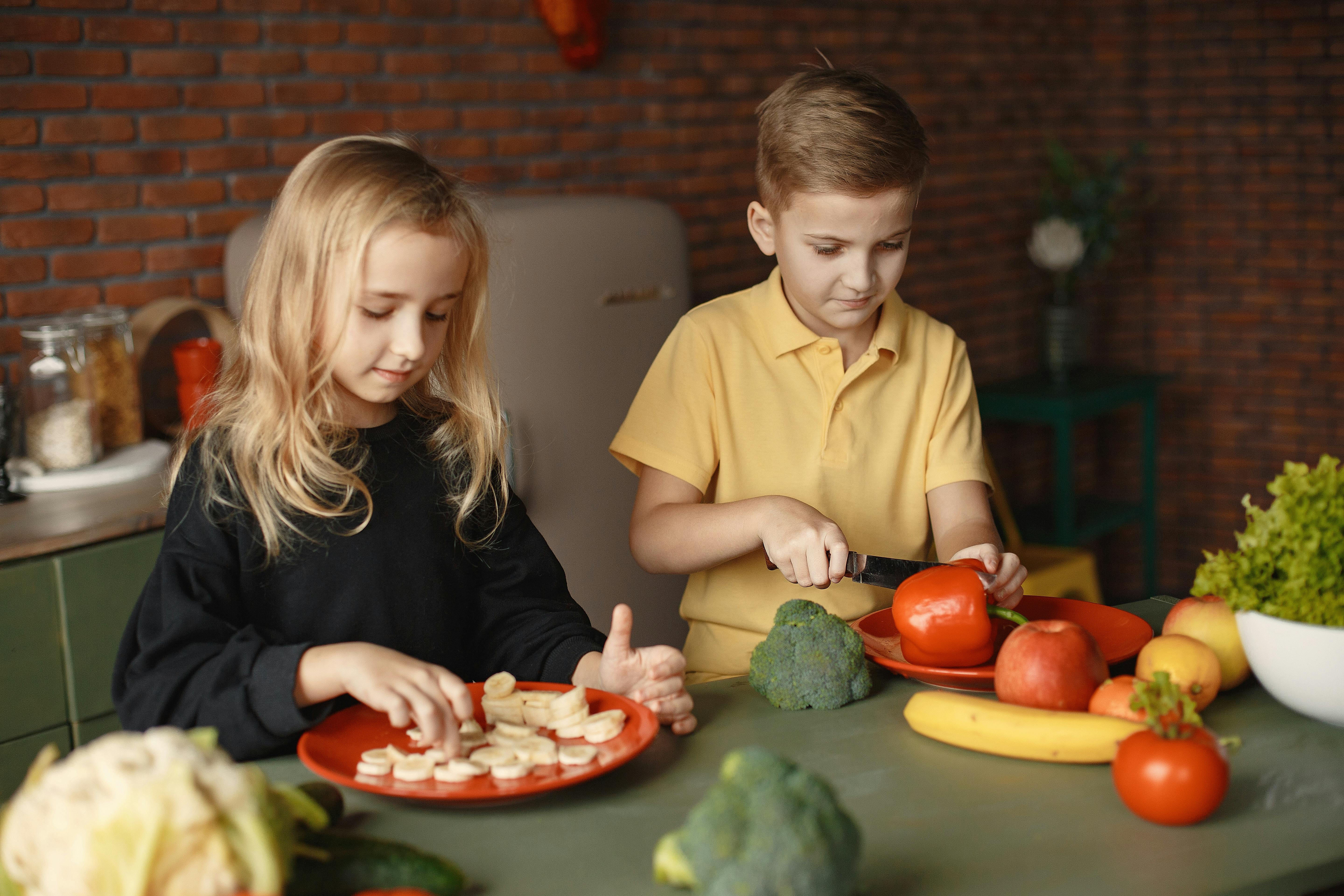
Let children help. Washing vegetables, tearing lettuce, stirring a sauce, or setting the table gives children a stake in dinner. Children often taste what they helped make.
Keep the mood light and the meal short. A calm table, screens off, and about 20 minutes at the table serve dinner better than a long negotiation. The parent decides what is served. The child decides how much to eat. That split of jobs keeps peace at the table.
Oscar Wilde once wrote, “After a good dinner one can forgive anybody, even one’s own relations.” The line is funny because it holds a truth. A relaxed dinner forgives a lot, including a refused vegetable.
How can batch cooking and leftovers make the week easier?
Cooking once and eating twice is the best shortcut in a busy kitchen. Batch cooking means making a double portion of a dish and saving half for a later night. Rice, pasta sauce, taco meat, roast chicken, and beans all batch well.
Follow four safety rules from the USDA Food Safety and Inspection Service. First, refrigerate perishable food within 2 hours of cooking. On a hot day above 90 degrees Fahrenheit, that window shrinks to 1 hour. Second, keep the refrigerator at 40 degrees Fahrenheit or below. Third, eat refrigerated leftovers within 3 to 4 days. Fourth, reheat leftovers until they reach 165 degrees Fahrenheit, measured with a food thermometer.
A food thermometer is a small tool that checks the inside temperature of food. Color alone cannot tell you if meat is cooked safely. Poultry must reach 165 degrees Fahrenheit. Ground meats such as ground beef must reach 160 degrees Fahrenheit. Whole cuts of beef, pork, and lamb must reach 145 degrees Fahrenheit and then rest for 3 minutes.
For the freezer, label each container with the dish name and date. Frozen leftovers stay safe for a long time at 0 degrees Fahrenheit or below, but their quality is best within 3 to 4 months. Flat freezer bags thaw faster than deep tubs, and they stack neatly.
A simple weekly rhythm works well. Cook a double batch on Sunday and eat half on Sunday and half on Tuesday. Cook fresh on Monday, Wednesday, and Friday. Use leftovers and pantry meals on Thursday and Saturday. No night starts from zero.
Why does eating together matter?
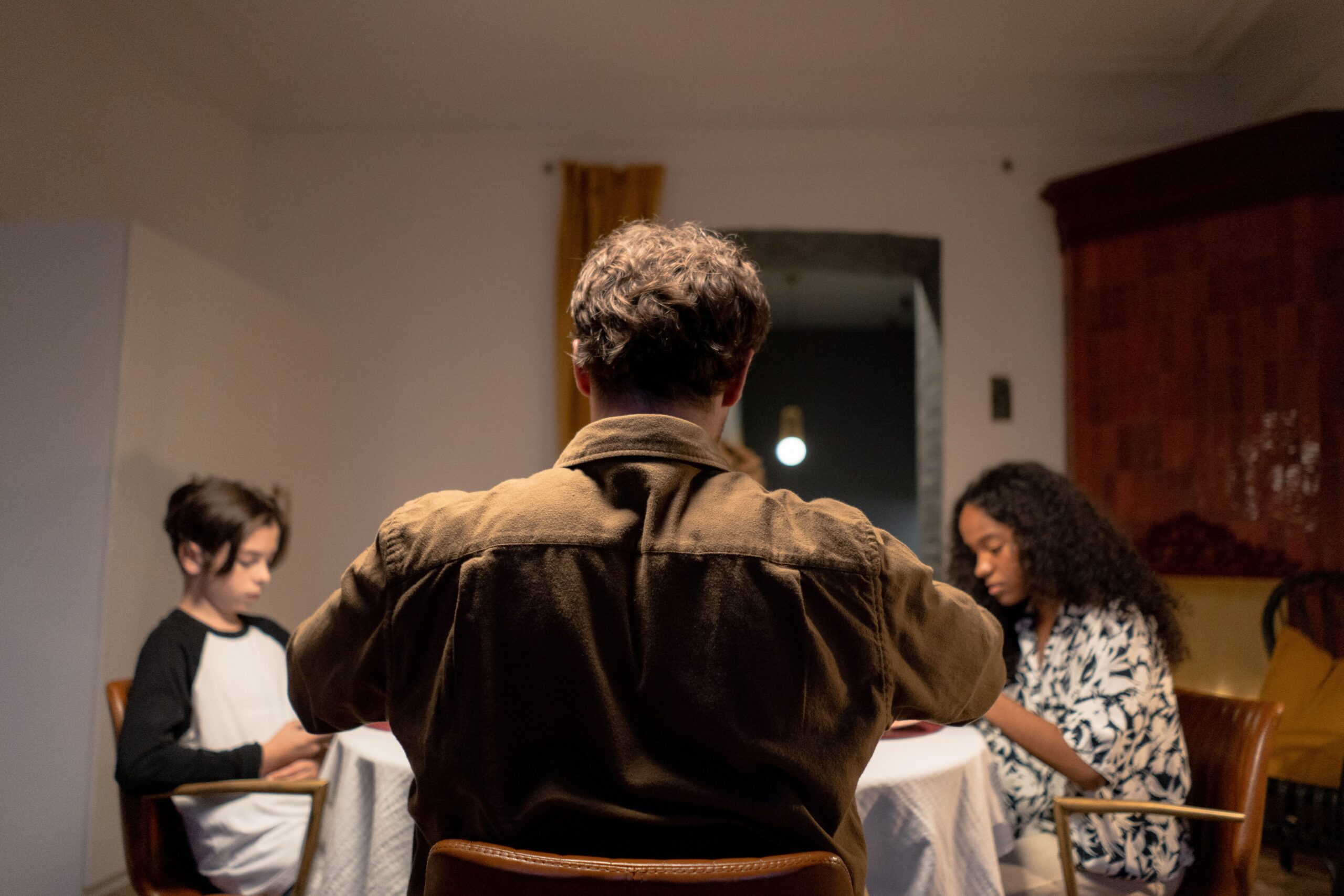
Dinner is more than fuel. It is the one part of the day when a family sits down together, talks, and slows down. Children hear family stories at the table. Parents hear about school, friends, and worries. That daily talk builds a routine children can count on.
Screens off and plates on the table help. Short, regular meals beat rare, long ones. Even 20 minutes together each night gives a family a shared pause in the day.
Former United States President Ronald Reagan once said, “All great change in America begins at the dinner table.” The line points to the same idea. Big conversations start small, at home, over an ordinary meal.

Frequently asked questions
What are kid friendly dinner ideas?
Kid friendly dinner ideas are simple meals built on familiar foods, mild flavors, and foods children can recognize. Tacos, pasta, quesadillas, sheet pan chicken, and homemade pizzas all fit. The best ideas use one meal for the whole family and let children choose toppings or sides.
What should I cook for a picky eater?
Start with a food your child already eats, then build around it. Pasta with a mild sauce works if your child likes pasta. Taco night works if your child likes tortillas. Add one new food in a small portion next to the familiar food, and keep the mood calm.
How do I get my kids to eat dinner without a battle?
Lower the pressure. Serve one familiar food, keep new portions small, and let children serve themselves from bowls on the table. Keep screens off and the meal to about 20 minutes. Avoid bargaining over bites. Calm, predictable dinners help children engage.
What makes a dinner balanced for a child?
Follow a simple plate picture. Fill half the plate with vegetables and fruits, about a quarter with a protein food, and about a quarter with grains. Add milk, yogurt, or cheese on the side, and serve water. Exact amounts vary by age, so use the plate picture, not strict numbers.
What are quick dinner ideas for kids on busy weeknights?
Quesadillas take about 10 minutes. Buttered noodles with peas take about 15 minutes. Chicken and rice bowls take about 20 minutes with cooked chicken. Sheet pan chicken tenders take about 30 minutes. Soup with grilled cheese takes about 20 minutes. Keep pasta, tortillas, rice, canned beans, and frozen vegetables on hand.
How can I use leftovers safely for kids’ dinners?
Refrigerate leftovers within 2 hours of cooking, and keep the refrigerator at 40 degrees Fahrenheit or below. Eat them within 3 to 4 days. Reheat leftovers to 165 degrees Fahrenheit. Label freezer containers with the dish name and date, and use frozen leftovers within 3 to 4 months for best quality.
What are good dinner ideas for kids who do not eat vegetables?
Try vegetables in forms that feel safe. Blend finely grated carrot or zucchini into pasta sauce. Roast vegetables until their edges turn crisp. Serve raw vegetables with a dip, and offer vegetables separately so children can see each food clearly. One small portion is enough for a first try.
How much should a child eat at dinner?
There is no single right amount, because needs vary by age, size, and activity. Serve a small first portion with room for seconds if the child wants more. Let the child decide how much to eat from what is served. If you worry about your child’s eating or growth, talk with your child’s doctor.
Are tacos a healthy dinner for kids?
Tacos can be healthy when the fillings are balanced. Lean protein such as chicken, turkey, or beans, plus lettuce, tomatoes, and corn, plus whole grain tortillas make a strong plate. Cheese and sour cream in small amounts add flavor. Letting children build their own tacos helps them eat more willingly.
What can I cook ahead for the week?
Rice, pasta sauce, taco meat, roast chicken, cooked beans, and chopped vegetables all cook ahead well. Store them in shallow containers and use them within 3 to 4 days, or freeze them in labeled bags. A double batch on Sunday can cover two dinners and cut weeknight cooking in half.
Closing
Kid friendly dinner ideas do not need to be fancy. They need to be familiar, fast, and shared. A 7-day plan takes the daily question off your shoulders. A balanced plate keeps the meal sound. A calm table keeps it pleasant.
Start with the plan in this guide and change it to fit your family. Swap a fish night for a pasta night. Trade a side your child refuses for one they accept. Keep one familiar food on every plate, keep leftovers safe, and keep dinner together whenever you can. The best dinner is the one your family actually sits down to eat.

Sources
United States Department of Agriculture, Build Your Own Healthy Plate: https://aglab.ars.usda.gov/the-nutrition-corner/build-your-own-healthy-plate
United States Department of Agriculture, Food Safety and Inspection Service: https://www.fsis.usda.gov/