
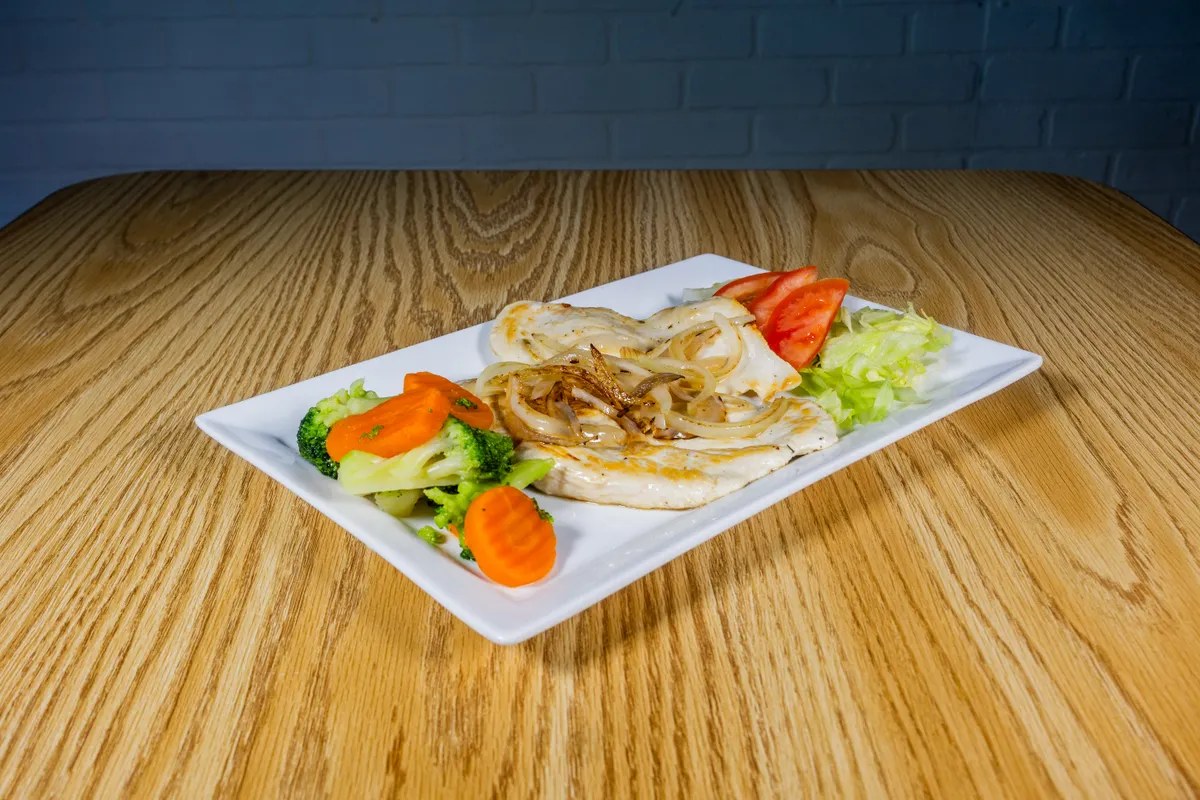
High Protein Low Calorie Foods: 45 Best Picks Ranked by Protein per Calorie
If you want to eat more protein without eating more calories, the grams on the label are only half the story. A food can look strong per serving and still cost you a lot of calories for every gram of protein it gives. This guide fixes that by ranking 45 high protein low calorie foods by one number: how much protein you get for every 100 calories.
Think of this page as the low calorie companion to our full guide to foods high in protein, which ranks foods by serving and per 100 grams. Here the order flips, so the leanest foods rise to the top. Whether you searched for high protein low calorie foods or low calorie high protein foods, this is the same ranked list, and every figure is approximate and based on standard USDA data.
Quick Answer: The foods with the most protein for the fewest calories are shrimp (about 24g of protein per 100 calories), tuna steak and canned tuna (about 22g), egg whites (about 21g), white fish like haddock, cod and pollock (about 21 to 22g), and turkey breast, tilapia and chicken breast (about 19 to 20g). A useful rule of thumb: a food earns its place near the top of this list when it gives you at least 15g of protein per 100 calories.
What Counts as High-Protein and Low-Calorie?
There is no official definition, so this guide uses a practical rule of thumb based on protein density. Divide a food’s protein by its calories and you get its protein per 100 calories. Foods at 15g or more per 100 calories are top tier for this goal. Foods between 10 and 14g are solid everyday picks. Foods under 10g can still be healthy and useful, but they work better as helpers than as your main protein source.
The per 100 gram column alone can mislead you. Parmesan, for example, has about 36g of protein per 100 grams, which sounds unbeatable, until you see that it also packs about 392 calories in that same 100 grams, which works out to only about 9g of protein per 100 calories. The per calorie view is the honest one when calories are your limit.
Two more things matter. First, cooking method changes the numbers: the values in this guide are for plain cooked foods, grilled, baked, steamed or roasted, and breading, frying or sugary sauces will push the calories up. Second, variety still counts. Meat, fish, eggs and dairy are complete proteins, while most plant foods are lower in one or two amino acids, and a varied day covers the gaps. The USDA MyPlate protein foods group gives the same advice: rotate meats, seafood, eggs, dairy, beans, soy, nuts and seeds across the week.
Eating less than you used to? If you’re on a GLP-1 medication and eating less, protein-dense foods help you meet protein needs in smaller meals. Follow your care team’s guidance on targets.
The Ranked List: 45 Foods by Protein per 100 Calories
Here is the full list in one place, ranked from the most protein per calorie to the least. Use the per 100 gram columns to compare foods fairly, and the last column to shop for a calorie budget.
About these numbers: All values are rounded estimates based on standard entries in USDA FoodData Central. Cut, brand and cooking method move the figures a little, so check your own label where it matters. All meat, fish and poultry values are for cooked weight, and raw meat weighs about 25% more before cooking.
| Food | Calories per 100g | Protein per 100g | Protein per 100 calories |
|---|---|---|---|
| Shrimp, cooked | 99 | 24g | 24g |
| Tuna steak (yellowfin), cooked | 130 | 29g | 22g |
| Canned tuna in water, drained | 116 | 25g | 22g |
| Haddock, cooked | 90 | 20g | 22g |
| Cod, cooked | 105 | 23g | 22g |
| Lobster, cooked | 89 | 19g | 21g |
| Ground turkey, 99% lean, cooked | 151 | 32g | 21g |
| Egg whites | 52 | 11g | 21g |
| Alaska pollock, cooked | 110 | 23g | 21g |
| Crab meat, cooked | 87 | 18g | 21g |
| Turkey breast, cooked | 147 | 30g | 20g |
| Tilapia, cooked | 128 | 26g | 20g |
| Halibut, cooked | 111 | 23g | 20g |
| Chicken breast, cooked | 165 | 31g | 19g |
| Scallops, cooked | 111 | 21g | 19g |
| Pork tenderloin, cooked | 143 | 26g | 18g |
| Sirloin steak, lean, broiled | 183 | 31g | 17g |
| Clams, cooked | 148 | 26g | 17g |
| Greek yogurt, plain 0% | 59 | 10g | 17g |
| Skyr (Icelandic yogurt) | 65 | 11g | 17g |
| Cottage cheese, 1% low fat | 72 | 12g | 17g |
| Seitan | 143 | 25g | 17g |
| Deli turkey breast slices | 104 | 17g | 16g |
| Ground beef, 95% lean, cooked | 193 | 29g | 15g |
| Trout, cooked | 168 | 25g | 15g |
| Bison, ground, cooked | 182 | 26g | 14g |
| Chicken thigh, skinless, cooked | 179 | 25g | 14g |
| Mussels, cooked | 172 | 24g | 14g |
| Ground turkey, 93% lean, cooked | 203 | 27g | 13g |
| Sardines, canned, drained | 208 | 25g | 12g |
| Firm tofu | 83 | 10g | 12g |
| Ground beef, 90% lean, cooked | 217 | 26g | 12g |
| Salmon fillet, cooked | 206 | 22g | 11g |
| Tempeh | 192 | 19g | 10g |
| Skim milk | 34 | 3.4g | 10g |
| Eggs, whole | 143 | 13g | 9g |
| Edamame, shelled | 121 | 11g | 9g |
| Milk, 1% low fat | 42 | 3.4g | 8g |
| Lentils, cooked | 116 | 9g | 8g |
| Soy milk, unsweetened | 41 | 3.3g | 8g |
| Split peas, cooked | 118 | 8g | 7g |
| Black beans, cooked | 132 | 9g | 7g |
| Kidney beans, cooked | 127 | 9g | 7g |
| Navy beans, cooked | 140 | 8g | 6g |
| Chickpeas, cooked | 164 | 9g | 5g |
Two patterns stand out. Seafood sweeps the top of the table, because fish and shellfish carry almost no fat or carbohydrate alongside their protein. And the plant foods sit lower not because they are poor foods, but because their protein arrives with fiber rich carbohydrate, which is exactly why they are so filling. The bottom of this list is still useful food; it just should not be the only protein plan.
Top Picks by Category
Seafood
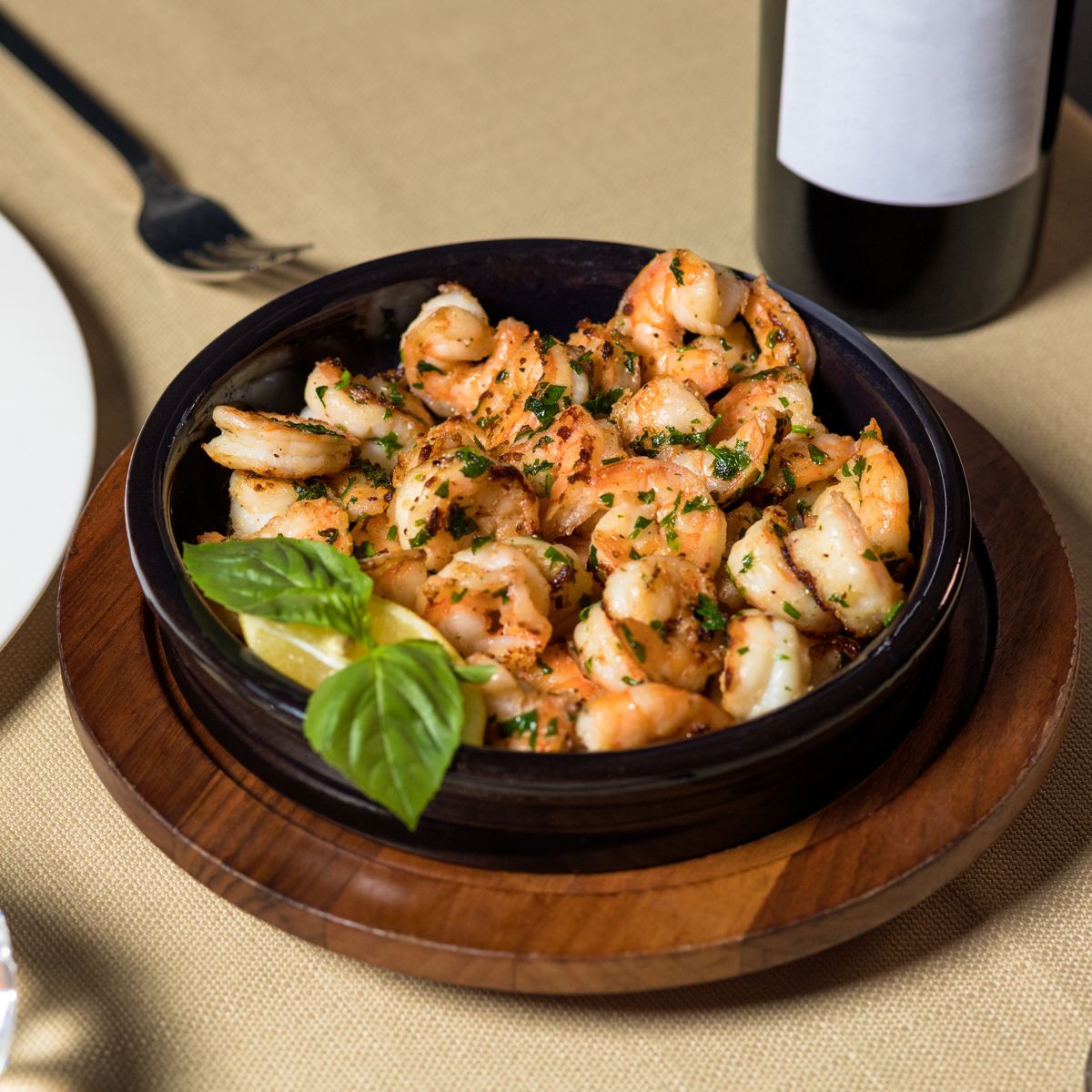
Shrimp (24g per 100 calories). The winner of this whole ranking. Shrimp cook in minutes, work hot or cold, and frozen shrimp are just as practical as fresh.
Tuna, two ways (22g). A seared tuna steak and a drained can of tuna in water land in almost the same place, which makes tuna the easiest protein upgrade in the pantry. The two tunas differ on mercury, though. Tuna steaks are usually yellowfin, which carries more mercury than canned light tuna, and the FDA rates yellowfin a “good choice,” which means about one serving a week, while canned light tuna is a “best choice” you can eat more often. Rotate tuna with other fish across the week, and if you are pregnant or feeding young children, follow FDA’s advice about eating fish.
White fish: haddock, pollock, tilapia, cod, halibut (20 to 22g). Mild, lean and hard to overcook badly. Haddock and pollock are often the cheapest fish in the freezer aisle, and they perform near the very top of this table.
Shellfish: crab, lobster, scallops, clams, mussels (14 to 21g). Crab and lobster are lean enough to rival egg whites, while mussels sit lower because they carry a little more energy per bite. All of them make a plain salad feel like a full meal.
Poultry and Lean Meat
Turkey breast (20g) and 99% lean ground turkey (21g). Turkey is chicken’s equal here, and the extra lean ground turkey is one of the strongest land based picks on the list. The common 93% lean grind drops to 13g per 100 calories, so the label percentage really matters.
Chicken breast (19g). Still the benchmark: cheap, versatile and easy to batch cook. Skinless thigh meat is the honest budget alternative at 14g per 100 calories, juicier but a step down per calorie.
Pork tenderloin (18g) and sirloin steak (17g). The two leanest familiar red meat options. Tenderloin cooks like chicken breast, and a trimmed sirloin keeps steak night inside a calorie budget.
Ground beef, 95% lean (15g). Proof that beef can stay on the menu. The jump from 90% lean (12g per 100 calories) to 95% lean is one of the simplest upgrades in this guide.
Deli turkey slices (16g). Deli meats are processed and often high in sodium, so treat them as a convenience food, not a daily anchor, and pick lower-sodium versions.
Dairy and Eggs
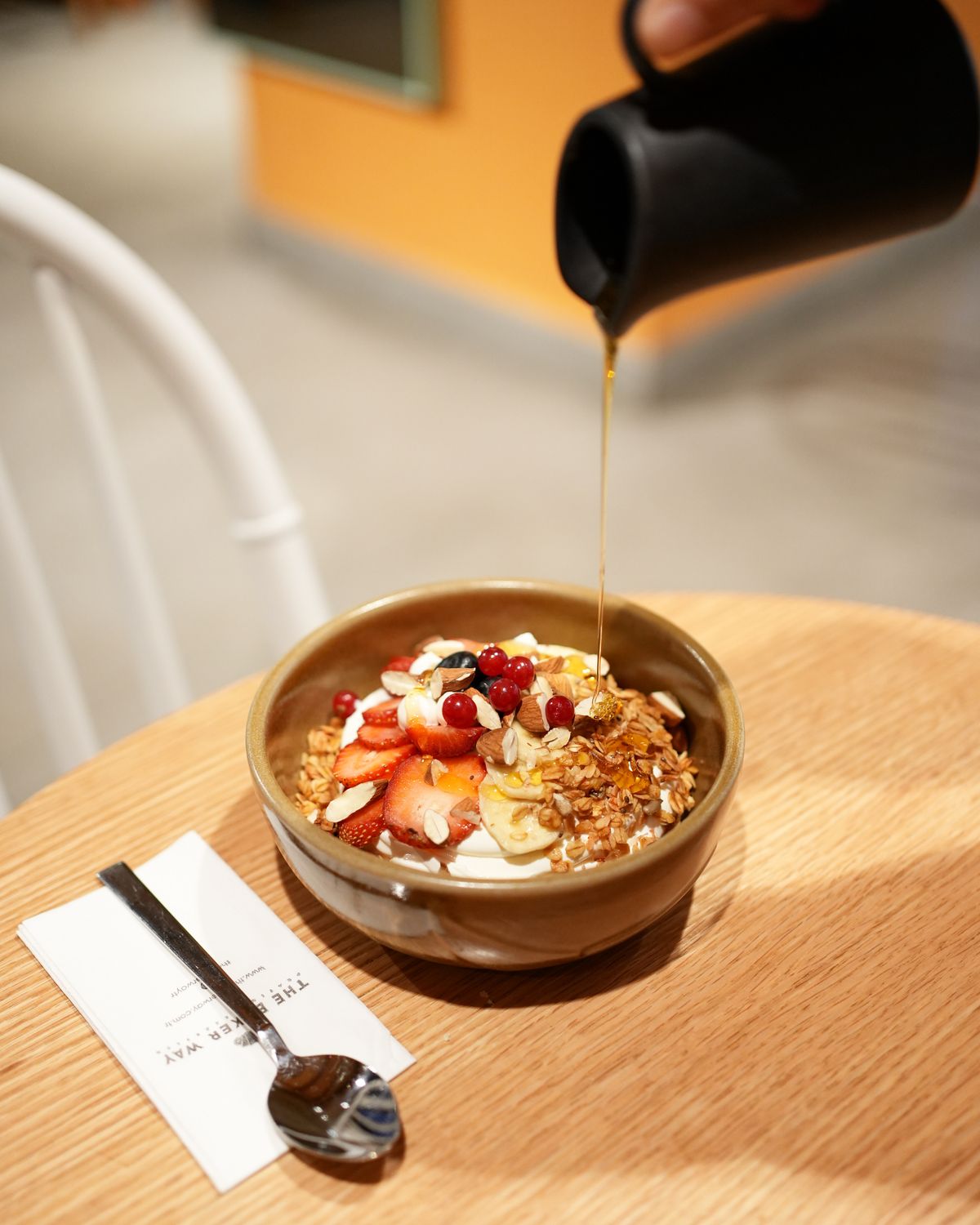
Greek yogurt, plain 0% (17g) and skyr (17g). Straining is what does the work: a 170g tub gives about 17 to 19g of protein for roughly 100 calories. Plain pots keep sugar out; add your own fruit.
Cottage cheese, 1% low fat (17g). The quiet overachiever of the dairy case. It works sweet or savory, and blending it into scrambled eggs or dips lifts a whole dish.
Egg whites (21g) and whole eggs (9g). Egg whites are almost pure protein, while the yolk carries most of an egg’s nutrients and most of its calories. The practical middle ground is one whole egg plus extra whites.
Skim milk (10g) and 1% milk (8g). Milk’s protein stays the same as the fat comes out, which is why skim milk doubles whole milk’s protein per calorie. It pours protein into oats, smoothies and coffee without anyone noticing.
Plant-Based
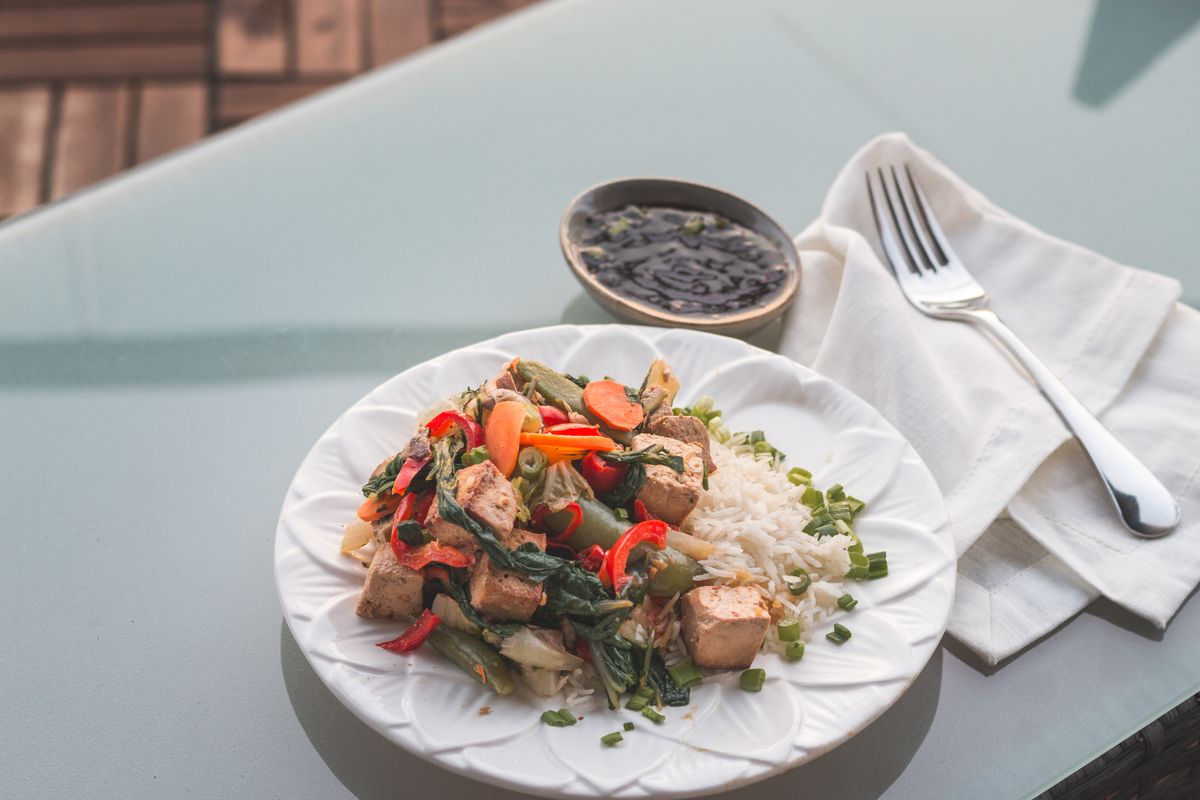
Seitan (17g). The strongest plant food on this list, made from wheat gluten with a meaty chew. It is the one clear exception to the plant foods sit lower pattern, and it is not suitable if you avoid gluten.
Firm tofu (12g) and tempeh (10g). Tofu wins per calorie, tempeh wins per serving and brings more fiber. Both take on whatever marinade you give them, so boredom is a seasoning problem, not a food problem.
Edamame (9g). A complete plant protein you can microwave from frozen in minutes. A cup gives about 17g of protein, and it doubles as a snack.
Lentils, split peas and beans (5 to 8g). Their per calorie numbers are modest, but they are the cheapest protein in this guide and they arrive with fiber that meat and fish do not have. Green peas deserve a mention as a helper too, at about 9g of protein per cooked cup stirred into pasta, rice or soup.
Soy milk, unsweetened (8g). Soy and pea milks are the only common plant milks that keep up with dairy milk on protein. Most almond and oat milks have 1g per cup or less, so check the label before you count them.
Vegetables That Rank Surprisingly High
One honest surprise from the numbers: a few vegetables score well per 100 calories, simply because they carry so few calories at all. Mushrooms give about 14g of protein per 100 calories, spinach about 13g, asparagus about 11g and broccoli about 8g, numbers that sit mid table on this list. The catch is portion size. A realistic cup of any of them gives only about 3 to 5g of protein, so they support a protein meal rather than anchor it. Stir them into eggs, tofu and shrimp dishes and they quietly raise the whole plate.
Foods That Look Lean but Are Not
Some healthy foods wear a high protein reputation they have not earned per calorie. None of these are bad foods. They are just fat or sugar sources first and protein sources second, and the distinction matters when calories are tight.
Nuts and nut butters. Peanut butter has about 25g of protein per 100 grams, which looks elite, but at roughly 590 calories per 100 grams that works out to about 4g of protein per 100 calories. Almonds land at about 4g and walnuts at about 2g. Enjoy them in spoon and handful portions, not as your protein plan.
Salmon. Salmon is genuinely nutritious, with omega-3 fats lean fish barely have, but those fats put it at 11g of protein per 100 calories, mid table rather than top. Keep eating it; just count it honestly.
Whole eggs. At 9g per 100 calories, whole eggs are a middling pick on this one measure, even though the yolk carries choline and other nutrients the white lacks. If calories are the priority, shift the ratio toward whites instead of cutting eggs out.
Cheese. Cheddar gives about 6g of protein per 100 calories and Parmesan about 9g. Cheese is best treated as a flavoring that brings some protein along, not as the anchor of a meal.
Protein bars. Many popular bars offer around 10g of protein for 180 to 220 calories, which is only about 5g per 100 calories, closer to a chocolate bar with protein added than to the foods at the top of this list. Some bars do much better, so the label, not the wrapper claim, decides.
Protein powder. Whey isolate is the one supplement that would rank near the top of this table per calorie, and it is efficient. It is still a supplement, not a food, so whole foods come first in this guide, and if you do use powder, compare labels, because blends and sweeteners vary a lot.
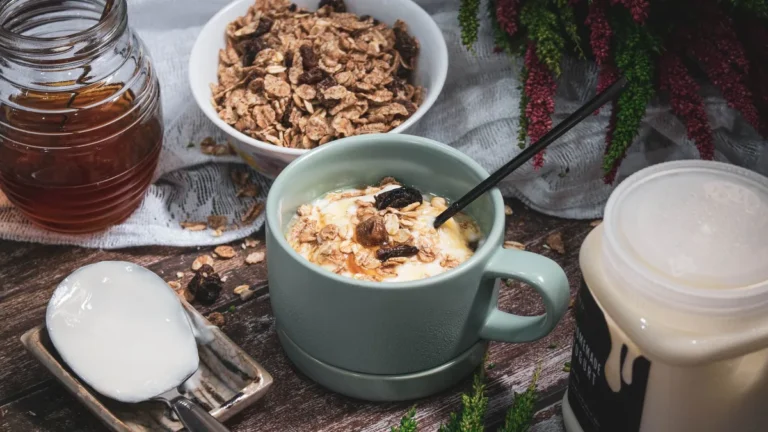
Granola. Homemade granola runs about 490 calories per 100 grams with only about 3g of protein per 100 calories, thanks to the oils and sweeteners baked into it. A sprinkle on yogurt is fine; a bowl of it is a dessert in disguise.
Budget Picks: Cost per 20g of Protein
Lean protein does not have to be expensive protein. The figures below use typical US supermarket prices at the time of writing and are approximate, since prices vary by store, region and week. The broad price levels are in line with the U.S. Bureau of Labor Statistics Average Price Data series, which tracks staple foods such as eggs, chicken, milk and beans.
| Food | Typical price | Approx. cost per 20g protein |
|---|---|---|
| Dried lentils | $1.20 per lb | About $0.20 |
| Dried black beans | $1.30 per lb | About $0.30 |
| Eggs | $2.30 per dozen | About $0.60 |
| Milk (skim costs about the same) | $4.00 per gallon | About $0.60 |
| Canned tuna | $1.00 per can | About $0.70 |
| Chicken breast | $4.15 per lb | About $0.80 |
| Greek yogurt (large tub) | $4.00 per 32 oz | About $0.90 |
Dried lentils win by a wide margin and need no soaking, so they are cheap in time as well as money. Peanut butter is the one cheaper source missing from this table on purpose: at about $0.45 per 20g of protein it is a bargain per gram, but at 4g of protein per 100 calories it does not belong on a low calorie list. Frozen fish, frozen shrimp and store brands narrow the gap on the seafood end, and egg prices swing the most month to month.
A Sample Day Built From the Top of the List
Here is what a day built from the top of the ranked list looks like, with the math shown. Portions use the same numbers as the table above.
Breakfast: yogurt and oats bowl (26g protein, about 297 calories). One 170g tub of plain 0% Greek yogurt (17g, about 100 calories) stirred with half a cup of dry oats (5g, about 155 calories) and half a cup of skim milk (4g, about 42 calories). 17 + 5 + 4 = 26g. Our guide to healthy breakfast ideas has more morning builds in the same style.
Lunch: turkey sandwich (42g protein, about 332 calories). Four ounces of cooked turkey breast (34g, about 166 calories) on two slices of whole wheat bread (8g, about 166 calories), with salad vegetables. 34 + 8 = 42g.
Snack: cottage cheese cup (14g protein, about 81 calories). Half a cup of low fat cottage cheese, plain or with cucumber and black pepper.
Dinner: shrimp, quinoa and black bean bowl (45g protein, about 455 calories). Cooked shrimp, 120g (29g, about 119 calories), with one cup of cooked quinoa (8g, about 222 calories) and half a cup of black beans (8g, about 114 calories). 29 + 8 + 8 = 45g.
Day total: 26 + 42 + 14 + 45 = 127g of protein, and 297 + 332 + 81 + 455 = about 1,165 calories.
Treat this day as a demonstration of the math, not a target to copy. Most adults need well above this to stay healthy. It is deliberately light, because it is built almost entirely from the leanest foods on the list. Most people will and should add vegetables, fruit, cooking oils and larger portions of grains to reach their own calorie needs.
5 Quick Meals Under 300 Calories
The sample day shows a whole day of math. These five single meals, each built from the ranked list, show the same trick in one plate. Every one stays under 300 calories, and most take under ten minutes.
1. Tuna and yogurt lettuce wraps (about 31g protein, about 165 calories). Mix 85g of drained canned tuna (21g, 99 calories) with 100g of plain 0% Greek yogurt (10g, 59 calories), lemon and black pepper, and spoon it into large lettuce leaves with cucumber. It eats like a tuna mayo wrap, with yogurt doing the mayo’s job.
2. Egg white and veggie scramble (about 23g protein, about 165 calories). Scramble 150g of egg whites (17g, 78 calories) with one whole egg (6g, 72 calories), a handful of spinach and chopped peppers. The one yolk keeps the color and taste of a real scramble.
3. Shrimp stir fry (about 33g protein, about 170 calories). Stir fry 120g of cooked shrimp (29g, 119 calories) with 150g of broccoli and mixed vegetables (about 4g, 50 calories), garlic and a splash of soy sauce. Use cooking spray, or add about 40 calories per teaspoon of oil.
4. Greek yogurt berry bowl (about 18g protein, about 150 calories). One 170g tub of plain 0% Greek yogurt (17g, 100 calories) with 100g of fresh or frozen berries (about 1g, 50 calories).
5. Cottage cheese plate (about 18g protein, about 120 calories). 150g of low fat cottage cheese (18g, 108 calories) with cucumber, tomato and black pepper. Plain, cold and filling, with no cooking at all.
How to Eat More Protein Without Eating More Calories
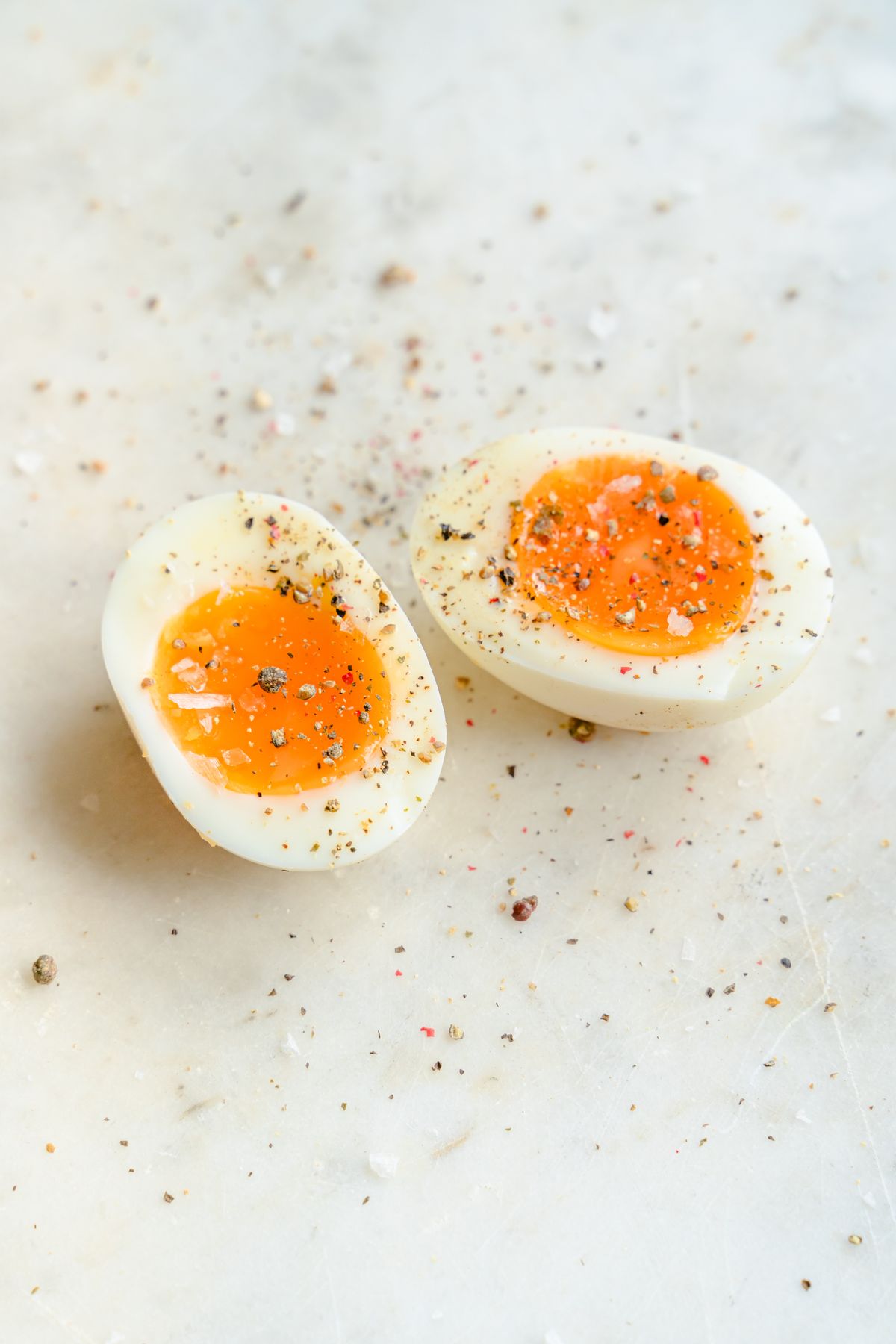
You rarely need new foods to fix a protein shortfall. The same meals, rebuilt with leaner versions of the same ingredients, usually do it.
- Ground beef, 90% lean to 95% lean: 217 down to 193 calories per 100g, and protein rises from 26g to 29g. Same burgers, same tacos.
- Ground turkey, 93% lean to 99% lean: 203 down to 151 calories per 100g, with protein up from 27g to 32g. The leanest grind is the single biggest swap on this page.
- Chicken thigh to chicken breast: skinless thigh gives 14g of protein per 100 calories against the breast’s 19g. Keep thighs for flavor days, breast for deficit days.
- Whole eggs to eggs plus whites: one whole egg with two extra whites keeps the taste and color of eggs while moving the dish toward the whites’ 21g per 100 calories.
- Whole milk to skim milk: 61 down to 34 calories per 100g, with the protein per cup almost unchanged.
- Mayonnaise to Greek yogurt in tuna or egg salad: plain 0% Greek yogurt gives the same creamy base at 17g of protein per 100 calories, where mayonnaise gives almost none.
- Salmon to white fish on tight days: cod or tilapia roughly double salmon’s protein per calorie. Keep the salmon once or twice a week for its omega-3 fats.
- Cheese as a topping, not a filling: grate an ounce over a cottage cheese or yogurt based dish instead of building the meal around cheese itself.
The Grocery List
A short list of cheap, available foods that need little or no cooking covers almost this entire article. Build your weekly shop around it:
Anchor proteins: chicken breast, turkey breast, 99% lean ground turkey, eggs plus liquid egg whites, canned tuna in water, frozen white fish, frozen shrimp, frozen edamame.
Dairy case: plain 0% Greek yogurt in large tubs, skyr, low fat cottage cheese, skim milk.
Plant proteins: firm tofu, tempeh, dried red lentils, canned black beans and kidney beans, unsweetened soy milk.
Helpers: oats, quinoa, whole wheat bread, green peas (frozen), nutritional yeast for sprinkling over pasta, eggs and tofu scrambles.
Buy the frozen versions of fish, shrimp, edamame and peas whenever fresh prices sting. Nutritionally they sit in the same place on the ranked list, and they wait in the freezer instead of pressuring you to cook tonight.
A Note on Kidney Disease and Protein
One caution belongs in any guide that encourages people to eat more protein. People who have kidney disease are often advised to limit protein, and their right amount is a personal medical decision, not a number from a website. If you have kidney disease, or any condition that affects your diet, talk to your doctor or dietitian before raising your intake. For healthy adults, the protein ranges discussed in this guide are generally considered safe, and the foods themselves are ordinary supermarket foods.
Frequently Asked Questions
What food has the most protein with the fewest calories?
Shrimp tops this ranking, at about 24g of protein per 100 calories. Tuna steak and canned tuna follow at about 22g, then egg whites at about 21g. In practice, any food in the top half of the ranked list will serve you well; the winner matters less than using these foods as your regular anchors.
What is considered a good high-protein, low-calorie food?
A practical rule of thumb is 15g of protein or more per 100 calories. Chicken breast, turkey breast, white fish, shellfish, egg whites, plain nonfat Greek yogurt, cottage cheese and seitan all clear that bar. Foods between 10 and 14g per 100 calories, like bison, skinless chicken thigh and tofu, are still solid everyday choices.
How do I eat more protein without eating more calories?
Swap within the foods you already eat. Choose 95% lean ground beef over 90%, 99% lean ground turkey over 93%, chicken breast over thigh, skim milk over whole milk, and add egg whites to whole eggs. Replace mayonnaise with plain Greek yogurt in tuna salad. Each swap keeps the meal familiar while moving protein up and calories down.
How much protein do I need per day?
The official Recommended Dietary Allowance for adults is 0.8 grams per kilogram of body weight per day, which is a minimum to prevent deficiency rather than an optimum. That works out to 56g for a 70 kg (154 lb) adult. Many experts suggest 1.2 to 1.6 grams per kilogram for active adults and people who are eating in a calorie deficit, which is 84 to 112g for the same adult.
Are protein bars good for weight loss?
They can fit, but they are not special. Many bars give about 10g of protein for 180 to 220 calories, which is roughly 5g of protein per 100 calories, far below the top foods in this guide. If a bar’s label shows 15g or more of protein for around 200 calories or fewer, it is a reasonable convenience snack. Whole foods from the top of the ranked list beat bars on both protein and price.
What are some high-protein, low-calorie snacks?
A tub of plain 0% Greek yogurt or skyr (17 to 19g), half a cup of low fat cottage cheese (14g), two hard-boiled eggs (about 13g), a cup of edamame (17g), a can or pouch of tuna (about 18 to 30g depending on size), or a handful of cooked shrimp with lemon. All of them beat the typical snack aisle options on protein per calorie.
Which foods look high in protein but are not low in calories?
Nuts and nut butters (about 2 to 5g of protein per 100 calories), hard cheeses (about 6 to 9g), granola (about 3g), and most protein bars (about 5g). Salmon also surprises people at 11g per 100 calories, though its omega-3 fats make it worth keeping. The full breakdown is in the Foods That Look Lean but Are Not section above.
How can I get 20g of protein in about 100 calories?
Only the very top of the ranking can do it almost alone. About 85g of drained canned tuna gives roughly 21g of protein for about 99 calories. A combination works too: 60g of cooked shrimp (about 14g, 59 calories) plus 80g of egg whites (about 9g, 42 calories) lands at about 23g of protein for about 101 calories.
Is it safe to eat high protein on a low-calorie diet?
For healthy adults, eating toward the higher end of the common protein ranges while in a modest calorie deficit is generally considered safe, and protein rich meals can help you feel full between meals. Calories still rule: no protein food causes weight loss on its own. Very low calorie diets are a medical matter and belong under professional guidance, and anyone with kidney disease should get personal advice before raising protein, as the kidney note above explains.
Can vegetarians and vegans eat high protein without many calories?
Yes, though the ceiling is lower than with seafood and egg whites. Seitan reaches 17g of protein per 100 calories, firm tofu 12g and tempeh 10g, with edamame, lentils and beans behind them. Vegetarians also get Greek yogurt, skyr, cottage cheese and egg whites, which makes the target much easier. Variety across the day covers the amino acids any single plant food is short on.
Conclusion
Getting more protein for fewer calories is mostly a ranking problem, and now you have the ranking. Seafood, egg whites, lean poultry and nonfat dairy give you the most protein per calorie; lean red meat and tofu hold the middle; beans and lentils trade a lower ratio for low cost and high fiber. Anchor each meal with one food from the top half of the list, use swaps instead of new recipes, and let the budget picks carry the routine weeks.
For more practical eating guides like this one, browse our nutrition and diet guides. Steady habits beat perfect days: a freezer with shrimp and white fish, a fridge with yogurt and eggs, and a pantry with tuna and lentils will do more than any single shopping trip.
Sources
- USDA FoodData Central, protein and calorie values for the foods listed: https://fdc.nal.usda.gov
- USDA MyPlate, protein foods group guidance: https://www.myplate.gov/eat-healthy/protein-foods
- National Academies, Dietary Reference Intakes for Energy, Carbohydrate, Fiber, Fat, Fatty Acids, Cholesterol, Protein, and Amino Acids (protein RDA 0.8 g/kg): https://nap.nationalacademies.org/catalog/10490/dietary-reference-intakes-for-energy-carbohydrate-fiber-fat-fatty-acids-cholesterol-protein-and-amino-acids
- U.S. Bureau of Labor Statistics, Average Price Data, via FRED: chicken breast series https://fred.stlouisfed.org/series/APU0000FF1101 and egg series https://fred.stlouisfed.org/series/APU0000708111
- FDA, Advice About Eating Fish (mercury guidance): https://www.fda.gov/food/consumers/advice-about-eating-fish
Disclaimer: This article is for general information only and is not medical advice. If you have kidney disease or another condition that affects your diet, please talk to a healthcare professional about your personal protein needs.

One Comment