
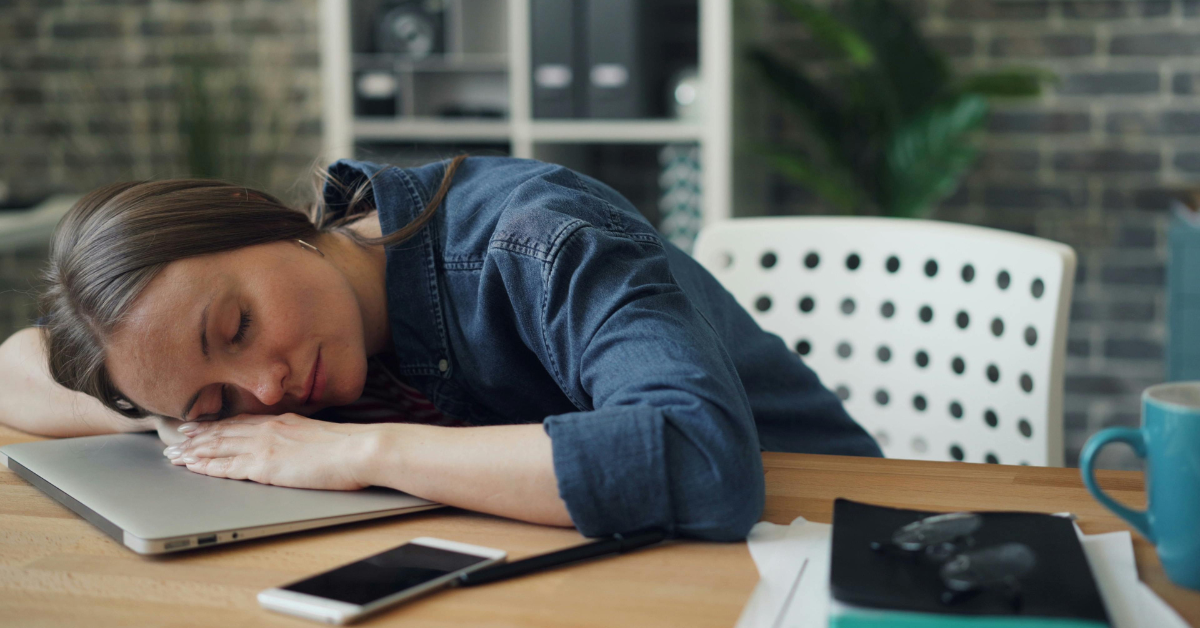
Understanding one framework 6 ways technology affects your sleep health helps you rest better at night. Screens, devices, and digital habits mess with natural sleep patterns significantly. Modern gadgets emit blue light tricking your brain into staying awake longer.
Most people scroll phones right before bed without realizing the damage. Sleep quality tanks when technology invades bedroom spaces constantly. Recognizing these six key impacts helps you make smarter choices.
Blue Light Disrupts Melatonin Production

Screens blast blue light straight into your eyes during evening hours. This wavelength tells your brain it’s still daytime out there. Melatonin production gets blocked when blue light hits your retinas.
Your body needs darkness triggering melatonin for natural sleep cycles. Phones, tablets, and laptops all emit this problematic light spectrum. Even watching TV before bed disrupts your internal clock functioning.
The pineal gland can’t do its job properly under blue light. This tiny brain part controls your sleep-wake cycle rhythm. Suppressed melatonin means tossing and turning for hours frustratingly.
Screen Stimulation Keeps Your Brain Wired
Scrolling social media activates your brain’s reward centers constantly. Each notification, like, or message creates little dopamine hits. Your mind stays alert hunting for the next digital reward.
Exciting content raises stress hormones like cortisol before bedtime. Adrenaline pumps when you read upsetting news or watch videos. This heightened state makes falling asleep nearly impossible naturally.
Mental stimulation from screens prevents the wind-down process needed. Your brain requires a calm transition time between waking and sleeping. Technology destroys this essential buffer period completely now.
Looking for comprehensive wellness strategies beyond tech habits? Health Radar offers expert guidance on improving overall health through lifestyle changes.
Electromagnetic Fields Interfere With Sleep Cycles
Devices generate electromagnetic radiation even when seemingly inactive there. WiFi routers, phones, and smart devices emit EMFs continuously. These invisible fields may disrupt cellular functions during rest.
Research shows EMFs potentially affect brainwave patterns during sleep stages. Deep restorative sleep gets interrupted by constant electromagnetic exposure. Your body struggles achieving truly restful states surrounded by devices.
Charging phones beside your pillow creates concentrated EMF zones. The closer the device, the stronger the exposure becomes. Distance matters when trying to minimize electromagnetic interference nightly.
Some folks report better sleep moving devices farther away. While research continues, reducing bedroom EMF exposure seems sensible. Simple changes like airplane mode help minimize nighttime radiation.
Sleep Tracking Apps Create Performance Anxiety
one framework 6 ways technology affects your sleep health Obsessing over sleep data generates stress counterproductive to rest. Apps track every movement, breath, and cycle throughout the night. Morning reports sometimes trigger anxiety about “poor” sleep quality.
The pressure to achieve perfect sleep scores backfires badly often. You lie awake worrying whether you’ll hit target metrics. This performance anxiety creates the very problem you’re trying to solve.
Natural sleep variations happen and that’s completely normal always. Some nights will be lighter or more restless naturally. Apps make you hyperaware of normal fluctuations causing unnecessary stress.
Checking sleep stats first thing creates morning anxiety immediately. Starting your day focused on “bad sleep” sets a negative tone. Sometimes ignorance about exact sleep metrics brings better rest.
Late Night Email and Work Messages
Work notifications bleeding into evening hours destroys boundaries needed. Your brain can’t shift into rest mode checking emails. Each work message triggers stress responses interfering with relaxation.one framework 6 ways technology affects your sleep health The expectation of constant availability keeps minds racing nightly.
You worry about tomorrow’s tasks instead of unwinding properly. Professional concerns invade personal recovery time destroying balance completely.
Blue light from work devices compounds the problem significantly there. Typing responses activates problem-solving brain regions counterproductive to sleep. Mental engagement with work content prevents necessary decompression happening.
Setting firm technology cutoff times protects sleep quality substantially. Establishing boundaries around work communications helps immensely always. Your brain deserves separation between productivity and rest periods.
For more insights on balancing modern lifestyle demands with wellness, explore Health Radar’s resources covering stress management and healthy boundaries.
Gaming and Entertainment Overstimulation
Video games spike adrenaline and cortisol levels dramatically before bed. Competitive gaming especially floods your system with stress hormones. The excitement makes calming down afterward extremely difficult.
Bright flashing screens during intense gaming sessions overstimulate vision. Your eyes and brain work overtime processing rapid visual changes. This sensory overload prevents the gentle wind-down needed nightly.
Immersive storylines and challenges keep your mind actively engaged. Plot twists and mission objectives occupy mental space for hours. Even after stopping, your brain continues processing game scenarios.
Binge-watching shows creates similar overstimulation problems affecting rest. Cliffhangers and suspense keep you wanting just one more episode. Before you know it, midnight has passed and you’re exhausted.
Social Media FOMO and Comparison
Scrolling Instagram or TikTok before bed triggers comparison anxiety. Seeing others’ highlight reels makes you question your life. These negative emotions raise stress levels counterproductive to sleep.
Fear of missing out keeps you scrolling endlessly chasing. You worry about missing important updates or social events. This anxiety prevents your mind from settling peacefully down.
Negative news and upsetting content floods social media constantly. Your brain processes disturbing information right before attempting sleep. Emotional reactions to content linger disrupting rest significantly always.
Arguments in comment sections spike stress hormones immediately there. Even passive scrolling affects mood and stress levels measurably. The emotional toll of social media sabotages quality rest.
FAQs
How many hours before bed should I stop using screens?
Experts recommend stopping screen use 1-2 hours before bedtime ideally. This gives your brain time producing melatonin naturally needed. Even 30 minutes helps if longer breaks aren’t possible.
Do blue light glasses actually help sleep better?
Blue light blocking glasses may help some people by filtering wavelengths. Research shows mixed results about their effectiveness overall though. They’re worth trying but don’t replace reducing screen time.
Can I use my phone as an alarm clock?
Using phones as alarms means keeping devices near your bed. Better alternatives include traditional alarm clocks placed across rooms. This prevents scrolling if you wake during night randomly.
Is reading on tablets before bed harmful too?
E-readers emitting light disrupt sleep similarly to phones and tablets. Paper books remain the best bedtime reading option available. If using devices, enable night mode and reduce brightness.
Does listening to podcasts affect sleep quality negatively?
Audio content without screens proves less disruptive than visual media. However, engaging content may still keep your mind active. Relaxing podcasts work better than exciting or stressful topics.
According to National Sleep Foundation research, 90% of Americans use electronic devices within an hour of bedtime, significantly impacting sleep quality and duration.
One framework 6 ways technology affects your sleep health reveals how digital habits sabotage rest quality. Blue light disruption, mental stimulation, electromagnetic fields, tracking anxiety, work intrusion, and social media stress all compound problems. Recognizing these impacts helps you create healthier boundaries around technology use, especially during evening hours when your body needs winding down naturally for restorative sleep.
