
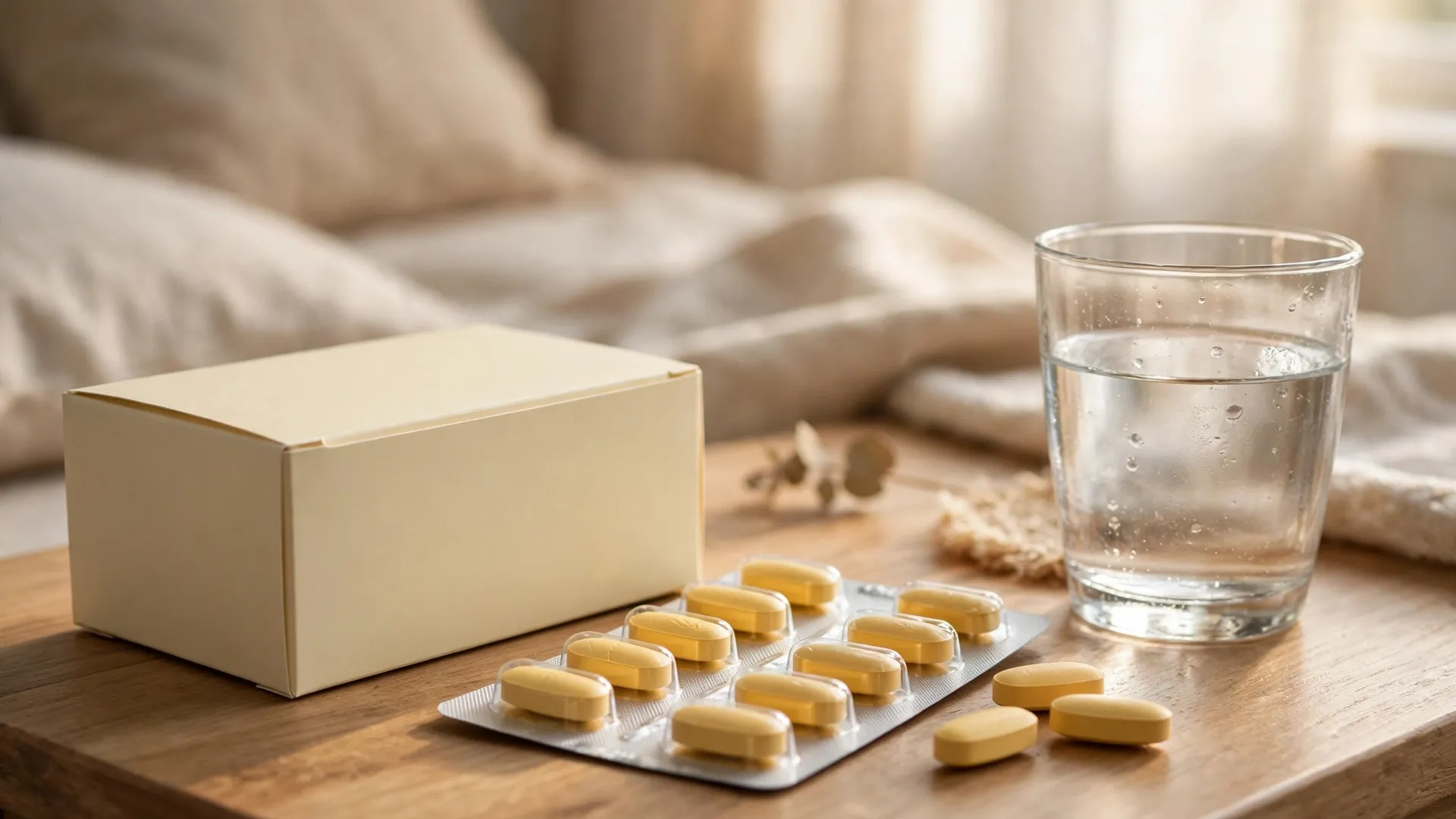
Protonix (Pantoprazole): Uses, Side Effects, and What to Know Before Taking It
Protonix is the brand name for pantoprazole, a prescription medicine that lowers the amount of acid your stomach makes. Doctors prescribe it most often for gastroesophageal reflux disease, known as GERD, and for healing damage to the esophagus caused by acid. It belongs to a group of medicines called proton pump inhibitors, or PPIs, and its effects are similar to other PPIs. It does not work instantly: it usually takes a few days to reach its full effect, and it is not a fast fix for sudden heartburn.
The most common side effects are headache, diarrhea, nausea, stomach pain, gas, dizziness, and joint pain. Most are mild, but the medicine can also cause rare, serious problems, including kidney trouble, severe diarrhea from a gut infection, serious skin reactions, and bone loss with long term use. This guide explains what it is used for, how it works, the side effects by the numbers, who should be careful, and when to call a doctor. For the plain language drug summary, see the MedlinePlus guide to pantoprazole.
Protonix is a prescription medicine, so the dose, the form, and how long you take it are all decided by your doctor. This article gives general information only and does not replace your doctor or pharmacist.
Contents
- What Is Protonix?
- How Does Protonix Work?
- What Is Protonix Used For?
- Protonix vs Other PPIs: How Does It Compare?
- How Long Does Protonix Take to Work?
- What Are the Common Side Effects of Protonix?
- What Are the Serious Side Effects of Protonix?
- What Are the Long-Term Risks of Taking Protonix?
- Who Should Be Careful With Protonix?
- What Should You Do If You Miss a Dose of Protonix?
- Everyday Habits That Help GERD Alongside Protonix
- Frequently Asked Questions About Protonix
What Is Protonix?
Protonix is the brand name for the medicine pantoprazole sodium. Pantoprazole is the active ingredient, and Protonix is the name under which it was first sold. Generic pantoprazole is now widely available and works the same way.
It comes as delayed-release tablets and as delayed-release granules that you mix and swallow. Delayed release means the medicine is protected from stomach acid and released in the intestine, where it can be absorbed. The tablets must be swallowed whole, never split, chewed, or crushed. The granules are taken 30 minutes before a meal, sprinkled onto a spoonful of applesauce or stirred into apple juice, and swallowed right away without chewing.
It is a proton pump inhibitor, or PPI. PPIs are the strongest acid reducing medicines available, and they are used worldwide for acid related conditions. Pantoprazole is one of several PPIs, alongside omeprazole, esomeprazole, and lansoprazole, and its effectiveness is similar to theirs.
How Does Protonix Work?
Your stomach makes acid with the help of tiny pumps in the stomach lining, called proton pumps. These pumps push acid into the stomach, where it helps digest food. When they make too much acid, or acid escapes upward into the esophagus, it causes heartburn, pain, and damage.
It works by blocking the final step of acid production. Pantoprazole binds to the proton pump enzyme, known as the (H+, K+)-ATPase system, on the surface of the acid making cells, and switches it off. With the pumps blocked, the stomach makes far less acid, which gives the esophagus and stomach lining time to heal and eases the burning and pain of reflux.
The effect builds over days, not minutes, because the medicine blocks only pumps that are active at the time you take it, and new pumps keep forming. That is why doctors tell people to keep taking it even when they start to feel better, and why it is not the right choice for instant heartburn relief. Fast acting antacids work in minutes for that, while Protonix works over days for lasting control.
What Is Protonix Used For?
It is prescribed for conditions where the stomach makes too much acid. The main uses, listed in the FDA-approved label, are:
GERD and erosive esophagitis. This is the most common use. In GERD, stomach acid flows back into the esophagus, the tube between the mouth and the stomach, and over time that acid can erode its lining, a condition called erosive esophagitis. The medicine is used for short term treatment of this damage in adults and in children aged five and older, and as maintenance treatment to keep the healing in place once symptoms improve.
Conditions with too much stomach acid. It is also used for Zollinger-Ellison syndrome, a rare condition in which the stomach makes far too much acid, and it is used long term for this condition, under a doctor’s care.
Stomach ulcers and H. pylori. Pantoprazole may be used to treat stomach ulcers, and it is sometimes used with antibiotics to clear Helicobacter pylori, the bacterium behind many stomach ulcers. Your doctor decides whether it fits your condition.
What Protonix is not for. It does not treat the occasional heartburn after a spicy meal, and it does not work as a quick antacid. It is also not a treatment for the underlying causes of reflux, such as a weak valve between the stomach and esophagus, so symptoms can return if the medicine is stopped. Our guide to GERD explains the condition itself, and our acid reflux guide covers its symptoms and relief options.
Protonix vs Other PPIs: How Does It Compare?
All proton pump inhibitors work the same way: they block the proton pump and lower stomach acid. Their effectiveness is similar, and doctors usually choose between them based on your other medicines, your insurance or cost, and how your body responds.
| Medicine | Brand name | Active ingredient | Main difference |
|---|---|---|---|
| Pantoprazole | Protonix | Pantoprazole sodium | Available as tablets and granules; often chosen when a granule form is needed |
| Omeprazole | Prilosec | Omeprazole | The oldest PPI, widely available, including in low dose over the counter forms in some countries |
| Esomeprazole | Nexium | Esomeprazole | Closely related to omeprazole; sometimes used when omeprazole does not help enough |
| Lansoprazole | Prevacid | Lansoprazole | Similar effectiveness; also available in a form that dissolves on the tongue |
The practical points are the same for all of them: they take days to reach full effect, and they share the same general side effect profile. Switching from one PPI to another is common, and it is a decision for your doctor, not something to do on your own. If one PPI does not control your symptoms, tell your doctor rather than doubling a dose or adding another acid medicine yourself.
How Long Does Protonix Take to Work?
This is one of the most common questions about the medicine, and the answer surprises many people. It usually takes a few days to fully work. Some people feel better within the first day or two, but the full acid reducing effect builds over several days of regular use.
Healing takes longer. Erosive esophagitis, the acid damage to the esophagus, heals over weeks, not days. That is why a course is usually measured in weeks, and why stopping early can let symptoms come back before healing is complete. Maintenance treatment, where it is used, continues after the first healing course to keep the esophagus healed.
A useful timeline looks like this: acid levels fall in the first few days, and heartburn often starts to ease. Symptoms usually improve clearly within one to two weeks. The usual short term course for healing erosive esophagitis is four to eight weeks, as decided by your doctor, and after that your doctor reviews whether you still need it, at what dose, and for how long.
If your symptoms do not improve, or they get worse, call your doctor. Do not keep taking it longer than prescribed without a review, and do not stop it suddenly without talking to your doctor first, because symptoms can return.
What Are the Common Side Effects of Protonix?
Most people who take it have no side effects at all, or only mild ones. The most common side effects, with the rates reported in the FDA-approved label, are:
| Side effect | How often it was reported |
|---|---|
| Headache | About 12 in 100 people |
| Diarrhea | About 9 in 100 people |
| Nausea | About 7 in 100 people |
| Stomach pain | About 6 in 100 people |
| Gas | About 4 in 100 people |
| Vomiting | About 4 in 100 people |
| Dizziness | About 3 in 100 people |
| Joint pain | About 3 in 100 people |
Other common effects include rash, and in children aged 5 to 17, cold symptoms or fever and rash. Most of these effects are mild and fade on their own. Tell your doctor if any of them bother you or do not go away.

What Are the Serious Side Effects of Protonix?
Serious side effects are uncommon, but they matter, and knowing them helps you act fast. The FDA-approved Protonix label, updated May 18, 2026, lists these as the most important risks.
Kidney problems. A type of kidney inflammation called acute tubulointerstitial nephritis can happen at any time during treatment. Warning signs include peeing less than usual, blood in the urine, fever, rash, or joint pain. Call your doctor right away if you notice any of these.
Severe diarrhea from C. diff. The medicine lowers stomach acid, and stomach acid normally kills many germs you swallow. With less acid, a bacterium called Clostridioides difficile, or C. diff, can overgrow in the gut, causing watery diarrhea that does not go away, stomach pain, and fever. It needs medical care, so do not try to treat it with an over the counter diarrhea medicine first.
Severe skin reactions. Rarely, it can cause serious skin reactions such as Stevens-Johnson syndrome and toxic epidermal necrolysis, which start with blistering, peeling, or bleeding skin, sores on the lips, mouth, nose, or genitals, swollen glands, and fever or flu-like symptoms. They can be life threatening without treatment, so seek emergency care at once.
Severe allergic reaction. A reaction called DRESS can cause rash, hives, itching, swelling of the eyes, face, lips, mouth, throat, or tongue, and trouble breathing or swallowing. This is an emergency, so call emergency services immediately.
Low magnesium and other mineral problems. Long term PPI use can lower magnesium in the blood, with signs such as irregular, fast, or pounding heartbeat, muscle spasms, uncontrollable shaking, excessive tiredness, lightheadedness, dizziness, or seizures. Low magnesium can also lower calcium and potassium, so your doctor may order blood tests during long term treatment.
Bone loss and fractures. It may cause bone loss and raise the risk of fractures of the wrist, hip, or spine. The risk is highest in people who take high doses or who take a PPI for one year or longer. Your doctor may talk about calcium, vitamin D, and bone health if you need long term treatment.
Vitamin B12 deficiency. Less stomach acid means less vitamin B12 is absorbed from food. Over a long period, that can lead to low B12, which can cause tiredness, weakness, and nerve symptoms. Blood tests can check for it.
If you notice any of these, do not wait for your next routine visit. Call your doctor, or seek emergency care for the skin, breathing, and allergy symptoms listed above.
What Are the Long-Term Risks of Taking Protonix?
Most of the serious risks grow with dose and with time. That is the main reason doctors review long term PPI use and aim for the lowest dose that controls symptoms, for the shortest time that is needed.
The long term risks to know are:
- Fractures. People who take a PPI may be more likely to fracture their wrists, hips, or spine, and the risk is highest with high doses or use for one year or longer, according to MedlinePlus.
- Low magnesium. Long term use has been linked to low magnesium, which can affect the heart, muscles, and nerves.
- Low vitamin B12. Reduced acid lowers B12 absorption from food, and deficiency can build slowly over years.
- Fundic gland polyps. These small growths on the stomach lining can appear with long term PPI use. They are usually harmless and found during endoscopy.
- Gut infections. With less stomach acid, the risk of gut infections, including C. diff, is higher.
- Kidney problems. Kidney inflammation can occur at any time, not only after years of use.
There have not been controlled studies of pantoprazole maintenance use past 12 months, so long term use is a decision made with your doctor, based on your condition and your test results. Never stop a long term PPI on your own to avoid these risks, because stopping can bring symptoms back quickly. Talk to your doctor about a review, a lower dose, or a planned stop if that fits your situation.
Who Should Be Careful With Protonix?
Before starting it, tell your doctor and pharmacist about your health history and every medicine, vitamin, and supplement you take. Some medicines need dose changes or extra monitoring when taken with a PPI, and nonprescription and herbal products can interact too. MedlinePlus specifically notes that iron supplements may interact with pantoprazole.
Be sure to mention low levels of magnesium, calcium, or potassium in your blood, low vitamin B12, osteoporosis, hypoparathyroidism (a condition in which the body does not make enough parathyroid hormone), an autoimmune disease such as systemic lupus erythematosus, or liver problems.
Also tell your doctor if you are pregnant, plan to become pregnant, or are breastfeeding, and if you are 65 or older, since older adults may need a review of how long they take it. Keep all appointments with your doctor and the laboratory, because your doctor may order blood tests before and during treatment. Before any lab test, tell the staff that you are taking it, since it can affect some test results.
Keep a written list of all the prescription and nonprescription medicines, vitamins, minerals, and dietary supplements you take, and bring it to every doctor visit and hospital admission. It is a small habit that prevents most interaction problems.
What Should You Do If You Miss a Dose of Protonix?
Missed doses happen, and the rule is simple. Take the missed dose as soon as you remember it. If it is almost time for your next dose, skip the missed dose and continue your regular schedule. Do not take a double dose to make up for a missed one.
A few other practical points from the MedlinePlus guide:
- Swallow the tablets whole, with or without food. Do not split, chew, or crush them.
- Take the granules 30 minutes before a meal, sprinkled on applesauce or mixed into apple juice, and swallow right away without chewing the granules.
- Keep taking it even if you feel well, and do not stop without talking to your doctor.
- Store it at room temperature, in its container, tightly closed, away from heat and moisture, and out of reach of children.
- Never share your medicine with anyone else, and ask your pharmacist about take-back programs for unused medicine.
If you take too much, or you think someone else has taken it, call the poison control helpline at 1-800-222-1222 in the United States. If the person has collapsed, had a seizure, has trouble breathing, or cannot be awakened, call emergency services at 911 at once.
Everyday Habits That Help GERD Alongside Protonix
The medicine lowers acid, but daily habits decide how often acid reaches the esophagus in the first place. Most drug guides skip this part, yet it is where many people get the biggest extra relief. These habits do not replace the medicine, but they work alongside it.
- Eat smaller meals. Large meals raise pressure in the stomach and push acid upward, so smaller, more frequent meals are easier on the valve between the stomach and esophagus.
- Do not lie down after eating. Stay upright for two to three hours after a meal, so gravity keeps acid where it belongs.
- Raise the head of the bed. Sleeping with the head raised by six to eight inches can reduce night time reflux. Extra pillows are less effective than raising the bed itself.
- Know your triggers. Common triggers include fatty foods, spicy foods, citrus, tomato sauces, chocolate, mint, coffee, and alcohol. Notice which ones affect you.
- Eat slowly and chew well. Eating fast and swallowing air adds pressure and discomfort.
- Keep a healthy weight. Extra weight around the waist raises pressure on the stomach and worsens reflux.
- Avoid smoking. Smoking weakens the valve between the stomach and esophagus and raises acid production.
- Wear loose clothing around the waist. Tight belts and waistbands squeeze the stomach and push acid upward.
If these habits plus the medicine still do not control your symptoms, or if you have trouble swallowing, weight loss, vomiting, or black stools, tell your doctor promptly. Those symptoms need a closer look.

Frequently Asked Questions About Protonix
Is Protonix the same as pantoprazole?
Yes. Protonix is the brand name, and pantoprazole is the active ingredient. Generic pantoprazole works the same way, and it is the same medicine under a different name. The brand name is used on the label and in most drug guides, which is why you see both names.
Does Protonix help heartburn right away?
No. It usually takes a few days to reach its full effect, so it is not a fast fix for sudden heartburn. Antacids work in minutes for quick relief, while Protonix works over days for lasting control. If you need instant relief, ask your doctor or pharmacist what to use alongside it.
Can I take Protonix long term?
It depends on your condition. Some people, such as those with Zollinger-Ellison syndrome, take it long term under a doctor’s care. For most people with GERD, doctors review long term use and aim for the lowest dose that controls symptoms, for the shortest time needed. There have been no controlled studies of maintenance use past 12 months, so it is a decision you make with your doctor, with blood tests and reviews along the way.
What happens if I stop Protonix suddenly?
Do not stop without talking to your doctor. Your symptoms may return, and acid levels can rebound for a while after stopping. Your doctor may suggest tapering the dose, switching to a lower dose, or using another medicine for a time. A planned stop is safer than a sudden one.
Can I drink alcohol while taking Protonix?
MedlinePlus does not list a direct interaction between alcohol and pantoprazole, and it advises continuing your normal diet unless your doctor says otherwise. Still, alcohol can worsen GERD symptoms and irritate the stomach lining, so ask your doctor what fits your situation.
Does Protonix interact with other medicines?
Yes, it can. Some medicines should not be taken with pantoprazole, and others may need dose changes or extra monitoring. MedlinePlus notes that iron supplements may interact. Tell your doctor and pharmacist about every prescription, over the counter medicine, vitamin, and supplement you take, and check with them before starting, stopping, or changing any medicine while on it.
Conclusion
Protonix is a well studied proton pump inhibitor that lowers stomach acid to treat GERD, heal erosive esophagitis, and control conditions where the stomach makes too much acid. Its common side effects are usually mild, with headache and diarrhea the most often reported, while its serious risks, including kidney problems, severe diarrhea, skin reactions, bone loss, and low magnesium, are rare but real, and they grow with dose and time. If you take it, take it exactly as directed, keep your doctor’s reviews and blood tests, and call promptly if you notice warning signs. To learn more about the condition it treats, read our guides to GERD and acid reflux, or visit our general health section.
This article is general health information only, not medical advice. Protonix is a prescription medicine, and its dose and duration are decided by your doctor. If you have an ongoing health concern, talk to a healthcare professional.