
Adaptive Immunity Explained: How Your Body Learns to Fight Disease
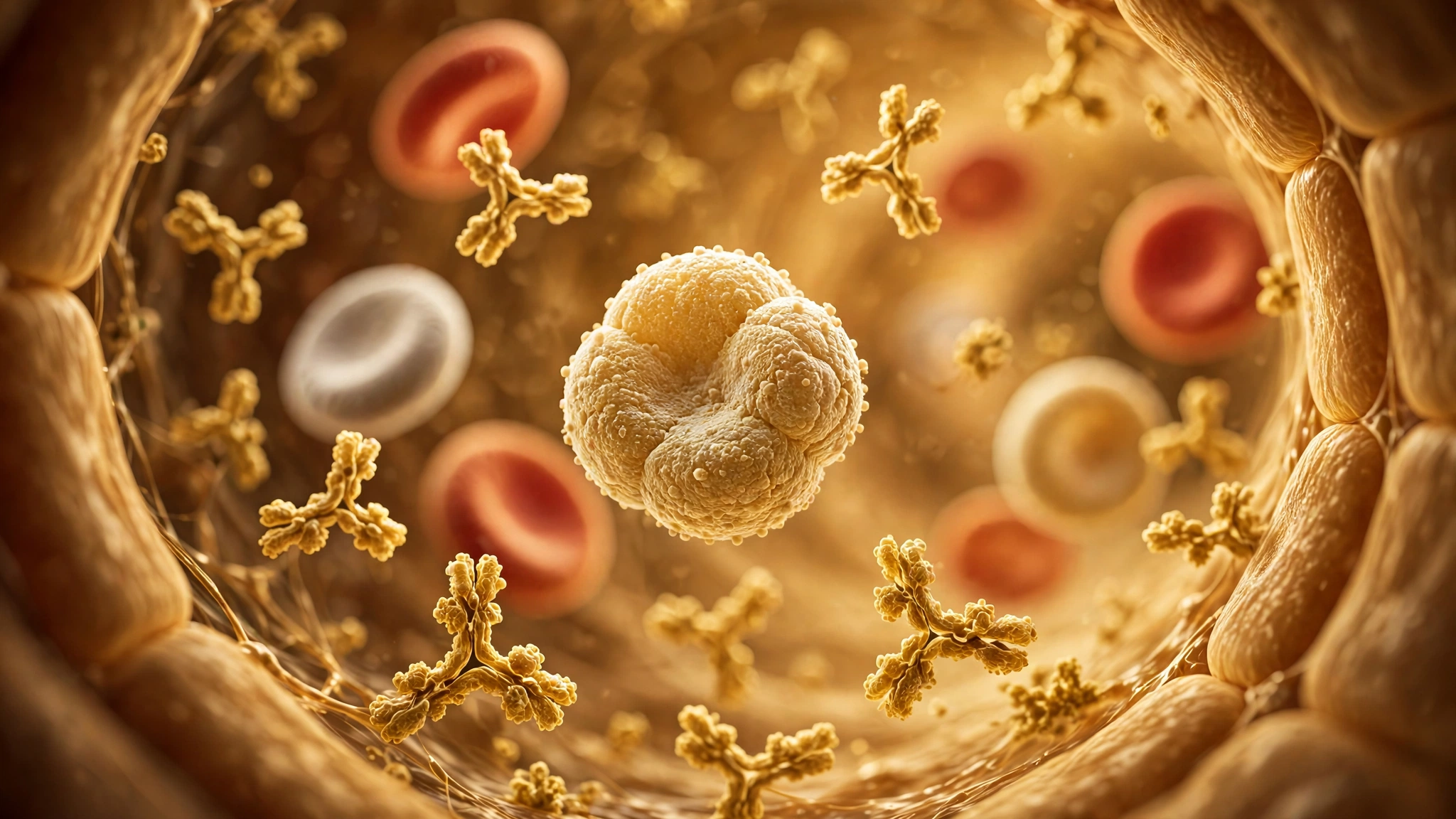
The first time your body meets a new germ, it fights back slowly and clumsily. The second time, it strikes faster and harder. That improvement is no accident. It is the work of adaptive immunity, the part of your immune system that learns, remembers, and targets specific invaders with remarkable precision.
Adaptive immunity is also called acquired or specific immunity. Unlike the fast, general defenses you are born with, it develops over your lifetime and custom-builds its response to each new threat. The National Institute of Allergy and Infectious Diseases explains that adaptive immune cells, the B cells and T cells behind this system, mount responses to specific microbes based on previous encounters.
This guide explains how that learning system works, step by step. You will meet its two branches, see how immune memory forms, and learn why vaccines protect you so well.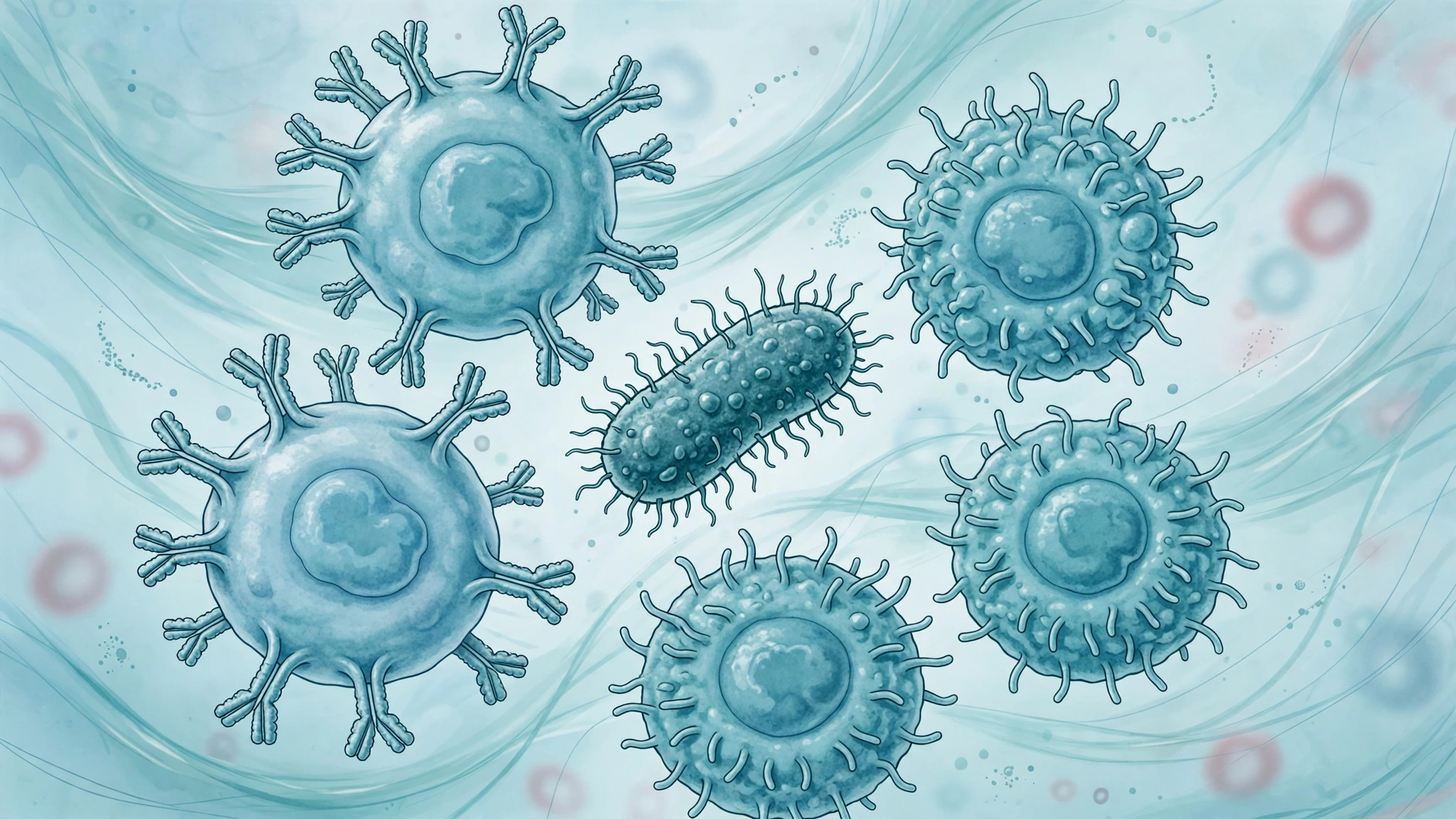
Contents
- What it is
- The two branches
- How it works, step by step
- Primary vs secondary response
- Immune memory and vaccination
- Adaptive vs innate immunity
- How to support it
- When it goes wrong
- Frequently asked questions
- The bottom line
What Is Adaptive Immunity?
Adaptive immunity is the antigen-specific branch of your immune system. It is built around two types of white blood cells called lymphocytes: B cells and T cells. Each lymphocyte carries receptors shaped to recognize one particular molecular pattern, called an antigen, on a pathogen’s surface.
Think of it this way. Your innate immune system is a security guard who tackles anyone acting suspiciously. In contrast, your adaptive system is a detective who learns one specific criminal’s face and never forgets it.
Four properties make this system special:
- Specificity. It targets one particular antigen, not germs in general.
- Memory. It remembers past invaders, so the next response is faster and stronger.
- Self-tolerance. It normally avoids attacking your own body’s cells.
- Diversity. Through gene rearrangement, your body can generate receptors for millions of different antigens it has never seen.
The trade-off for this precision is speed. Innate defenses respond within minutes to hours. However, building an adaptive response from scratch takes days to weeks. That delay is one reason a first infection can make you quite sick, while a second encounter with the same germ barely registers.
The Two Branches of Adaptive Immunity
This defense works through two coordinated branches. Each branch is handled by a different type of lymphocyte. Together, they cover threats floating outside your cells and threats hiding inside them.
Humoral Immunity: The Antibody Branch
Humoral immunity deals with threats floating in your body’s fluids: the blood, lymph, and tissue fluids. It is driven by B cells. When a B cell’s receptor binds a matching antigen, often with help from helper T cells, the B cell activates and transforms into a plasma cell, an antibody factory.
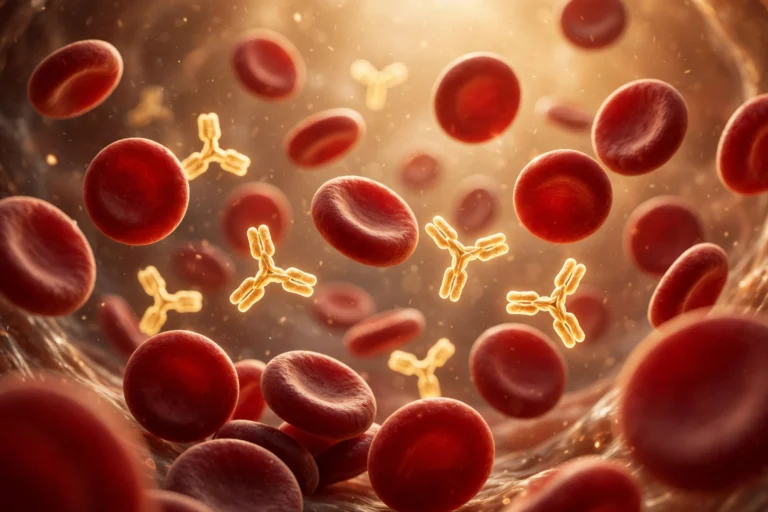
Antibodies, also called immunoglobulins, are Y-shaped proteins that latch onto antigens. They defeat pathogens through several mechanisms:
- Neutralization: blocking a virus or toxin so it cannot infect cells or cause damage.
- Opsonization: coating a pathogen to mark it as food for phagocytic cells.
- Agglutination: clumping pathogens together so they are easier to clear.
- Complement activation: triggering a cascade of proteins that punch holes in pathogen membranes.
During this process, B cells can also fine-tune their aim through somatic hypermutation. Small tweaks to their antibody genes gradually improve how tightly the antibodies grip the antigen. In effect, it is evolution compressed into days, inside your lymph nodes. Our dedicated guide to humoral immunity explains this antibody defense in full.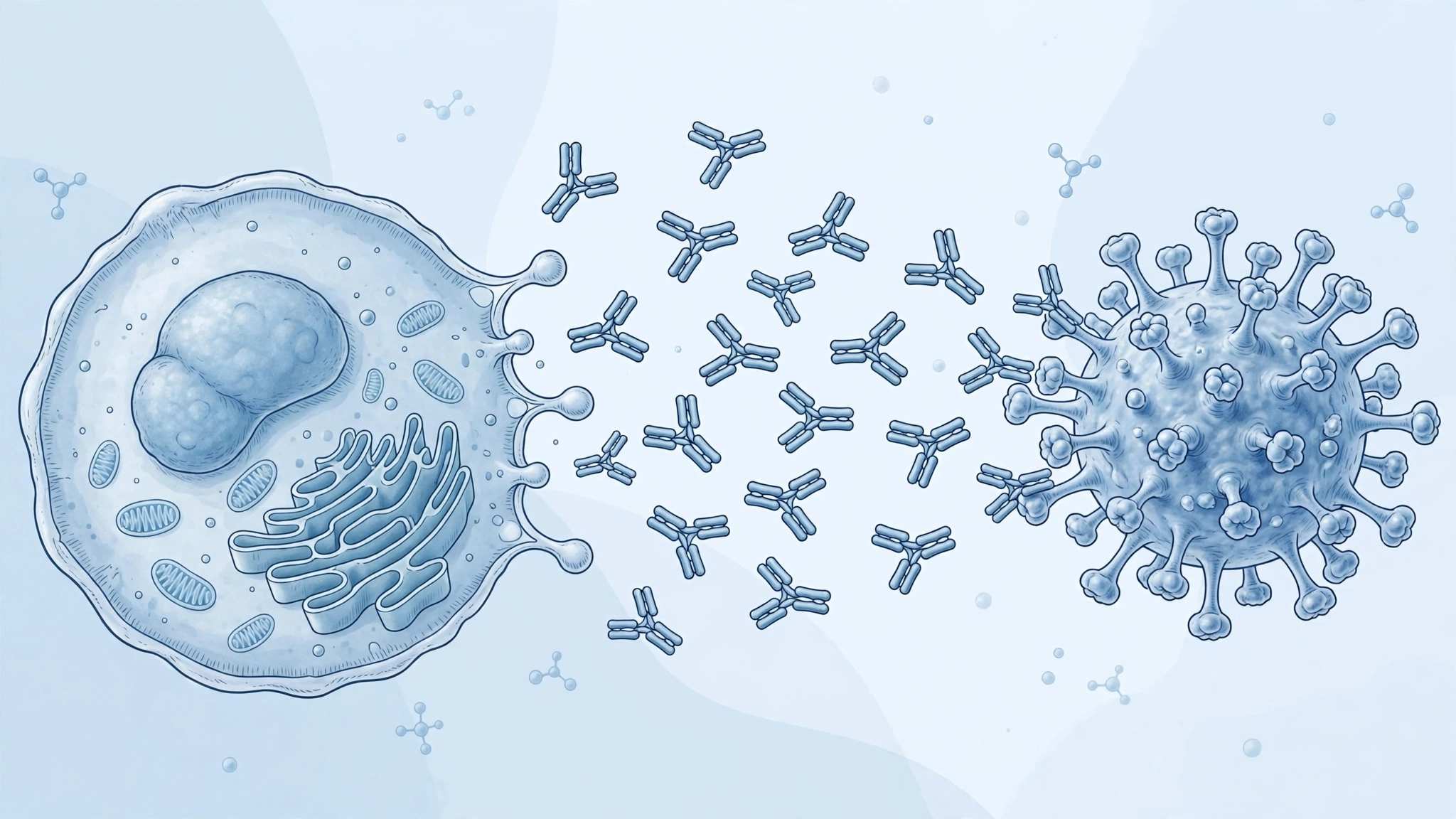
Cell-Mediated Immunity: The T Cell Branch
Some enemies hide where antibodies cannot reach: inside your own cells. Viruses, for example, hijack host cells and replicate within them. That is where T cells come in, providing cell-mediated immunity.
T cells come in two main types:
- Helper T cells (CD4+) are the coordinators. They recognize antigens displayed on antigen-presenting cells and release cytokines, chemical signals that activate B cells, cytotoxic T cells, macrophages, and other defenders. Without helper T cells, the adaptive response barely functions.
- Cytotoxic T cells (CD8+) are the direct attackers. They recognize infected or abnormal cells and destroy them, eliminating the pathogen’s hiding places.
This division of labor is what makes the system so comprehensive. Antibodies handle threats outside cells, while T cells hunt the threats hiding inside them.
How Adaptive Immunity Works, Step by Step
A full response unfolds in a coordinated sequence of four steps.
Step 1: Antigen Recognition
It starts when an antigen, a distinctive molecular fragment of a pathogen, is detected. B cells can bind free-floating antigens directly. T cells, by contrast, can only recognize antigens that other cells have processed and displayed.
Step 2: Antigen Presentation
Specialized antigen-presenting cells, such as dendritic cells and macrophages, chop up captured pathogens. Then they display the fragments on their surface using molecules called MHC proteins:
- MHC class I displays fragments from inside the cell, such as viral proteins, to cytotoxic (CD8+) T cells.
- MHC class II displays fragments from outside the cell, such as captured pathogens, to helper (CD4+) T cells.
This presentation system is how T cells see what is happening inside and around your cells.
Step 3: Clonal Selection
Your body contains an enormous variety of naive lymphocytes, and each one recognizes a different antigen. When one happens to match the invader, it is selected and activated. This is called clonal selection. The matching lymphocyte then proliferates rapidly, producing an army of clones tailored to that one antigen.
Step 4: Effector Cells and Memory Cells
The expanded clones divide into two groups:
- Effector cells are short-lived fighters that clear the current infection. Plasma cells making antibodies and active cytotoxic T cells both belong here.
- Memory cells are long-lived sentinels. They persist for years, sometimes decades, quietly patrolling for the same antigen.
After the infection clears, most effector cells die off. However, the memory cells remain, and that is the whole point.
Primary vs Secondary Response: Why the Second Time Is Easier
The primary response is your body’s first encounter with an antigen, and it is slow. It takes days to weeks to select the right lymphocytes, expand them, and produce enough antibodies or cytotoxic cells to clear the infection. Meanwhile, you feel sick during this lag.
The secondary response is a different story. Because memory cells are already present and pre-tuned to the antigen, they activate almost immediately. In addition, they multiply faster and produce stronger, better-targeted responses. As a result, many infections are cleared before you even notice symptoms. MedlinePlus notes that after an encounter, your immune system remembers the antigen and can quickly send out the right antibodies if it appears again. This is why you typically get chickenpox only once, and why a second exposure to many pathogens feels like nothing at all.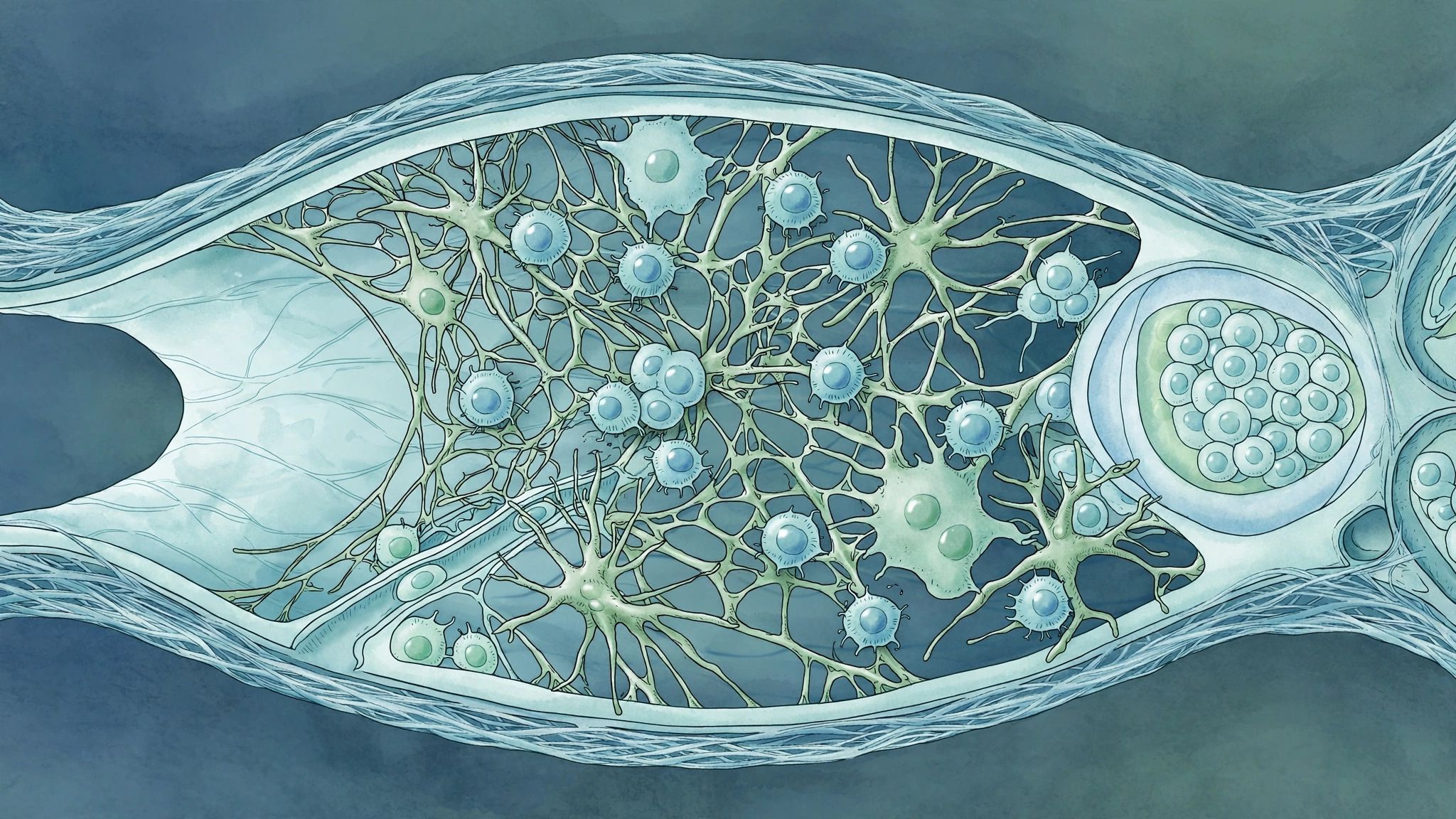
How Immune Memory Powers Vaccination
Vaccination is humanity’s cleverest use of this system. A vaccine delivers a harmless version of an antigen, such as a weakened or inactivated pathogen, a fragment of it, or instructions for your cells to make a piece of it. Crucially, it does this without causing the full disease.
Your immune system treats the vaccine as a genuine first encounter. It runs the full process, from antigen presentation to memory cell formation. Later, when the real pathogen shows up, your body answers with a fast, powerful secondary response, often clearing the threat before illness begins. The CDC explains that vaccines work by imitating an infection to engage your natural defenses, without the dangers of a full-blown infection.
In other words, vaccines let you practice an infection safely, so your immune system has the answers ready before the real test.
Adaptive vs Innate Immunity: The Full Picture
The adaptive system does not work alone. It partners with innate immunity, the built-in first line of defense you were born with. The two differ across several dimensions:
| Feature | Innate immunity | Adaptive immunity |
|---|---|---|
| Speed | Minutes to hours | Days to weeks on first exposure |
| Specificity | Broad and general | Targets one specific antigen |
| Memory | None | Builds memory for a faster, stronger second response |
| Main players | Skin, mucous membranes, phagocytes, inflammation | B cells, T cells, antibodies |
| Present from birth | Yes | Develops over your lifetime |
The two systems are partners, not rivals. Innate defenses hold the line and sound the alarm while the adaptive response gears up. Moreover, without signals from the innate system, the adaptive system cannot fully mobilize. For the wider picture, browse our Immunity guides.
How to Support Your Adaptive Immune System
No supplement or food can supercharge this system beyond its healthy baseline, so be skeptical of products claiming otherwise. However, you can avoid weakening it. The habits below keep the whole immune system, adaptive branch included, functioning as designed:
- Sleep adequately. Rest supports normal immune function.
- Eat a balanced diet rich in fruits and vegetables.
- Exercise regularly, at a level you can sustain.
- Manage chronic stress before it builds up.
- Stay up to date on vaccinations.
- Avoid smoking and excessive alcohol.
Trendy drinks and quick fixes cannot train this system the way a vaccine can. Even popular immunity shots are just food, not a shortcut to immune memory. If you want the full everyday routine, our guide on how to strengthen immunity pulls these habits together.
When Adaptive Immunity Goes Wrong
A system this powerful can cause problems when it misfires:
- Allergies. The system mistakes a harmless substance, such as pollen or peanuts, for a threat and mounts a response against it.
- Autoimmune disease. The system loses self-tolerance and attacks the body’s own tissues, as in type 1 diabetes, rheumatoid arthritis, or lupus.
- Immunodeficiency. The system is weakened or absent. HIV, for example, specifically infects and destroys CD4+ helper T cells. Without them, the response cannot coordinate, and the condition can progress to AIDS.
Understanding these failures also explains why modern medicine keeps this system at the center of so much research. Examples range from allergy treatments to cancer immunotherapies that retrain T cells to attack tumors.
Frequently Asked Questions About Adaptive Immunity
What is adaptive immunity in simple terms?
It is the part of your immune system that learns. B cells and T cells recognize one specific germ, build a targeted response, and remember it. As a result, the next encounter is handled faster and more strongly.
What is the difference between innate and adaptive immunity?
Innate immunity is fast, broad, and present from birth, but it has no memory. The adaptive system is slower and highly specific, and it remembers germs for stronger future responses. In practice, the two systems work together on every infection.
How long does this protection last?
Memory cells can persist for years or decades, and protection against some diseases, such as measles, is effectively lifelong. However, memory fades for other pathogens, which is why booster vaccines exist: they refresh the memory cell population.
Can supplements strengthen your immune system?
There is no good evidence that supplements strengthen this system beyond its healthy baseline in well-nourished people, so the evidence is limited. Instead, sleep, a balanced diet, regular exercise, and up-to-date vaccines are the proven levers.
How do vaccines train this system?
A vaccine presents a harmless version of an antigen. Your B cells and T cells respond by building effector cells and memory cells, without you suffering the disease. If the real pathogen arrives later, the secondary response is faster and stronger.
Why do babies and older adults get sicker?
Newborns have immature adaptive systems with little memory built up, so they borrow temporary antibodies from their mothers. In older adults, the system gradually becomes less responsive, a process called immunosenescence. That is partly why infections hit harder with age, and why vaccines matter so much for seniors.
What is the difference between B cells and T cells?
B cells drive the antibody branch, fighting threats that float in your body fluids. T cells handle threats hiding inside your cells instead. Helper T cells coordinate the response, while cytotoxic T cells destroy infected cells directly.
The Bottom Line
Adaptive immunity is your body’s learning defense system: slower than innate immunity at first, but exquisitely specific, and better every time it meets the same threat, thanks to memory cells. B cells and their antibodies handle dangers in your fluids, while T cells hunt dangers hiding inside your cells. As a next step, keep your vaccinations current, because vaccination trains this whole system without the disease.
This article is general information only and is not medical advice. If you have ongoing immune or vaccine concerns, please talk to a healthcare professional.





2 Comments