
Mental Health Research News: The Most Important Recent Findings, Explained
Mental health research is moving fast, and the past year has been unusually busy. New studies have linked diet to depression, tracked how long mental health problems really last, and tested treatments that did not exist a few years ago. AI therapy tools have also faced their first serious scientific scrutiny.
Much of this work centers on depression, one of the most common mental disorders in the United States. However, the findings reach much further. They cover loneliness, bipolar disorder, youth suicide risk, and the everyday habits that protect the mind.
This roundup explains the most important recent findings in plain language, including what each study actually showed and where the evidence is still thin. If you are new to the topic, start with our article on why mental health matters.
Contents
- The gut-brain connection and diet
- Loneliness as a brain-health risk
- Why problems are lasting longer
- New options for treatment-resistant depression
- Psychedelic therapies and regulation
- Digital therapy and AI tools
- Youth mental health findings
- A smarter tool for bipolar decisions
- Prevention: what actually helps
- Frequently asked questions
- The bottom line
The Gut-Brain Connection: Diet Shows Up in Mental Health Research
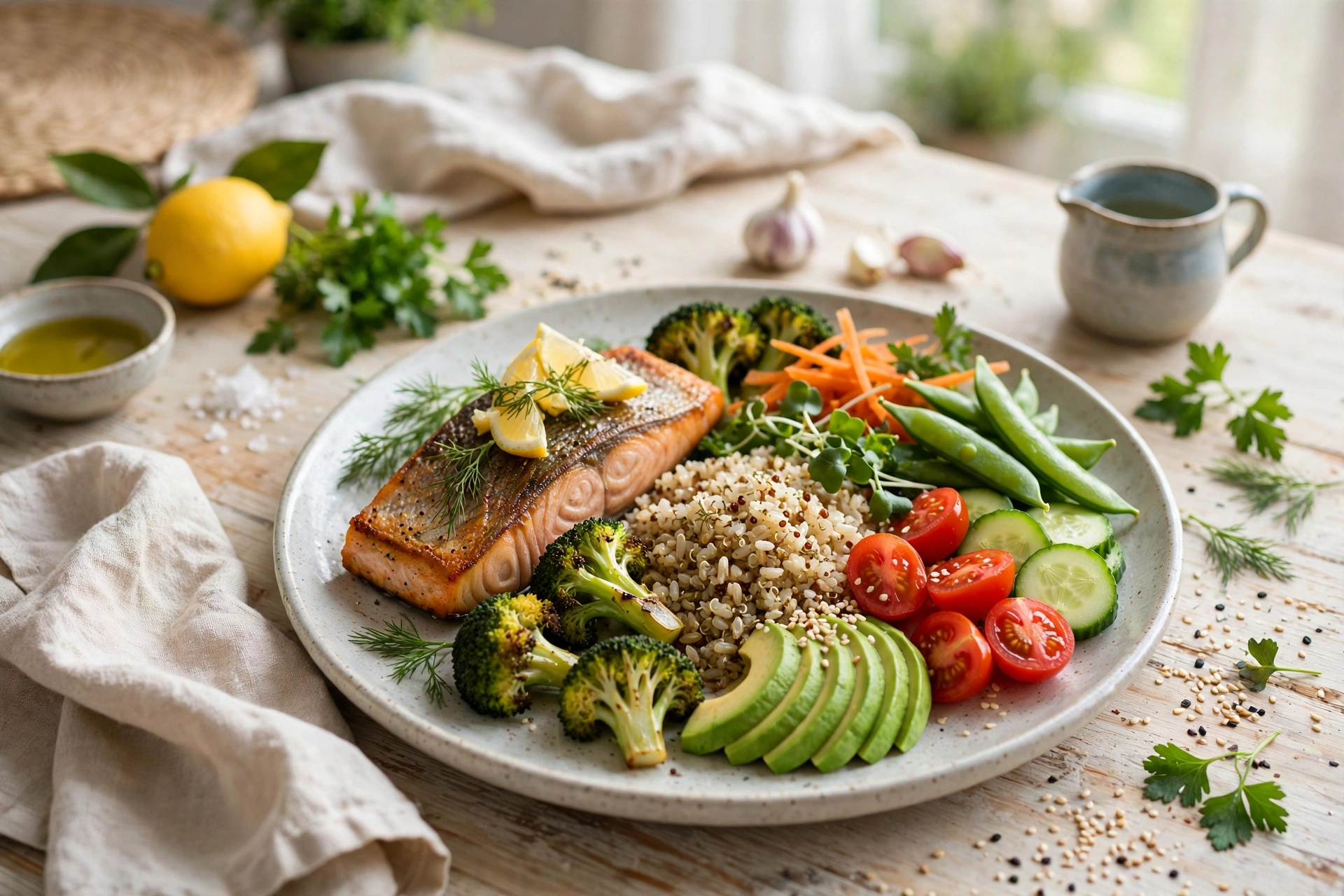
One of the most talked-about findings of 2026 came from a pilot study on food and mood. Researchers found that people with depression who sharply cut back on ultra-processed foods saw meaningful improvements in both depression and anxiety symptoms. The foods in question are familiar ones: packaged snacks, sugary cereals, ready meals, and processed meats.
Why might this matter? The gut-brain axis, the two-way communication between your digestive system and your brain, is one of the most active areas of research right now. Ultra-processed foods can disturb gut bacteria and promote inflammation. Researchers believe that inflammation may then ripple upward and affect mood and motivation. Notably, the researchers suggested that cutting ultra-processed foods by more than 85% made the difference in their study group.
This is early research, though. It was a small pilot study, not a prescription. It does not mean food alone treats clinical depression. Instead, it adds to a growing body of evidence that what we eat may influence how we feel in measurable ways, and it shows nutrition being taken seriously as part of a full mental health picture.
Loneliness Is Emerging as a Major Brain-Health Risk
Another theme dominating recent mental health research news is loneliness, not just as a feeling, but as a measurable health risk.
Large recent studies have found that loneliness and social isolation can strip away years of healthy life. Women who reported both loneliness and isolation lived several fewer years free of disease. Interestingly, the toll on mental health was even steeper than the toll on physical health. A healthy lifestyle, meaning good diet, exercise, sleep, and not smoking, helped offset the effects of isolation. However, it did much less to blunt the damage of loneliness itself. Feeling alone, it seems, is a different problem than being alone.
A separate 2026 meta-analysis linked loneliness to both Alzheimer’s disease and suicidal behavior. It identified shared distress signals, including hopelessness, insomnia, and chronic stress. The takeaway from researchers is simple: social connection is not just nice to have. It may be a genuine protective factor for the brain, worth treating as seriously as exercise or diet.

Mental Health Problems Are Lasting Longer Than They Used To
A landmark Dutch study published in 2026 delivered a sobering finding: mental health problems are becoming more persistent. The researchers compared two large national survey waves. Among adults who already had a common mental disorder, the share who experienced one again within three years rose from about 43% to 58%.
Anxiety disorders showed the sharpest change. The share of people who experienced another anxiety episode during follow-up climbed from roughly 24% to 40%. Mood disorders such as depression also became more persistent, rising from about 34% to 49%.
The researchers’ conclusion is a practical one. Mental health care may need to shift away from a “treat and discharge” model and toward longer-term monitoring. Regular follow-ups could catch returning symptoms early, before they take hold again. In other words, recovery does not always mean the story is over, and care systems built around that reality could make a real difference.
New Treatment Options for Treatment-Resistant Depression
For people whose depression has not responded to standard antidepressants, recent clinical data brought genuine good news. Treatment-resistant depression means depression that does not adequately respond to at least two different medications. Two major developments have changed the outlook for this group:
- Caplyta (lumateperone): Phase 3 data presented in early 2026 showed that about 65% of patients taking Caplyta alongside a standard antidepressant reached remission at six weeks. That was nearly double the remission rate of placebo plus an antidepressant. The drug works through a different mechanism than standard SSRIs, modulating serotonin, dopamine, and glutamate activity together.
- Spravato (esketamine): This FDA-approved nasal spray is now available as a standalone treatment for treatment-resistant depression, so eligible patients no longer have to combine it with an oral antidepressant. Clinical data showed improvement in some patients as early as 24 hours after the first dose, far faster than the weeks standard antidepressants typically require.
Neither treatment is a first-line option, and both require a psychiatrist’s evaluation. Our guide to mental health services explains how these kinds of specialist care fit into the wider system. Together, though, the two developments represent the most significant expansion of depression treatment options in a generation.
Psychedelic Therapies Move Closer to the Mainstream
Psychedelic-assisted therapy, long confined to fringe discussions, made real regulatory progress in 2026. Compass Pathways’ COMP360, a synthetic formulation of psilocybin, delivered positive Phase 3 results in treatment-resistant depression. It is now advancing toward potential regulatory review, with approval anticipated as early as 2027.
Meanwhile, Definium Therapeutics’ DT120, an orally disintegrating LSD tablet, received a second FDA Breakthrough Therapy designation. This followed positive Phase 3 data in major depressive disorder and generalized anxiety disorder. The company is testing a non-daily treatment model, an infrequent-dose approach rather than the daily pills most people with depression take.
Shorter-duration options are also in development, which could make treatment sessions less burdensome for patients. Other emerging approaches, such as VR in mental health treatment, are following a similar path from trials toward clinics. For now, though, these therapies are still investigational and available only in clinical trials. Even so, the science is moving decisively from fringe to mainstream.
Digital Therapy and AI: What Mental Health Research Shows
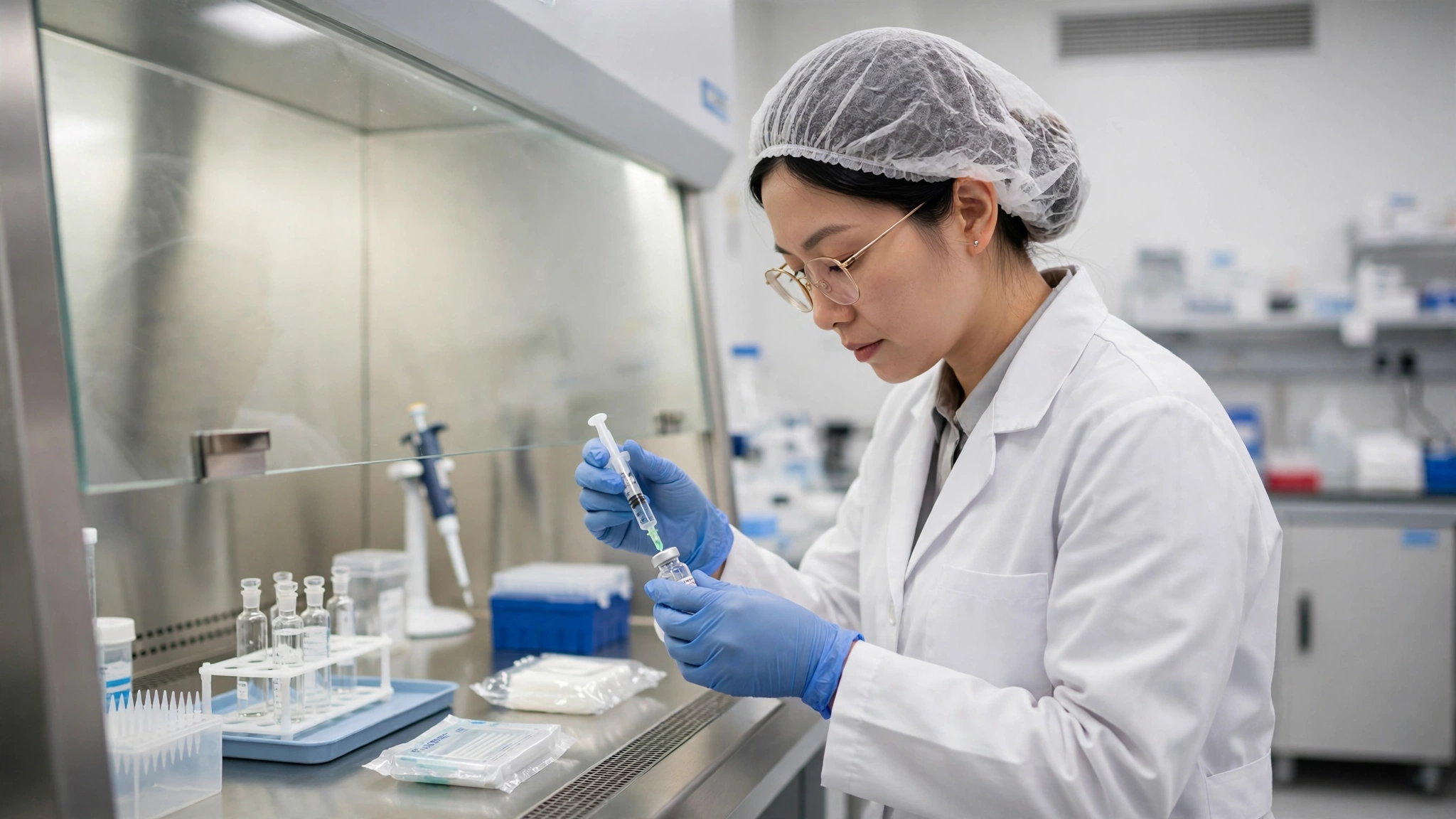
AI therapy chatbots have exploded in popularity, but recent research urges caution. A 2026 meta-analysis of randomized trials found that AI chatbots did not reliably reduce depression scores across studies. Engagement was high, but engagement turned out not to be the same thing as clinical improvement.
That said, structured, human-supervised hybrid models show more promise. A 2026 JAMA Network Open study of a conversational AI platform with human backup and safety monitoring found improvements in anxiety, depression, and well-being measures among users. In that study, 61% of users stayed engaged over a 12-week period. Another recent trial combined human-designed therapeutic structure with AI-supported exposure exercises for academic anxiety, with encouraging results.
The research consensus is emerging clearly: the question is not “does AI therapy work?” but “which AI system, for which problem, under what supervision?” General-purpose chatbots are not a substitute for professional care, especially for severe conditions or anyone experiencing suicidal thoughts. However, structured and supervised digital tools may become a valuable complement, particularly for mild-to-moderate symptoms.

Youth Mental Health: Catching Risk Earlier
Young people’s mental health remains a central research focus. A peer-reviewed 2026 study of more than 5,000 college students in virtual therapy examined how suicide risk changed from visit to visit. That is a rare look at the trajectory of recovery, rather than just before-and-after snapshots.
The encouraging finding: 77% of students who entered care reporting self-harm or suicidal ideation reached initial remission, often early. Half of those who recovered did so between their first and second visits. However, a smaller group continued to struggle across multiple visits, which highlights why ongoing monitoring matters.
The message for families and campuses is encouraging. Getting help early works. At the same time, consistent follow-up is what makes the difference for those who do not improve quickly.

A Smarter Tool for Bipolar Treatment Decisions
A large international team of 42 researchers pooled 77 prior reviews covering 116 bipolar disorder treatments. The treatments included medications, brain stimulation, and therapy. The team compared them on effectiveness, side effects, and strength of evidence. Published in The BMJ in August 2026, the study identified the strongest options for each mood phase: mania, depression, and maintenance treatment.
Working with people who live with bipolar disorder, the researchers also created a free, interactive platform. It lets users compare treatments based on the factors that matter most to them, from efficacy to side effects like weight gain. It is a living project, designed to be kept up to date as new evidence arrives.
This represents a broader trend in the field: giving patients real data to bring into conversations with their doctors, instead of leaving every decision to habit or guesswork.
Prevention: What Mental Health Research Says Actually Helps
Amid the headlines, prevention research quietly keeps confirming the basics. As MedlinePlus explains, mental health shapes how you think, feel, and act as you cope with life, which is why these everyday habits matter so much:
- Stay socially connected. The loneliness research above makes connection look like a genuine health intervention, not just a lifestyle preference.
- Move your body. Exercise remains one of the most consistently supported interventions for both anxiety and depression. Short daily practices, like the ones in our guide to simple mental health exercises, are an easy place to start.
- Protect your sleep. Insomnia repeatedly shows up alongside worsening mental health outcomes. Sleep is treatment-adjacent, not optional.
- Limit alcohol and substances. Substance use disorders are becoming more persistent, and they complicate everything else.
- Get help early and stay in care. The persistence research suggests that follow-up after an episode, not just the initial treatment, may be the key to better long-term outcomes.
Frequently Asked Questions About Mental Health Research
What is the most important recent finding in mental health research?
The most meaningful shift is structural. Treatments are diversifying, with new medications, psychedelic-assisted therapies, and brain stimulation. At the same time, care is going digital with proper scientific testing, and researchers are finally treating social factors like loneliness as serious, measurable health risks.
Do I need to change my diet for my mental health?
The recent ultra-processed food study is promising but preliminary. Eating a balanced, less-processed diet is generally good advice and may support mental well-being. However, it is not a substitute for professional treatment of depression or anxiety. Talk to your doctor before making major dietary changes.
Are AI therapy apps safe?
They can be a useful complement for mild symptoms, but current research shows mixed results for clinical effectiveness, and they are not a replacement for a licensed professional. If you are experiencing severe symptoms or thoughts of self-harm, contact a crisis line or a mental health professional directly. Do not rely on an app.
What should I do if standard antidepressants have not worked for me?
Talk openly with your psychiatrist about your full treatment history. Options now exist that did not a few years ago, including add-on medications like Caplyta, esketamine treatment, brain stimulation therapies like TMS, and clinical trials of psychedelic-assisted treatments. An honest account of what you have tried is the foundation for finding a better approach.
Is it true that mental health problems are getting worse?
The Dutch persistence study suggests that conditions are lasting longer and returning more often, which may explain why prevalence keeps rising. The positive read is that this finding is pushing care systems toward longer-term support and monitoring, which could genuinely improve outcomes over time.
Are psychedelic therapies available to try now?
Not outside research settings. The psilocybin and LSD-based treatments described above are still investigational and available only in clinical trials. Regulatory review is expected to continue, with the earliest possible approval anticipated in 2027, so any service offering them as regular treatment today is getting ahead of the evidence.
The Bottom Line
The clearest message from recent mental health research is that the field is widening on every front. New drug options are reaching people who had run out of them, digital tools are being tested honestly rather than hyped, and social factors like loneliness are finally counted as real health risks. For more background and support, browse our Mental Health guides, and check back as new findings are published.
This article is general information only and is not medical advice. If you are dealing with an ongoing mental health concern, please talk to a healthcare professional.