Technology and Sleep Health: One Framework, Six Pathways
If you want a clear answer to how technology affects sleep, start with the last hour of your day. Screens can send a daylight signal to the brain, keep your mind active, and pull bedtime later. Meanwhile, notifications, work messages, games, and sleep scores can add stress or pressure. As a result, the problem is rarely one app or one device. Instead, several small effects often stack together.
In fact, the pattern is common. A National Sleep Foundation poll reported that 90 percent of Americans used some type of technology in the bedroom during the hour before trying to sleep. However, you do not need to abandon technology to protect rest. The CDC includes turning off electronic devices at least 30 minutes before bedtime among its basic sleep habits.
Overall, this guide uses one simple framework with six pathways: light, stimulation, device presence, tracking pressure, work intrusion, and entertainment or social pull. First, identify which pathways affect you most. Then change the one or two habits that create the biggest problem.
Contents
- The one framework for technology and sleep
- Light: blue light and melatonin
- Stimulation: a brain that stays switched on
- Device presence: EMFs and the bedroom
- Tracking pressure: when sleep data adds stress
- Work intrusion: late email and messages
- Entertainment and social pull
- A simple evening reset
- When to get help
- Frequently asked questions
- The bottom line
The One Framework for Technology and Sleep
The framework begins with a simple question: what is the device doing to your body, mind, or schedule? Some technology changes the light entering your eyes. Other technology keeps your attention busy. In addition, some devices bring work, comparison, or performance pressure into a time that should feel quiet.
| Pathway | Main problem | First change to try |
|---|---|---|
| Light | Evening screen light can confuse the body clock | Dim screens and stop earlier |
| Stimulation | News, videos, and feeds keep the brain alert | Choose calmer content earlier |
| Device presence | Phones and routers stay active in the bedroom | Add distance or use airplane mode |
| Tracking pressure | Scores can turn rest into a test | Take a break from daily checking |
| Work intrusion | Messages restart problem solving and worry | Set a firm cutoff time |
| Entertainment and social pull | Games, shows, and feeds delay bedtime | Set an ending point before you start |
Overall, understanding how technology affects sleep therefore starts with patterns, not blame. Once you can name the pattern, you can choose a practical response. Our guide to calm your nervous system can also help when stress keeps your body in alert mode after the screen goes dark.
1. Light: Blue Light Can Delay the Sleep Signal
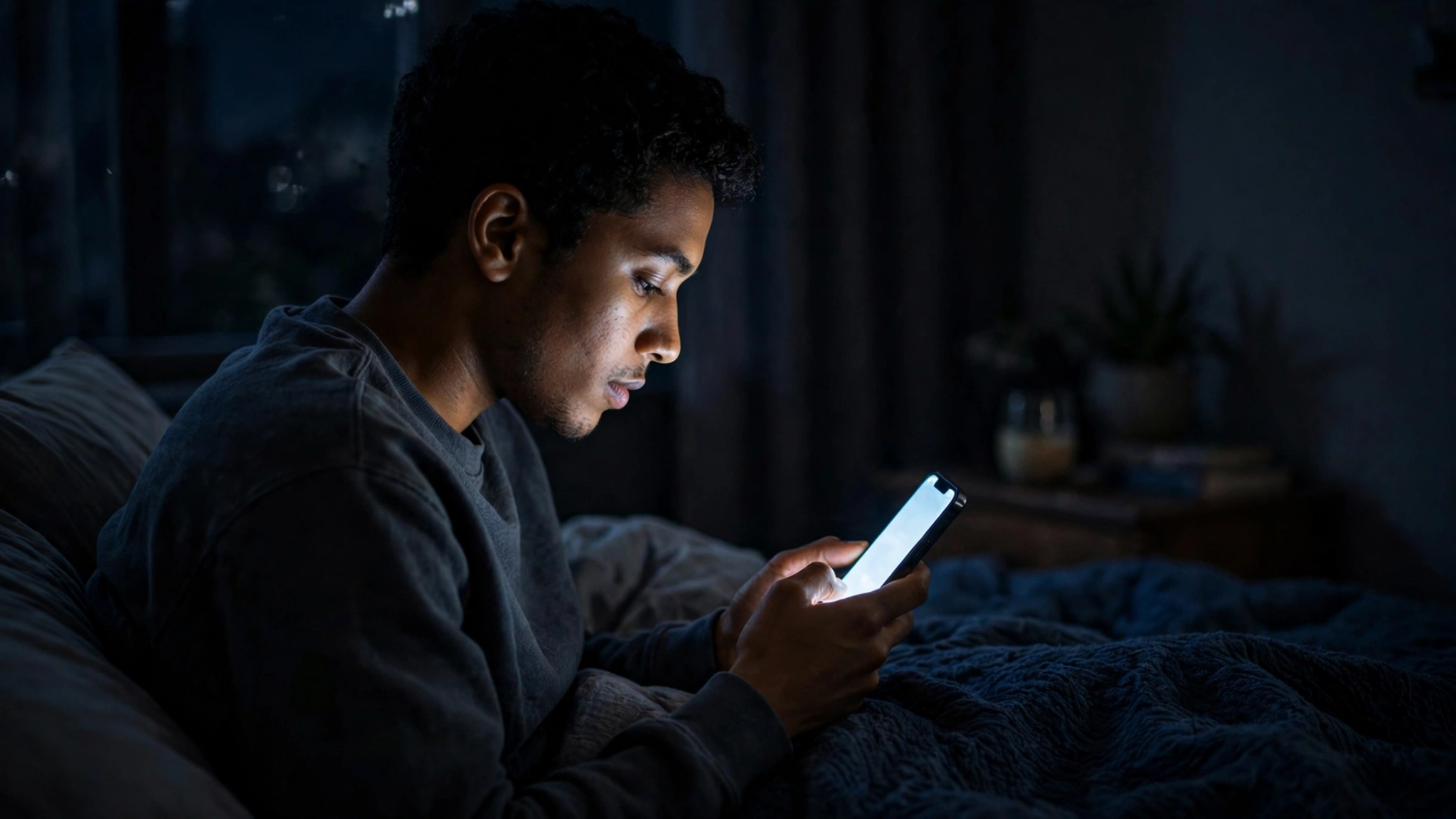
Phones, tablets, laptops, and televisions emit blue light. In the evening, that light can signal daytime to the brain. Consequently, melatonin production may be suppressed at the very time it should rise. Melatonin is the hormone that helps you feel sleepy as darkness falls.
The pineal gland plays a central role in this process. According to the National Institute of Neurological Disorders and Stroke, the pineal gland increases melatonin production once the lights go down. It also notes that light exposure can make it difficult to fall asleep and can make returning to sleep harder after waking at night.
In addition, even television can contribute because timing matters as much as the device. Bright light close to bedtime may work against your internal clock. In contrast, dimmer light gives the body a clearer evening signal. Therefore, lower brightness, use night mode when available, and stop screen use earlier when you can.
Blue light glasses may help some people filter part of this light. However, research on their overall benefit is mixed. They should not replace a screen break. Overall, the simpler habit is to reduce both brightness and screen time during the final part of the evening.
2. Stimulation: Content Can Keep Your Brain Wired
Light is only the first pathway. Content also matters. Scrolling through social media, watching dramatic videos, or reading upsetting news can keep the brain searching, reacting, and anticipating. Each like, message, or notification may feel like a small reward. As a result, your mind keeps looking for the next one.
Exciting or stressful content can also leave you feeling tense. The original guide linked this response with stress hormones such as cortisol and adrenaline. You do not need to measure those chemicals to notice the effect. For example, an argument, a worrying headline, or a competitive video can leave your thoughts moving long after you put the device down.
Your brain needs a transition between daytime activity and sleep. A busy feed removes that buffer. Instead of gradually becoming quiet, your mind continues solving problems, comparing details, and reacting to new information. A calmer final hour gives your thoughts fewer hooks to catch on.
In contrast, audio is usually less disruptive than visual media because it does not add screen light. Still, an exciting podcast can keep your mind active. Relaxing audio is the safer choice if you like sound while falling asleep.
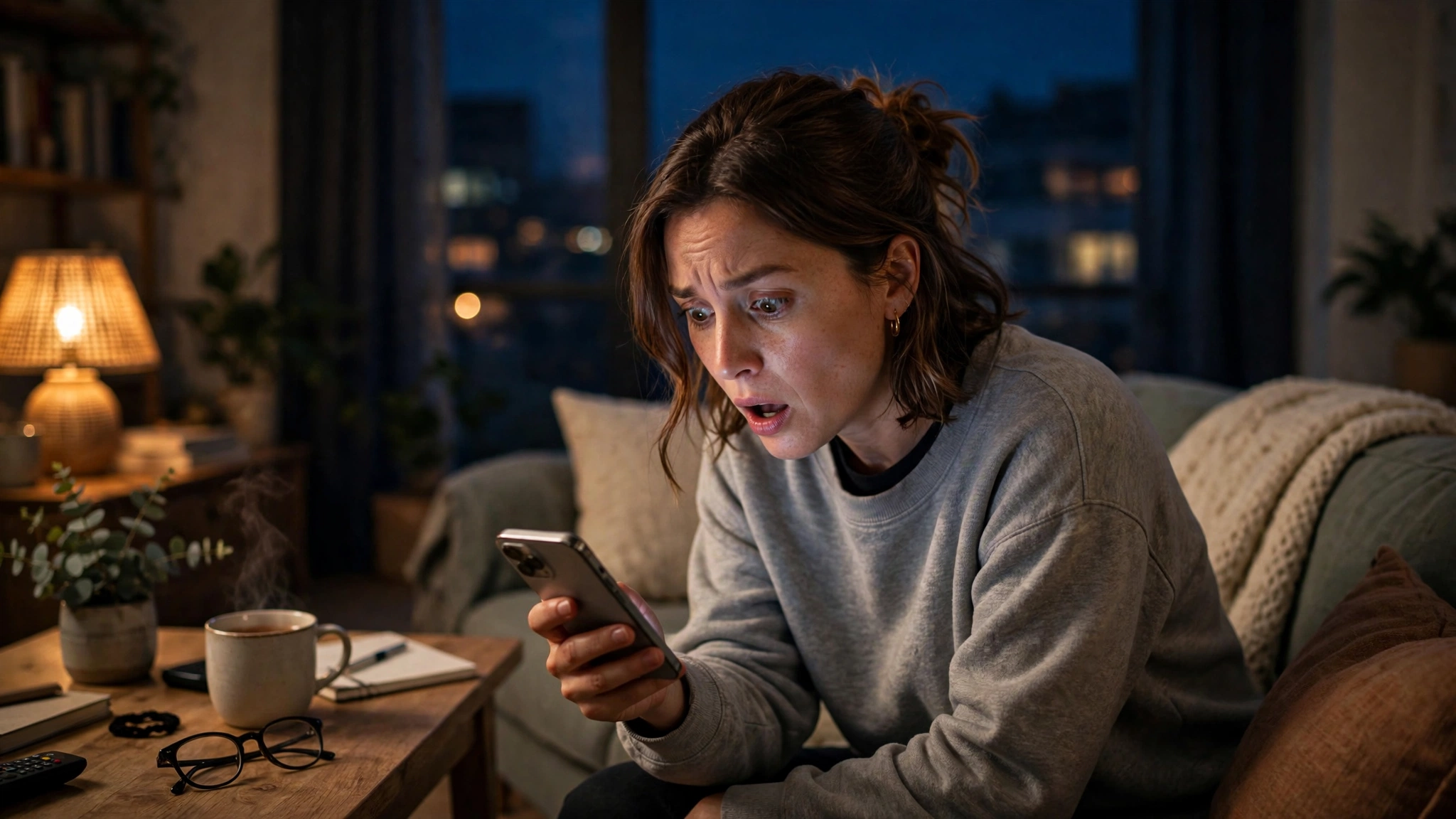
3. Device Presence: What About EMFs and Sleep?
Phones, WiFi routers, and smart devices can generate electromagnetic fields, often called EMFs, while they are powered on. Charging a phone beside your pillow places an active device very close to you for the whole night. For that reason, the original guide suggested distance as a sensible precaution.
Overall, claims about EMFs and sleep need careful wording. Some reports suggest that electromagnetic exposure may affect brainwave patterns or deep sleep. However, the evidence is limited and not settled, so this article does not present that concern as proven fact. Some people say they sleep better when devices are farther away, but personal reports are not the same as strong clinical proof.
Meanwhile, distance has a practical benefit that is easier to confirm. A phone across the room is harder to scroll if you wake during the night. Airplane mode can also reduce nighttime signals and interruptions. If you use your phone as an alarm, a traditional alarm clock across the room may be a better option.
In short, this pathway is therefore about choice and comfort. You can reduce device closeness without making fear the center of your routine. Start with distance, silence notifications, and notice whether your nights feel calmer.
4. Tracking Pressure: When Sleep Data Becomes a Test
Sleep apps and wearable devices can record movement, breathing, and sleep cycles. In addition, they may provide useful patterns over time. However, checking a score every morning can also create performance anxiety. A report labeled poor sleep may make you feel stressed before the day has even started.
That pressure can backfire. You may lie awake wondering whether you will reach a target. Then you may check the result again in the morning and feel worse. In this way, the effort to control sleep can become another reason the mind stays busy.
In addition, natural sleep also varies. Some nights are lighter or more restless than others, and that variation can be normal. An app may make ordinary changes look like failure. Sometimes, paying less attention to exact metrics can feel more restful.
Overall, a balanced approach is to review trends occasionally rather than judging every night. Alternatively, take a break from tracking if the numbers regularly raise your stress. Your morning energy, mood, and ability to function are also useful information. Technology should inform you, not grade you.
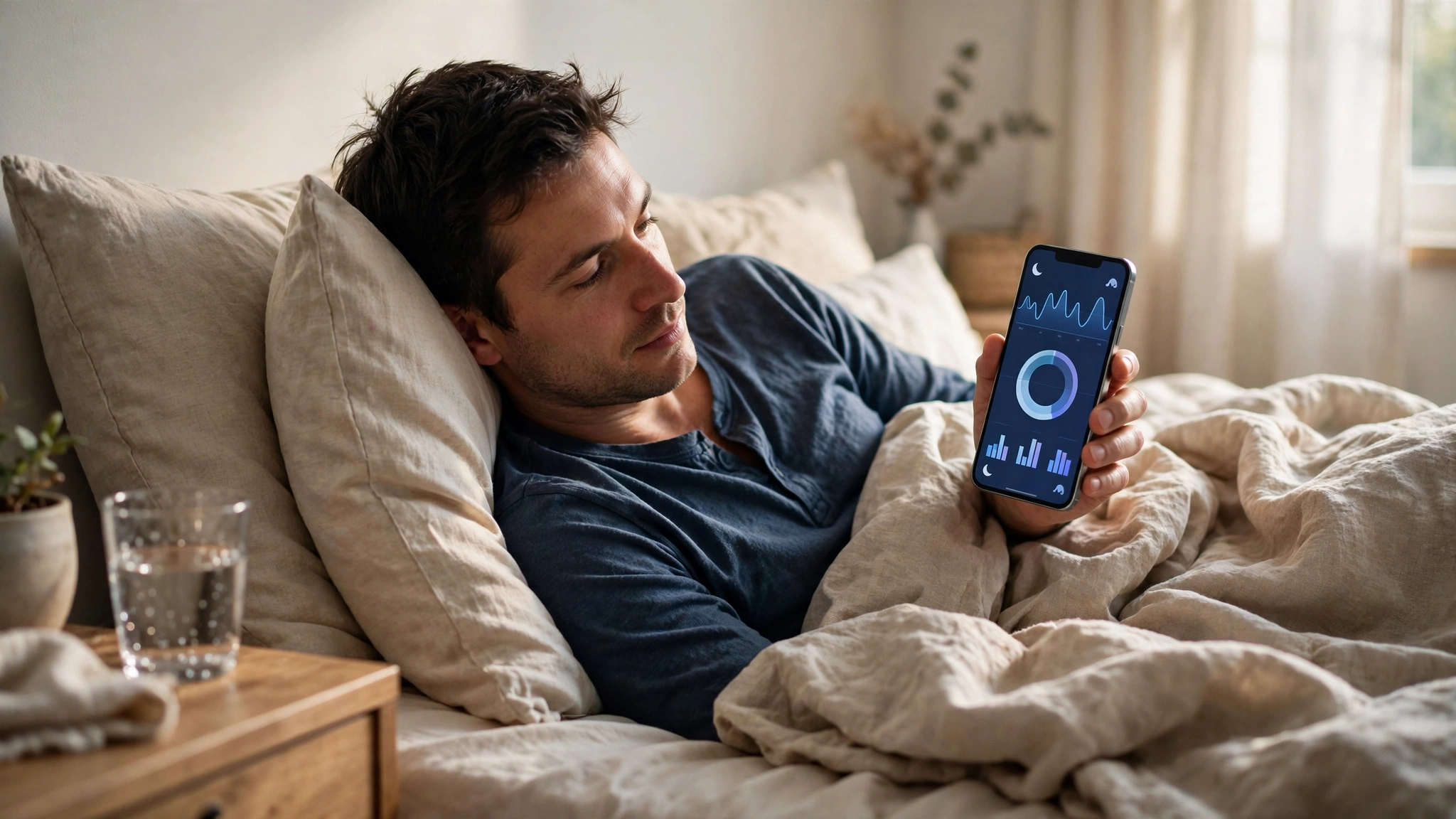
5. Work Intrusion: Late Messages Erase the Boundary
Work email and messages can carry the office into your bedroom. Each message may trigger a task, a concern, or a decision for tomorrow. Consequently, your brain shifts back into problem solving mode when it should be winding down.
The expectation of constant availability adds another layer. Even if no message arrives, keeping notifications on can leave part of your attention waiting. You may think about deadlines, replay a conversation, or plan the next workday. Blue light from the work device can then compound the problem.
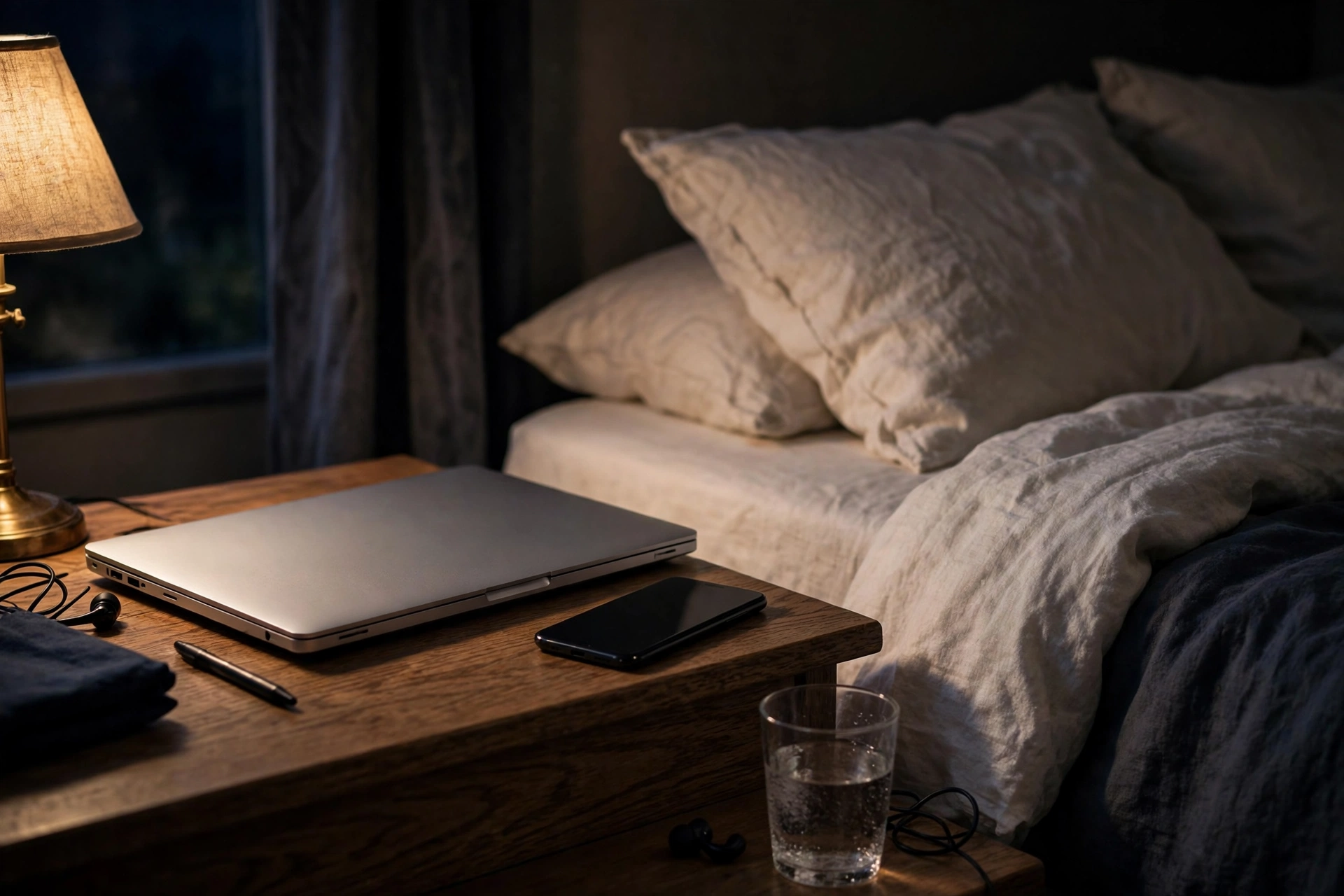
Therefore, firm cutoff times protect the boundary between productivity and rest. For example, decide when work messages end, silence work notifications, and leave the device outside the bedroom if possible. If your job requires emergency availability, separate urgent calls from routine email so every buzz does not feel important.
6. Entertainment and Social Pull: Games, Shows, and FOMO
Gaming and Binge Watching Can Push Bedtime Later
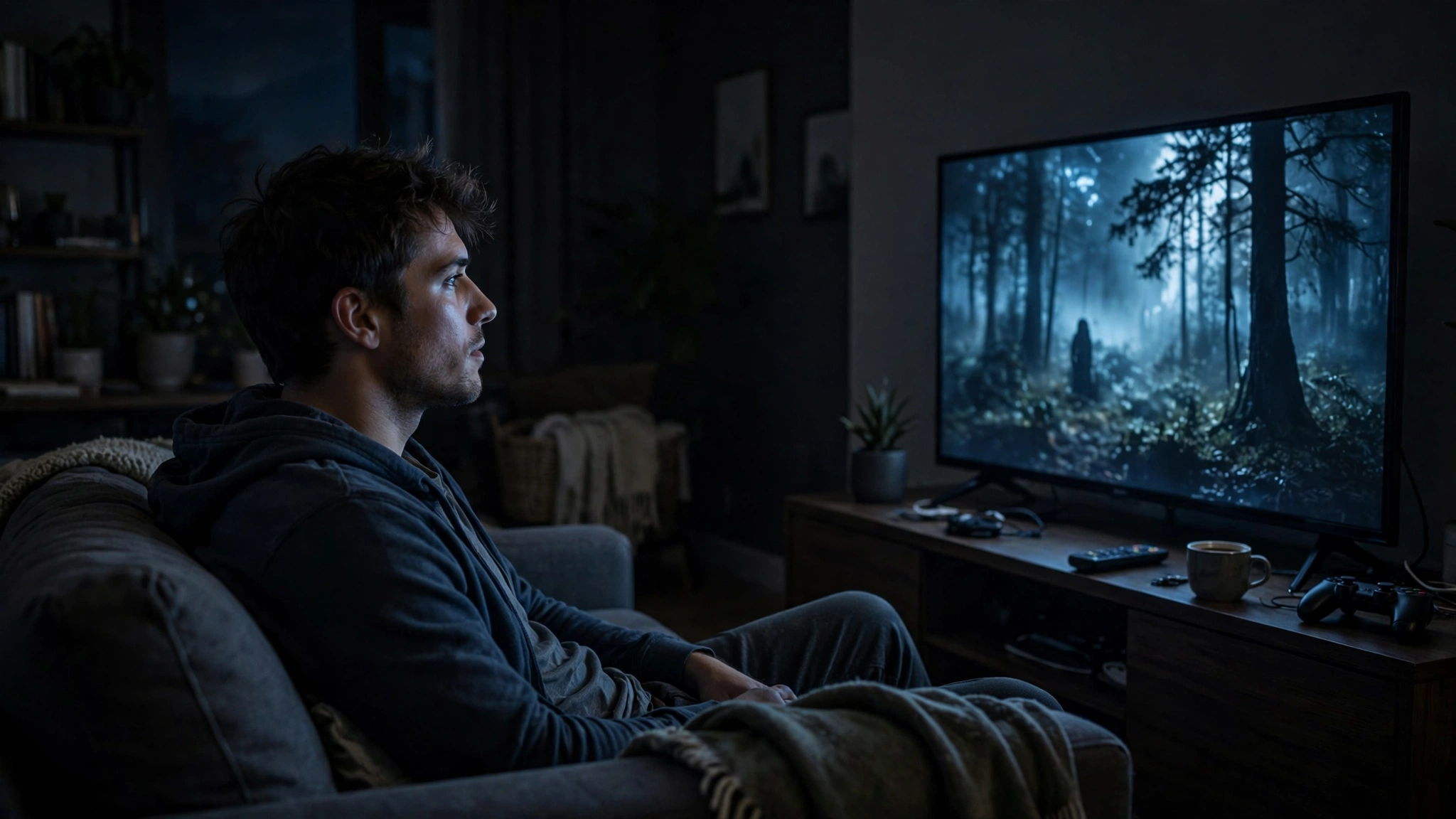
Competitive games can feel intense. Fast action, bright flashing images, and difficult challenges keep your eyes and mind working. Plot twists and mission goals may continue running through your thoughts after you stop. As a result, calming down can take longer.
Binge watching creates a different pull. A cliffhanger makes one more episode feel small, even late at night. However, several episodes can quietly move bedtime past midnight. Suspense also keeps your attention active when your body needs a slower pace.
Therefore, an ending rule helps. Decide the number of episodes or matches before you begin. Then stop at that point, even when the next part starts automatically. Turning off autoplay, when the service allows it, can add a useful pause.
Social Media, Comparison, and FOMO
Social media can add emotional pressure near bedtime. Highlight reels may invite comparison with other people’s work, bodies, homes, or social lives. Meanwhile, fear of missing out can keep you scrolling for one more update. Negative news and arguments in comment sections can also raise stress.
Our guide to social media and mental health explains why passive scrolling can leave people feeling drained. At night, those feelings have fewer distractions to compete with them. Therefore, a post that seems minor during the day may occupy your mind in a quiet bedroom.
In addition, curate the final hour carefully. Mute stressful accounts, avoid comment arguments, and choose direct conversation with a friend over endless browsing. Better still, close the apps at your cutoff time and let any missed update wait until morning.
A Simple Evening Reset That Reduces How Technology Affects Sleep
You do not need to change every habit at once. Pick a two week experiment and keep it realistic.
- Set a screen cutoff. Aim for one to two hours before bed if possible. If that feels unrealistic, start with 30 minutes.
- Charge the phone away from the pillow. Place it across the room or outside the bedroom. Use a basic alarm clock if that helps.
- Silence routine notifications. Use do not disturb or airplane mode when appropriate, while keeping a clear option for true emergencies.
- Dim the evening. Lower screen brightness, use night mode, and choose paper books when you want to read.
- Replace the scroll. Try stretching, calm audio, or one of these simple mental health exercises.
- Give media an endpoint. Choose the last episode, match, or feed check before you start.
- Use trackers lightly. Review trends weekly or pause tracking if daily scores create stress.
Start with the step that matches your strongest pathway. For example, a gamer may need an endpoint, while a remote worker may need a message cutoff. Small changes are easier to repeat, and repetition is what turns a reset into a routine.
When Sleep Problems Need More Support
Still, better device habits can help, but they are not the whole picture. MedlinePlus notes that poor quality sleep can affect physical and mental health, thinking, and daily functioning. It also explains that most adults need about seven to nine hours of sleep each night, although needs vary.
Therefore, talk with a healthcare professional if you regularly take more than 30 minutes to fall asleep, wake often and cannot return to sleep, or feel very sleepy during the day. Loud snoring, gasping, or pauses in breathing during sleep should also be discussed. A device habit may contribute, but an ongoing problem deserves proper evaluation rather than guesswork.
Finally, for broader reading on stress, mood, and daily wellbeing, browse our Mental Health guides.
Frequently Asked Questions
How many hours before bed should I stop using screens?
Ideally, stop one to two hours before bed. That gives your brain time to shift toward sleep and allows melatonin to rise naturally. If that is not possible, even 30 minutes can help, and the CDC recommends turning off electronic devices at least 30 minutes before bedtime.
Do blue light glasses help?
They may help some people by filtering part of the light from screens. However, research results are mixed. Glasses are optional support, not a replacement for reducing screen time and brightness.
Can I use my phone as an alarm clock?
You can, but the phone then stays close enough to invite scrolling during the night. A traditional alarm clock across the room removes that temptation.
Is reading on a tablet before bed harmful?
A light emitting tablet can affect sleep in a similar way to a phone. Paper books avoid that screen light. If you use a tablet, enable night mode and reduce brightness, then stop at a set time.
Does listening to podcasts affect sleep?
Audio without a screen is usually less disruptive than visual media. However, exciting, stressful, or complex topics can keep your mind active. Calm and familiar audio is usually the better bedtime choice.
What is the simplest way to reduce how technology affects sleep?
Start with a cutoff time and move the phone away from the pillow. Those two steps address light, stimulation, notifications, and late scrolling at once. Add other changes only if you still notice a problem.
The Bottom Line
In short, how technology affects sleep depends on light, stimulation, device presence, tracking pressure, work access, and emotional pull. The most useful response is not fear or a total ban. Instead, find the pathway that affects you most, set a clear boundary, and repeat it until the evening feels quieter. Start tonight by choosing one cutoff time and placing your phone out of easy reach.
This article is general information only and is not medical advice. If you have ongoing sleep problems, please talk to a healthcare professional.





One Comment