
Community Health and Dental Care Services: Your Complete Local Guide
Finding affordable medical and dental care is hard when you have no insurance or a tight budget. Community health centers exist for exactly that situation. These local clinics provide medical and dental care to everyone, regardless of income or insurance status.
Most of these sites are federally qualified health centers, supported by federal funding, donations, and grants. According to the Health Resources and Services Administration (HRSA), they serve more than 30 million Americans every year. Because they usually sit in neighborhoods with few private practices, care stays close to home.
This guide explains what these programs offer, who qualifies, and what visits typically cost. You will also learn how to find a center near you. In addition, you will see simple ways to support these programs in your own neighborhood.

Contents
- What these programs are
- Services offered
- Who qualifies
- Finding care near you
- Costs and payment options
- Benefits of community dental care
- Challenges these programs face
- Preventive care education
- How to support local programs
- Frequently asked questions
- The bottom line
What Are Community Health and Dental Programs?
These programs provide medical and oral care no matter whether you can pay. Federal funds, donations, and grants keep these essential services running. As a result, most centers open in areas where private doctor and dentist offices are scarce.
The staff includes licensed dentists, dental hygienists, and other health workers dedicated to serving their neighbors. The World Health Organization notes that community health services play an important role in disease prevention. That prevention focus shapes everything these programs do.
In addition, mobile units carry services directly to schools and underserved neighborhoods. This outreach targets children, older adults, and people without transportation. Keeping the community involved also helps programs work well and keep growing.
Services Offered at Community Clinics
Most centers combine dental care, basic medical care, and support services under one roof. That way, families can handle several needs in a single visit.
Dental Services
Regular cleanings and checkups form the base of prevention. X-rays help staff spot trouble that a visual exam alone cannot catch. Catching cavities, gum disease, and oral cancers early can save lives.
Fillings, extractions, and root canal work handle painful dental emergencies. Meanwhile, some centers offer dentures and crowns at reduced cost. For children, services include fluoride treatments and sealants that guard young teeth.
Medical and Preventive Services
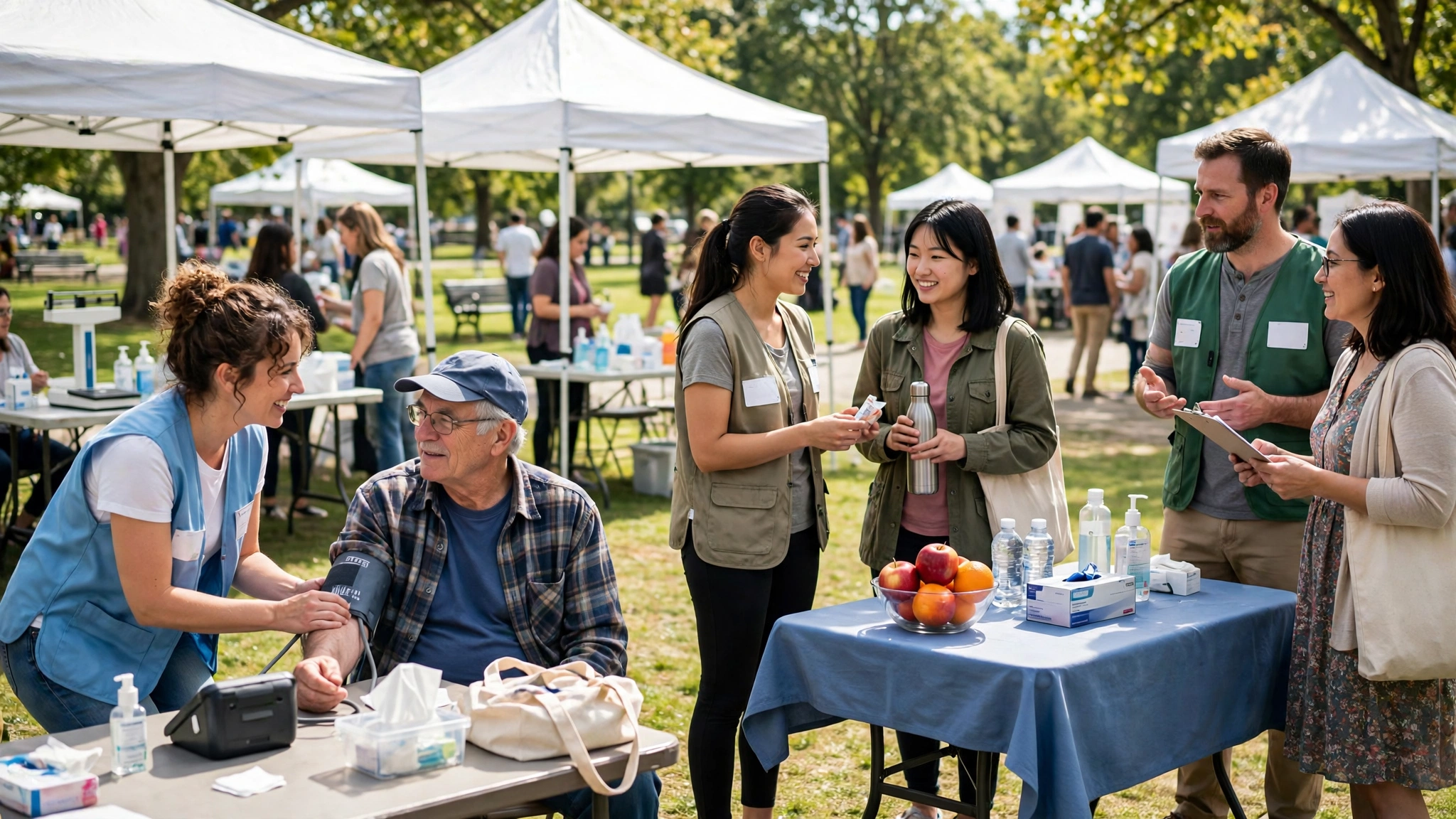
Basic health checks screen blood pressure, diabetes, and cholesterol levels. Vaccinations also guard communities against preventable diseases that spread quickly. Healthy daily habits add another layer of protection, as our guide on how to strengthen immunity explains.
Chronic disease management helps patients stay on top of conditions like high blood pressure. In addition, medication assistance programs connect people with affordable prescription options. Health education sessions cover eating well, staying clean, and avoiding disease.
Mental Health and Support Services
Mental health support and addiction counseling round out whole-person care at many centers. Our overview of the types of mental health services explains how these services differ. Understanding why mental health matters also shows why clinics treat the mind and body together.

Who Qualifies for Community Health Services?
Most centers serve individuals earning below 200% of the federal poverty level. Family size and total household income decide whether you qualify for services. Paperwork needs vary, but centers usually ask for pay stubs or tax records.
Some groups receive special consideration:
- People experiencing homelessness qualify no matter what income papers they can show.
- Migrant farm workers and their families get priority access in farming areas.
- Veterans without VA benefits can use these centers too.
- Children under 18 often qualify even when their parents earn too much.
- Pregnant women get special consideration for prenatal and dental care.
Emergency situations are handled first, no matter your ability to pay at that moment.
How to Find Community Health and Dental Care Near You
Finding a center takes only a few steps:
- Search the HRSA website. It lists federally qualified health centers by ZIP code.
- Check your local health department. Departments keep lists of clinics operating nearby.
- Ask libraries and social service agencies. They often hold information about available help.
- Search online. Try the words “community dental clinic” plus your town name.
- Call 211. This free hotline connects people with health and dental services across North America, and operators speak many languages.
Hospital systems sometimes run affiliated community programs as well. Churches and community centers also publicize local health fairs regularly. Planning a little ahead
makes regular checkups far easier to keep.

What Care Costs at These Centers
Sliding fee scales set charges based on household size and income. The table below shows what that means in practice, using the figures these programs commonly report.
| Your situation | What you may pay |
|---|---|
| Lowest income on the sliding scale | About $20 to $50 per visit |
| A similar visit at a private office | Often $200 or more |
| Children covered by Medicaid or CHIP | Often fully covered |
| Medicare patients | Standard copays apply |
| Deep poverty through charity care | Fees may be waived entirely |
Payment plans split larger bills into manageable monthly amounts. Most centers accept Medicaid, Medicare, and private insurance when patients have it. Charity care arrangements wipe fees completely for families in deep poverty.
Grant funding sometimes backs free dental days for community members. Volunteer dentists also give their time during special outreach events. Some centers require payment at the time of service, while others bill later. Therefore, ask about payment rules when you book your first visit. Bringing your income papers also speeds up the eligibility process a lot.
Benefits of Community Dental Care
Regular cleanings prevent tooth decay and gum disease, which protects your overall health. Poor oral health is linked to heart trouble, diabetes, and pregnancy problems. Community programs catch trouble early, before it turns serious. MedlinePlus covers the basics in its dental health overview, including brushing, flossing, and regular checkups.
The benefits reach beyond the dentist’s chair:
- Children miss fewer school days when preventive care keeps their teeth healthy.
- Adults keep their jobs when dental pain does not interfere with work.
- Confidence grows when people can smile without embarrassment about their teeth.
- Families save money because prevention costs far less than emergency treatment.
- Emergency room visits drop, since ERs cannot provide real dental treatment and patients otherwise return again and again.
Teaching correct brushing and flossing also sparks lifelong healthy habits. Over time, that education lowers healthcare costs for whole neighborhoods.
Challenges Facing These Programs
Limited funding restricts how many patients centers can see each month. Long waits frustrate people who need quick care. Staff shortages also mean centers cannot expand services despite growing demand.
Language barriers complicate communication between staff and diverse patients. Translation help exists, but it is not always available during visits. Cultural competency training improves understanding, yet it takes time to roll out fully.
Transportation poses another problem, especially for older and disabled patients. Rural areas often lack public transit connecting people to services. Mobile units help, but they cannot reach everyone who needs care on a regular schedule.
Finally, equipment and supply costs keep rising while budgets stay flat. Keeping modern technology challenges underfunded centers daily. Dentists also earn less at these clinics than in private practice, which makes hiring harder.
Preventive Care Education in Communities
Teaching children correct brushing techniques stops cavities from forming early. Schools partner with clinics to bring dental education into classrooms. Fun activities make learning about teeth engaging for young students.
Nutrition sessions explain how sugar harms teeth and overall health. Cooking demonstrations show healthy meals on tight budgets. Grocery store trips teach label reading and smarter food choices. The CDC also shares oral health resources that help communities reduce the impact of oral diseases.
Smoking cessation programs shrink the risks of mouth cancer and gum disease. Support circles help people quit tobacco, and some programs offer free nicotine patches and counseling, which improve quit rates. Diabetes management classes teach blood sugar control, which protects teeth and gums too. High blood sugar feeds the bacteria that cause severe gum infections, so regular dental visits are crucial for patients with diabetes.

How to Support Local Health Initiatives
You can help these programs in several practical ways:
- Volunteer your skills. Dentists can give a few hours each month treating patients in need. Office volunteers help with booking and guiding patients.
- Donate money. Gifts directly fund patient care and equipment purchases. Corporate backing also helps buy expensive dental chairs and X-ray equipment.
- Spread awareness. Social media posts reach people who might not know help exists. Churches and schools can share flyers about free health screenings.
- Advocate for funding. Contact elected officials to show support for these vital programs, and vote for measures that expand healthcare access in your area.
Many centers hold fundraising events throughout the year for extra support. Even small contributions add up across a community.
Frequently Asked Questions
How much do community dental clinics charge?
Charges depend on household income and family size through sliding scales. Many patients pay $20 to $50 per visit, compared with $200 or more at private offices. Some people qualify for completely free care based on their poverty level.
Do I need insurance to use a community health center?
No insurance is needed. Centers accept Medicaid, Medicare, and private plans when patients have them. People without coverage receive care using the sliding fee scale instead. Emergencies are handled first regardless of coverage or ability to pay.
What services are available at community clinics?
Cleanings, fillings, extractions, and preventive care form the core dental services. Basic medical services include checkups, vaccinations, and chronic disease management. Mental health counseling and medication help are also offered at many locations.
How long are wait times for appointments?
Waits vary by location and the type of service you need. Routine cleanings might take weeks to schedule, while emergencies are seen faster. Calling early in the morning improves your odds of grabbing a same-day emergency slot.
Can children receive care at community clinics?
Yes, children’s services are a priority at most centers. Children often qualify even when their parents exceed the income limits. School-based programs also bring dental care directly to students on a regular basis.
What should I bring to my first visit?
Bring income papers such as pay stubs or tax records, since they speed up the eligibility process. Requirements vary by center, so call ahead and ask. Asking about payment rules at booking also prevents surprises later.
The Bottom Line
Community health and dental programs deliver essential services that keep families healthy close to home. Sliding fees keep care affordable, and preventive visits catch small problems before they become expensive emergencies. Whether you are insured or not, help exists in most communities. As a next step, search for a center in your ZIP code today, or browse our Health guides for more ways to protect your family’s wellbeing.
This article is general information only and is not medical advice. If you have ongoing health or dental problems, please talk to a healthcare professional.