
Calamariere Explained: History, Recipe, and Simple Cooking Tips
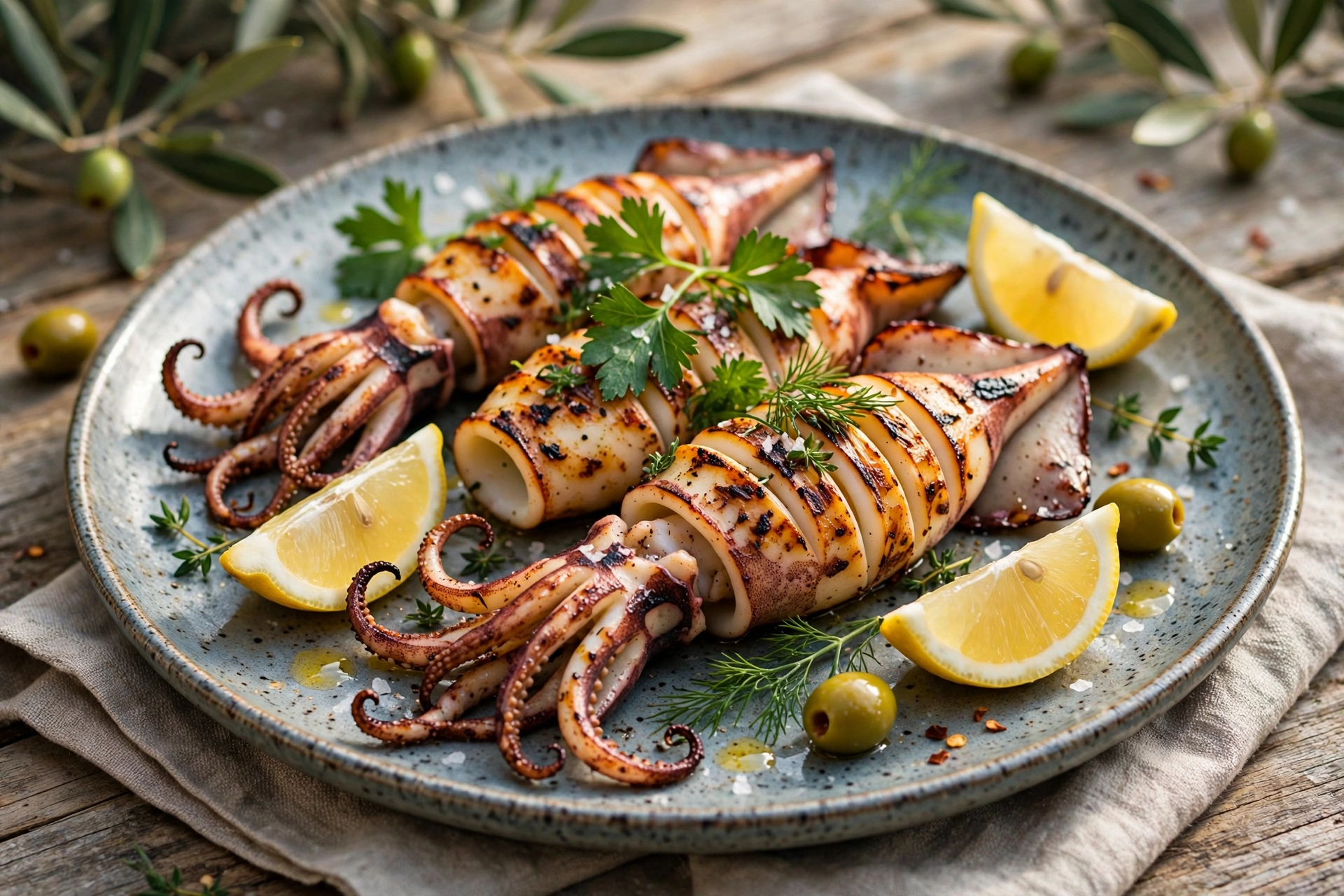
Calamariere is a Mediterranean squid dish built on olive oil, garlic, and fresh herbs instead of batter and a deep fryer. If you have seen the name appearing on restaurant menus lately, you are not alone.
Unlike fried calamari rings, calamariere is grilled or sauteed, so the clean flavor of the squid itself comes through.
This guide covers what the dish is, where it comes from, the ingredients and steps, regional styles, nutrition, and the mistakes that turn squid rubbery. Along the way, you can check the numbers yourself in USDA FoodData Central, which lists the full nutrient profile of squid.
Contents
- What it is
- History and origins
- Essential ingredients
- Step by step recipe
- Cooking techniques
- Regional variations
- Nutrition
- Wine pairings
- Serving ideas
- Modern fusion variations
- Buying and storage
- Sustainable choices
- Common mistakes
- Where to find it
- Frequently asked questions
- The bottom line
What Is Calamariere?
The name calamariere comes from the Italian word calamaro, which simply means squid. Coastal Mediterranean cooks have prepared squid this way for generations, using olive oil, garlic, and fresh herbs, with nothing fancy or complicated.
The defining choice is the cooking method. Instead of battering and deep frying, you grill or saute the squid in a hot pan. As a result, the actual squid flavor comes through, clean and close to the sea, rather than hiding under fried batter.
The History and Origins of Calamariere
The dish traces back to Italian and Greek fishing villages, where families cooked whatever the boats brought in that day. Fishermen came home with fresh squid, and households built simple dishes from ingredients they already had.
The word reaches further back to the Latin calamarium, which means inkpot, because squid release ink when they feel threatened. Over the centuries, each coastal region added its own twist, using local spices and whatever cooking tools were available.
That is why calamariere has never been one fixed recipe. Instead, it is a family of simple preparations that share the same respect for fresh squid and a short ingredient list.
Essential Ingredients for Authentic Calamariere
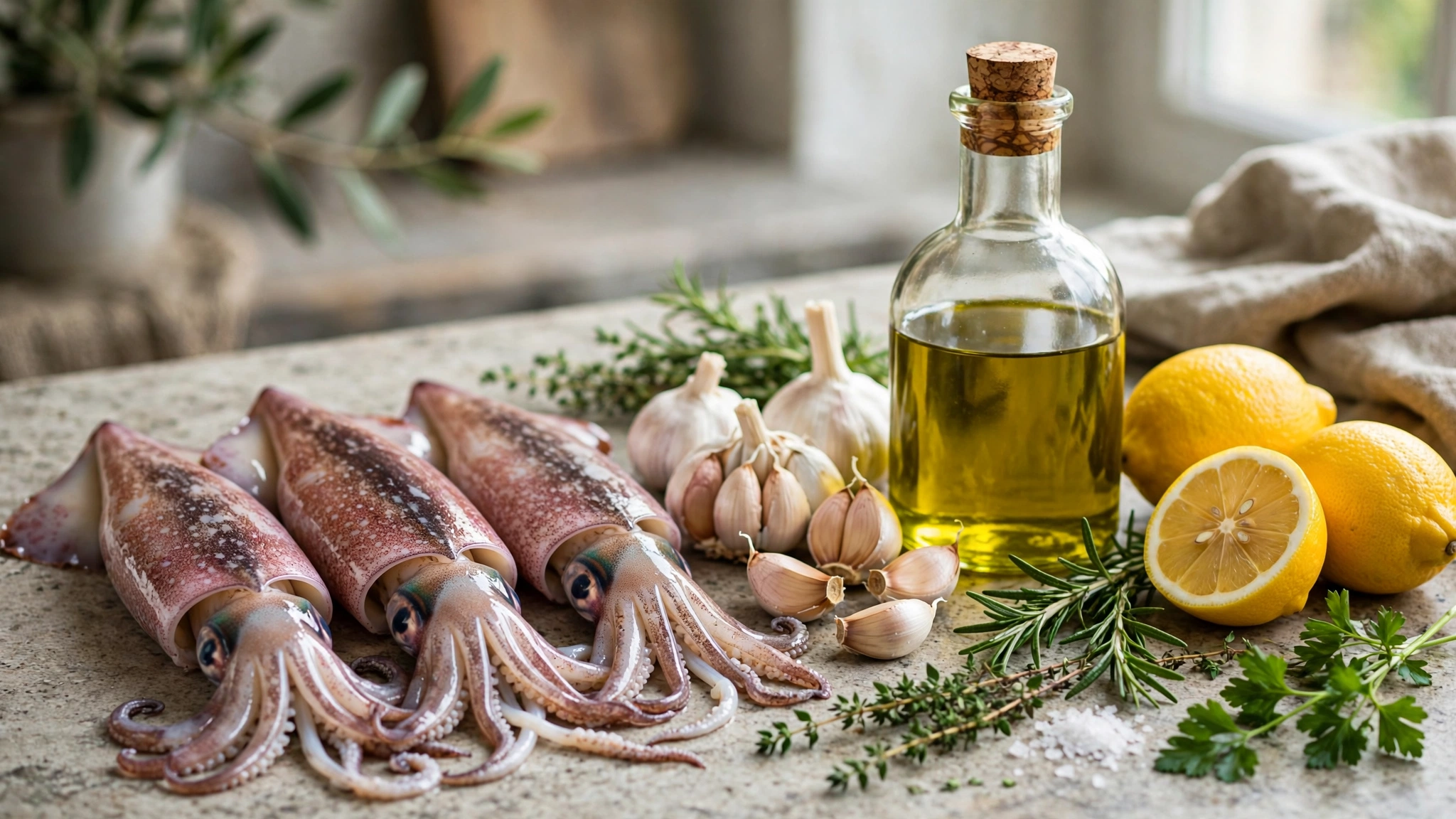
Fresh squid comes first, no question. Frozen squid works if that is all you can get, but fresh makes a real difference in how the dish tastes and feels. From there, the list stays short:
- Fresh squid, cleaned, or frozen squid thawed slowly and patted dry
- Extra virgin olive oil, absolutely required for the real Mediterranean character
- Fresh garlic cloves, not garlic powder
- Fresh herbs, such as parsley, oregano, or basil, depending on the regional style
- Good sea salt and fresh cracked pepper
- Lemon wedges, for squeezing over at the end
- Optional extras: a splash of white wine, cherry tomatoes, or chili flakes if you want heat
Keep it simple, because the squid should shine here. If you enjoy building meals around lean protein, vegetables, and olive oil, our Nutrition & Diet guides collect more ideas in the same pattern.
Step by Step Calamariere Recipe
Making the dish at home follows a simple order: clean, marinate, cook hot and fast, then serve right away.
- Clean the squid thoroughly. Pull off the head, tentacles, and innards, and remove the ink sac and the clear, plastic looking cartilage inside. Rinse everything really well under cold water.
- Mix the marinade. Stir olive oil, minced garlic, chopped herbs, salt, and pepper together in a bowl. Some cooks add lemon juice, which brightens the flavor.
- Marinate the squid. Toss the cleaned squid in the marinade until everything is coated evenly, then let it sit in the fridge for at least half an hour.
- Heat the grill or pan. Heat a grill or a heavy pan over high heat, with olive oil if you are sauteing.
- Cook 2 to 3 minutes per side. Cook until the squid just turns opaque and gets slightly charred.
- Finish and serve hot. Pull it off the heat immediately, squeeze lemon over the top, and scatter more fresh herbs before serving.
That short, hot cook is the heart of calamariere. Everything before it is preparation, and everything after it is serving.
Cooking Techniques for Tender Squid
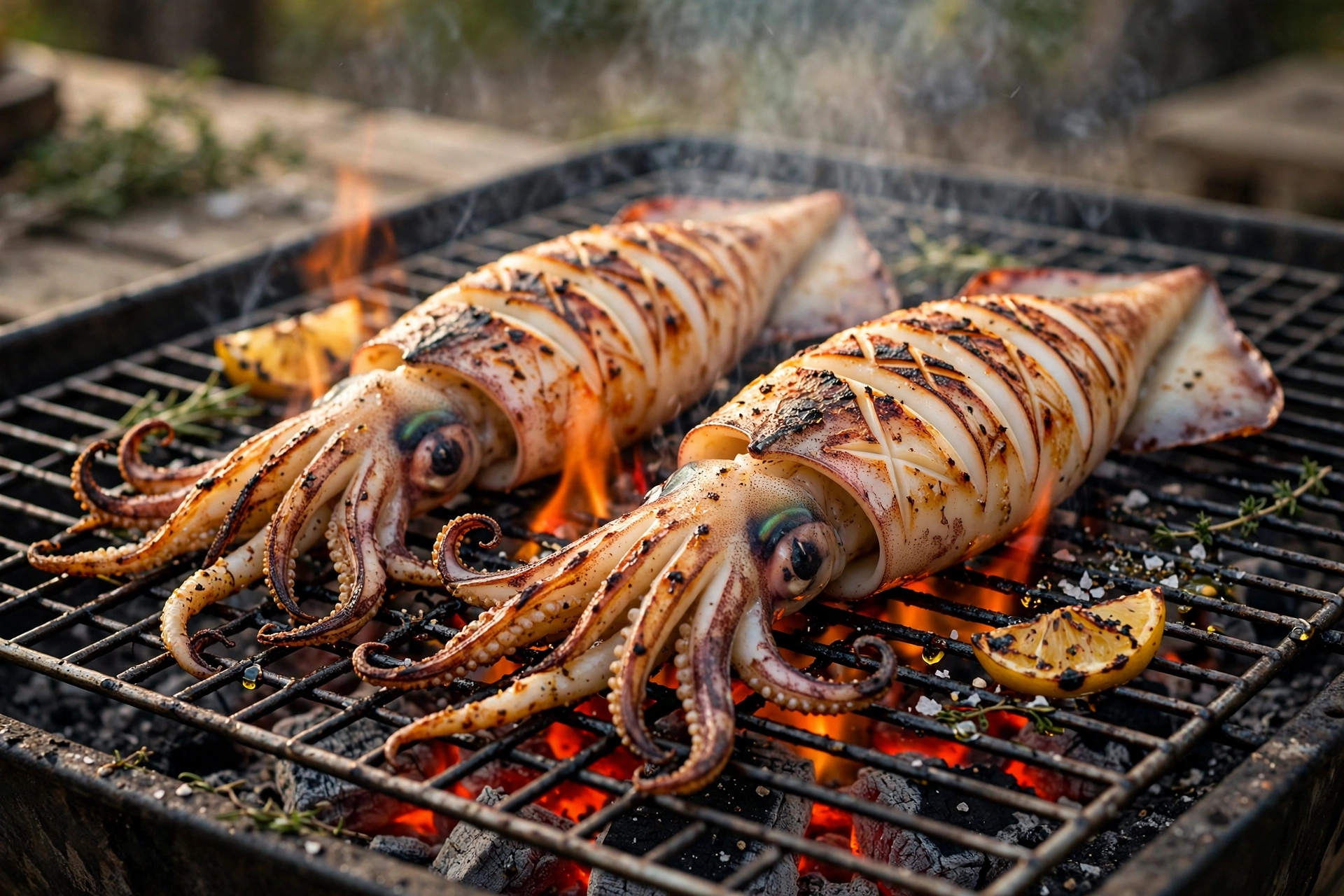
Cooking squid well needs actual focus, because the window between tender and tough is small. Grilling gives you a smoky, charred flavor, while pan sauteing in olive oil makes the result richer and more buttery.
Either way, the rule is the same: high heat and a very short cooking time, 2 to 3 minutes per side at most. Cook it too long and you will be chewing rubber bands, and nobody wants that.
You are aiming for tender with just a tiny bit of chew, not something your jaw gets tired trying to break down. That timing is literally the whole difference between a good calamariere and a disappointing, rubbery plate.
Regional Variations Across the Mediterranean
Every coastal region tells its own story through local ingredients and whatever grandmother taught the family. Sicily makes a bright, punchy version with capers, olives, and citrus zest. Up in Veneto, cooks serve the squid over polenta, which adds a hearty base that balances the seafood.
Liguria goes heavy on fresh herbs and pesto, so the dish smells incredible with all that basil mixing with garlic. Greece keeps it simple, with lemon and oregano mostly. Spain, meanwhile, throws in paprika and saffron.
Italian Stuffed Calamariere
The traditional Italian celebratory style stuffs the squid instead of grilling it plain. Cleaned squid bodies are packed with a filling of breadcrumbs, pine nuts, capers, and anchovies.
The stuffed squid then bakes in tomato sauce, braising slowly so all the flavors meld together with extra richness and serious depth. It takes far more time and effort, but cooks save it for special dinners or when they really want to impress somebody.
Greek Style Calamariere
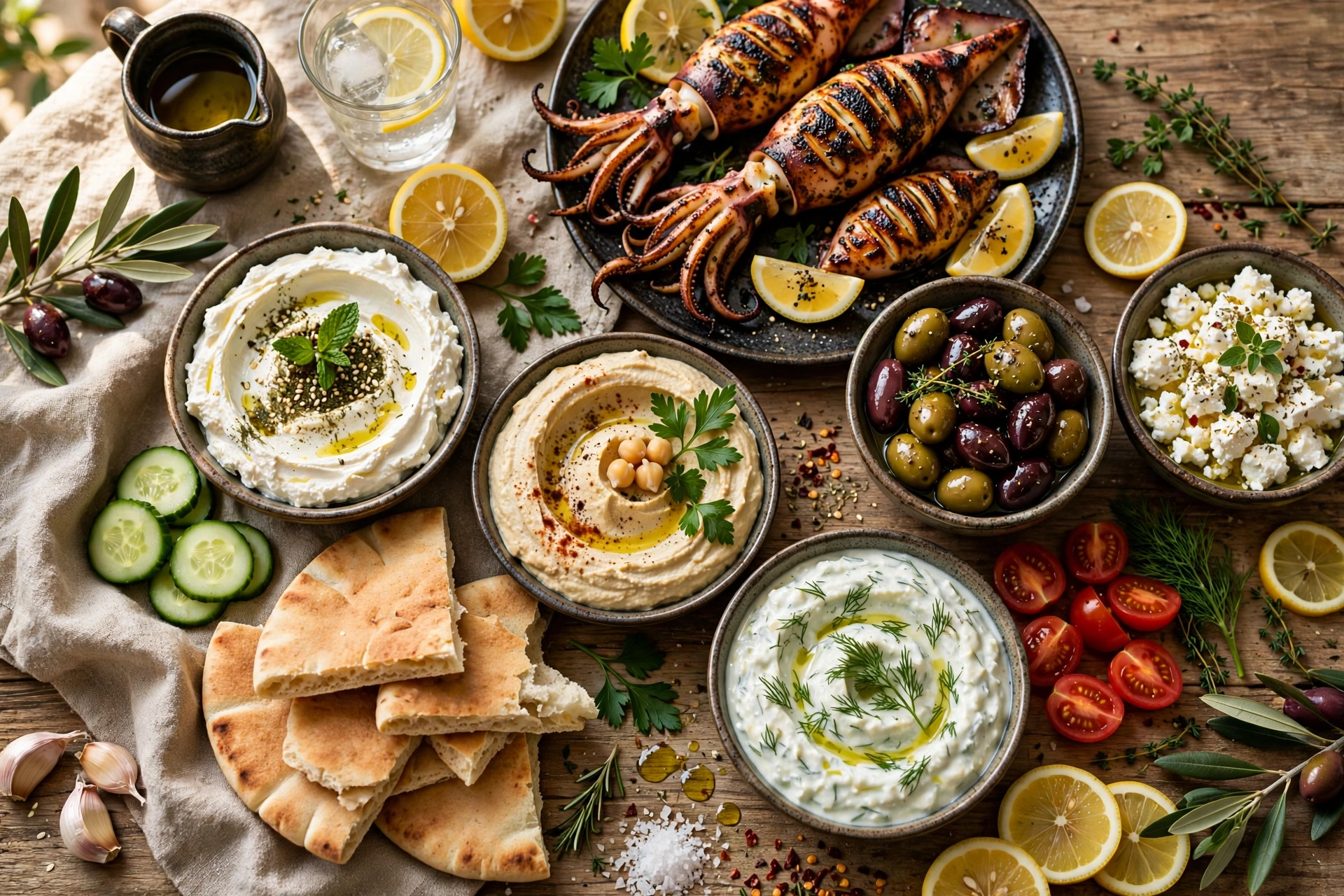
Greek style stays much simpler. Grilled squid arrives with tzatziki or with skordalia, a garlic potato dip, and the plate leans on heavy lemon, oregano, and olive oil to keep everything light and bright.
In addition, it often appears as part of a meze spread alongside other small plates, such as olives, feta, and dolmades. The Greek technique celebrates the main ingredient without burying it under heavy sauces or complicated preparations.
Calamariere Nutrition: What Squid Brings to the Table
Beyond the flavor, calamariere packs serious nutrition into a light plate. Squid is high in protein, which supports your muscles, without loading you with the fat and calories of beef or pork.
Squid is loaded with vitamin B12, which your red blood cells and brain need. The NIH Office of Dietary Supplements confirms that B12 is required for red blood cell formation and normal nervous system function, and our guide to the best vitamin B12 foods shows how seafood compares with other sources.
You also get selenium, which works as an antioxidant and supports the immune system, one of the systems covered in our guide to how to strengthen immunity. Squid also provides phosphorus and zinc for bone health and metabolism. Its omega-3 fatty acids, the same fats highlighted in our guide to the best foods for concentration, support heart health as part of a balanced diet.
Grilled Calamariere vs Fried Calamari
Regular fried calamari rings drown in oil and thick batter, which turns seafood into something much closer to junk food. Grilling or sauteing instead slashes the calories massively while keeping all the good nutrients intact.
One serving of grilled calamariere runs about 150 to 200 calories, depending on how you make it. Fried versions easily pass 400 calories from soaking up all that oil. Cooking with olive oil also brings heart healthy fats and antioxidants, instead of empty calories that leave you feeling heavy.
Wine Pairings for Calamariere
A crisp white wine, such as Pinot Grigio or Verdicchio, goes perfectly with this dish. Their acidity cuts through any richness while making the delicate squid flavor pop even more.
For grilled squid, a light rose brings fruity notes that suit the charred texture and seasonings. If you prefer red wine with seafood, a young Chianti has a bright fruitiness that will not overpower everything. Finally, sparkling wines like Prosecco clean your mouth between bites. Experiment and find what you like best.

Serving Suggestions and Presentation
Presentation matters here, because looks and garnish turn a basic plate into a small cultural experience. Serve the squid over greens or next to roasted vegetables for a nice color contrast.
Lemon wedges are absolutely necessary, both for taste and for making the plate look good. A drizzle of quality olive oil or a balsamic reduction makes a fancy finishing touch, and fresh parsley sprinkled on top adds brightness.
For example, some people serve crusty bread for soaking up the leftover marinade and juices. Keep portions reasonable, since squid fills you up despite being a lean protein.
Modern Fusion Variations
Modern chefs play with the dish, mixing Mediterranean traditions with Asian spices, Latin American flavors, and other cooking methods, while still respecting where it came from. Some mix squid with Asian sesame, ginger, and soy sauce.
Others go Latin with lime, cilantro, and warm peppers. Squid works with so many flavors, so you now see calamariere everywhere, from high end restaurants to beach shacks to food trucks.
Buying and Storing Fresh Squid
Fresh squid should smell like a clean ocean, not fishy at all. The eyes should be clear, and the flesh firm and springy, bouncing back when you press it. Skip squid that is slimy or smells like ammonia, a sign it is past its best.
Keep fresh squid in the coldest part of the fridge and use it within a day or two at most. Frozen squid lasts for months, but thaw it slowly in the fridge, never on the counter, and pat it dry before marinating so excess water does not dilute the flavor.
Once cooked, calamariere keeps about 2 days in the fridge, although it honestly tastes way better fresh off the heat.
Sustainable Seafood Choices
As more people around the world want squid, sustainable fishing becomes extremely important. When you buy squid, look for suppliers that follow environmentally responsible methods and avoid overfishing and wrecking marine ecosystems.
NOAA Fisheries explains how sustainable seafood is managed and why responsible sourcing matters. Look for squid with sustainable certifications, or buy from local fisheries doing responsible harvesting, so dishes like calamariere stick around for the next generation without destroying marine environments.
Common Mistakes When Cooking Squid
- Overcooking the squid. This is the biggest mistake of all, because it turns the squid into literal rubber bands. High heat and short time are everything.
- Not cleaning the squid properly. Leftover bits wreck the texture and taste completely.
- Using too much oil or thick batters. That totally misses the point of the dish’s light style.
- Not marinating long enough. A short marinade means you lose out on flavor depth.
- Using dried herbs instead of fresh. That sacrifices the authentic Mediterranean character the whole dish is known for.
Where to Find Authentic Calamariere
The best versions come from actual coastal Mediterranean towns, where seafood restaurants offer the dish straight from the ocean daily. Look for family owned places with a reputation for fresh ingredients and traditional cooking methods passed down through generations.
Upscale restaurants across Europe and America now feature calamariere on seafood menus as a lighter alternative to fried calamari. Beach eateries in coastal spots serve it fresh off the grill, sometimes on skewers with vegetables or drizzled with citrus dressing. If you cannot travel, find a Mediterranean restaurant near you and ask specifically about its squid preparations.
In coastal towns, the dish means more than just food. It carries cultural identity, tradition, and a connection to the sea that kept these communities alive for centuries. Families hand recipes down through generations, and seaside festivals often put seafood at center stage, highlighting dishes in the calamariere spirit.
Frequently Asked Questions
What is the difference between calamari and calamariere?
Calamari usually means battered, deep fried squid rings. Calamariere is the wider Mediterranean style, typically grilled or sauteed with olive oil and herbs, focusing on natural flavors instead of batter.
How do you keep squid from getting rubbery?
Cook it over very high heat for a very short time, 2 to 3 minutes per side at most. Overcooking is what turns squid tough and chewy, like rubber bands.
Is calamariere a healthy choice?
In general, yes. It is high in protein, relatively low in calories, and full of nutrients like vitamin B12, minerals like selenium and zinc, plus omega-3 fatty acids. It is a much lighter choice than fried versions, especially as part of a balanced diet.
Can I use frozen squid for calamariere?
Yes, you can. Fresh tastes better, but frozen works well if you thaw it slowly in the fridge and pat it super dry before marinating, to get rid of excess water.
What wine pairs best with calamariere?
Crisp whites like Pinot Grigio, Verdicchio, or Sauvignon Blanc work great. A light rose or a sparkling Prosecco also pairs nicely with grilled squid.
How long does cooked calamariere keep?
It keeps about 2 days in the fridge. It tastes best fresh off the heat, though, so plan to eat it the day you cook it whenever you can.
What does the word calamariere mean?
It comes from calamaro, the Italian word for squid. Further back, the Latin word calamarium meant inkpot, a nod to the ink squid release when they feel threatened.
The Bottom Line
Calamariere turns one simple ingredient into a complete Mediterranean plate: fresh squid, olive oil, garlic, herbs, high heat, and almost no fuss. As Mediterranean food influences global trends, chefs keep testing new presentations while respecting those traditional foundations.
As a next step, buy the freshest squid you can find this week, marinate it for half an hour, and give it 2 to 3 hot minutes per side.
This article is general information only and is not medical advice. If you have ongoing health concerns, please talk to a healthcare professional.