Foods for Concentration: 7 Smart Picks for Focus and Steady Energy
 If your focus fades by mid-morning, your breakfast may be part of the problem. The right foods for concentration give your brain steady fuel instead of sugar spikes and crashes. In fact, your brain uses about 20% of your body’s total energy, so the quality of that fuel matters all day long.
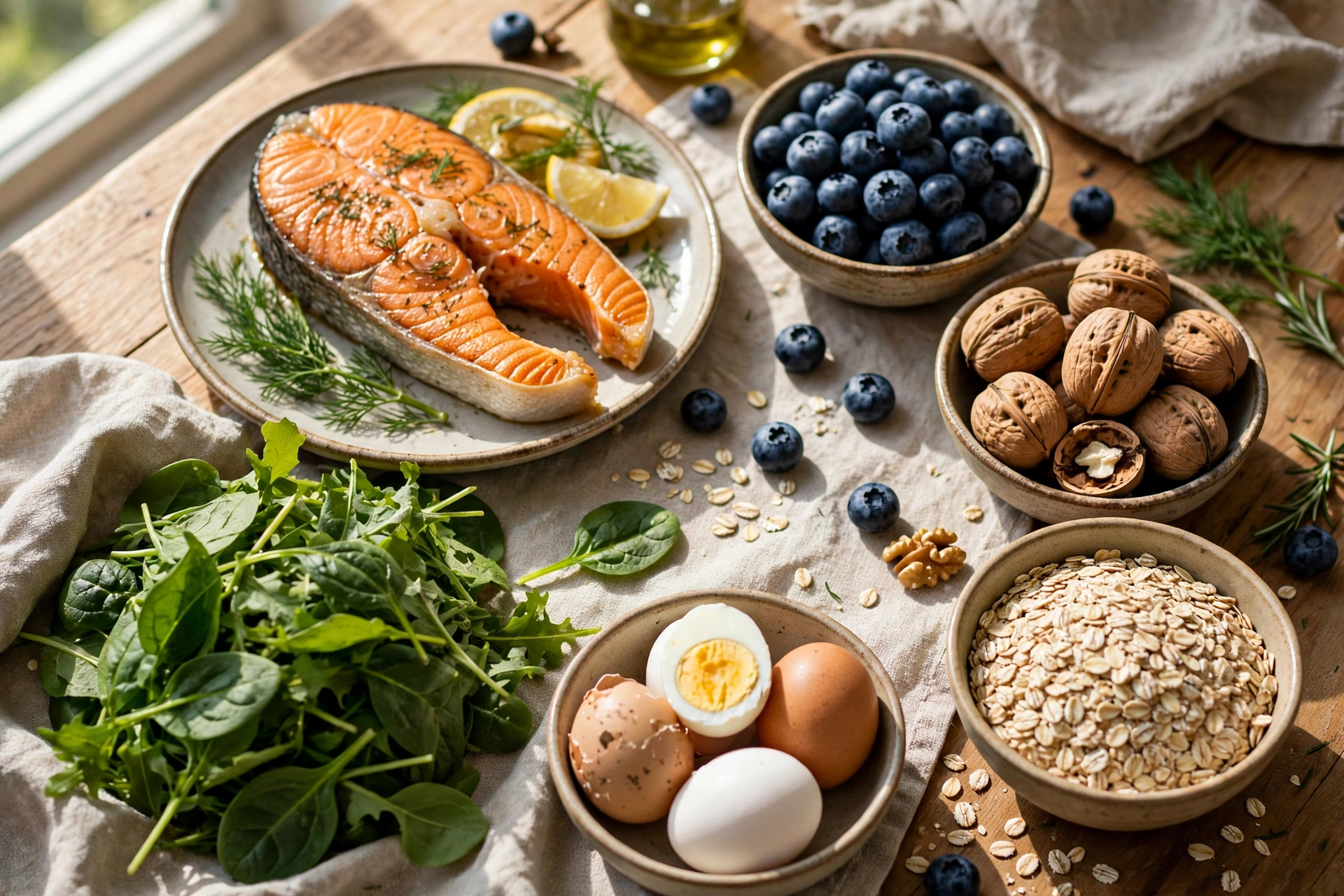
The good news is that eating for focus is not complicated. Fatty fish, berries, eggs, leafy greens, nuts, and whole grains cover the nutrients your brain relies on most. Harvard Health notes that the foods tied to better brainpower are largely the same ones that protect the heart and blood vessels.
This guide explains the key nutrients first. Then it lists the seven best foods, builds them into a full day of meals, and shows which foods quietly work against you.
Contents
- Why food affects concentration
- The key nutrients that matter
- The 7 best foods for concentration
- A full day of eating, meal by meal
- Foods that undermine concentration
- A sample day of eating
- Frequently asked questions
- Conclusion
Why Food Affects Concentration
Your brain never really switches off. Even at rest, it burns through a large share of your energy, about 20% of your total. Because of this, it needs a steady supply of glucose, healthy fats, vitamins, and protein building blocks.
When that supply swings up and down, your focus usually swings with it. A sugary breakfast, for example, can give you a quick lift and then a foggy crash an hour later. In contrast, meals built on whole foods release energy slowly and evenly.
Missing key nutrients shows up in familiar ways: mental fog, low energy, mood swings, and trouble concentrating. However, when you eat well, your mood tends to even out, and your attention lasts longer. Small, consistent food choices across the day can make a noticeable difference to your mental edge.
Key Nutrients in the Best Foods for Concentration
Omega-3 Fatty Acids for Brain Cell Health
Omega-3 fats, mainly DHA and EPA, help build and maintain healthy brain cell membranes. They also help your brain cells communicate with each other. In addition, they have anti-inflammatory effects that support the brain over time.
You will find them in fatty fish such as salmon, mackerel, and sardines. Plant sources include chia seeds, walnuts, and flaxseed oil. The NIH Office of Dietary Supplements notes that DHA levels are especially high in the brain, which is one reason these fats get so much attention. Getting enough omega-3s is linked to better memory and a steadier mood.

Complex Carbs for Steady Energy
Complex carbohydrates digest slowly, so glucose reaches your brain at a gentle, steady pace. Refined sugar does the opposite: it spikes your energy, then lets it crash.
Strong choices include oats, quinoa, sweet potatoes, brown rice, and whole grain bread. Because these foods also carry fiber, they keep you full for longer as well. As a result, they form the backbone of most focus friendly meals.
B Vitamins for Nerves and Neurotransmitters
B vitamins, especially B6, folate (B9), and B12, support healthy nerves and help your body make the neurotransmitters your brain needs. They also help your body turn food into usable energy. When intake runs low, focusing gets harder, and tiredness and irritability often follow.
Good sources include leafy greens, eggs, lean meats, legumes, and fortified cereals. Our ranked guide to the best vitamin B12 foods shows exactly how much B12 each source provides.
Antioxidants That Guard Brain Cells
Every day, normal body processes create free radicals, unstable molecules that can damage cells. This damage is called oxidative stress, and brain cells are not spared. Antioxidants help neutralize free radicals before they do harm.
Blueberries, spinach, green tea, turmeric, and a little dark chocolate all supply antioxidants. To be honest about the evidence, no single food has been proven to prevent memory loss or brain disease, and research is still developing. Even so, antioxidant rich foods are a sensible, low risk part of a brain friendly eating pattern.
Protein and Amino Acids for Mood and Focus
Protein provides amino acids, the raw materials for neurotransmitters such as dopamine and serotonin. These chemical messengers help regulate mood, motivation, and focus.
Eggs, Greek yogurt, lentils, tofu, and poultry are all practical sources. A moderate amount of protein at each meal helps stabilize your energy and keep your mind clear. It is a small change, but it makes a real difference across a long workday.
The 7 Best Foods for Concentration
This short list pulls the nutrients above into foods you can buy anywhere. Each one earns its place for a different reason, and together they cover a full day with ease.
1. Fatty Fish, Like Salmon and Sardines
Salmon, mackerel, and sardines deliver DHA and EPA directly, with no conversion step. They also add high quality protein to the plate. If you eat fish, two fish meals a week cover this base well.
2. Blueberries
Blueberries are one of the richest everyday sources of antioxidants. A handful works at breakfast, stirred into yogurt, or as a simple snack. Fresh or frozen both count, so use whichever you have.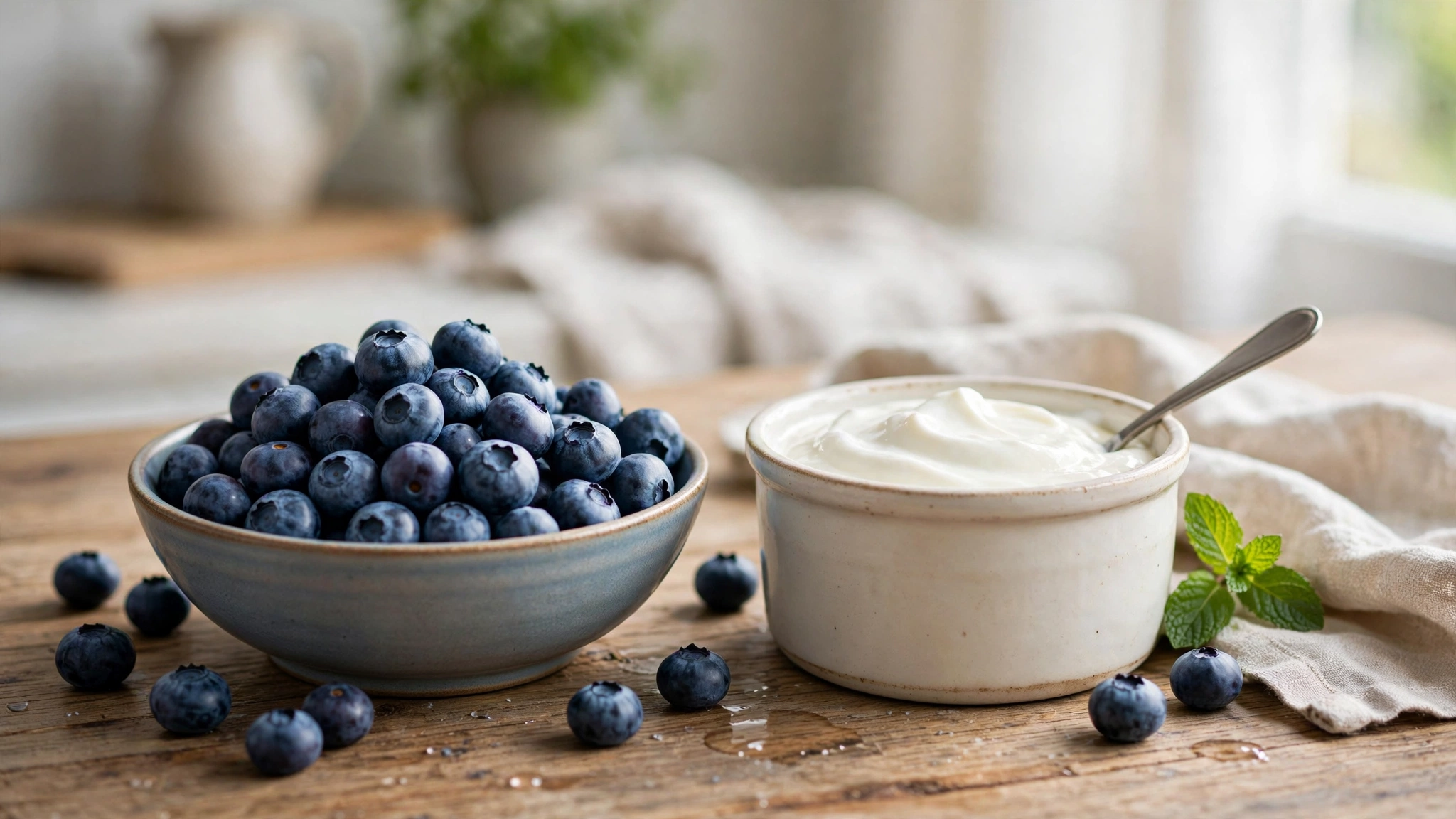
3. Eggs, an Easy Protein for Focus
Eggs give you protein, B vitamins, and healthy fats in one cheap package. They suit breakfast, lunch boxes, and quick dinners alike. Boiled eggs also travel well, which makes them an easy desk snack.
4. Leafy Greens, Like Spinach
Spinach and other leafy greens supply folate, antioxidants, and vitamin K. They are easy to add to eggs, soups, sandwiches, and smoothies. A daily handful is a realistic goal for most people. Many of these same foods also appear in our guide to how to strengthen immunity, because the two systems share several key nutrients.
5. Walnuts and Mixed Nuts
Walnuts bring plant based omega-3s, while mixed nuts add protein and healthy fats. A small handful makes a filling snack that will not spike your blood sugar. Keep portions modest, though, because nuts are calorie dense.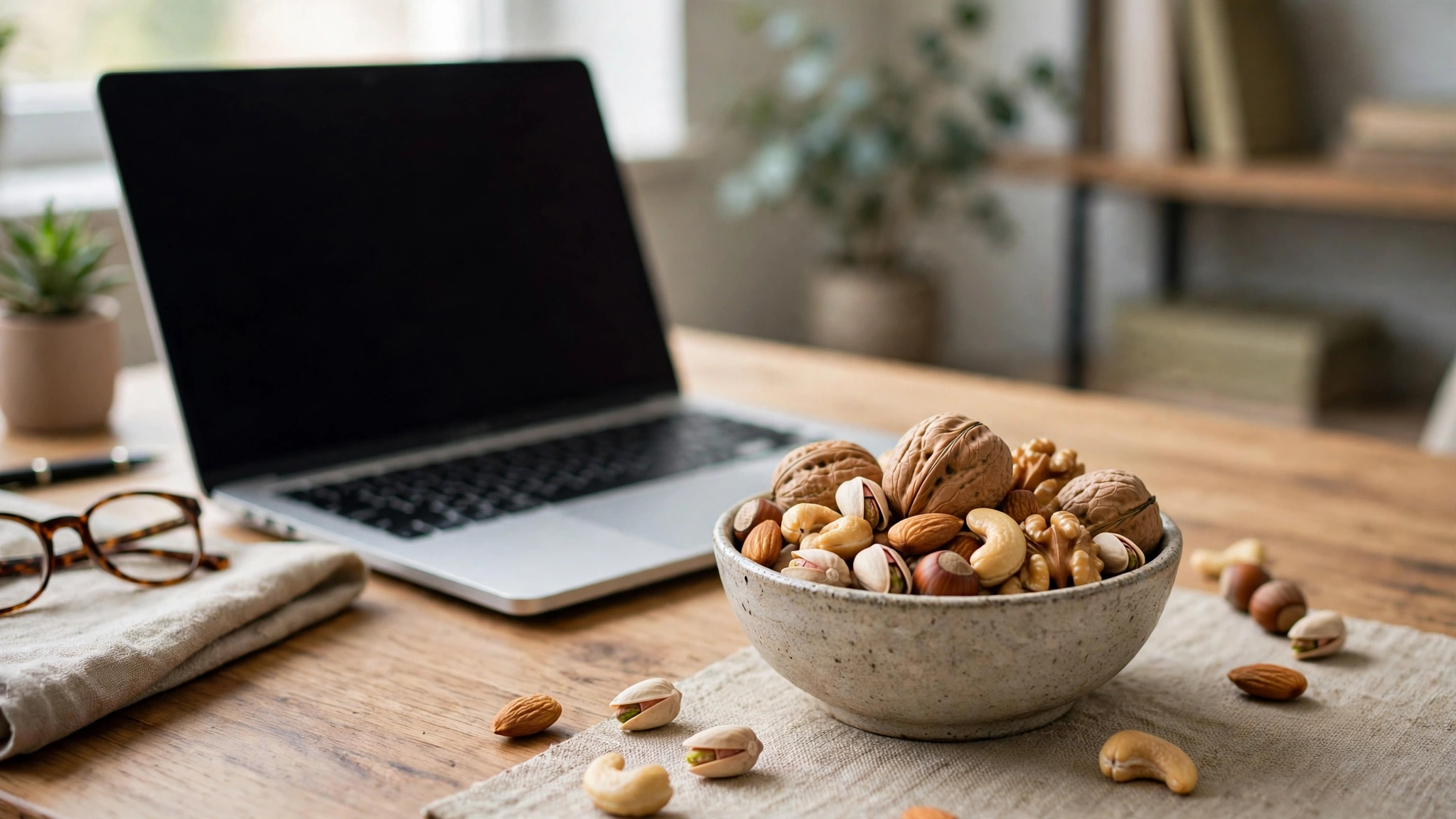
6. Oats and Other Whole Grains
Oats, quinoa, brown rice, and whole grain bread all release energy slowly. Starting the day with oatmeal is one of the simplest upgrades you can make. Whole grains also pair well with almost everything else on this list.
7. Greek Yogurt
Greek yogurt offers protein, B vitamins, and probiotics in one food. It works at breakfast, as a snack, or as a base for berries and nuts. Choose plain versions whenever you can, to keep added sugar low.
A Full Day of Foods for Concentration, Meal by Meal
Knowing the foods is one thing. Fitting them into a real day is another. Here is how the pattern comes together, from breakfast to dinner.
Breakfast: Set the Tone Right
Breakfast refuels your brain after a whole night without food. The best options combine protein, healthy fats, and slow release carbs:
| Food | Why it helps |
|---|---|
| Oatmeal with berries | Steady glucose plus antioxidants |
| Eggs and avocado toast | Protein plus healthy fats for fullness |
| Greek yogurt with nuts | Probiotics plus brain friendly fats |
Skip the sugary cereals and pastries. They taste fine, but they set you up for a blood sugar crash well before lunchtime.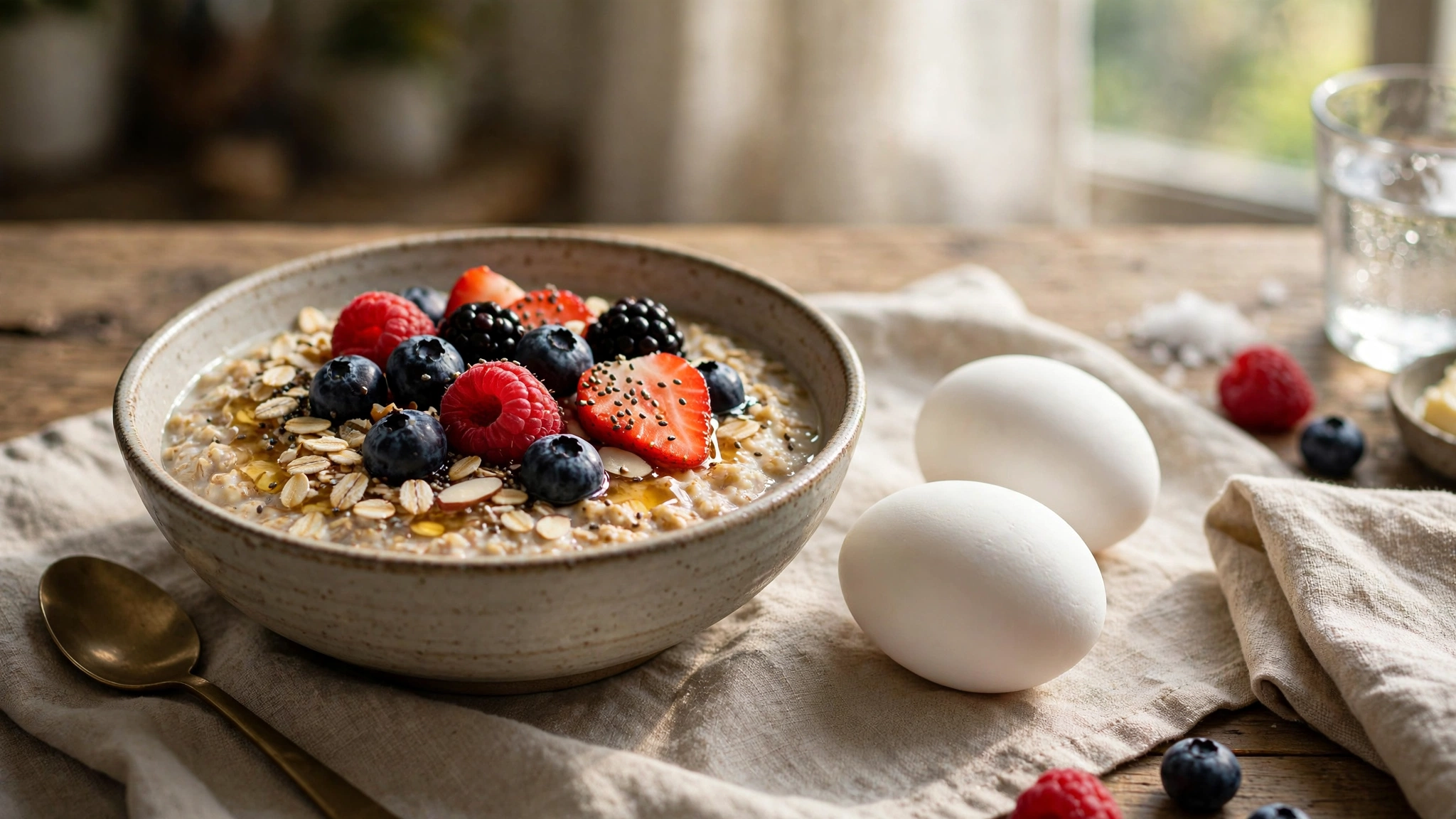
Mid-Morning Snack: Stay Sharp
Your brain runs on a constant flow of energy, especially through a long morning. Good options include apple slices with almond butter, boiled eggs with cherry tomatoes, or a handful of mixed nuts. Fat and protein together keep you alert, and they help you avoid the afternoon dip.
Lunch: Keep It Light and Balanced
Heavy lunches often leave people sluggish for hours. A lighter, balanced plate works much better:
| Protein | Healthy carb | Vegetables | Bonus fat |
|---|---|---|---|
| Grilled chicken | Quinoa | Steamed broccoli | Olive oil drizzle |
| Lentil soup | Whole grain crackers | Side salad | Avocado |
| Tofu stir-fry | Brown rice | Peppers and carrots | Sesame oil |
Stay hydrated through the day, and choose water, sparkling water, or unsweetened green or herbal tea instead of sugary drinks.
Afternoon Pick-Me-Up, Without the Crash
When the urge for coffee or sweets hits, try brain friendly snacks first. Dark chocolate squares with walnuts, cottage cheese with pineapple, or edamame with sea salt all work well. A small amount of protein with a little natural sugar, such as nuts with fruit, keeps you going without the later slump.
Dinner: Recover for Tomorrow
Dinner is your chance to restock nutrients for the next day. Strong plates include salmon with roasted sweet potatoes and sautéed spinach, stir-fried tofu with brown rice and bok choy, or turkey chili with beans and mixed greens.
Eating well in the evening also supports the sleep that tomorrow’s focus depends on. And because focus and mood are closely linked, pairing these meals with a few simple mental health exercises rounds out the picture nicely.
Foods and Habits That Undermine Concentration
Some foods quietly undo your good work. You do not need to ban them forever, but knowing the pattern helps you plan around them.
Refined Sugars
Candy, pastries, sugary drinks, and white bread send blood sugar on a rollercoaster. The high feels brief, and the foggy low that follows is where concentration suffers most. Swapping even one sugary item a day is a solid start.
Highly Processed Foods
Packaged snacks, fast food, and many frozen dinners pack in trans fats, salt, and preservatives, with very few useful nutrients. In other words, they fill you up without feeding your brain. Whole foods give you far more per bite.
Too Much Caffeine
Caffeine can sharpen concentration for a short while. However, too much of it often leads to jitters, stress, and poor sleep, which then hurts the next day’s focus. A practical rule is to stop caffeine by early afternoon, and to drink enough water through the day. As MedlinePlus explains, good nutrition simply means regularly choosing foods and drinks that give your body the energy and nutrients it needs.
A Sample Day of Eating for Better Concentration
Here is the whole approach on one page:
| Time | Meal | What to eat |
|---|---|---|
| 8:00 AM | Breakfast | Scrambled eggs, spinach, and whole grain toast |
| 10:30 AM | Snack | Greek yogurt with a handful of walnuts |
| 1:00 PM | Lunch | Grilled chicken quinoa bowl with roasted vegetables |
| 3:30 PM | Snack | Apple slices with almond butter |
| 7:00 PM | Dinner | Baked salmon, sweet potato, and kale |
Notice the pattern: protein at every meal, slow carbs, colorful plants, and water through the day. You can rotate the foods freely and still keep the same structure.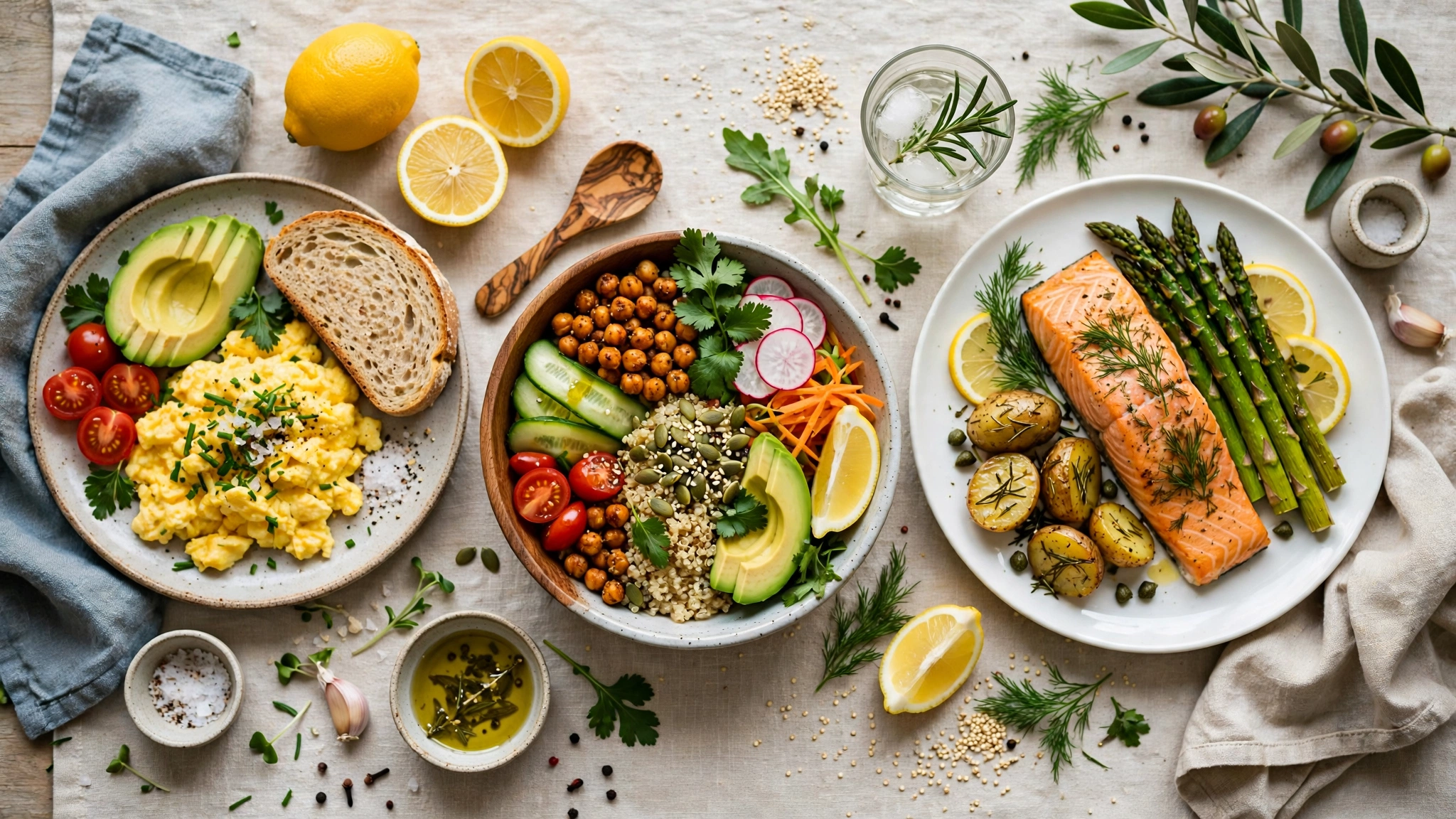
Frequently Asked Questions
What are the best foods for concentration at work?
Fatty fish, eggs, blueberries, leafy greens, nuts, and whole grains are the most practical picks. Together, they cover omega-3s, B vitamins, antioxidants, and protein inside normal meals. Desk friendly options, like walnuts and boiled eggs, make the habit easy to keep.
What should I eat before an exam or a big meeting?
Choose a balanced meal one to two hours before: complex carbs for steady glucose, plus some protein and healthy fats. Oatmeal with berries and nuts, or eggs on whole grain toast, both fit well. Avoid heavy, greasy food and large amounts of sugar, which can leave you sluggish or foggy.
Does coffee help concentration?
For most people, a moderate amount of caffeine sharpens attention for a short time. The catch is the rebound: too much can cause jitters and restless sleep, which damages focus the next day. Keeping caffeine to the morning and early afternoon is a sensible compromise.
Which foods make concentration worse?
Refined sugars, sugary drinks, and highly processed foods are the main culprits. They spike and then crash your blood sugar, and they crowd out nutrient rich foods. Excess caffeine late in the day belongs on the list too, mainly because of what it does to sleep.
How quickly will changing my food improve my focus?
Honestly, food is not a switch you can flip. Many people notice steadier energy within days of swapping sugary breakfasts for protein and whole grains. Deeper benefits build over weeks of consistent eating, and the evidence for long term brain protection is still developing. Think pattern, not miracle meal.
Do I need supplements to concentrate better?
Most people can cover these nutrients with food, which is why this guide focuses on meals, not products. If you eat no animal foods, pay attention to B12 from fortified foods, as our B12 guide explains. If focus problems persist, talk to a healthcare professional rather than guessing with supplements.
Conclusion
In short, the best foods for concentration are ordinary foods used well: fatty fish, berries, eggs, greens, nuts, whole grains, and yogurt. They deliver steady glucose, key vitamins, antioxidants, and the building blocks for neurotransmitters. No single meal will transform your focus, but a consistent pattern genuinely supports clearer, calmer workdays.
As a next step, pick one upgrade for tomorrow, such as oatmeal instead of a pastry, and browse our Nutrition & Diet guides for more meal ideas.
General information only: this article is not medical advice, and if you have ongoing problems with concentration, memory, or fatigue, please talk to a healthcare professional.





One Comment