Is PB&J Fattening? The Honest Answer, With the Calorie Math
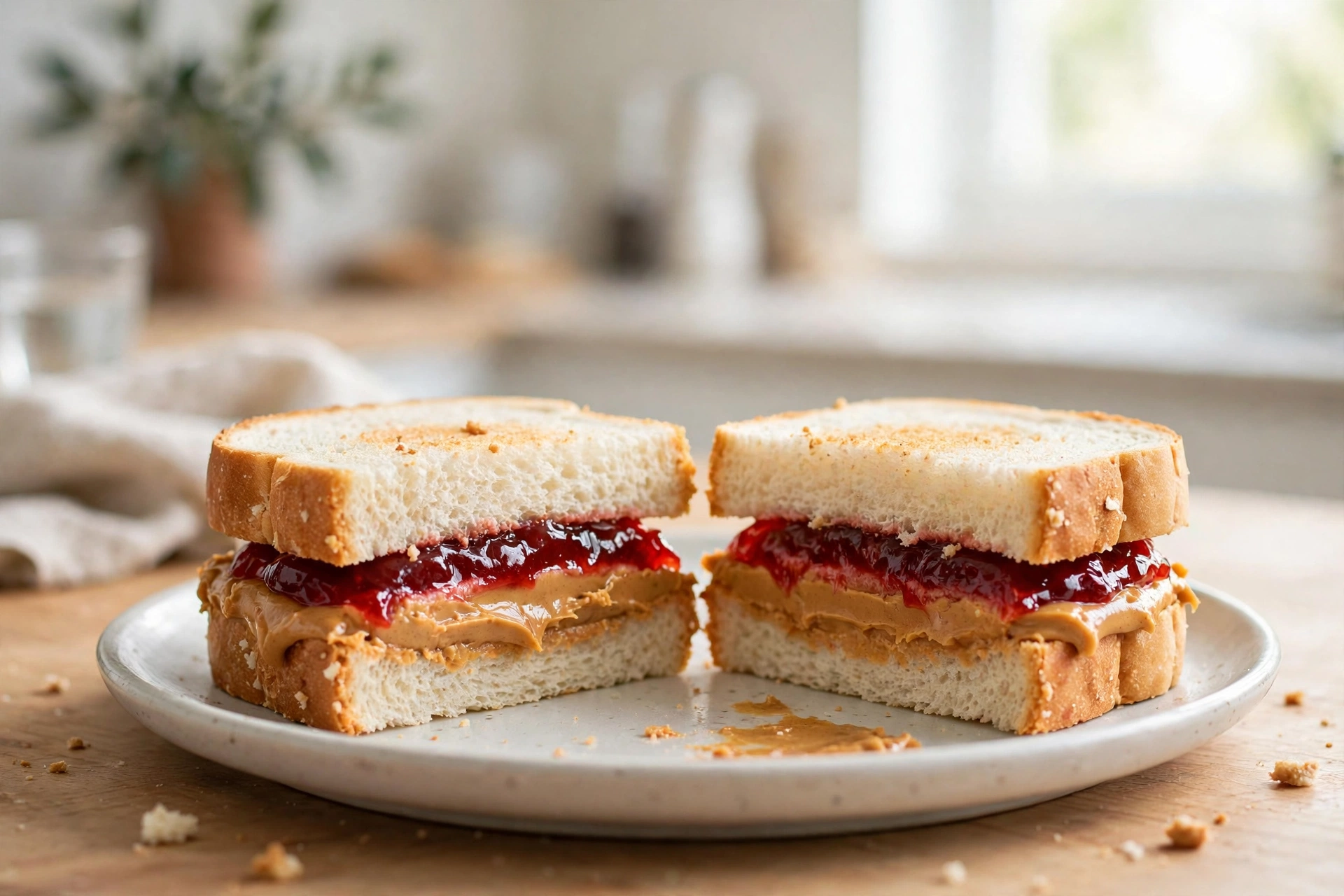
The short answer is no, not by itself. So, is PB&J fattening in real life? It depends on your portion, your ingredients, and the rest of your day. A standard peanut butter and jelly sandwich has about 380 to 420 calories, which is close to a small meal.
The PB&J is quick, cheap, and filling, so it shows up in lunchboxes everywhere. However, it is also energy dense, which means a small sandwich can hide a lot of calories. This guide breaks down every ingredient, shows when the sandwich can add pounds, and shares five simple swaps that keep it lighter. The nutrition figures below match the standard portions listed in references such as USDA FoodData Central, so you can check any label against them.
Key takeaways
- A standard PB&J has about 380 to 420 calories.
- No single food is fattening on its own; your total daily calories decide weight change.
- Thick spreads and sugary jelly can push one sandwich past 600 calories.
- Whole grain bread, measured peanut butter, and fresh fruit keep it balanced.
Contents
- What fattening really means
- PB&J calories and nutrition
- When a PB&J can add pounds
- Why it can fit a healthy diet
- Standard vs overloaded calories
- 5 swaps for a healthier PB&J
- Frequently asked questions
- The bottom line
What Does “Fattening” Really Mean?
A food earns the label fattening when it regularly pushes you past the calories your body needs. Weight gain comes from eating more energy than you burn over time, not from one single food. So the sandwich itself is not the problem; the pattern around it is.
Fat also packs more energy into each gram than protein or carbs. As MedlinePlus explains, fat has twice as many calories as proteins or carbohydrates. That is why peanut butter, the fattiest part of the sandwich, drives most of its calorie count.
In short, ask two questions about any food. How many calories does it carry, and how often do you eat it? The sections below answer both questions for the PB&J.
PB&J Calories and Nutrition, Ingredient by Ingredient
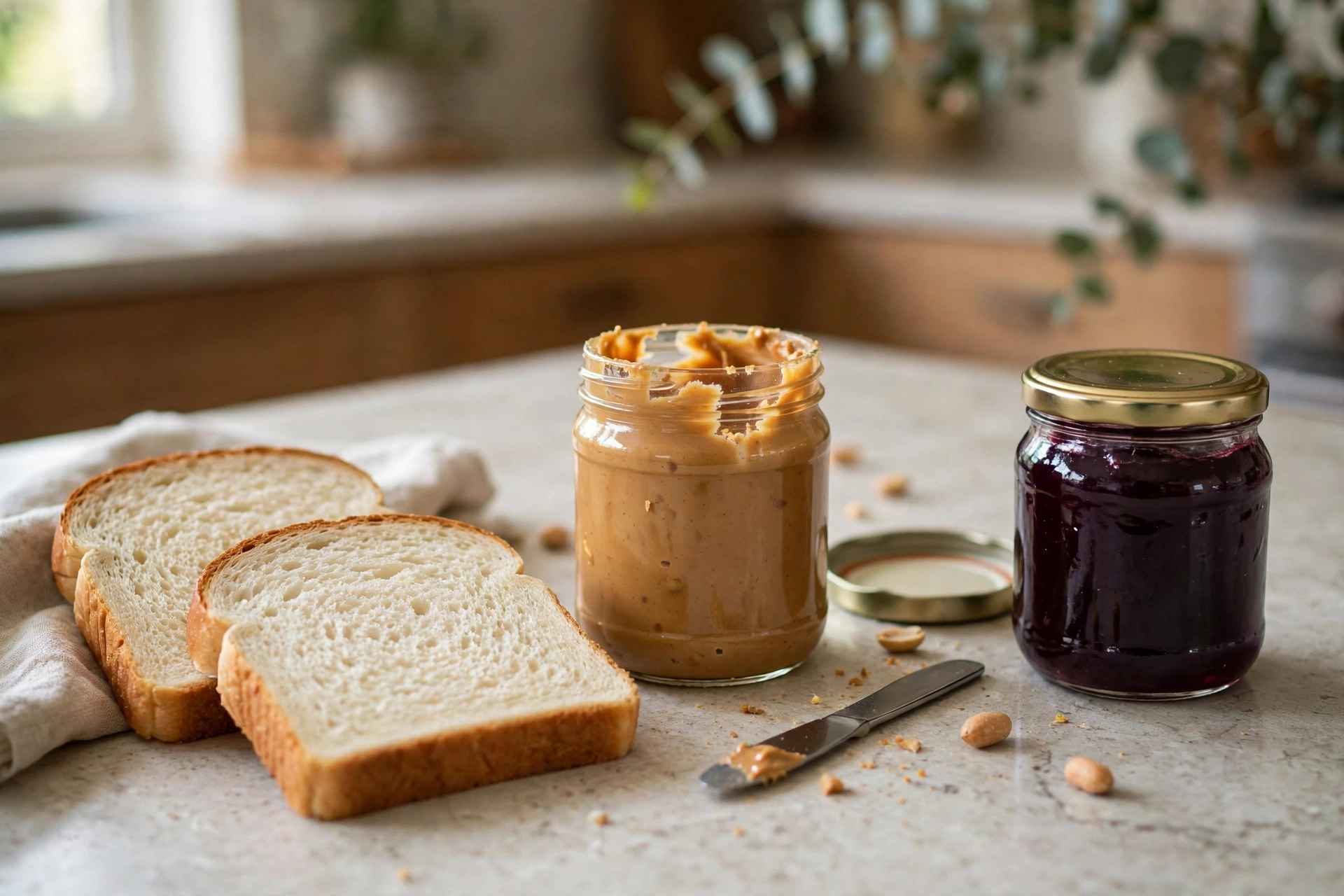
A classic PB&J uses three simple ingredients: bread, peanut butter, and jelly. Each one adds its own calories and nutrients. The table below uses the standard portions most people make at home.
| Ingredient | Portion | Calories | Key nutrients |
|---|---|---|---|
| Bread | 2 slices | 140 to 160 | 25 to 30 g carbs, 1 to 3 g fiber |
| Peanut butter | 2 tablespoons | 180 to 200 | 16 g fat, 7 to 8 g protein |
| Jelly or jam | 1 tablespoon | 50 to 60 | 10 to 13 g sugar |
| Total sandwich | 1 sandwich | 380 to 420 | A mix of carbs, fat, and protein |
The Bread
Bread forms the base, and it adds 140 to 160 calories for two slices. It also brings 25 to 30 grams of carbohydrates. Fiber stays low at 1 to 3 grams when you use white bread. In contrast, whole grain bread raises the fiber and supports better blood sugar control.
The Peanut Butter
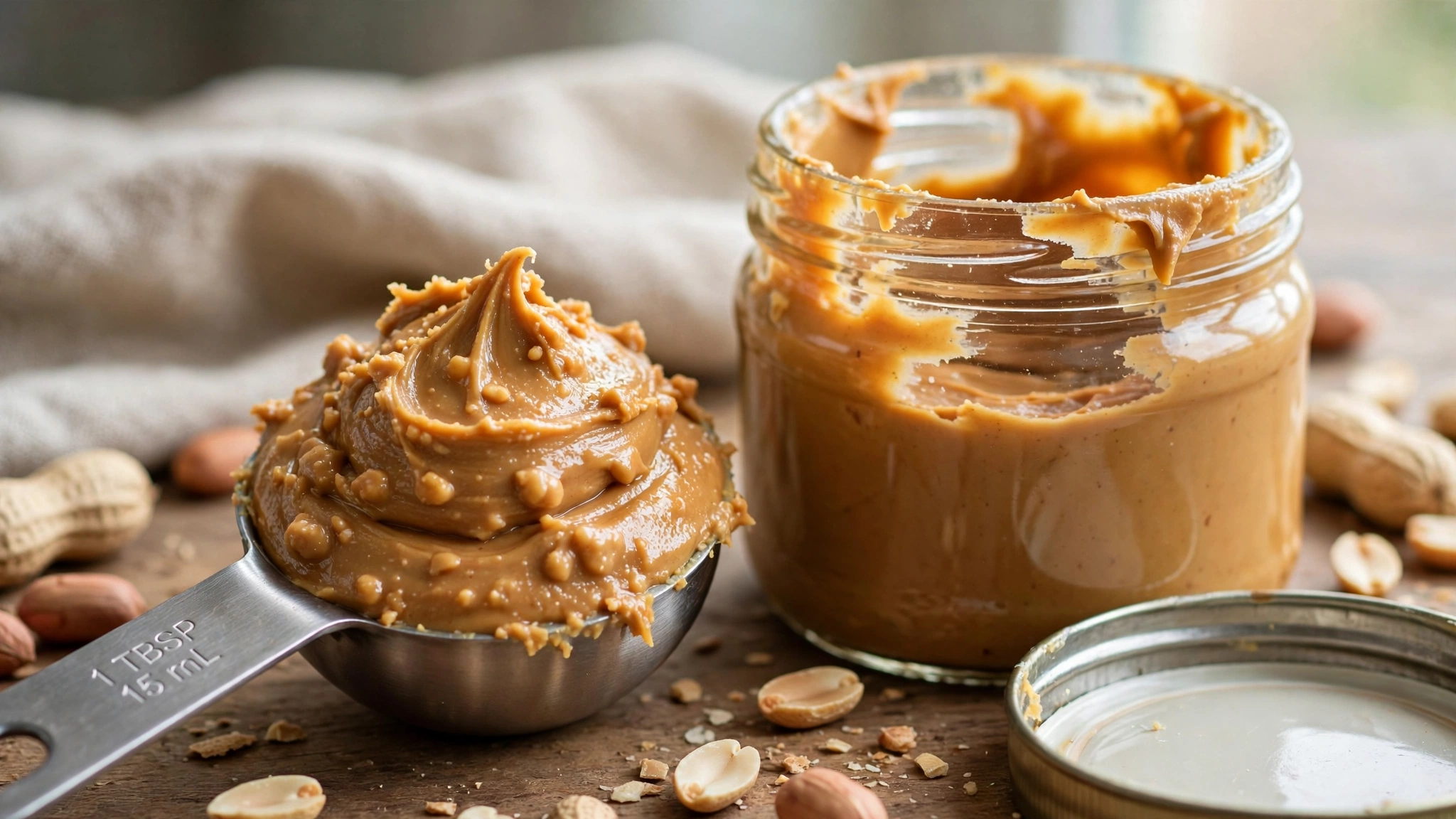
Peanut butter is the calorie heavyweight here. Two tablespoons add 180 to 200 calories, 16 grams of fat, and 7 to 8 grams of protein. Most of that fat is the healthier unsaturated kind. Still, the calories climb fast, because one heaping spoon holds far more than two level tablespoons.
The Jelly or Jam
Jelly adds sweetness for 50 to 60 calories per tablespoon. Almost all of that is sugar, about 10 to 13 grams. It brings flavor, but almost no fiber, protein, or vitamins. Because of this, it is the easiest ingredient to lighten.
So, Is PB&J Fattening? It Depends on These 3 Things
Here is the honest answer to is PB&J fattening: the sandwich becomes a problem in three common situations.
First, portions creep up. Thick bread, heaping spoonfuls of peanut butter, and extra jelly can turn one sandwich into a meal of more than 600 calories.
Second, the ingredients lean sugary. White bread and high sugar jelly add calories with very little nutrition to balance them.
Third, the rest of your day is already full. If your other meals already cover your needs, a daily calorie dense sandwich leaves no room to spare.
None of this makes the PB&J a bad food. It simply means the sandwich rewards a little attention, like any energy dense meal.
Why a PB&J Can Fit a Healthy Diet
Made with decent ingredients, this sandwich earns its place. Peanut butter gives protein and healthy fats, and that mix helps you feel full for longer. As a result, a PB&J can control appetite better than a sugary snack with the same calories.
The balance also works in its favor. Carbs from the bread give quick energy, while fat and protein slow digestion down. That steady mix is why the sandwich suits active people and growing kids so well.
In addition, the ingredients can be nutrient dense. Whole grain bread and natural peanut butter add fiber, B vitamins, and healthy fats to your day. If you want more foods that cover daily vitamins, our list of vitamin B12 foods is a helpful companion. And for lunch ideas that keep your energy steady all afternoon, see these foods that boost productivity and concentration.
Standard vs Overloaded: How the Calories Climb
Small changes at each layer explain the gap between a reasonable sandwich and a heavy one. The table below compares the two versions side by side.
| Version | What changes | Calories |
|---|---|---|
| Standard PB&J | 2 slices bread, 2 tbsp peanut butter, 1 tbsp jelly | 380 to 420 |
| Overloaded PB&J | Thick white bread, heaping peanut butter, sugary jelly | More than 600 |
The overloaded version is not a different food. It is the same sandwich with looser portions. That is good news, because tighter portions fix the problem without giving the sandwich up.
5 Simple Swaps for a Healthier PB&J
You do not need to quit the sandwich to make it lighter. These five swaps keep the flavor and trim the extras.
- Choose whole grain bread. It adds fiber and keeps you full longer than white bread.
- Measure the peanut butter. Stick to two level tablespoons instead of guessing.
- Pick a lighter spread. Low sugar or fruit only spreads cut added sugar, and they skip high fructose corn syrup.
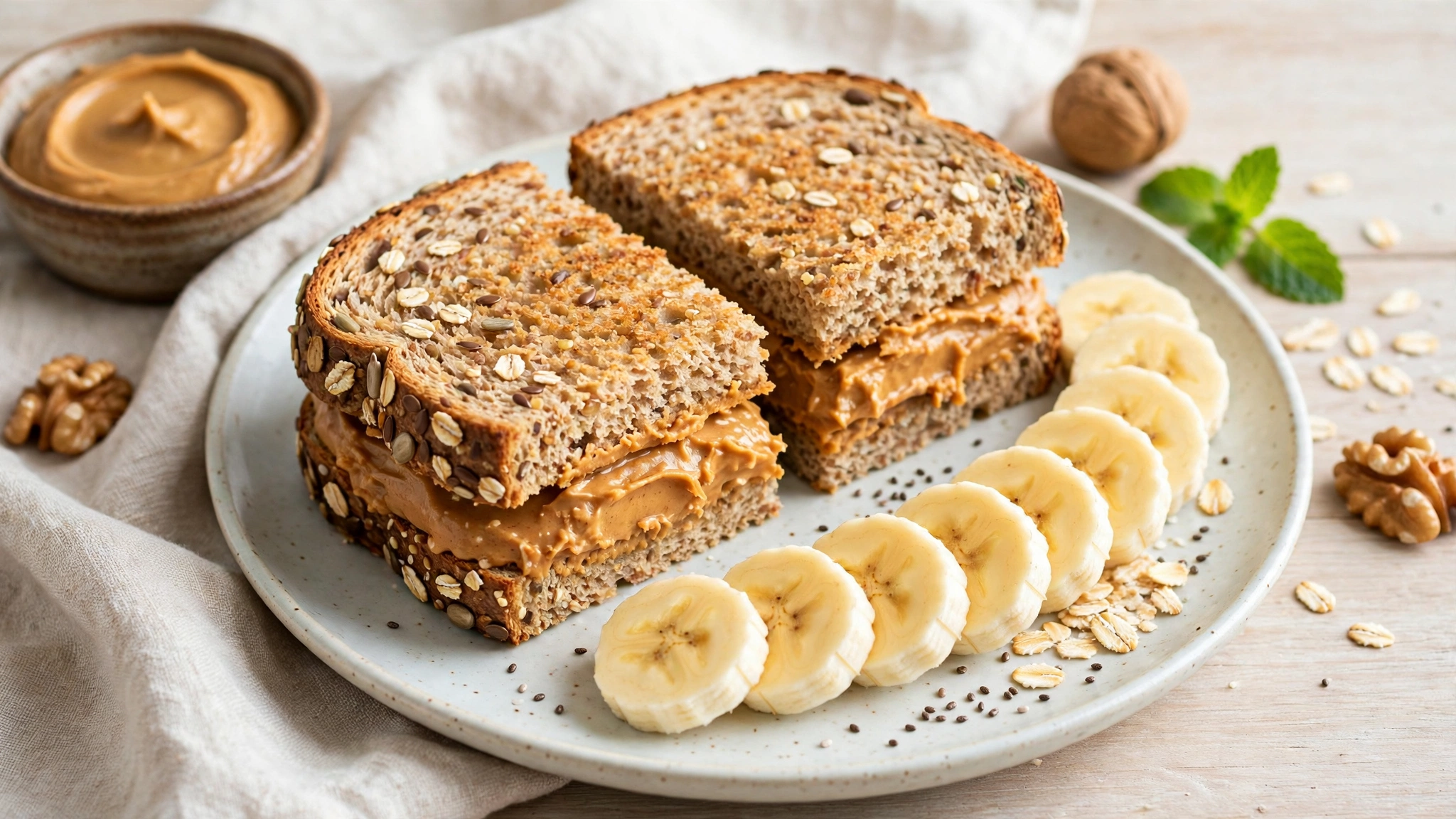
- Try fresh fruit. Banana slices or crushed berries give sweetness and fiber in place of jelly.
- Fit it into your day. Count the sandwich as the small meal it is, and balance your other meals around it.
Frequently Asked Questions
How many calories are in a PB&J sandwich?
A standard PB&J has about 380 to 420 calories. The bread adds 140 to 160, the peanut butter adds 180 to 200, and the jelly adds 50 to 60. Bigger portions can push the total past 600 calories.
Can eating a PB&J every day cause weight gain?
It can, if the sandwich regularly pushes you over your daily calorie needs. On its own, one balanced PB&J fits most diets. Trouble starts when large portions join an already full day of eating.
Is peanut butter itself fattening?
Peanut butter is calorie dense, with 180 to 200 calories and 16 grams of fat in two tablespoons. However, most of that fat is unsaturated, and it also gives 7 to 8 grams of protein. Measured portions make it a healthy food, not a fattening one.
What is the healthiest bread for a PB&J?
Whole grain bread is the best pick. It offers more fiber and nutrients than white bread, so you stay full longer. It also supports better blood sugar control across the meal.
How can I make a PB&J less fattening?
Start with whole grain bread and natural peanut butter with no added sugar or hydrogenated oils. Then measure two tablespoons, and swap the jelly for a low sugar spread or fresh fruit. These changes keep the flavor while trimming the extras.
Is PB&J a good choice for kids?
Yes, for most kids it is a practical lunch. It gives quick and sustained energy from its mix of carbs, fat, and protein, which suits active, growing children. Whole grain bread and natural peanut butter make it an even better choice.
The Bottom Line
So, is PB&J fattening? No, not on its own. It is a calorie dense sandwich that fits a healthy diet when portions stay honest and ingredients stay simple. Build it with whole grain bread, natural peanut butter, and a lighter spread, and it stays a smart, filling meal. For more everyday eating guides, browse our Nutrition & Diet section.
General information only: this article is not medical advice, and if you have ongoing concerns about your weight or diet, please talk to a healthcare professional.