
Mental Health Month: Your Complete Guide to May’s Awareness Campaign
Every May, millions of people across the United States mark Mental Health Month, a national observance dedicated to breaking the silence around mental health. Also known as Mental Health Awareness Month, it has one clear purpose: reduce stigma and connect people with support.
The campaign is not only about crisis or diagnosis. Instead, it is a reminder that caring for your mental health deserves the same everyday attention you give your body. Your mind shapes how you sleep, eat, work, and show up in your relationships.
This guide covers when the month happens, how it started, and why it still matters. You will also find the yearly themes, the meaning of the green ribbon, and practical ways to take part. If you are new to the topic, our article on why mental health matters is a good place to begin.

Contents
- What the month is
- The history behind it
- Why it still matters
- Yearly themes at a glance
- The green ribbon explained
- Other awareness dates to know
- How you can take part
- Talking with kids about feelings
- Where to find help
- Frequently asked questions
- The bottom line
What Is Mental Health Month?
Mental Health Month is a month-long awareness campaign observed every May in the United States. It encourages open conversations about mental health, promotes early support, and celebrates recovery. At the same time, it challenges the stigma that still keeps many people suffering in silence.
The observance is not a public holiday, and it is not run by the government. Instead, nonprofits, schools, workplaces, and communities organize their own events around the same shared month. Activities range from national campaigns to small local gatherings, such as a school assembly or a workplace talk.
Because the month returns every year at the same time, people can plan ahead. Many use May as a personal checkpoint, a moment to ask how they are really doing. For more topics like this, browse our Mental Health guides.
The History of Mental Health Month
The story begins in 1949, when Mental Health America (MHA) founded the observance. MHA is one of the oldest nonprofit organizations in the United States focused on mental well-being. At the time, mental illness was barely spoken about in public.
People struggling with depression, anxiety, or other conditions often faced isolation and shame. Accessible care was hard to find, and silence was the norm. Against that backdrop, MHA launched the campaign with a simple but radical goal: bring mental health into the open.
Over the decades, the effort grew from a small campaign into a nationwide movement:
- 1949: Mental Health America founds the observance, aiming to bring mental health into public conversation.
- Over the following decades: Major organizations join in, including the National Alliance on Mental Illness (NAMI) and the Substance Abuse and Mental Health Services Administration (SAMHSA). Together, they help turn May into an annual moment for education, advocacy, and policy change.
- Today: The conversation includes millions of voices, from community events and workplace programs to trending hashtags like #MentalHealthAwarenessMonth and #MHAM on social media.
More than 75 years later, the month still serves its original purpose. The difference is scale. What began as one nonprofit’s campaign now shapes how a whole country talks about the mind each spring.

Why Mental Health Month Still Matters
Despite how much more openly people talk about mental health today, stigma remains a real barrier. Many people still feel too self-conscious to admit they are struggling. That can mean panic attacks, burnout, grief, spiraling thoughts at 3 a.m., or the quiet weight of depression.
Awareness months work because education changes attitudes. Research on mental health education has found that when people learn more about mental health conditions, their understanding deepens. As a result, stigma decreases, and people become more likely to see these conditions as treatable rather than shameful.
In addition, the month drives momentum for bigger changes. Better access to care, stronger workplace policies, and school-based support all gain attention in May. Meanwhile, the campaign gives everyone, not just those in crisis, a nudge to check in with themselves and the people around them.
Mental Health Month Themes Through the Years
Each year, Mental Health America announces a new theme for the month. The theme gives shape to the conversation and helps schools, workplaces, and communities plan activities around a shared message. Here are the most recent ones:
| Year | Theme | Focus |
|---|---|---|
| 2020-2021 | Tools 2 Thrive | Everyday tools for resilience, grounding, and self-care during the pandemic |
| 2022 | Back to Basics | What mental health actually is, and how to recognize when something feels off |
| 2023 | Look Around, Look Within | How homes, neighborhoods, and routines affect mental well-being |
| 2024 | Where to Start | Taking the first step, because small beginnings still count |
| 2025 | Turn Awareness into Action | Moving from knowing to doing, with gentle routines and moments of joy |
Themes are announced each spring, so check Mental Health America’s official site as May approaches. You can also set a personal theme, such as “rest is enough” or “check in with myself more.” A private reminder like that can help you show up for your own well-being all month.
The Green Ribbon: Symbol of Mental Health Awareness
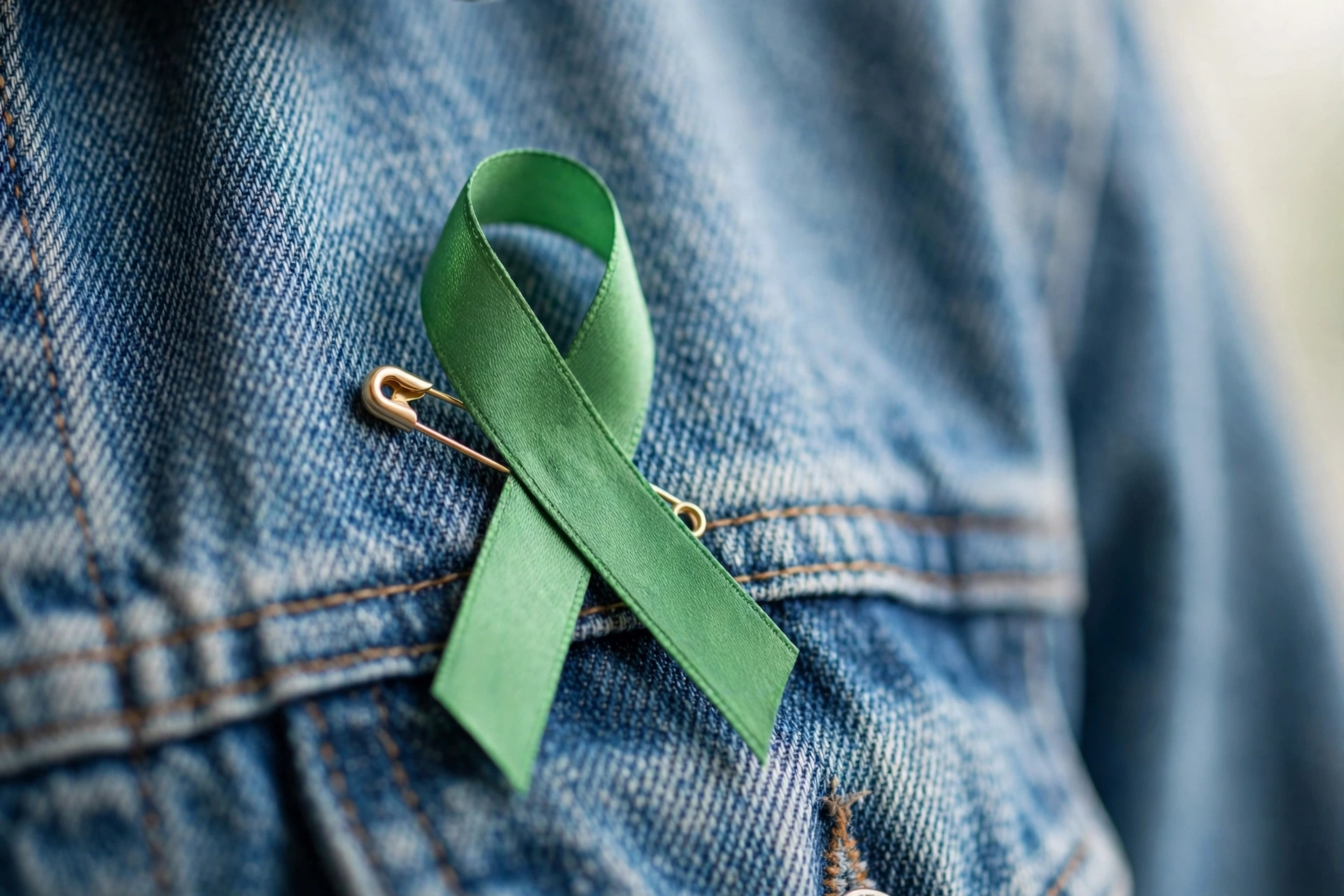
If you have ever seen a green ribbon pinned to someone’s jacket in May, you have seen the official symbol of the May observance. Green represents new life, growth, and renewal. That makes it a fitting image for recovery and hope.
Wearing or sharing a green ribbon is one of the simplest ways to show solidarity. It signals that you are open to conversations about mental health. It also reminds everyone watching that healing is possible, even when it is not linear.
Other Mental Health Awareness Dates to Know
The May campaign is the biggest observance, but it is not the only one. Several other dates keep the conversation going all year:
| Observance | When |
|---|---|
| Minority Mental Health Awareness Month | July, in the United States |
| World Suicide Prevention Day | September 10 |
| National Suicide Prevention Week | Each September, in the United States |
| World Mental Health Day | October 10 |
| National Depression and Mental Health Screening Month | October |
The largest of these is World Mental Health Day on October 10, organized by the World Federation for Mental Health and observed in more than 150 countries. Our World Mental Health Day guide explains its history and themes in detail.
How to Take Part in Mental Health Month
You do not need to overhaul your life to make a difference during the month. Small, honest actions count. Here are meaningful ways to take part, for yourself and for others.
Check In With Yourself
Pause and notice how you are really feeling, not the quick “I’m fine” you tell coworkers, but the honest answer. You do not need to fix or judge what comes up. Just noticing is powerful. Journaling for a few minutes a day is one of the simplest ways to do this regularly.
Have a Real Conversation
Pick one person you trust and open up. Share something honest about how you have been sleeping, what has been stressing you out, or what is on your mind. Vulnerability tends to invite vulnerability, so these conversations help both people feel less alone. You can also practice listening well when someone confides in you: resist the urge to fix, and start with empathy instead of advice.

Check In on Your Friends
Reach out to the people you care about, especially the ones who always say “I’m fine.” A short text asking how they are really doing can mean more than you think. Practical help matters too. Dropping off groceries or babysitting for an hour can lighten someone’s mental load in a real way.
Share a Helpful Resource
If you use social media, share something helpful: a crisis helpline number, a podcast episode that helped you, or an article like this one. Keep it an offering, not a mandate. Consider curating your own feed too, unfollowing accounts that drain you and following ones that make you feel seen.
Learn the Early Warning Signs
Burnout, anxiety, and depression often creep in quietly. Learning what to look for, in yourself and in others, helps you meet hard moments with care instead of judgment. Mental Health America offers free screening tools that take just a few minutes and give you a private snapshot of how you are doing.
Give Your Mind a Break
Too much screen time can drain you. Try a short break from scrolling; even one screen-free morning or evening a week can help you feel lighter. Build tiny rest into your day: sixty seconds of closed eyes, a short walk, or a stretch. Short daily practices, like the ones in our guide to simple mental health exercises, can help you reset. You do not need a reason to rest.
Normalize Getting Support
If therapy or a support group has helped you, consider saying so in a way that feels comfortable. Hearing that someone you respect sought help makes it easier for others to do the same. Remember, you do not have to be in crisis to benefit from talking to a professional. Sometimes just being heard does a world of good.
Take It to Your Community
Advocate for mental health days at work, join a local awareness event, or donate to a mental health organization. Even displaying a poster or wearing green on May 1 can spark conversations. Small public signals add up, especially when many people make them at once.
Give Yourself Permission to Do Less
Choosing rest is just as valid as joining a campaign. If all you manage this month is taking care of yourself, that is more than enough. You are not a bad advocate for prioritizing your own well-being.
Talking About Mental Health With Kids
Kids notice more than we think, so make emotions a normal topic at home. Try talking about feelings the way you might talk about the weather: “Looks like it’s a grumpy-cloud kind of day, huh?” This teaches children that all feelings are normal, temporary, and okay to name.
Name your own feelings in age-appropriate ways, too. Doing so shows kids that adults have big emotions and manage them, which makes it safer for them to ask questions. Books, shows, and even cartoons can be great conversation starters when you are not sure where to begin.

Where to Find Help
Awareness is only the beginning. Knowing where to turn matters just as much, in May and every other month. These trusted resources are free:
- 988 Suicide and Crisis Lifeline (US): Call or text 988 any time, day or night, for free, confidential support.
- Crisis Text Line (US): Text HOME to 741741 to connect with a trained crisis counselor.
- SAMHSA National Helpline (US): Call 1-800-662-4357 for referrals to treatment and support services.
- National Alliance on Mental Illness: Education and support programs at nami.org, including the NAMI HelpLine at 1-800-950-NAMI (6264).
- Mental Health America: Free online screening tools and resources at mhanational.org.
The National Institute of Mental Health also explains the many routes to finding professional help, from primary care doctors to community programs. If you are outside the United States, search for your country’s national crisis line, since most countries have one. And if you or someone near you is ever in immediate danger, call your local emergency number right away.

Frequently Asked Questions About Mental Health Awareness
When is Mental Health Month?
Mental Health Month takes place every May in the United States. Mental Health America founded it in 1949, and it has run every year since. Many communities stretch their events across the whole month.
Who started the observance?
Mental Health America, one of the oldest US nonprofits focused on mental well-being, started the observance in 1949. At the time, mental illness was rarely discussed in public. Later, organizations such as NAMI and SAMHSA joined the effort and helped it grow nationwide.
What is the theme for this year?
Mental Health America announces a new theme each spring, shortly before May begins. Recent themes include Tools 2 Thrive, Back to Basics, Look Around Look Within, Where to Start, and Turn Awareness into Action in 2025. Check Mental Health America’s official site as May approaches for the latest announcement.
What does the green ribbon mean?
The green ribbon is the official symbol of the observance. Green stands for new life, growth, and renewal, which makes it a fitting image for recovery and hope. Wearing one signals that you welcome open conversation about mental health.
How is it different from Mental Health Awareness Month?
They are two names for the same May observance, not separate campaigns. People and organizations use both names, sometimes in the same sentence. Our guide to Mental Health Awareness Month 2026 looks at the month from the awareness angle.
How can I take part if I do not have much time?
Start with one small action. Text a friend, share a helpline number, wear something green, or take a short screen-free break. The month was built on small steps, and a single honest conversation can matter more than a big event.
Where can I get help right now?
In the United States, call or text 988 for the Suicide and Crisis Lifeline, or text HOME to 741741 for the Crisis Text Line. Both are free and confidential. Outside the US, look up your national crisis line, and call local emergency services if anyone is in immediate danger.
The Bottom Line
Mental Health Month has been running since 1949 with one enduring message: your mental health matters, and talking about it should never be something to be ashamed of. Whether you wear a green ribbon, check in on a friend, learn the early warning signs, or simply give yourself permission to rest, you are part of a movement that has spent more than seven decades making the invisible visible. May is the spotlight, but the work continues all year. This May, pick one small action from this guide and start there.
This article is general information only and is not medical advice. If you are dealing with an ongoing mental health concern, please talk to a healthcare professional.




One Comment