
World Mental Health Day: Its History, Yearly Themes, and How to Take Part
Every October 10, something quietly remarkable happens. In more than 150 countries, people wear green ribbons, share their stories, and host talks in schools and offices. For one day, they start conversations that many of them avoid during the other 364 days of the year. That shared moment is World Mental Health Day, a global observance built to bring mental health out of the shadows.
According to the World Health Organization, the day exists to raise awareness of mental health issues around the world and to mobilize support for better care. It began in 1992 as a short satellite broadcast. Since then, it has grown into a worldwide campaign.
This guide explains where the day came from, what the yearly themes mean, and how you can take part. If you are new to the topic, start with our article on why mental health matters. Then come back here for the full story.
Contents
- What the day is
- The history behind it
- Yearly themes at a glance
- The 2026 theme explained
- Why the day still matters
- How you can take part
- Ideas for workplaces and schools
- If you are struggling right now
- Frequently asked questions
- The bottom line
What Is World Mental Health Day?
It is an annual global observance held every October 10. Its purpose is simple: raise awareness of mental health issues, fight stigma, and push leaders to take mental health seriously. In short, it gives the whole world one shared date to talk about a topic that is often hidden.
The day is not a public holiday, and no single country owns it. Instead, it works as a coordinated campaign. Charities, clinicians, schools, workplaces, and ordinary people all rally around the same date. As a result, the observance mixes awareness events with a clear advocacy push.
The scale is hard to overstate. Governments, health ministries, NGOs, and grassroots groups across more than 150 countries now take part each year. Their activities range from national campaigns to small community gatherings. However, the message stays the same everywhere: mental health deserves attention, funding, and honest conversation.
Because the date never moves, schools, employers, and charities can also plan their events months ahead.
The History of World Mental Health Day
The day was established in 1992 by the World Federation for Mental Health, known as the WFMH. The federation is an international membership organization founded in 1948. Today, it brings together mental health groups from more than 90 countries. The World Health Organization partnered in supporting the observance, which gave it global authority from the start.
The beginnings were humble. In its earliest years, the main activity was a two-hour telecast sent out through the U.S. Information Agency satellite system. The broadcast aimed to draw attention to mental health needs around the world. Feedback then poured in from viewers across the Americas, Australia, Africa, and Europe. Clearly, people wanted in.
A few milestones show how far the campaign has come:
- 1994: At the suggestion of WFMH Secretary-General Eugene Brody, the day received its first official theme: “Improving the Quality of Mental Health Services throughout the World.” The theme gave the scattered observance a shared focus, and 27 countries reported activities that year.
- Late 1990s: Campaign materials were translated into Spanish, with help from the Pan American Health Organization. French, Hindi, Russian, Japanese, Chinese, and Arabic versions followed, which opened the day to truly global participation.
- 2019: Organizers unveiled the first official logo for the day. They also reported reaching more than 10 million people online, a clear sign of how far the campaign had traveled from a two-hour broadcast.
- Today: Many countries fold the day into broader mental health awareness weeks. These weeks offer free screenings, public talks, workplace events, and digital campaigns.


World Mental Health Day Themes Through the Years
Since 1994, each observance has carried a theme chosen to focus global attention on one issue. Together, the themes read like a short history of what the world has worried about. Here are the most recent ones:
| Year | Theme |
|---|---|
| 2015 | Dignity in Mental Health |
| 2016 | Psychological and Mental Health First Aid |
| 2017 | Mental Health in the Workplace |
| 2018 | Young People and Mental Health in a Changing World |
| 2019 | Focus on Suicide Prevention |
| 2020 | Move for Mental Health: Let’s Invest |
| 2021 | Mental Health Care for All: Let’s Make It a Reality |
| 2022 | Make Mental Health & Well-Being for All a Global Priority |
| 2023 | Mental Health is a Universal Human Right |
| 2024 | Mental Health at Work |
| 2025 | Mental Health in Humanitarian Emergencies |
| 2026 | Lived Experiences Heard: Real Voices, Real Change |
Notice the arc across these years. Early themes focused on service quality. Later themes moved toward rights, universal care, workplaces, and emergencies. Now, the focus has shifted to the voices of people who live with mental health conditions themselves. In other words, the conversation has moved from talking about people with mental illness to talking with them.
Read together, the themes also show what each era asked of the public. Some years asked for investment, others for rights, and others for better services. The newest theme asks for something more personal: listening.
The 2026 Theme: Lived Experiences Heard
The 2026 theme, set by the World Federation for Mental Health, is “Lived Experiences Heard: Real Voices, Real Change.” The idea behind it is simple. People who have experienced mental health conditions hold knowledge that no textbook contains. They know the challenges they face, the support they need, and the barriers they hit when they seek care.
However, the theme argues that listening should go further than collecting personal stories. People with lived experience should also help shape mental health policies, services, and decisions. Services, in other words, should be developed with the people who use them, not just for them.
In practice, the 2026 campaign emphasizes:
- Listening with empathy and respect, not just curiosity.
- Including people with lived experience in decision-making, on boards, in service design, and in policy.
- Challenging discrimination and harmful stereotypes, especially around severe mental illness. Our guide to mental health stigma explains why this matters so much.
- Promoting person-centered, rights-based care rather than one-size-fits-all treatment.
- Building communities where everyone can participate with dignity.
A few countries also run national themes alongside the global one. For example, Australia marked the 2026 day under “Together We Thrive.” The WFMH theme above, though, is the official global one.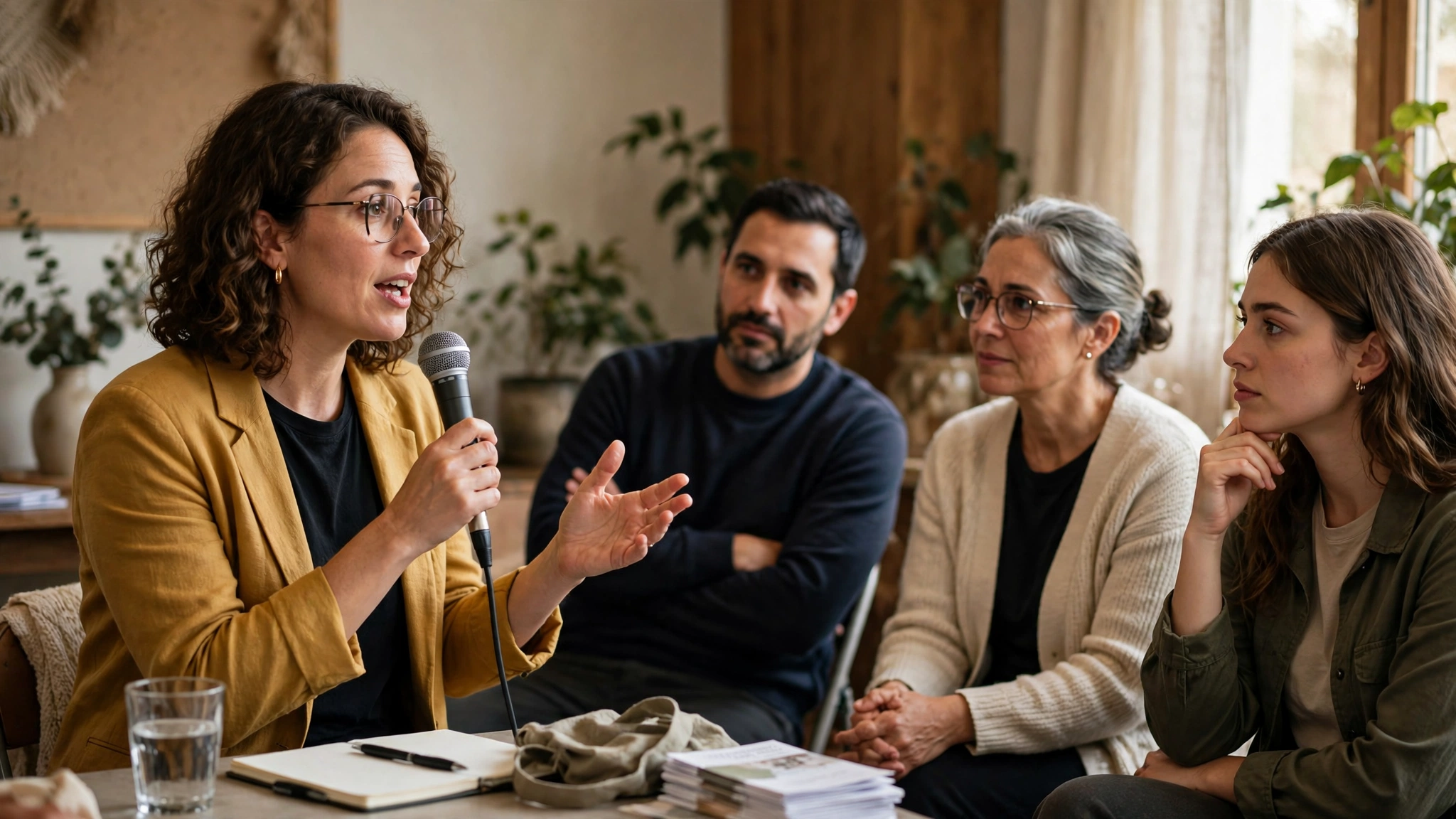
Why This Day Still Matters
Awareness days can feel performative. Still, the figures behind this one explain why advocates keep pushing:
- Roughly one in eight people worldwide were living with a mental health condition even before the COVID-19 pandemic, according to the World Health Organization. The pandemic then pushed those numbers higher.
- More than 700,000 people die by suicide every year, which makes it a leading cause of death among young people in many countries.
- Depression and anxiety disorders cost the global economy an estimated $1 trillion each year in lost productivity.
- In many countries, mental health receives only a tiny fraction of health budgets. Meanwhile, stigma keeps countless people from seeking help at all.
An annual spotlight does not fix any of this by itself. Instead, it creates a recurring pressure point. On that day, funding gaps, broken services, and stigma become harder for governments and institutions to ignore. For more background, browse our Mental Health guides.

How You Can Take Part
You do not need an organization behind you. Individuals mark the day in simple, meaningful ways:
Start a real conversation. Ask a friend how they are genuinely doing, and then listen to the answer. Normalizing honest talk about mental health is the original purpose of the day.
Learn the warning signs. Persistent low mood, withdrawal from people, and changes in sleep or appetite are signals worth taking seriously. So are loss of interest in things once enjoyed and talk of hopelessness, in yourself or in others.
Share your story, if you want to. The 2026 theme exists because personal stories change minds. Still, share only what feels safe and comfortable. Nobody owes the internet their diagnosis.
Wear or display the green ribbon. The green ribbon is the international symbol of mental health awareness. Wearing one is a small, visible way to say the conversation is welcome.
Check in, do not just post. A text to someone you have not heard from in a while often does more than a hashtag.
Donate or volunteer. Mental health charities run on thin budgets. Even a few hours of volunteering, or a small donation, lands where it is needed.
Look after yourself, too. Use the day as a prompt for your own check-in: sleep, movement, connection, and asking for help when you need it. Our list of simple mental health exercises is an easy place to start.

How Workplaces and Schools Can Join In
Organizations have used the day in many practical ways. Some run lunchtime talks or invite a speaker. Others offer free mental health screenings, train managers in mental health first aid, or publish a clear list of available support. Each option sends the same signal: help exists here, and using it is normal.
The 2024 theme, “Mental Health at Work,” pushed many employers to review their policies. As a result, more workplaces now consider flexible hours, counseling access, and a healthier culture. In that culture, taking a mental health day is not treated as a confession.
If you run a team or a classroom, the simplest version works well. Acknowledge the day, share resources, and make it clear that using them is normal. Small steps like these often matter more than one big event.
If You Are Struggling Right Now
Awareness is valuable, but it is not treatment. If you are dealing with persistent sadness, anxiety, or panic, please reach out for support. You can talk to a doctor, a counselor, a therapist, or a trusted person in your life. The National Institute of Mental Health shares practical steps for caring for your mental health, including how to find help.
If you are in crisis, contact your local crisis helpline or emergency services immediately. Thoughts of harming yourself always deserve an urgent response. Reaching out is not weakness. In fact, it is the single most effective step there is.
Frequently Asked Questions About World Mental Health Day
When is World Mental Health Day?
It is held every year on October 10. The date never changes, and people in more than 150 countries mark it. Many communities also stretch their activities across the surrounding week.
Who organizes it?
The World Federation for Mental Health founded the day in 1992, with support from the World Health Organization. Today, thousands of organizations worldwide take part, from health ministries to small local groups.
What is the theme for 2026?
The 2026 theme is “Lived Experiences Heard: Real Voices, Real Change.” It focuses on including people with lived experience of mental health conditions in shaping services and policy. The World Federation for Mental Health sets the global theme each year.
Is it a public holiday?
No. It is an awareness and advocacy observance, not a day off. Schools, offices, and services stay open, and many of them host events during the day.
How is it different from Mental Health Awareness Month?
Mental Health Awareness Month is a month-long campaign observed in May in the United States and some other countries. This observance, by contrast, is a single global day on October 10, coordinated internationally. Our guide to Mental Health Awareness Month explains the May campaign in detail.
What does the green ribbon mean?
The green ribbon is the international symbol of mental health awareness. Wearing or displaying one shows that you welcome open conversation about mental health. It is a quiet way to signal support without saying a word.
How can I take part as an individual?
Start with one small action. Check in on a friend, wear a green ribbon, share a resource, or donate a little time or money to a mental health charity. Then look after your own wellbeing, too, with rest, movement, and connection.
The Bottom Line
World Mental Health Day began as a two-hour satellite broadcast in 1992. More than three decades later, it has become a global moment when millions of people say the same thing at once: mental health matters, stigma has to go, and everyone deserves support.
The 2026 theme adds a sharper edge to that message. The people who live with mental health conditions should not just be the subject of the conversation. They should be leading it. This October 10, pick one small action from this guide, whether that is a conversation, a check-in, or a donation, and take part.
This article is general information only and is not medical advice. If you are dealing with an ongoing mental health concern, please talk to a healthcare professional.






One Comment