
Mobility Exercises for Seniors: Gentle Ways to Move Better Every Day
Staying mobile is really about freedom. It means getting out of bed, climbing the stairs, or taking a walk outside without worry or pain. Mobility exercises for seniors are gentle, structured movements that protect that freedom by keeping muscles strong, joints flexible, and balance steady.
The good news is that you do not need a gym or special talent to benefit. The National Institute on Aging offers exercise and physical activity guidance for older adults, and its advice is reassuring: start slowly, choose gentle activities, and build up over time. Most of the moves in this guide can be done at home with a sturdy chair nearby.
Below, you will find why mobility matters, what causes it to decline, and the four types of exercise that help most. You will also find safety tips, home changes, nutrition basics, and advice on working with therapists. New to exercise topics? Browse our Fitness guides for more.

Contents
- Why mobility matters as you age
- Common causes of reduced mobility
- The four types of mobility exercise
- How much exercise seniors need
- Safety tips before you start
- Assistive devices and technology
- Make your home safer
- Nutrition and hydration
- Working with therapists
- Staying motivated
- Frequently asked questions
- The bottom line
Why Mobility Matters as You Age
Mobility is the foundation of independence. When older adults can move easily, they can cook, shop, visit friends, and manage daily life on their own terms. In addition, staying active supports better sleep and mental health, and it makes conditions like arthritis or heart disease easier to manage.
When mobility declines, however, problems tend to follow. Researchers say almost 35% of people over 70 struggle with mobility, and that share rises with age. Limited movement is linked with isolation, depression, more frequent falls, and faster overall health decline. As a result, some seniors end up needing hospital care or a nursing home sooner than they otherwise would.
The encouraging part is that decline is not inevitable. Even small amounts of regular activity help. A short daily walk, a few chair exercises, or gentle stretching can slow muscle loss and keep joints working. In other words, the goal is not athletic performance. It is staying able to do the everyday things you enjoy.
Common Causes of Reduced Mobility in Seniors
Before choosing exercises, it helps to understand what usually holds older adults back. Most causes are manageable once you know what you are dealing with:
- Muscle weakness and stiff joints: Losing muscle with age, called sarcopenia, is common. However, strength training and regular activity can slow it down.
- Chronic pain: Conditions like osteoarthritis, sciatica, or spinal stenosis make movement uncomfortable. As a result, people move less, which makes stiffness and weakness worse.
- Neurological conditions: Parkinson’s disease, stroke, or diabetic neuropathy can affect balance and coordination.
- Medication side effects: Some prescriptions cause dizziness or drowsiness, which raises the risk of falls.
- Poor vision or hearing: When you cannot see or hear well, judging your surroundings and staying steady becomes harder.
Knowing the cause helps you, your family, and your healthcare team choose the right plan. For example, someone with joint pain may start in a pool, while someone with balance problems may focus on supported standing exercises first.
Mobility Exercises for Seniors: The Four Types to Include
A well-rounded routine mixes four types of exercise. Each one supports mobility in a different way, and together they cover strength, flexibility, balance, and stamina.
| Type of exercise | Main benefits | Examples |
|---|---|---|
| Strength training | Builds muscle, supports balance | Resistance bands, light weights, chair squats |
| Flexibility | Reduces stiffness, improves range of motion | Yoga, stretching, tai chi |
| Balance training | Helps prevent falls, strengthens core | Heel-to-toe walking, one-leg stands |
| Aerobic exercise | Supports heart health and endurance | Brisk walking, stationary biking, swimming |
MedlinePlus groups older-adult exercise the same way, noting that exercise for older adults works best when endurance, strength, balance, and flexibility are all included. Start with the gentler options below, and progress only when a move feels easy and safe.
Strength Exercises for Senior Mobility
Strong legs and hips make standing, climbing stairs, and getting out of a chair much easier. Chair squats are a safe place to start. Sit in a sturdy chair, stand up slowly, then sit back down with control. Use the armrests for support if you need them.
Resistance bands and light weights also work well. Keep movements slow, and stop if you feel sharp pain. Because muscles rebuild gradually, two or three short sessions a week are enough for most beginners.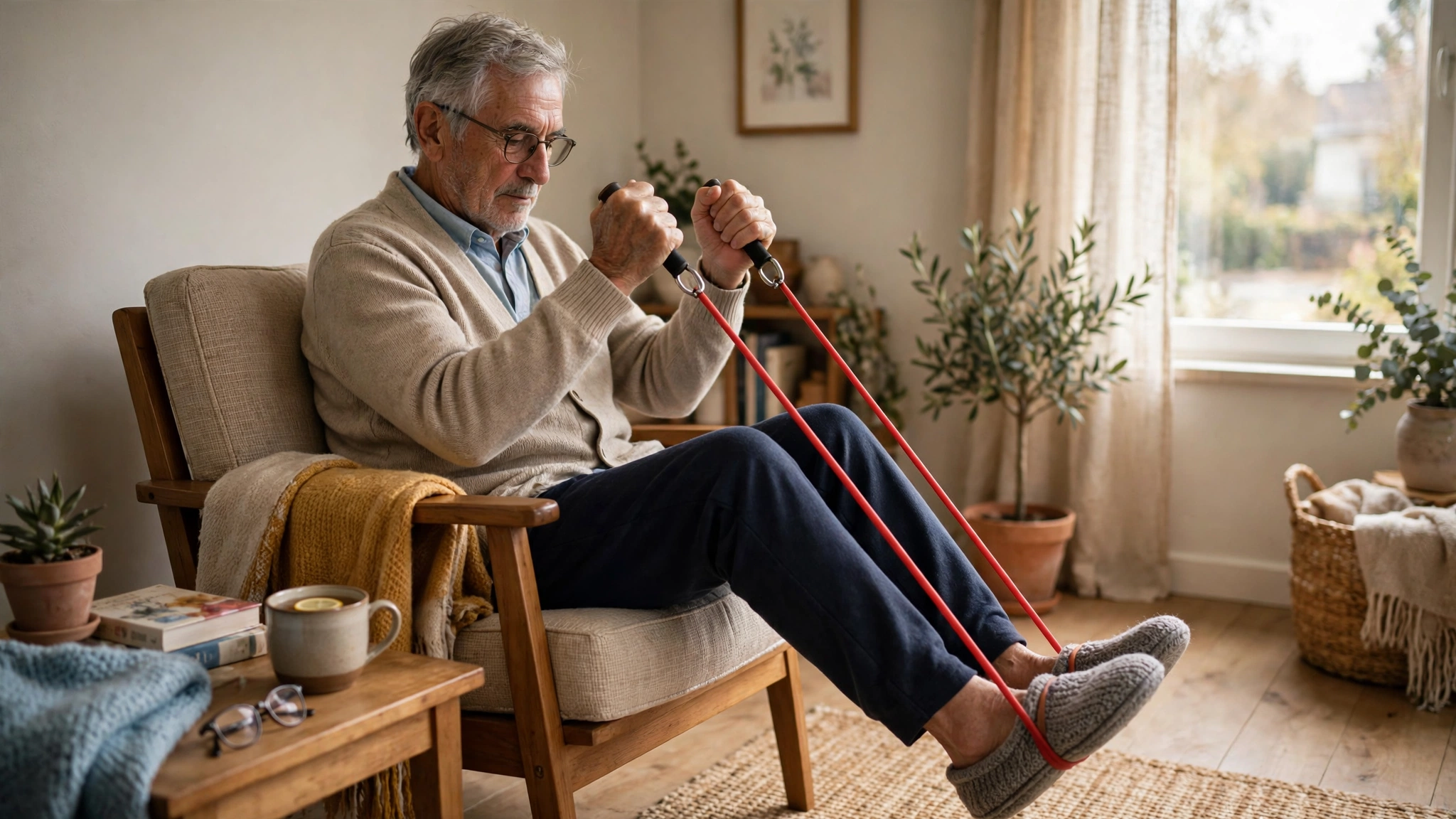
Flexibility and Stretching for Stiff Joints
Gentle stretching keeps joints moving through their full range. Yoga and tai chi combine stretching with slow, controlled movement, so they support flexibility and calm at the same time. Stretch after activity, when muscles are warm, and never force a joint past mild tension.
Balance Exercises for Seniors
Balance training deserves special attention because falls are such a serious risk. Heel-to-toe walking is simple: walk slowly in a straight line, placing the heel of one foot directly in front of the toes of the other. Stay near a wall or counter so you can steady yourself.
One-leg stands are another classic option. Hold the back of a sturdy chair, lift one foot slightly, and stand for a few seconds. Then switch sides. As your balance improves, you can hold the chair with one hand, then just a fingertip.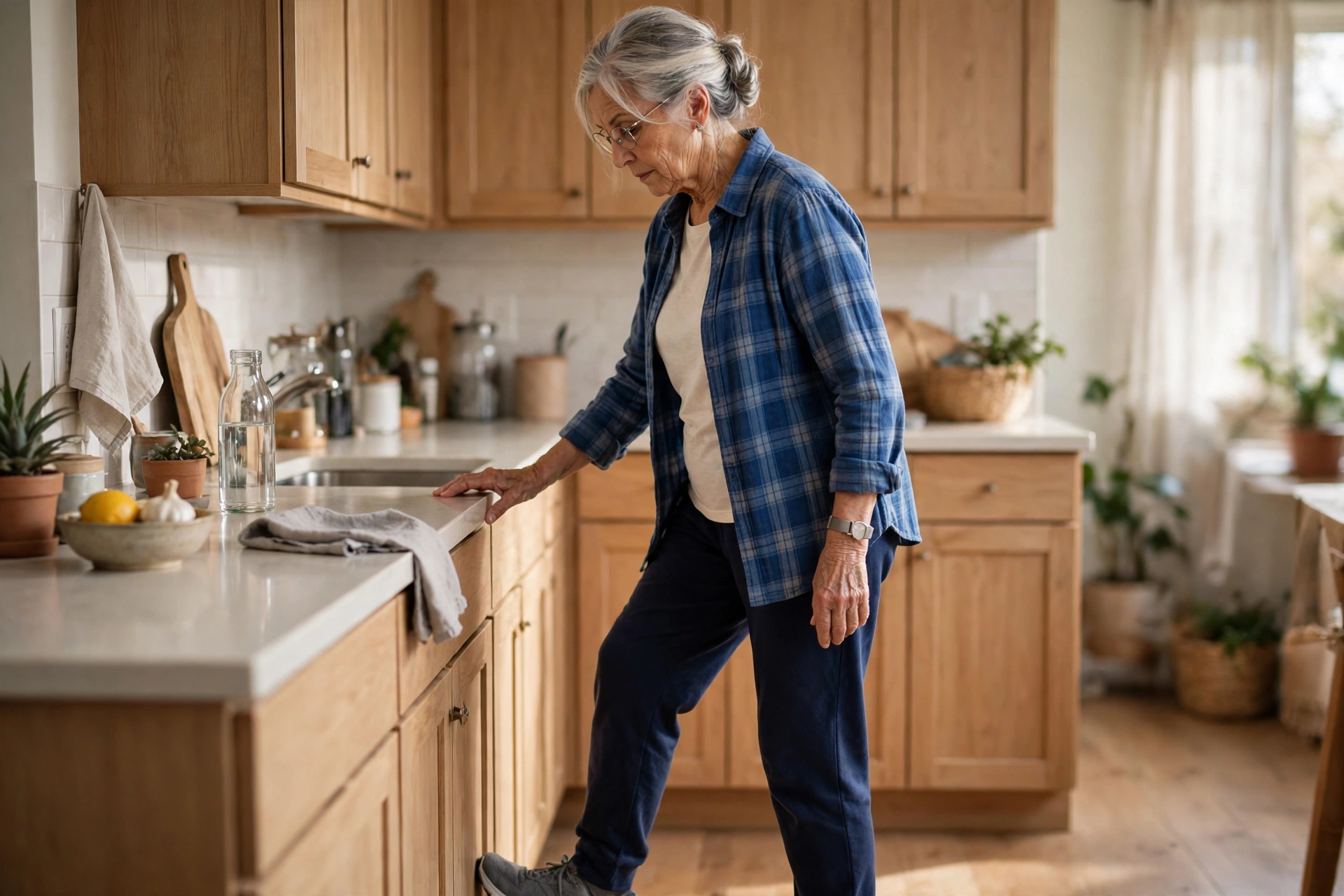
Aerobic Exercise for Endurance
Aerobic activity keeps your heart and lungs working well, which gives you stamina for daily life. Brisk walking is the most popular choice because it is free and easy to adjust. Stationary biking is gentle on the knees, and swimming supports your body weight, so it suits sore joints especially well.
How Much Exercise Do Seniors Need Each Week?
The World Health Organization recommends around 150 minutes of moderate aerobic exercise per week for adults, along with muscle-strengthening activities on two days. Moderate means you breathe faster but can still hold a conversation.
That total can sound like a lot at first. However, it breaks down into roughly 20 to 30 minutes on most days, and even shorter bouts count. If you are starting from very little activity, begin with 10-minute walks and add a few minutes each week. Consistency matters far more than intensity.
Safety Tips Before You Start Mobility Exercises
Many older adults worry about getting hurt while exercising. With a gentle approach and the right supervision, though, exercise can make a big difference without putting anyone at risk. Keep these basics in mind:
- Talk to your doctor first, especially if you have a heart condition, joint problems, dizziness, or a recent fall. A physical therapist can also check which moves suit you.
- Start light. Beginning with easier exercises builds confidence and helps you avoid overdoing it early on.
- Use support. Hold a chair, counter, or wall during standing exercises until you feel steady.
- Wear firm, flat shoes with good grip, and exercise on an even surface.
- Stop if something feels wrong. Sharp pain, dizziness, or chest discomfort are signals to rest and seek advice.
Finally, warm up with a few minutes of easy walking or marching in place. Then cool down with gentle stretches afterward.
Assistive Devices That Support Senior Mobility
The right equipment can make getting around easier and safer. Canes and walkers take some pressure off your legs, so you worry less about tipping over. Rollators, which have wheels and often a seat, suit people who want backup support but still have reasonable upper-body strength.
For more significant mobility limits, scooters and wheelchairs open up daily life so you are not stuck relying on someone else for every trip. Lift chairs and grab bars also help with getting up and sitting down safely.
Technology is helping too. Motion-sensor lights, fall detectors, and smartwatches with emergency buttons are increasingly popular, and they can summon help quickly if something goes wrong. A therapist or doctor can advise which device fits your situation, because the wrong size or type can create new risks.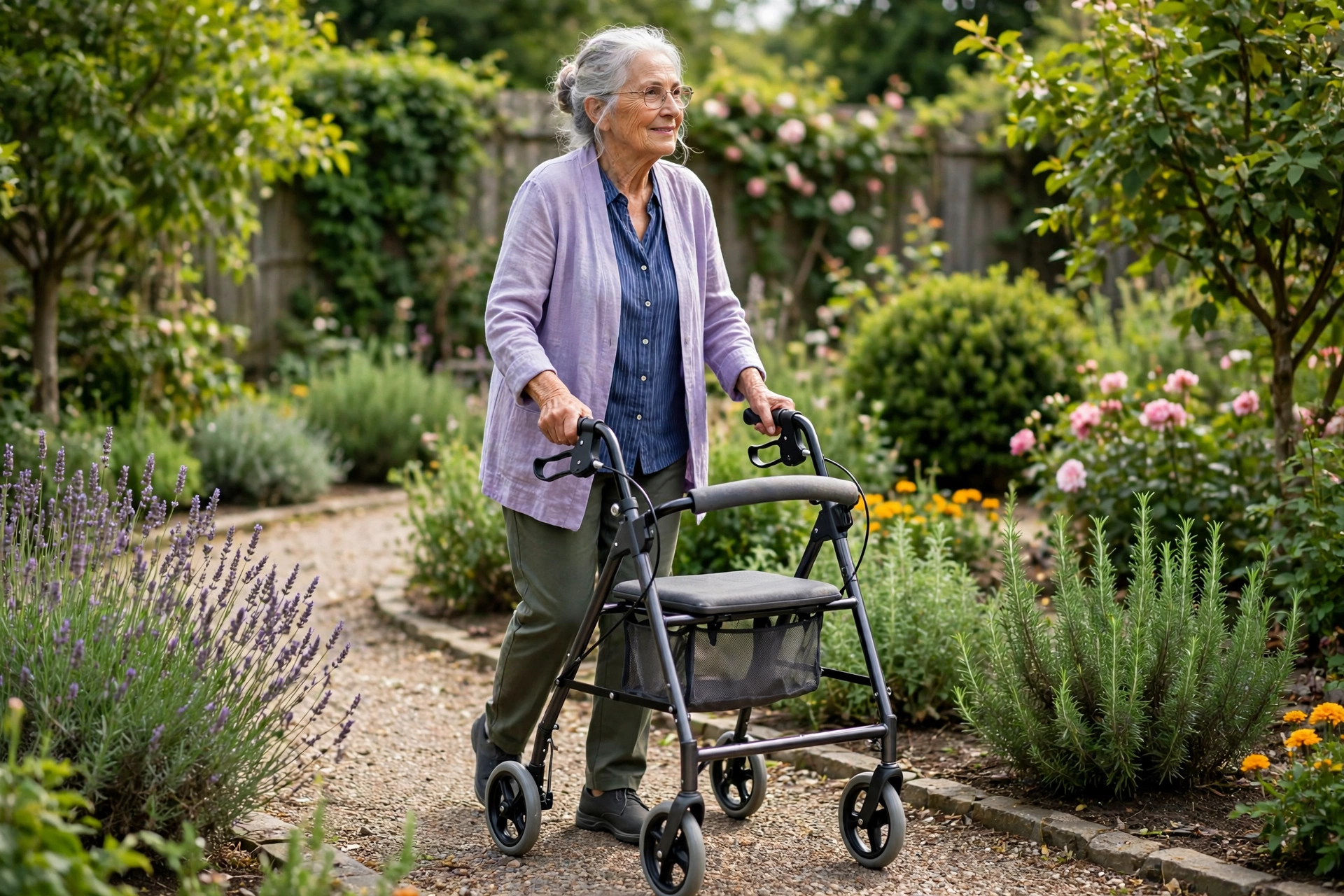
Make Your Home Safer for Moving Around
Even the best exercise routine works better in a safe home. Small changes make movement less risky and build confidence:
- Remove trip hazards. Tape down loose cords, clear clutter from walkways, and secure rugs so they cannot slide.
- Install grab bars and railings, especially in bathrooms, on staircases, and along long halls.
- Choose non-slip flooring in kitchens and bathrooms, where falls happen most often.
- Improve lighting. Bright lights and motion sensors along common paths mean nobody is fumbling in the dark.
Older adults are much more likely to keep moving when they feel safe at home. Therefore, treat these changes as part of the mobility plan, not an afterthought.
Nutrition and Hydration for Better Mobility
Movement is only part of the picture. What seniors eat and drink affects how well they can move, too:
- Protein is crucial for maintaining muscle mass. Good sources include lean meat, eggs, legumes, and dairy.
- Vitamin D and calcium support bone health. Aim to get them mainly from food; talk to your doctor before taking any supplement.
- Anti-inflammatory foods, such as leafy greens, berries, and fatty fish, may help ease joint pain and stiffness, although evidence for specific foods is limited.
Hydration matters just as much. Dehydration can cause tiredness, muscle cramps, and dizziness, all of which make moving harder and increase fall risk. Keep water nearby and drink regularly through the day. Eating well also supports your immune system; our guide on how to strengthen immunity explains the basics.
Working With Physical and Occupational Therapists
A personalized plan beats a one-size-fits-all routine. Physical therapists work on strength, flexibility, balance, and endurance through structured exercises. Occupational therapists focus on daily activities like dressing, bathing, and cooking, and on how to do them safely and independently.
Therapists also recommend the right equipment and exercises for your body, check your progress, and help keep you motivated. Regular sessions can prevent long-term setbacks and, in some cases, even reverse mild losses in function. So if mobility has dropped noticeably, ask your doctor for a referral rather than guessing on your own.
Staying Motivated: The Mental Side of Mobility
Physical and mental health go hand in hand. When seniors feel motivated and emotionally connected, they are far more likely to stay active. Group exercise classes and walking clubs provide both physical and emotional benefits, so they are worth trying.
Setting achievable goals helps too. Walking a certain distance or climbing stairs without support offers a real sense of accomplishment. Celebrate even small wins, because they keep motivation high. Short daily practices from our guide to simple mental health exercises can support mood on rest days, and learning to calm your nervous system helps with the stress that pain and stiffness can cause.
If depression or anxiety is present, reaching out for professional help is important. Both can drain energy and make it hard to even want to get moving.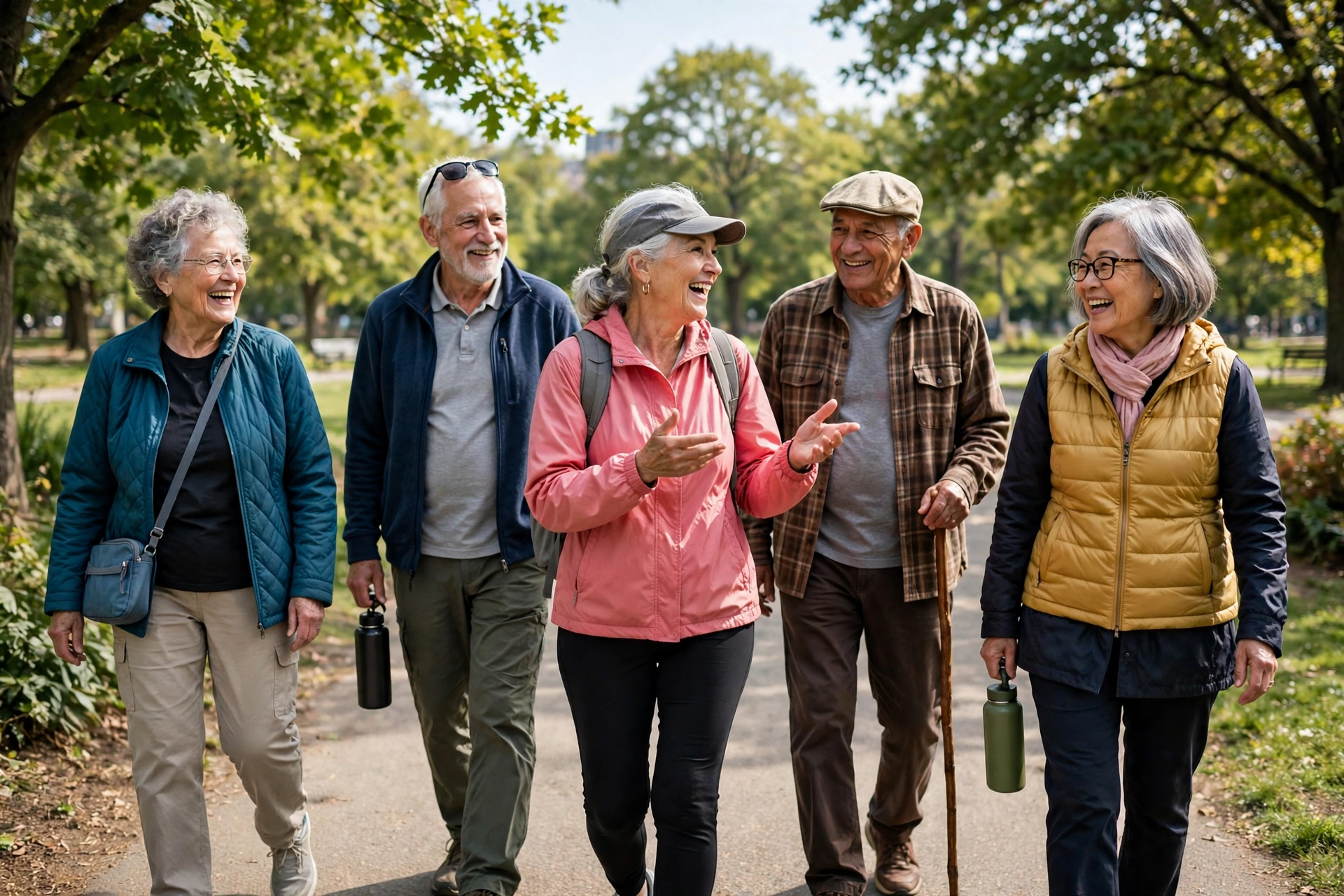
Frequently Asked Questions About Mobility Exercises for Seniors
What are the best mobility exercises for seniors?
The best routine mixes four types: strength work like chair squats, flexibility work like stretching or tai chi, balance practice like heel-to-toe walking, and aerobic activity like walking or swimming. Chair-based and supported moves are the safest starting point for most beginners.
How often should seniors do mobility exercises?
Aim for activity on most days. The World Health Organization suggests about 150 minutes of moderate aerobic exercise weekly, plus muscle-strengthening on two days. Short daily sessions are fine, and they often feel more manageable than long workouts.
Are mobility exercises safe for seniors with arthritis?
Gentle movement usually helps stiff joints stay flexible, and low-impact options like swimming, stationary biking, and tai chi are popular choices. However, pain levels vary, so check with your doctor or a physical therapist before starting, and avoid pushing through sharp pain.
Can exercise really improve balance and prevent falls?
Balance exercises such as one-leg stands and heel-to-toe walking train the muscles and coordination that keep you steady. Practiced regularly with support nearby, they can improve confidence and stability. Good lighting, grab bars, and firm shoes add another layer of protection at home.
Do I need equipment to start?
No. A sturdy chair, a wall or counter for support, and comfortable shoes are enough for the basics. Resistance bands and light weights are inexpensive additions later, and a cane or walker may help if a professional recommends one.
When should I see a doctor about mobility problems?
See a doctor if mobility drops suddenly, if you have had a fall, or if pain, dizziness, numbness, or weakness is getting worse. Also ask before starting exercise if you have a heart condition or a recent injury. Early advice can prevent small problems from becoming bigger ones.
The Bottom Line
There is no single formula for better mobility. It depends on your physical health, mood, surroundings, and medical background. Still, the pattern is clear: mobility exercises for seniors, the right assistive tools, and solid support from family or health professionals help older adults stay active and independent for longer.
Start small this week: one short walk, one chair exercise, one home safety fix. With a good plan, getting older does not have to mean slowing down.
This article is general information only and is not medical advice. If you have ongoing mobility, pain, or balance problems, please talk to a healthcare professional.