Parenting Tips From FPMomHacks: Small Habits for Calmer Family Days
Parenting tips fpmomhacks families share have one thing in common. They are small, practical, and easy to repeat on a busy day. Instead of big lectures, it uses simple systems that lower stress for everyone.
This guide explains the approach clearly. First, you will learn what the brand stands for. Then, you will see the core habits, a simple table, ideas by age, and a gentle seven day plan, so you can start tonight.
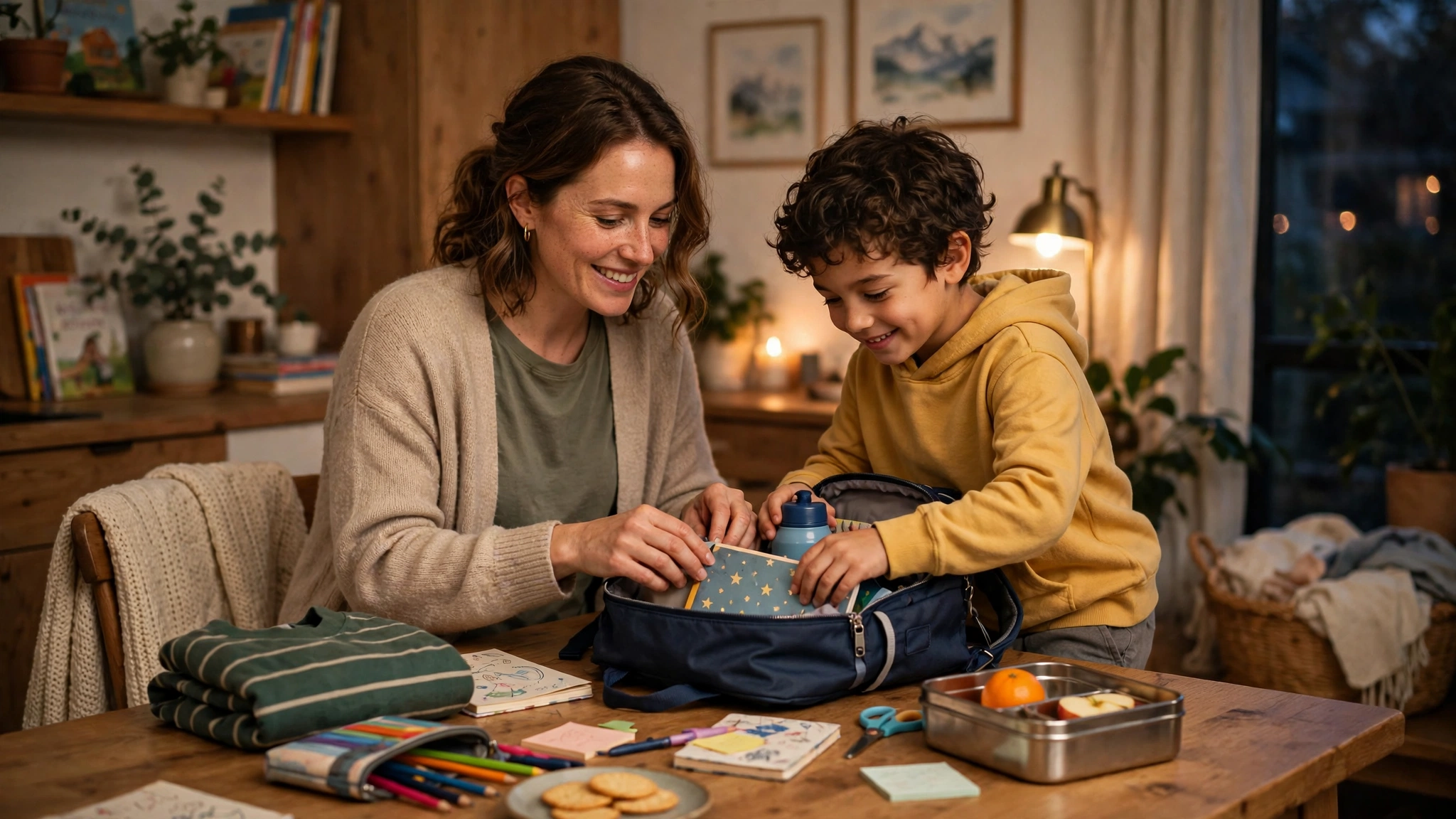
Table of Contents
- What FPMomHacks Is and How Its Parenting Tips Work
- The Core Idea: Connection Before Correction
- The Best FPMomHacks Parenting Tips
- FPMomHacks Parenting Tips by Age Group
- A Simple 7-Day Start Plan
- Honest Limits of Any Hack System
- FAQ
- Conclusion
What FPMomHacks Is and How Its Parenting Tips Work
FPMomHacks is the practical parenting hacks side of the FamousParenting brand. It focuses on everyday moments, like mornings, homework, meals, and bedtime. Rather than theory, it offers small actions that parents can use right away.
For example, the site suggests labeled baskets, checklists, clear storage bins, and on-the-go kits. These tools make expectations visible, so children need fewer reminders. In addition, activity cards help parents offer quick play ideas without planning from scratch.
The tone matters too. The brand treats parents as capable people who need support, not blame. If you want the wider basics first, the parenting basics from MedlinePlus page is a solid place to start. Then, turn those basics into daily routines with the habits below.
The Core Idea: Connection Before Correction
The heart of the method is simple: connection before correction. Among the parenting tips fpmomhacks shares, this one always comes first. In other words, a child listens better after feeling close and understood. So parents first calm the moment, and then they guide the behavior.
This is also where positive parenting fits in. The positive parenting guidance from Penn State Extension explains how warmth and clear limits work together. Similarly, FPMomHacks encourages short, kind phrases before any rule is repeated.
Connection is not permissiveness, however, and limits stay firm. The difference is the order: relate first, then redirect. Over time, this order builds trust, and trust makes later corrections easier. It also supports the emotional health of the whole family, which is one reason why mental health matters for parents as well as children.
The Best FPMomHacks Parenting Tips
Below are the best known habits, explained one by one. Each hack is cheap, flexible, and easy to adjust. Moreover, you do not need to use all of them at once. In fact, the parenting tips fpmomhacks parents praise most are the ones they repeat daily, not the ones they try once. So choose two or three, practice them for a week, and notice what changes.
Prepare the Night Before: FPMomHacks Parenting Tips in Action
First, prepare clothes, bags, and lunches the night before. This single habit removes many morning battles. Children can help by choosing between two outfits and placing shoes by the door.
Also, keep a small launch basket near the exit. Keys, permission slips, and water bottles live there. As a result, nobody searches the house at the last minute. Finally, check the basket together each evening.
Offer Two Choices
Next, offer two limited choices instead of giving commands. For example, ask, “Do you want the red cup or the blue cup?” Both answers are fine with you, so there is nothing to fight about.
This two choice technique gives children a sense of control. At the same time, the parent still sets the boundary. However, keep the choices real and simple. If a child refuses both, calmly pick one yourself and move on. Over time, most children cooperate more quickly.
Label Emotions
Children often act out feelings they cannot name. So label emotions out loud, in simple words. You might say, “You look frustrated because the tower fell.” Naming the feeling helps the child feel understood.
Also, label your own emotions during the day. For instance, say, “I feel tired, so I will sit for a minute.” This models healthy expression. Gradually, children copy the words and use them instead of shouting or hitting.
Visual Routine Charts: FPMomHacks Parenting Tips on the Wall
Visual routine charts show each step of the morning or bedtime routine. Pictures work well for young children, while older kids can read short words. Place the chart at child height, right where the routine happens.
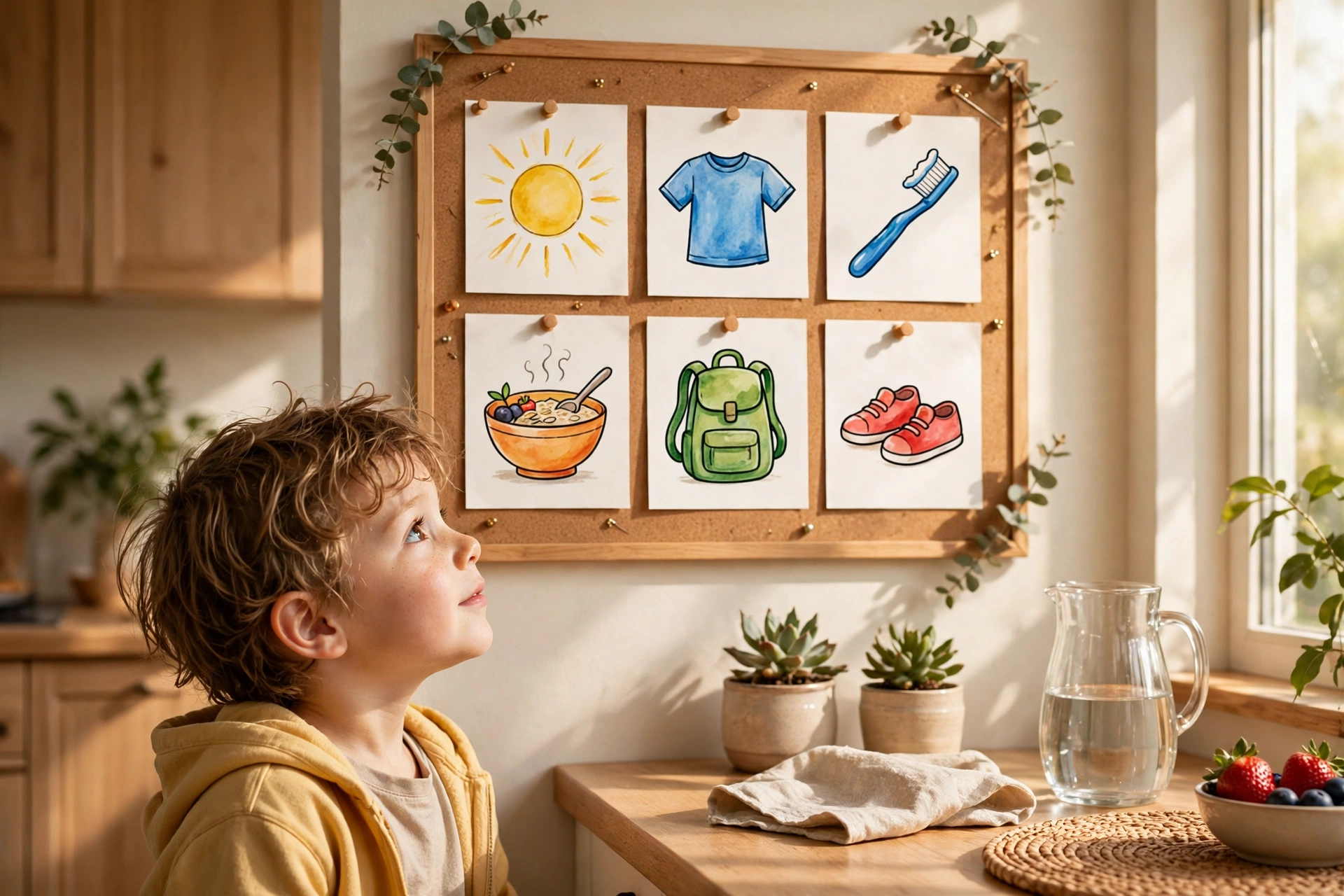
Then, point to the chart instead of repeating instructions. Ask, “What comes next on your chart?” This shifts the authority to the chart, not the parent. Consequently, reminders feel less like nagging. Update the chart together when routines change.
The 10-Minute Connection Rule: The Heart of FPMomHacks Parenting Tips
Spend ten minutes of daily connection time with each child. During this time, the child chooses the activity, and the parent simply joins in. Phones stay away, and corrections stay out.
Ten minutes sounds small, yet it fills a child’s need for attention. As a result, children often seek less attention through misbehavior later. Also, it fits into almost any schedule. Try it after school or just before bedtime.
A Calm-Down Corner
A calm-down corner is a safe space with pillows, books, and drawing materials. It is not a punishment spot. Instead, it is a place where a child can settle strong feelings with support.
Teach the corner during a calm moment first. Practice going there, breathing slowly, and picking a book. Then, during a hard moment, offer the corner as a choice. Some children prefer a parent nearby, and that is fine. Eventually, many children walk to the corner on their own.
Weekly Family Meetings
Weekly family meetings give everyone a voice. Keep them short, friendly, and at the same time each week. Start with something that went well, then discuss one problem together.

Children can suggest solutions, and parents can explain limits kindly. Also, end with a small plan for the week, like a trip or a new chore rotation. Because problems get a regular time slot, they interrupt daily life less. Many families find that meetings prevent small annoyances from growing into big conflicts.
Safe Natural Consequences
Safe natural consequences teach without lectures. If a child refuses a coat, they feel chilly on a short walk. If a toy is thrown and breaks, it cannot be played with. The lesson comes from real life, not from anger.
Of course, safety always comes first. Never allow a consequence that could cause harm. For calm discipline options, the time-out guidance from MedlinePlus explains how to use short breaks fairly. Also, talk about the lesson afterwards, briefly and kindly.
| Hack | How It Works | Benefit |
|---|---|---|
| Prepare the night before | Lay out clothes, bags, and lunches in the evening | Calmer, faster mornings |
| Two choices | Offer two parent approved options | Less arguing, more cooperation |
| Label emotions | Name feelings in simple words | Better self control over time |
| Visual routine charts | Show steps with pictures or words | Fewer repeated reminders |
| 10-minute connection | Child led play, phones away | Stronger bond, calmer behavior |
| Calm-down corner | Safe space with pillows and books | A healthy way to settle feelings |
FPMomHacks Parenting Tips by Age Group
The same values work at every age, but the methods change. After all, a toddler, a school child, and a teen need different support. Here is how the parenting tips fpmomhacks families use can grow with your child.
Toddlers: Short Words, Simple Choices
For toddlers, keep words short and choices simple. Toddlers understand routines better than explanations. So use the same order every morning and every night.
Offer two choices only, like two shirts or two snacks. Also, expect big feelings, and stay close while they pass. Simple songs, picture charts, and quick hugs help toddlers feel safe. Above all, keep the environment simple.
School-Age Children: Routines and Responsibility
School age children can handle homework routines and small responsibilities. Set a regular homework time and a quiet spot. Then let the child pack their own bag using a checklist.
Problem solving talks also work well at this age. Ask what happened, listen fully, and plan together. Praise effort specifically, so the child knows exactly what they did well.
Teens: Respect, Privacy, and Open Conversation
Teens need respect, privacy, and open conversation. Knock before entering, and listen more than you lecture. Short, honest talks often work better than long speeches.
Screens also need calm, agreed limits. Understanding how technology affects sleep can help families set sensible phone bedtimes together. Likewise, parents who understand social media and mental health can talk about online life without panic. Finally, keep inviting your teen into family decisions, even when they act distant.
A Simple 7-Day Start Plan
Progress over perfection is the goal, so start small. This seven day plan adds one simple habit at a time.
Day 1: Prepare clothes and bags tonight.
Day 2: Use the two choice technique at one meal.
Day 3: Label emotions out loud three times.
Day 4: Make a simple visual chart for one routine.
Day 5: Spend ten connection minutes with each child.
Day 6: Set up a calm-down corner together.
Day 7: Hold a short family meeting and celebrate the week.
Meanwhile, keep the earlier habits going. If a day goes badly, simply restart the next morning. Most families notice smoother mornings within the first week. Write down what worked, because your notes will guide week two.
Honest Limits of Any Hack System
Honestly, no hack system fixes everything. Children get sick, parents get tired, and some days fall apart anyway. That does not mean the habits failed. It simply means family life is real life.
Also, these ideas support everyday challenges, not serious behavior or health concerns. If a child struggles for a long time, or if you feel overwhelmed, please talk with a pediatrician or counselor. Learning about local mental health services is a strong step, not a weak one. Use the tips as gentle tools, and adjust them to your family’s culture and needs.
FAQ
What is FPMomHacks in simple words?
FPMomHacks is the practical side of the FamousParenting brand. It shares small systems, like charts, baskets, and checklists, that reduce daily friction. The goal is a calmer home, not a perfect one.
How do these tips change as children grow?
Young children need short words, simple choices, and steady routines. School age children can take on responsibilities and problem solving talks. Teens need respect, privacy, and honest conversation, while warmth and clear limits stay in place.
What if my child refuses both choices?
Stay calm and choose one option yourself. Then move on without a long debate. Later, during a quiet moment, talk about what happened. Most children accept the system once they see the boundary stays firm.
Is a calm-down corner the same as a time-out?
No. A calm-down corner is a comforting space the child can use to settle feelings, often with a parent nearby. A time-out is a short break from activity, used as a calm discipline step. Both should feel safe, brief, and respectful.
How long until new routines feel normal?
Simple habits, like preparing the night before, can feel easier within days. Deeper habits, like family meetings, may take a few weeks of practice. Consistency matters more than speed, so keep the steps small and repeat them kindly.
When should parents ask a professional for help?
Ask for help if difficult behavior lasts for weeks, keeps growing, or worries you often. A pediatrician, school counselor, or family therapist can offer guidance that fits your child. Seeking support early is a caring and practical step.
Conclusion
In short, the parenting tips fpmomhacks families return to are not complicated. Prepare the night before, offer two choices, name feelings, and protect ten minutes of connection each day. These small habits respect both the child and the parent.
Pick just one habit tonight, perhaps laying out tomorrow’s clothes together. Then watch how the morning feels. Small steps, repeated kindly, can change the whole tone of family life.
This article offers general information only and is not medical or professional advice.