Benefits of Drinking Lemon Water: What It Can and Cannot Do
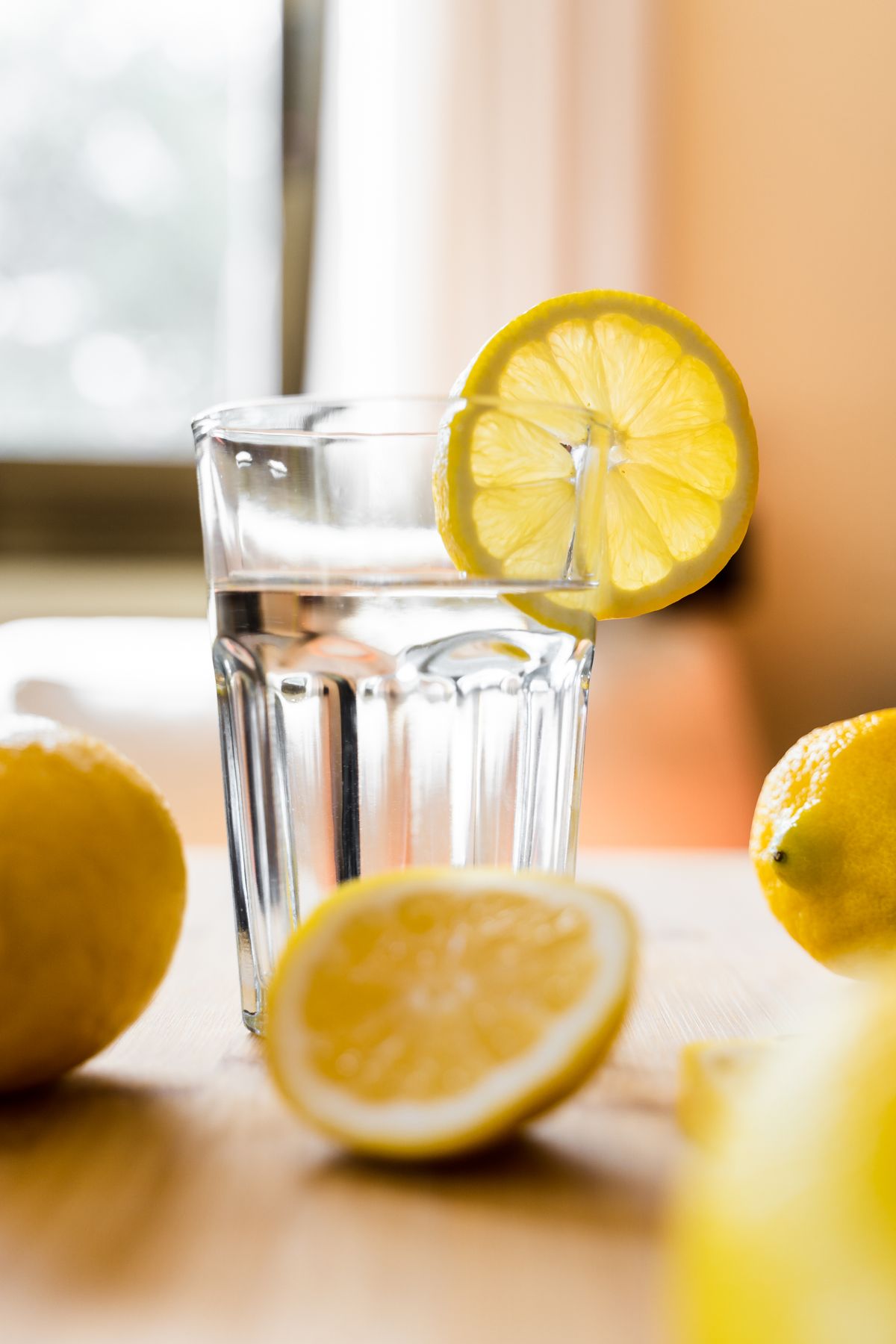
Lemon water might be the most promised drink on the internet: it supposedly detoxes your liver, melts belly fat, alkalizes your body and clears your skin, all before breakfast. The honest version is quieter and more useful. This guide covers the real benefits, the myths worth dropping, and the one real downside, your teeth.
Quick Answer: The main benefit of drinking lemon water is that it helps you drink more water, and hydration does most of the real work. A glass also adds a little vitamin C, can replace sugary drinks, and provides citrate, which has research behind it for kidney stone prevention. Taken with a starchy meal, lemon juice may also soften the blood sugar spike. It does not detox your body, change your blood pH, or burn fat, and its acid can wear tooth enamel.
What’s Actually in a Glass of Lemon Water?
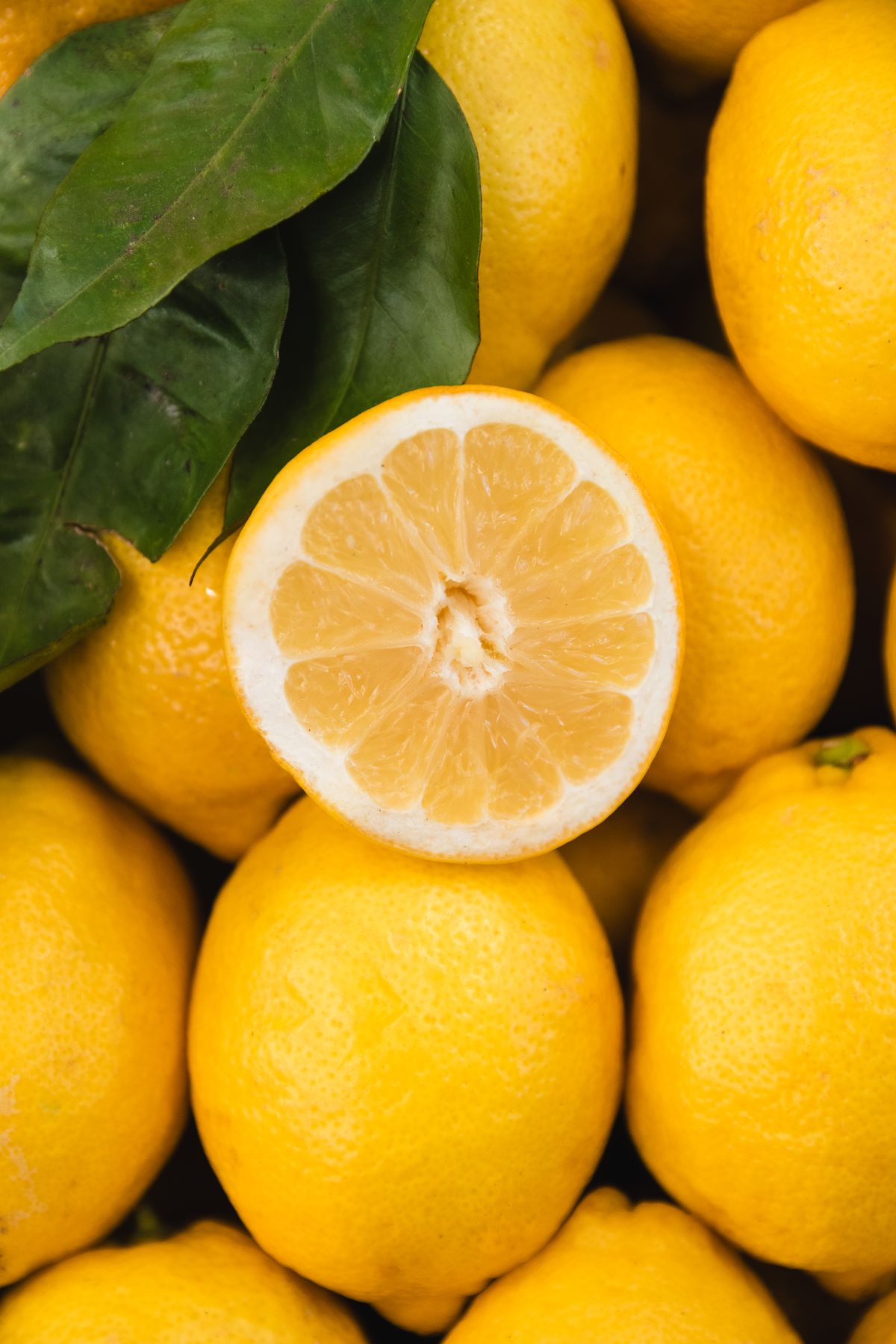
Most glasses of lemon water use the juice of half a lemon to one whole lemon. Based on the raw lemon juice values in USDA FoodData Central, here is what that squeeze actually adds.
| Nutrient | Half a lemon, juiced (about 1.5 tbsp) | One whole lemon, juiced (about 3 tbsp) |
|---|---|---|
| Calories | About 5 | About 11 |
| Vitamin C | About 9 mg | About 19 mg |
| Potassium | About 25 mg | About 49 mg |
| Sugars | Under 1 g | About 1 g |
| Citric acid | About 1.1 g | About 2.2 g |
Values are rounded, and real lemons vary. The citric acid figures use the standard of about 1.44 grams per ounce of fresh lemon juice, measured in a 2008 lab analysis of citrus juices.
Two things stand out. The calories are close to nothing, which is why lemon water swaps so well for sweet drinks. And the vitamin C is real but modest: adults are advised to get about 75 to 90 mg a day, so one lemon’s juice covers roughly a fifth to a quarter of that. It still counts, since vitamin C supports immunity, collagen production, and iron absorption from plant foods. A top up, not a transformation.
The Real Benefits of Drinking Lemon Water
1. It Helps You Drink More Water
This benefit does the heavy lifting. Many people who struggle with plain water will happily drink it with lemon, because it tastes like something. If flavor gets you to finish the glass, the lemon has done its job: hydration supports everything from concentration to digestion. The Mayo Clinic offers simple guidance on how much fluid adults need across the day, and lemon water counts toward that total like any other drink.
2. It Can Replace Sugary Drinks
This is where the real calorie math lives. A 12 ounce cola carries about 140 calories and around 39 g of sugar; a glass of lemon water, about 5 to 11 calories and almost no sugar. Swap one daily soda and you skip roughly 4,000 calories across a month. The benefit comes from the drink you stopped having, not from anything the lemon adds, so treat it as removed sugar, not promised weight loss.
3. Kidney Stone Support: The Citrate Story
This is lemon water’s strongest specific claim, and it still needs careful wording. Citrate, which lemon juice provides as citric acid, binds calcium in urine and helps stop it forming crystals.
Two studies show what the research actually tested. In one study of healthy adults, 12 people drank 2 liters of diet lemonade a day, and both their urine volume and urinary citrate rose, two changes that work against calcium stones, the most common type. The same study tested regular lemonade too, which added about 805 calories and 225 g of sugar a day, a good reminder that sugary lemonade is not the answer. In an older study, 12 people who had formed calcium stones drank 4 ounces of lemon juice mixed into 2 liters of water across the day, and their urinary citrate more than doubled.
Put that dose next to a home glass. Half a lemon to one whole lemon gives about 1.1 to 2.2 g of citric acid, roughly a fifth to a third of what that study used. Results are also mixed: not every trial has found that lemonade raises urinary citrate.
Three honest cautions follow. The study doses were far more than one morning glass. The best proven defense is total fluid intake, since dilute urine forms fewer crystals, and plain water does that just as well. And stone type matters, since citrate mainly concerns calcium stones. If you have had stones, discuss the habit with your doctor. It is not a treatment or a guarantee.
4. A Glass Before a Meal May Help Some People Eat a Little Less
In a small 2018 study, 15 young adults ate noticeably less at a test meal after drinking water beforehand, without feeling any less full. Read it precisely, though: one small study, one meal, and the drink was plain water, not lemon water. If a glass before lunch helps you feel full a little sooner, that is the water and the ritual working; the lemon just makes the glass appealing.
5. It May Soften the Blood Sugar Spike From Starchy Meals
This is one of the newer findings, and one that most lemon water pages miss. In a small randomized trial, healthy adults who drank diluted lemon juice with white bread had a blood sugar peak about 30% lower than with water, and the peak arrived more than half an hour later. The likely reason is the acid, which slows the enzymes that start breaking down starch in your mouth, the same effect researchers have seen with vinegar.
Keep it in proportion. This was a single meal of plain bread, tested in people without diabetes, so treat it as a promising finding, not a treatment. If you have diabetes, lemon juice does not replace your medication or your care team’s advice, and a sweetened lemonade would cancel the benefit entirely.
6. Skin and Digestion: Keeping Both Honest
Lemon water is often sold as a skin and digestion fix; the truthful version is smaller. Adequate fluid supports skin as it supports the rest of you, and vitamin C plays a real role in collagen, but no study shows lemon water itself clears acne or adds a glow.
One safety note matters more: never put lemon juice on your skin, because it can react with sunlight and cause a painful reaction called phytophotodermatitis, with redness and even blistering. On digestion, some people find a warm glass before breakfast feels gentle and settling. That is personal experience, not proof the lemon wakes up your digestion, and any effect belongs to the warm water.
Lemon Water in the Morning: What Is Special and What Is Not
The morning version has its own mythology: warm, first thing, empty stomach, or nothing counts. The calmer picture: after a night’s sleep you wake up low on fluid, so a first drink is sensible at any temperature, and a set ritual is easier to keep. The timing unlocks nothing extra, though: your liver does not wait for a 7 a.m. lemon, and the water and vitamin C absorb the same at noon.
A simple morning routine looks like this:
- Fill a large glass with water at your preferred temperature: cool, room temperature or warm.
- Squeeze in half a lemon to one whole lemon.
- Drink it while you get ready, not sipped slowly over hours (your teeth will thank you, explained below).
- Eat your normal breakfast (our healthy breakfast ideas guide has 35 easy options), and keep drinking water through the day.
Drinking it on an empty stomach is fine for most healthy adults: your stomach acid is far stronger than lemon water, so the worry is comfort, not damage. If it gives you heartburn, have it with food, or use less lemon.
How to Make Lemon Water
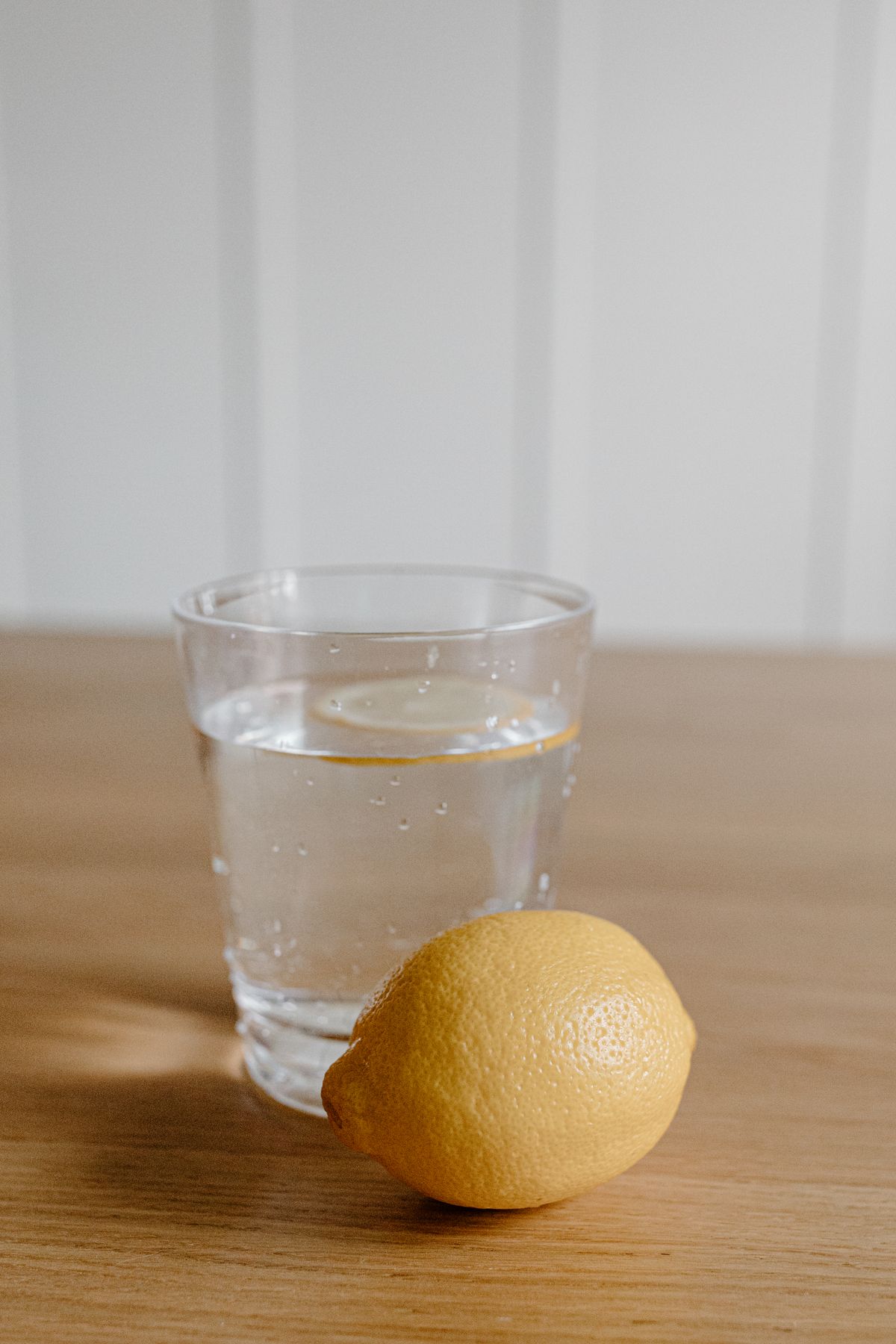
- Roll the lemon firmly on the counter with your palm to release more juice.
- Cut in half and squeeze half to one lemon into a large glass or mug, catching seeds in your cupped hand.
- Fill with about 250 to 350 ml of water.
- Stir and drink fairly promptly, rather than carrying it around for hours.
Warm or cold? Both hydrate equally well and deliver the same nutrients, with two footnotes. Vitamin C breaks down faster in very hot water and with storage, so if you like it warm, use warm rather than boiling water and drink it fresh. Very hot drinks carry their own caution, covered in our guide to the benefits of drinking hot water. That guide also covers a small study where a hot drink eased cold symptoms, which is why warm lemon water with a spoon of honey is such a popular choice for a scratchy throat. Just skip the honey for babies under 12 months. Otherwise, temperature is pure preference.
Variations worth trying (they change the flavor, not the effect):
- Lemon and ginger: a few thin slices of fresh ginger, for a warming, spicy edge.
- Lemon and mint: tear in a few mint leaves; let it sit ten minutes.
- Lemon and cucumber: cucumber slices, for a mild spa style glass that suits a pitcher.
- Sparkling lemon water: the same drink built on sparkling water.
- Lemon and lime: half and half, for a sharper citrus mix.
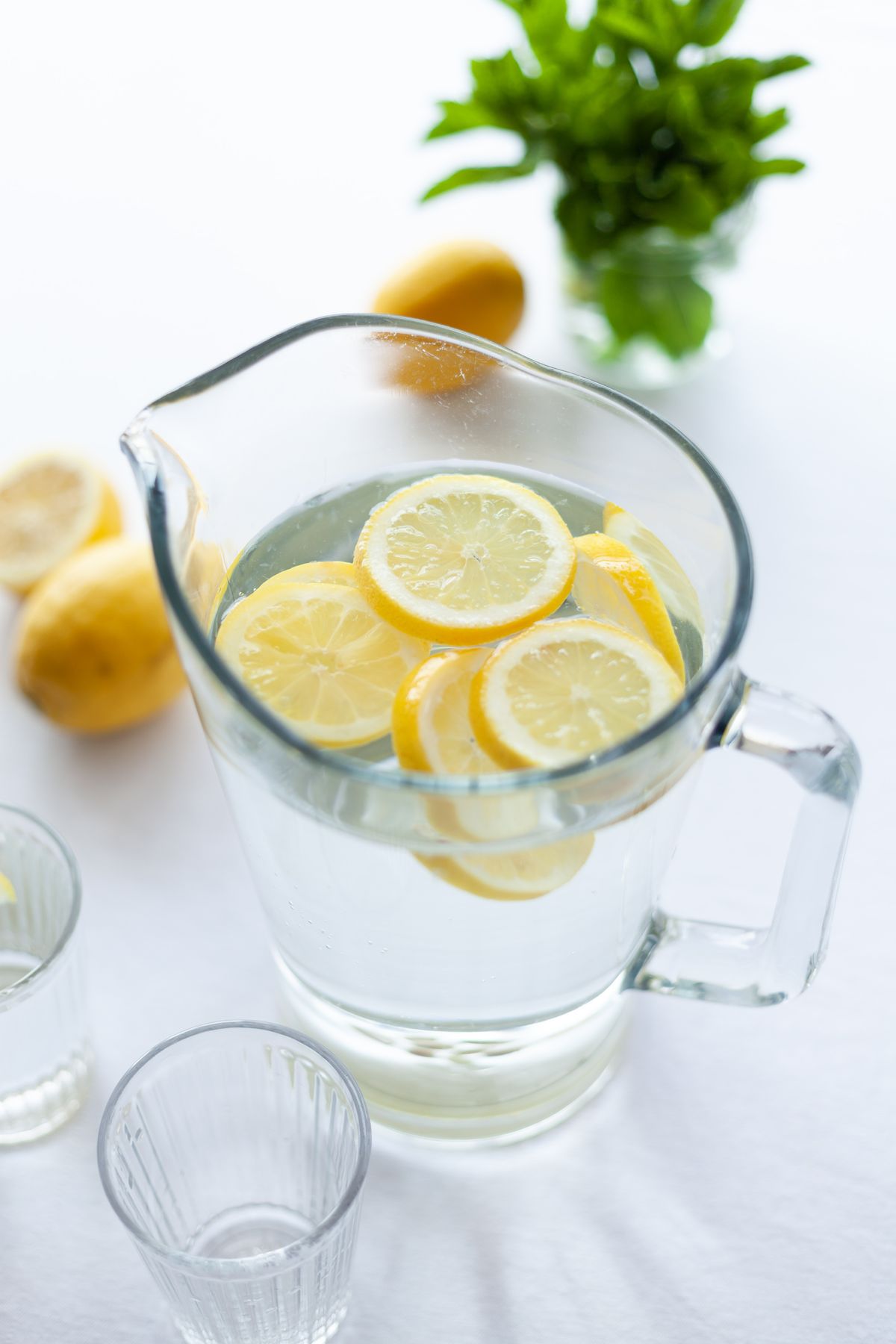

Myths vs Facts
Myth: Lemon water detoxes your liver and flushes out toxins.
Fact: It does not. Your liver and kidneys filter your blood and remove waste around the clock, and no drink speeds that up or cleans them. The detox story traces back largely to the Master Cleanse, a lemonade fast from the 1940s, popularized in a 1976 book. Lemon water is a fine habit, not a cleanse, and your body was never backed up waiting for one.
Myth: Lemon water alkalizes your body.
Fact: It cannot, and you would not want it to. Blood pH stays in a tight range, about 7.35 to 7.45, guarded by your lungs and kidneys, because even small shifts are dangerous. Food and drink can change urine pH, which means very little, but not blood pH. Lemon juice is acidic, at about pH 2, whatever the alkaline charts say.
Myth: Lemon water burns belly fat and speeds up your metabolism.
Fact: There is no evidence for either claim. Its only honest link to weight is the swap: calories and sugar removed when it replaces soda or juice, plus the mild fullness some get from a glass before a meal. Lemon has no fat burning ingredient at meaningful doses.
Myth: Lemon water is an electrolyte drink that prevents cramps.
Fact: The juice of a whole lemon gives about 49 mg of potassium, while a medium banana has about 420 mg. Lemon water hydrates you like any water, but it is not a meaningful source of electrolytes, and it will not replace food or a proper electrolyte drink after heavy sweating.
Myth: It only works warm, first thing in the morning, on an empty stomach.
Fact: The ritual helps people stay consistent, but the timing and temperature rules are invented. The same glass at lunch, cold, with food, delivers the same water, vitamin C and citrate.
Lemon Water and Your Teeth: The One Real Downside
Most lemon water pages bury this part, but it is the one place this gentle habit can genuinely cost you. Lemon juice is strongly acidic, at about pH 2, and enamel starts losing minerals below about pH 5.5, so even diluted lemon water softens enamel.
At first the softening is temporary, because saliva rehardens the surface over the next 30 to 60 minutes. The problem is frequency and contact time: sip acidic drinks all day, every day, and softening outpaces repair, and enamel wears away for good, since it cannot grow back. Early signs: sensitivity to cold and translucent looking front teeth edges.
Six habits cut the risk a lot:
- Drink it in one sitting. A glass finished in ten minutes is far kinder than the same glass sipped across a morning.
- Use a straw. It keeps much of the acid off your front teeth.
- Dilute it well. Half a lemon in a large glass is plenty; never drink it neat.
- Rinse with plain water afterward. A quick swish clears the acid.
- Wait before brushing. Give enamel 30 to 60 minutes to reharden first; brushing softened enamel wears it faster.
- Keep it to once or twice a day. A morning glass is a very different exposure from a bottle refilled all day.
Who Should Be Careful With Lemon Water
For most healthy adults, a daily glass is a mild habit. These readers should adjust it or skip it:
- Heartburn or reflux. Acidic drinks trigger symptoms in some people. If it sets off burning, use less lemon, have it with food, or skip it.
- Sensitive or eroded teeth. Follow the teeth rules strictly, or check with your dentist first.
- Mouth sores or canker sores. Lemon juice on broken skin stings; skip it until your mouth heals.
- Past kidney stones. This is general information, not a personal prevention plan. Follow your own doctor’s guidance.
- Citrus allergy or sensitivity. Rare, but real. Stop if you notice itching, swelling or stomach upset after drinking it.
- A doctor set fluid limit. That limit outranks general hydration advice, including this article.
What 30 Days of Lemon Water Realistically Looks Like
Thirty day challenges promise glowing skin, a flat stomach and a cleansed liver. Here is the realistic forecast.
What you might genuinely notice: You drink more water overall: the morning glass starts the day ahead on fluids, and the ritual is easy to keep. If it replaced a daily soda, you have quietly removed roughly 4,000 calories of sugar drinks across the month. Digestion may feel a touch more regular, mostly because better hydrated people generally do. And you may enjoy mornings slightly more, an underrated reason to keep any habit.
What not to expect: No detox, because there was never anything to flush. No changed blood pH, no melted belly fat, no skin transformation. If a 30 day post promises those, it is selling fantasy.
What to watch: Your teeth. A daily morning glass is fine for most enamel if you follow the straw, rinse and waiting rules above; sipping it all day is a different story. Also watch for heartburn, and use less lemon if it appears.
How Much Lemon Water Should You Drink?
There is no official dose. One glass a day, with half a lemon to one whole lemon, is a sensible amount, and one or two glasses suits most people. More is not better in any proven way, and more acid contact is worse for teeth, so a morning glass plus plain water through the day is a good pattern. Let thirst guide the rest.

Frequently Asked Questions
What happens if I drink lemon water every day?
For most healthy adults, the daily effects are modest and real: better hydration, a small vitamin C top up, and fewer sugary drinks if it replaces them. The main thing to manage is your teeth, since daily acid adds up. Drink it in one sitting and rinse afterward.
Is it good to drink lemon water on an empty stomach in the morning?
It is fine for most people, and an easy ritual after a night without fluids. There is no special empty stomach effect, and your stomach acid is far stronger than lemon water. If it causes heartburn, have it with or after breakfast, or use less lemon.
Does lemon water help you lose weight?
Not directly, and it burns no fat. It supports weight efforts two honest ways: it replaces sugary drinks and their calories, and a glass before a meal helps some people feel full sooner, per small studies of plain water. The swap does the work, not the lemon.
Does lemon water detox your liver?
No. Your liver detoxifies your body continuously as its normal work, helped by your kidneys, and no food or drink flushes toxins out of it. The detox idea comes from old cleanse fads like the Master Cleanse. Lemon water is a healthy drink, not a cleanse.
Does lemon water alkalize your body?
No. Your blood pH is held between about 7.35 and 7.45 by your lungs and kidneys, no matter what you eat or drink. Lemon water can change your urine pH, which is harmless, but your blood stays where your body keeps it.
Is warm lemon water better than cold?
Neither is better in any meaningful way. Both hydrate the same and provide the same vitamin C and citrate. If you prefer it warm, use warm rather than boiling water, since vitamin C breaks down faster at high heat, and drink it fresh.
Is lemon water bad for your teeth?
It can be, with frequent, prolonged contact, because lemon juice is about pH 2 and enamel softens below about pH 5.5. You do not have to give it up: drink it in one sitting, use a straw, rinse with plain water afterward, and wait 30 to 60 minutes before brushing.
Does lemon water help prevent kidney stones?
It may help as one part of prevention, mainly for calcium stones. Lemon provides citrate, which binds calcium in urine, and the fluid dilutes urine, the best proven defense. Studies used far more lemon than one glass, results have been mixed, and stone types differ, so follow your doctor’s plan if you have had stones.
Can I use bottled lemon juice instead of fresh?
Yes. Lab testing has found that juice from concentrate still provides plenty of citric acid, well above orange or grapefruit juice. Fresh juice tastes brighter and may hold more vitamin C, since vitamin C fades with processing and storage. Avoid ready made lemonade products, which are mostly sugar and carry far less citric acid than real lemon juice.
Does lemon water break a fast?
At about 5 to 11 calories a glass, most people treat plain lemon water as fine during a fast. Strict fasting rules differ, though, so follow the version of fasting you use. Adding honey or sugar is a different story, since that turns it into a drink with real calories.
Can lemon water cause heartburn?
Yes, in some people. Citrus is a common trigger, and an acidic drink on an empty stomach is the most likely setup. If it bothers you, use less lemon, drink it with food, or skip it. Frequent heartburn deserves a doctor, not drink experiments.
Conclusion
The benefits of drinking lemon water are real, and refreshingly ordinary: it helps you drink more water, adds a little vitamin C, can replace sugary drinks, and its citrate has honest research behind it for kidney stone prevention. With a starchy meal, it may even soften the blood sugar spike a little. It will not detox your liver, alkalize your blood, or burn fat. Make it with half to one lemon, drink it in one sitting, rinse afterward, and enjoy it for what it is: an easy, pleasant way to stay hydrated.
For more simple, honest guides like this one, browse our nutrition and diet guides.
Sources
- USDA FoodData Central, lemon juice, raw (nutrition values): https://fdc.nal.usda.gov
- Penniston KL et al. (2008), “Quantitative Assessment of Citric Acid in Lemon Juice, Lime Juice, and Commercially-Available Fruit Juice Products,” Journal of Endourology, via PubMed: https://pubmed.ncbi.nlm.nih.gov/18290732/
- Mayo Clinic, how much water adults need each day: https://www.mayoclinic.org/healthy-lifestyle/nutrition-and-healthy-eating/in-depth/water/art-20044256
- Cheng JW et al. (2019), “The Effect of Lemonade and Diet Lemonade Upon Urinary Parameters Affecting Calcium Urinary Stone Formation,” Journal of Endourology, via PubMed: https://pubmed.ncbi.nlm.nih.gov/30585747/
- Seltzer MA et al. (1996), “Dietary Manipulation With Lemonade to Treat Hypocitraturic Calcium Nephrolithiasis,” Journal of Urology, via PubMed: https://pubmed.ncbi.nlm.nih.gov/8709360/
- Jeong JN (2018), pre-meal water consumption and satiety study, Clinical Nutrition Research, via PubMed: https://pubmed.ncbi.nlm.nih.gov/30406058/
- Freitas D et al. (2021), “Lemon Juice, but Not Tea, Reduces the Glycemic Response to Bread in Healthy Volunteers,” European Journal of Nutrition, via PubMed: https://pubmed.ncbi.nlm.nih.gov/32201919/
Disclaimer: This article is for general information only and is not medical advice. If you have had kidney stones, live with diabetes or frequent heartburn, or have concerns about your teeth, please talk to a healthcare professional.