Foods High in Zinc: The Best Sources, Ranked by Amount Per Serving
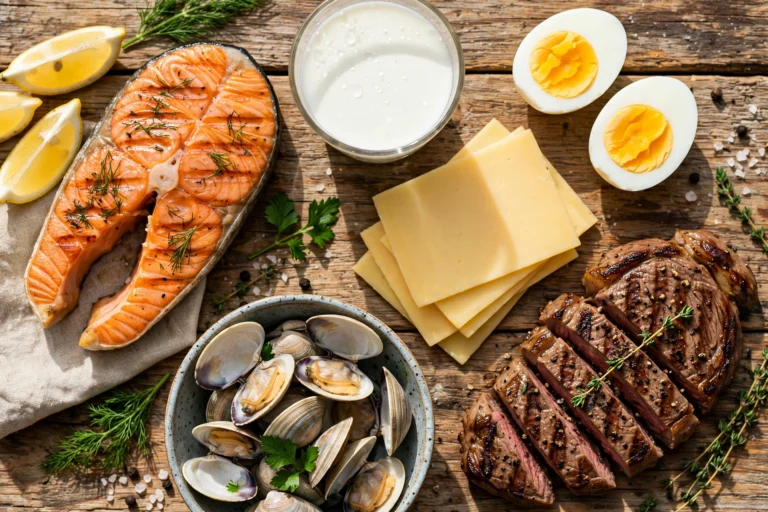
Quick answer: Oysters are the richest food source of zinc, with about 32 mg in a 3-ounce serving, more than three times the daily target for most adults. Beef, pumpkin seeds, lentils, and dairy are also strong sources. Most people can meet their needs from food alone, with no supplement needed.
How much zinc do you need each day?
Zinc is a mineral your body needs in small amounts every day. It helps your immune system work, supports wound healing, and plays a part in growth, taste, and smell. Your body does not store zinc the way it stores some other minerals, so you need a steady supply from food.
Here is the recommended daily amount, from the National Institutes of Health:
| Group | Daily zinc (mg) |
|---|---|
| Adult women | 8 |
| Adult men | 11 |
| Pregnant women | 11 |
| Breastfeeding women | 12 |
| Children 9 to 13 | 8 |
| Children 4 to 8 | 5 |
These numbers are the recommended dietary allowances, the amounts that cover the needs of almost all healthy people in each group. You do not need to hit the number exactly every day. What matters is the average across the week.
Vegetarians often need about 50% more zinc than these numbers, because the zinc in plant foods is harder for the body to absorb. That is not a reason to worry, it is a reason to eat a mix of zinc foods each day, which this guide covers.
The 13 best food sources of zinc, ranked
This table ranks the best sources by the amount of zinc in one serving. The figures come from the USDA FoodData Central database, the standard reference for food nutrients in the United States.
| Food | Serving | Zinc (mg) | % of daily target* |
|---|---|---|---|
| Oysters, cooked | 3 oz (6 medium) | 32 | 291% |
| Beef chuck roast, cooked | 3 oz | 7.0 | 64% |
| Crab, cooked | 3 oz | 6.5 | 59% |
| Beef patty, cooked | 3 oz | 5.3 | 48% |
| Pork chop, cooked | 3 oz | 2.9 | 26% |
| Pumpkin seeds, dried | 1 oz (about 1/4 cup) | 2.2 | 20% |
| Turkey breast, cooked | 3 oz | 1.8 | 16% |
| Lentils, cooked | 1/2 cup | 1.3 | 12% |
| Chickpeas, cooked | 1/2 cup | 1.3 | 12% |
| Yogurt, plain low-fat | 1 cup | 1.3 | 12% |
| Steel-cut oats, cooked | 1/2 cup dry (40 g) | 1.5 | 14% |
| Cashews, dry roasted | 1 oz | 1.6 | 15% |
| Cheddar cheese | 1 oz | 0.9 | 8% |
*Daily target shown for adult men, 11 mg. For adult women (8 mg), the percentages are higher.
1. Oysters: the clear winner
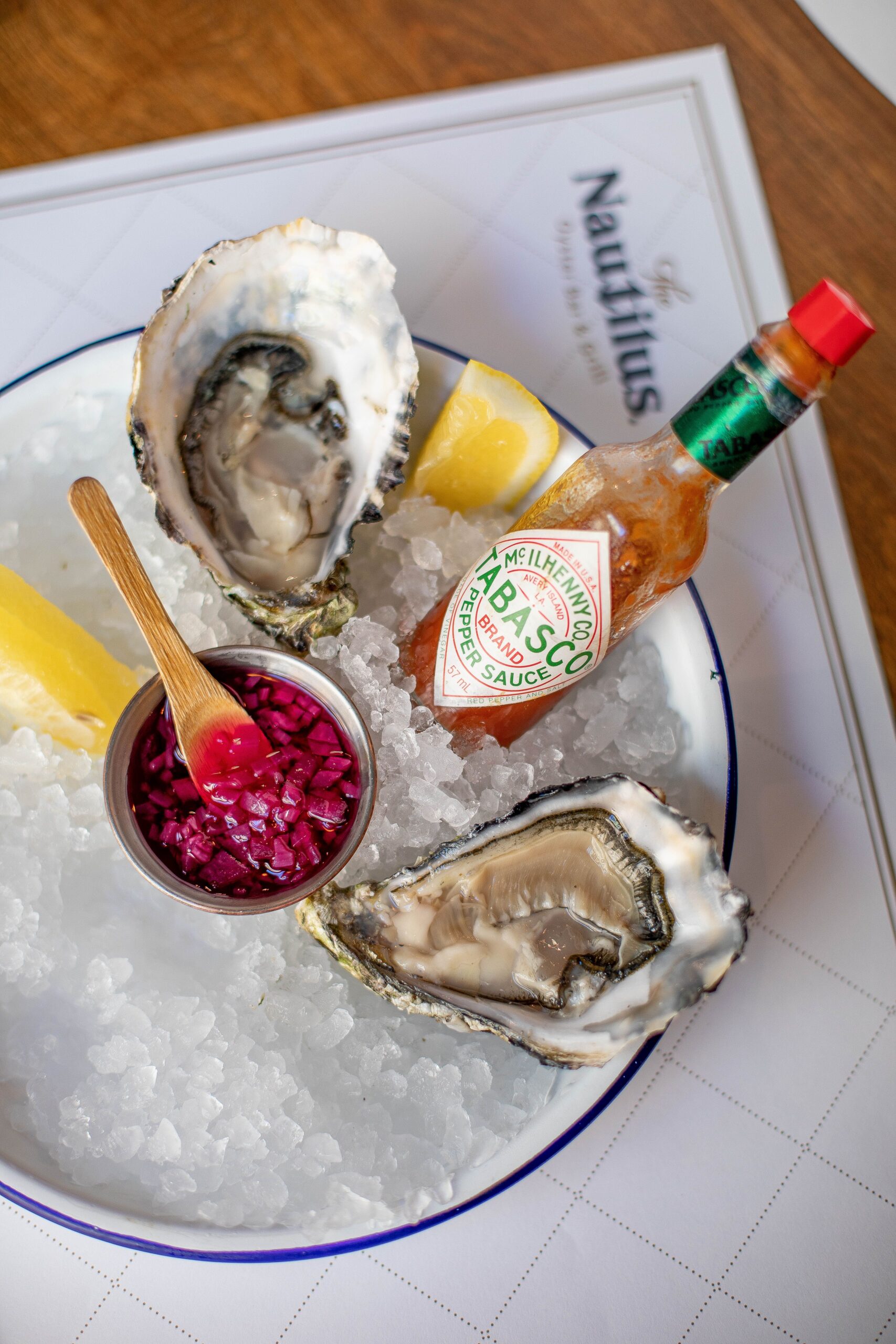
Six medium cooked oysters give you about 32 mg of zinc, nearly three days’ worth in one serving. No other common food comes close. Oysters are also rich in vitamin B12, selenium, and copper. They are not an everyday food for most people, but even one serving a month makes a real difference to your zinc intake.
If you eat oysters, choose cooked ones. Raw oysters carry a small risk of foodborne illness, and cooking removes that risk while keeping the zinc.
2. Beef: the everyday source
A 3-ounce serving of beef chuck roast has about 7 mg of zinc, more than half the daily target for men and nearly all of it for women. A beef patty has about 5.3 mg. Beef is the most common source of zinc in the American diet, simply because people eat it often.
Lean cuts work just as well for zinc. The mineral is in the meat itself, not the fat, so trimming the fat does not cut the zinc.
3. Crab and other shellfish
Cooked crab has about 6.5 mg of zinc per 3-ounce serving. Like oysters, shellfish store zinc in high amounts because they filter it from seawater. Shrimp has less, about 1.4 mg per serving, but it still counts toward your total.
4. Pork: a steady contributor
A cooked pork chop has about 2.9 mg of zinc. It is not as rich as beef, but it is a solid source, and many people eat pork several times a week.
5. Pumpkin seeds: the best plant source
One ounce of dried pumpkin seeds (about a quarter cup) has about 2.2 mg of zinc, the highest of any common seed or nut. They are easy to add to salads, oatmeal, yogurt, or trail mix. Hemp seeds and sesame seeds also contain zinc, at about 2 mg per ounce.
6. Turkey and chicken
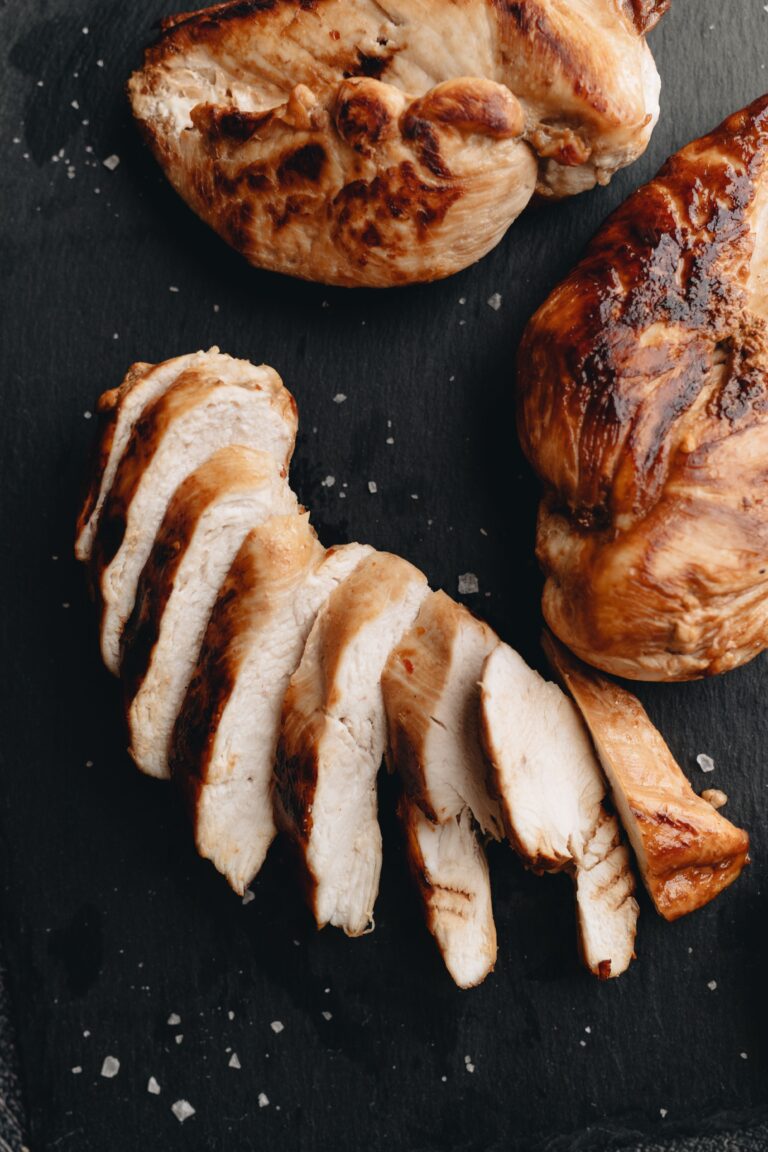
Turkey breast has about 1.8 mg of zinc per 3-ounce serving. Chicken has a little less, around 1 mg, with dark meat slightly higher than white meat. Poultry is a modest source, but because people eat it so often, it adds up across the week.
7. Lentils and chickpeas: the vegetarian workhorses
Cooked lentils and chickpeas each give about 1.3 mg of zinc per half cup. Beans are in the same range. These are the most important zinc foods for vegetarians, because they combine zinc with protein and fiber. Eating them with a source of vitamin C, like tomatoes or bell peppers, helps your body absorb more of the zinc.
8. Yogurt and dairy
A cup of plain low-fat yogurt has about 1.3 mg of zinc. Milk has about 1 mg per cup, and an ounce of cheddar has about 0.9 mg. Dairy is a reliable everyday source, especially for children and for people who eat little meat.
9. Oats: the breakfast source
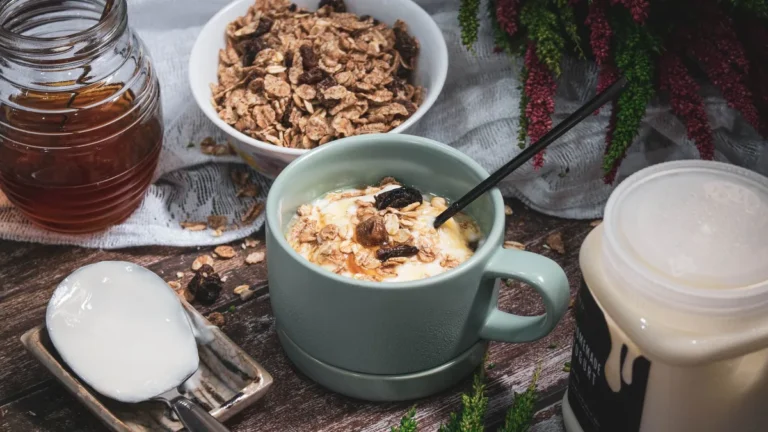
Steel-cut oats have about 1.5 mg of zinc in a 40 g dry serving, which cooks up to about 3/4 cup. Instant oatmeal has less, so steel-cut or old-fashioned oats are the better choice for zinc.
10. Cashews and other nuts
An ounce of dry-roasted cashews has about 1.6 mg of zinc. Almonds have about 0.9 mg per ounce. Nuts are a useful snack source, and they add healthy fats and protein too.
Zinc for vegetarians and vegans
Plant foods contain zinc, but they also contain phytates, natural compounds that reduce how much zinc your body absorbs. That is why vegetarians need more zinc from food than meat eaters do. The fix is simple: eat a mix of zinc-rich plant foods every day, and use a few tricks to improve absorption.
- Soak beans, lentils, and grains before cooking. Soaking reduces phytates.
- Eat zinc foods with vitamin C. Tomatoes, citrus, and bell peppers help absorption.
- Choose leavened bread over flatbread. The yeast fermentation in leavened bread breaks down phytates.
- Include a variety: lentils, chickpeas, pumpkin seeds, oats, yogurt, and nuts across the week.
A vegetarian who eats lentils at lunch, pumpkin seeds as a snack, and yogurt at breakfast is already close to the daily target.
What helps and what hurts zinc absorption
Zinc absorption is not just about how much you eat. Some foods help your body take it in, and some get in the way.
Helps absorption: Protein helps zinc absorption, which is one reason meat and dairy are such reliable sources. Vitamin C also helps, especially with plant sources.
Hurts absorption: Large amounts of calcium, taken at the same meal, can reduce zinc absorption. Iron supplements can also compete with zinc if taken at the same time. This does not mean you should avoid calcium or iron. It means spacing them out helps. If you take an iron supplement, take it at a different meal from your main zinc food.
Coffee and tea have a smaller effect. Drinking them between meals rather than with meals keeps the effect tiny.
Simple meal ideas that cover your zinc
You do not need a special diet to get enough zinc. Here are three easy days:
Day 1: Oatmeal with pumpkin seeds for breakfast, a lentil and tomato soup for lunch, and a beef stir-fry with rice for dinner. That is about 12 mg of zinc, above the target for most adults.
Day 2: Yogurt with cashews for breakfast, a chickpea salad for lunch, and pork chops with potatoes for dinner. About 9 mg.
Day 3 (vegetarian): Oatmeal with pumpkin seeds for breakfast, lentils with rice and bell peppers for lunch, and a chickpea curry with yogurt for dinner. About 8 to 9 mg.
The pattern is simple: one zinc-rich food at each meal, and the numbers take care of themselves.
Do you need a zinc supplement?
Most healthy adults do not need a zinc supplement. Food covers the target easily, and supplements are only useful when a doctor has found a real deficiency. Taking too much zinc from supplements can cause nausea and can lower copper levels over time, which is why the upper safe limit is 40 mg a day for adults.
If you eat little meat and few beans or seeds, talk to a doctor or a dietitian before taking a supplement. A blood test can show whether your zinc is low, and a professional can work out the right amount for you.
“Eat food. Not too much. Mostly plants.” — Michael Pollan
Pollan’s line is a reminder that the best zinc strategy is a varied diet, not a pill. The foods on this list are ordinary foods, and eating a mix of them covers zinc without any special effort.
“The doctor of the future will no longer treat the human frame with drugs, but rather will cure and prevent disease with nutrition.” — Thomas Edison
Edison’s prediction has not quite come true, but the spirit of it holds: food is the first place to look when a nutrient is low. Zinc is a good example, because the fix is a shopping list, not a prescription.
Frequently Asked Questions
What food has the most zinc?
Oysters have the most zinc of any food, with about 32 mg in a 3-ounce serving of cooked oysters. That is nearly three times the daily target for most adults. Beef, crab, and pumpkin seeds are the next best sources.
How can I get enough zinc without meat?
Eat lentils, chickpeas, pumpkin seeds, oats, yogurt, and cashews every day. Soak beans before cooking and pair them with vitamin C foods like tomatoes or bell peppers to help your body absorb more zinc.
How much zinc do I need per day?
Adult women need 8 mg a day and adult men need 11 mg a day. Pregnant women need 11 mg and breastfeeding women need 12 mg. Children need 3 to 8 mg depending on age.
Can I get too much zinc from food?
It is very hard to get too much zinc from food alone. The upper safe limit of 40 mg a day applies mainly to supplements. Eating oysters every day would be the only realistic food route to excess, and even that is unlikely.
Does cooking reduce zinc in food?
Cooking does not remove much zinc. Some zinc is lost in cooking water, so using the cooking liquid in soups or sauces keeps it. Grilling, roasting, and steaming all keep most of the zinc.
What are the signs of low zinc?
Low zinc can show as slow wound healing, loss of taste or smell, more frequent colds, and hair loss. These signs have many causes, so a doctor should check before you assume zinc is the reason.
Are pumpkin seeds a good source of zinc?
Yes. One ounce of dried pumpkin seeds has about 2.2 mg of zinc, the highest of any common seed. A quarter cup a day is an easy way to add zinc to your diet.
Does zinc help with colds?
Some studies suggest zinc lozenges taken early in a cold may shorten it slightly, but the evidence is mixed. Eating zinc-rich foods supports your immune system, but zinc is not a cold cure.
Do vegetarians need more zinc?
Yes, about 50% more than meat eaters, because the zinc in plant foods is harder to absorb. Eating a variety of zinc-rich plant foods each day and using soaking and vitamin C pairing covers the extra need.
Is it better to get zinc from food or supplements?
Food is better for most people. It gives you zinc alongside protein, fiber, and other nutrients, and it is very hard to overdo. Supplements are for people with a confirmed deficiency, decided with a doctor.
Sources
- National Institutes of Health, Office of Dietary Supplements: Zinc Fact Sheet for Health Professionals — https://ods.od.nih.gov/factsheets/Zinc-HealthProfessional/
- U.S. Department of Agriculture, FoodData Central — https://fdc.nal.usda.gov/
This article is for general information only and is not medical advice. If you have a health concern, talk to a healthcare professional.