What Is the Hypothalamus and What Does It Do?
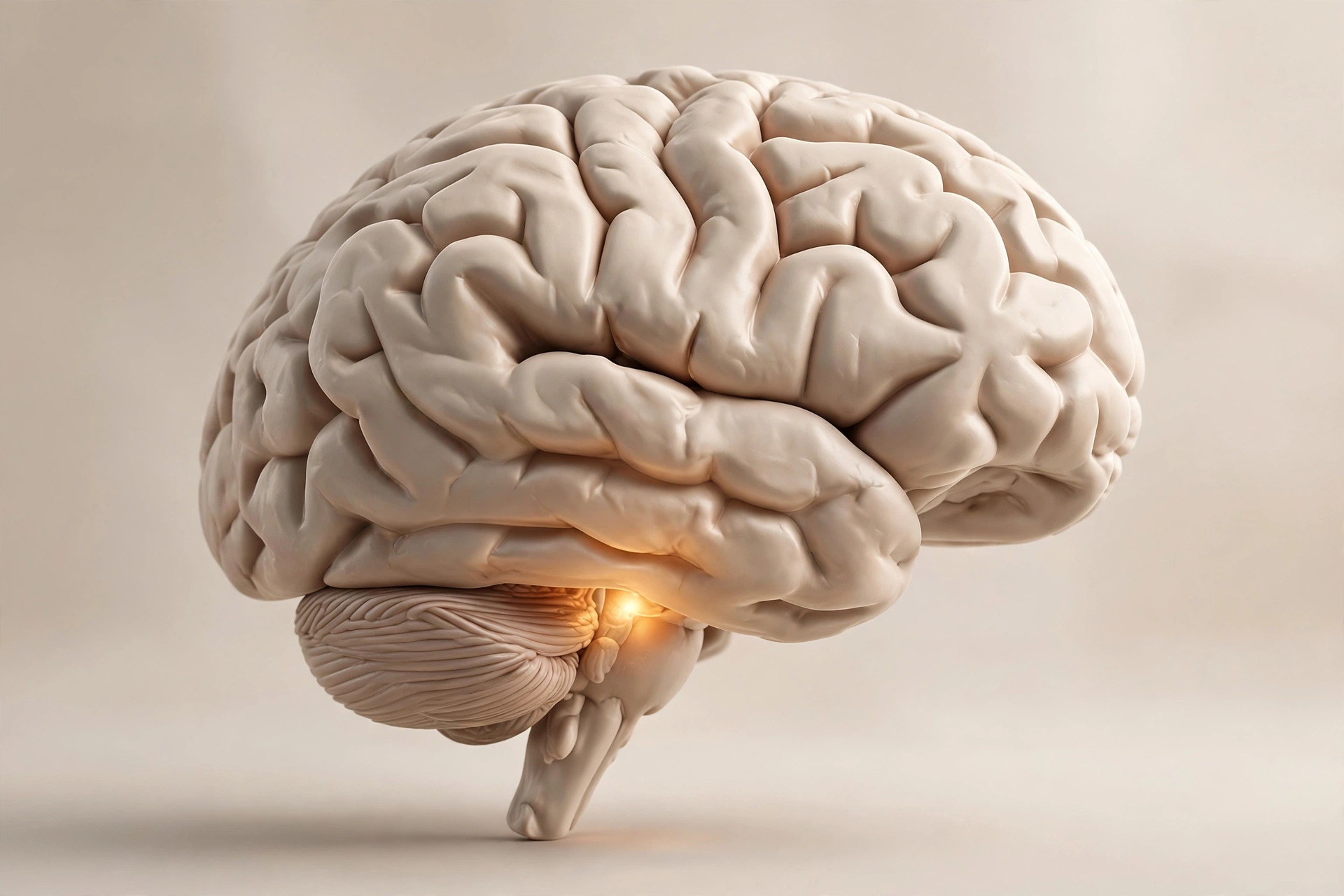
The hypothalamus is a small region at the base of your brain, about the size of an almond, yet it manages some of the most important jobs in your body. It controls your temperature, your hunger and thirst, your sleep, your mood and many of your hormones. Think of it as your body’s control center, quietly keeping your internal balance steady all day and night. The Cleveland Clinic describes it as the main link between your nervous system and your endocrine system. This guide explains where this brain region sits, what it does, the hormones it controls, and the signs that suggest it is time to talk to a clinician.
In this article:
- What Is the Hypothalamus?
- Where Is the Hypothalamus Located?
- What Does the Hypothalamus Do?
- The Hypothalamus and Hormones
- How the Hypothalamus Controls Body Temperature
- The Hypothalamus, Hunger and Weight
- The Hypothalamus and Sleep
- Hypothalamus Disorders and Warning Signs
- Frequently Asked Questions
What Is the Hypothalamus?
This brain region is a small structure deep inside the brain, just above the brainstem and below the thalamus. It weighs only about 4 grams, which is less than 1% of total brain weight, yet it performs work that affects nearly every system in the body. Its name comes from Greek, meaning “under the chamber,” because it sits beneath the thalamus.
The structure is made up of clusters of nerve cells called nuclei. Each cluster handles different tasks, from sensing temperature to releasing hormones. Together, these clusters collect signals from your brain, your body and the world around you, then send out instructions that keep your internal state stable. Scientists call that stable state homeostasis, and this small region is its main guardian.
What makes it special is that it connects two systems that usually work separately: the nervous system, which sends fast electrical signals, and the endocrine system, which sends slower chemical signals called hormones through the blood. The hypothalamus speaks both languages, so it can turn a nerve signal into a hormone response, and the other way around.
Where Is the Hypothalamus Located?
It sits at the base of the brain, below the thalamus and just above the pituitary gland. The pituitary gland hangs below it on a thin stalk of tissue called the infundibulum. This close position matters, because much of this region’s work happens through its control of the pituitary gland.
Blood vessels link it directly to the front part of the pituitary gland, known as the anterior pituitary. The back part, the posterior pituitary, connects through nerve fibers in the stalk. These two links let the brain region send releasing hormones to the pituitary within seconds, and the pituitary then passes the message on to glands throughout the body.
What Does the Hypothalamus Do?
This control center manages the automatic functions you rarely think about. Its main jobs include:
- Body temperature. It senses the temperature of your blood and triggers sweating or shivering to keep you near 98.6 F (37 C).
- Hunger and thirst. It tracks nutrients and fluid levels, then creates feelings of hunger, fullness and thirst.
- Sleep and daily rhythms. It helps set your sleep-wake cycle and other circadian rhythms.
- Blood pressure and heart rate. It influences the autonomic nervous system, which controls these functions without conscious thought.
- Mood and sex drive. It plays a role in emotions, sexual behavior and bonding.
- Hormone control. It tells the pituitary gland when to release hormones that affect growth, stress, reproduction and metabolism.
Because this region handles so many jobs, problems with it can show up in many different ways, from temperature swings to appetite changes. That is why clinicians look at the whole picture when they assess it.
The Hypothalamus and Hormones
This brain region controls hormones in two ways. First, it makes releasing hormones that travel to the anterior pituitary and tell it what to release. Second, it makes two hormones of its own, oxytocin and vasopressin, which are stored in the posterior pituitary and released when needed.
Here is how the main chain of command works, according to StatPearls, a peer-reviewed physiology reference from the National Library of Medicine:
- Growth hormone-releasing hormone (GHRH) – Growth hormone (GH): Stimulates growth in bones and muscles
- Gonadotropin-releasing hormone (GnRH) – FSH and LH: Controls the menstrual cycle, ovulation, testosterone and sperm production
- Corticotropin-releasing hormone (CRH) – ACTH: Signals the adrenal glands to release cortisol, the stress hormone
- Thyrotropin-releasing hormone (TRH) – Thyroid-stimulating hormone (TSH): Signals the thyroid gland to release thyroid hormones
- Dopamine (inhibiting signal) – Prolactin (reduced): Dopamine stops the pituitary from releasing prolactin, the milk-production hormone
The brain region also produces somatostatin, which slows the release of growth hormone and thyroid-stimulating hormone. This chain, called the hypothalamic-pituitary axis, is how the brain controls glands far away in the body, including the thyroid, the adrenal glands and the reproductive organs.
Oxytocin and Vasopressin
The two hormones this region makes itself deserve a closer look.
Oxytocin helps the uterus contract during childbirth and helps release breast milk during nursing. It is also linked to bonding, trust and feelings of well-being, which is why it is sometimes called the bonding hormone.
Vasopressin, also called antidiuretic hormone (ADH), tells the kidneys how much water to keep. When you are dehydrated, the brain releases more vasopressin, so your kidneys hold on to water and your urine becomes more concentrated. It also helps maintain blood pressure. MedlinePlus has a clear overview of how these hormones fit into the endocrine system as a whole.
How the Hypothalamus Controls Body Temperature
This region works like a thermostat. It constantly measures the temperature of the blood flowing through it, and it compares that reading with your body’s set point, around 98.6 F (37 C).
When your temperature rises, it triggers cooling responses. It widens blood vessels near the skin so heat can escape, and it starts sweating. When your temperature falls, it does the opposite: it narrows blood vessels to keep heat inside, and it triggers shivering, which generates heat through muscle movement.
Fever works through the same system. During an infection, immune signals can raise the set point, so your body feels cold and starts shivering to reach the new, higher temperature. When the infection clears, the set point drops back, and sweating helps bring the temperature down.
Problems with this thermostat are rare but serious. Damage to this brain region can leave a person unable to regulate temperature, causing overheating or unusual chills that do not match the weather.
The Hypothalamus, Hunger and Weight
This is the brain’s appetite center. It receives signals about your energy stores from hormones such as leptin, which comes from fat tissue, and ghrelin, which comes from the stomach. It also senses blood sugar, nutrients and the stretch of the stomach after a meal.
Two groups of nerve cells in this region work against each other. One group, centered in the arcuate nucleus, sends hunger signals when energy is low. The other sends fullness signals when you have eaten enough. Together they decide whether you feel hungry or satisfied.
This system explains why appetite is hard to control by willpower alone. Sleep loss, stress and certain medicines can all shift the balance of these signals. For example, poor sleep raises ghrelin and lowers leptin, which is one reason tired people often feel hungrier the next day. Regular meals, enough sleep and stress management all help keep this system steady. Our guide to nervous system regulation techniques covers simple daily habits that support this balance.
The Hypothalamus and Sleep
This brain region plays a central role in sleep. A small cluster of cells called the suprachiasmatic nucleus acts as the body’s master clock, tracking light and darkness to set your daily rhythm. It tells you when to feel sleepy at night and when to feel alert in the morning.
Light is the strongest signal for this clock. Morning light helps reset it, while bright light late at night can delay sleepiness. The brain also works with the hormone melatonin, which rises in the evening and helps prepare the body for sleep.
That is why sleep experts recommend regular sleep and wake times, morning daylight and a dark bedroom at night. A steady routine gives this control center clear signals to work with. If sleep problems last for weeks, our Sleep Health section has more background, and a clinician can help look for causes.

Hypothalamus Disorders and Warning Signs
This brain region can be affected by tumors, head injuries, infections, surgery, radiation or genetic conditions. When it does not work properly, the effects depend on which part is involved, and they can appear slowly.
Signs that clinicians associate with problems in this area include:
- Unexplained weight gain or loss, or appetite changes that do not match your habits
- Ongoing problems with body temperature, such as frequent overheating or feeling cold for no clear reason
- Extreme thirst and passing large amounts of urine, which can point to low vasopressin
- Persistent fatigue, low mood or sleep problems that do not improve with rest
- Changes in menstrual cycles, fertility or sex drive
- Headaches or vision changes, which can occur if a nearby growth presses on surrounding structures
These signs are general, and each one has many possible causes. A single symptom on its own rarely means a problem in this brain region. But a combination of them, especially after a head injury or alongside a known brain condition, is a good reason to seek medical care promptly. A clinician may order blood tests for hormone levels, an MRI scan, or a referral to an endocrinologist.
There is no home test for this region’s function, and no supplement or diet is proven to repair it. Be cautious of products that claim to “balance” or “detox” it, since no such treatment is established. If you are worried about any of the signs above, the safest step is a medical appointment, not a self-diagnosis online.
Frequently Asked Questions
What is the main function of the hypothalamus?
The main function of this brain region is to keep the body’s internal balance, called homeostasis. It does this by managing body temperature, hunger, thirst, sleep, blood pressure, mood and hormones, mostly through its control of the pituitary gland and the autonomic nervous system.
Where is the hypothalamus located in the brain?
It sits at the base of the brain, below the thalamus and just above the pituitary gland. It is a small structure, weighing about 4 grams, and it connects to the pituitary gland through blood vessels and a thin stalk of tissue.
What hormones does the hypothalamus control?
It controls growth hormone, thyroid hormones, cortisol, reproductive hormones and prolactin by sending releasing hormones to the pituitary gland. It also makes oxytocin and vasopressin itself, and produces dopamine and somatostatin to fine-tune hormone release.
Can the hypothalamus affect weight?
Yes, this brain region helps control appetite and body weight by sensing hormones such as leptin and ghrelin, along with blood sugar and nutrient levels. Sleep loss and stress can disturb these signals, which is why appetite often rises after poor sleep. This does not mean weight is simply a matter of willpower.
What happens if the hypothalamus is damaged?
Damage to this brain region can disrupt temperature control, appetite, thirst, sleep and hormone balance. Possible effects include unexplained weight changes, extreme thirst, temperature problems and changes in menstrual cycles or sex drive. These symptoms have many causes, so a clinician should assess them.
How can I keep my hypothalamus healthy?
There is no proven way to target this brain region directly, but the habits that support overall brain and hormone health help: regular sleep, a balanced diet, regular movement, stress management and avoiding head injuries. A steady daily rhythm gives it clear signals to work with, and our healthy morning routine guide has practical ideas for building one.
Conclusion
The hypothalamus may be small, but it is one of the busiest parts of your brain. It keeps your temperature steady, manages your hunger and thirst, sets your sleep rhythm and directs the hormones that shape growth, stress and reproduction. Most of the time it works quietly in the background, and the best way to support it is the same advice that supports your whole body: sleep well, eat a balanced diet, move regularly and manage stress. If you notice a lasting combination of the warning signs above, especially after a head injury, talk to a clinician rather than trying to diagnose it yourself.
This article is for general information only and is not medical advice. If you have an ongoing health concern, talk to a healthcare professional.