
Innate Immunity: Your Body’s Built-In First Line of Defense
Long before your immune system learns to recognize a specific virus or bacteria, it is already defending you. The moment you take your first breath, a rapid, broad-spectrum defense system springs into action — this is your innate immunity. You never had to learn it, and it never takes a day off.
In this guide, we will walk through what innate immunity is, how your physical barriers, immune cells, and chemical defenders work together, and the everyday habits that help keep this system strong.
What Is Innate Immunity?
Innate immunity is the body’s built-in, non-specific defense system. “Innate” means it is present from birth, and “non-specific” means it responds the same way to a wide range of threats instead of targeting one particular germ.
Three things make it different from other parts of your immune system:
- It is always ready. It needs no previous encounter with a pathogen to spring into action.
- It is fast. Innate responses begin within minutes to hours, long before learned (adaptive) immune responses can kick in.
- It is broad. It recognizes general patterns shared by many microbes rather than the precise identity of a single germ.
Think of it as the security team stationed at every entrance of a building: they do not need a photo of each intruder to stop someone climbing over the fence.
Your First Line of Defense: Physical Barriers
The simplest and most effective strategy against germs is to keep them out in the first place. Your body invests enormous effort in this first line of defense.
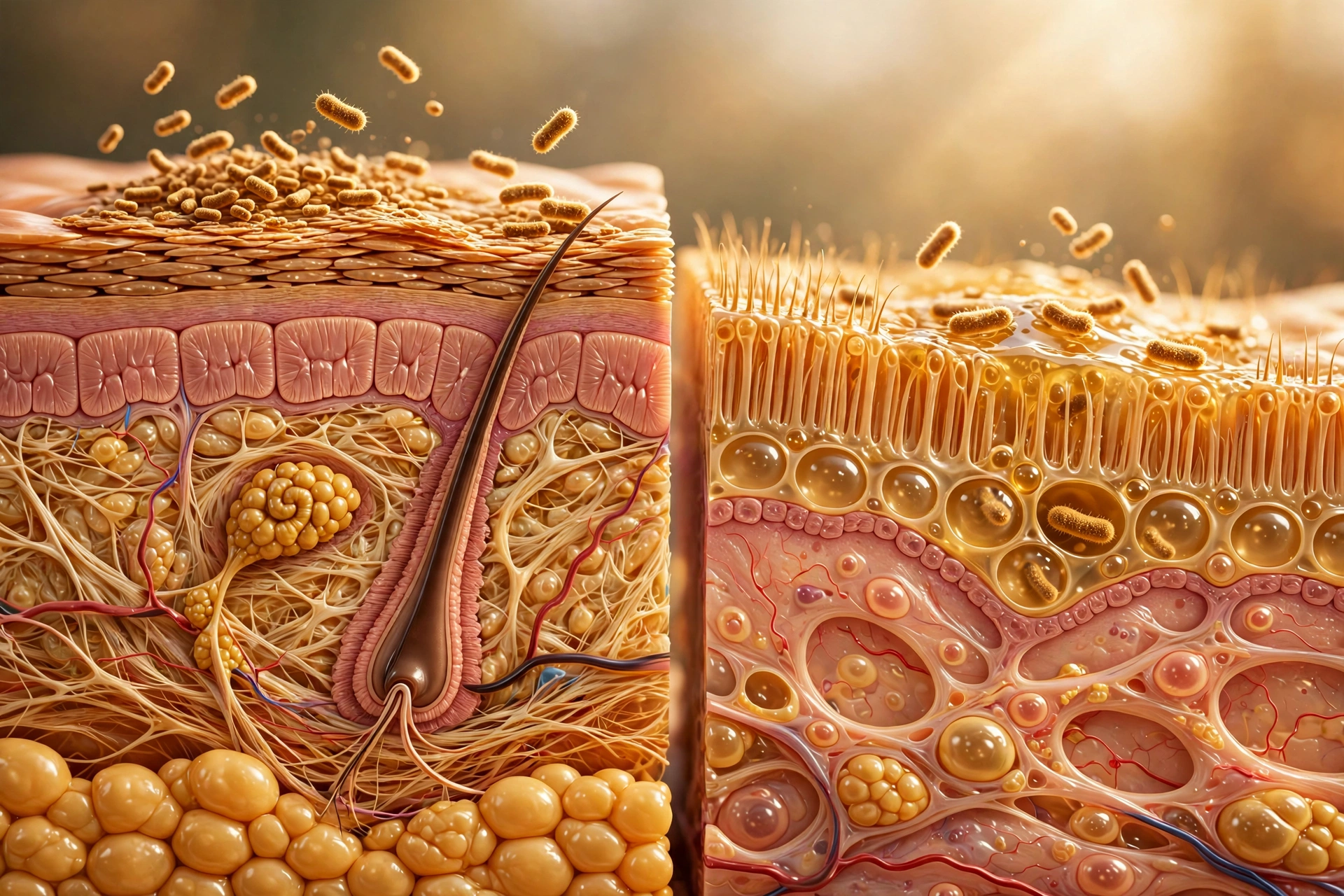
Skin is the star barrier. Your skin is the body’s largest organ, and its tightly packed, constantly renewing outer layer forms a nearly waterproof seal that blocks microbes, dirt, and chemicals from getting in. Sweat and skin oils also create a mildly acidic surface that discourages many bacteria.
Mucous membranes line your nose, mouth, lungs, gut, and other openings. These sticky linings trap dust, pollen, and microbes, and tiny hair-like structures called cilia sweep the trapped particles out of your airways — which is why coughing and mucus production ramp up during a cold.
Tears, saliva, and urine also help by physically flushing germs away from vulnerable surfaces like your eyes, mouth, and urinary tract.
The Microbiome: Friendly Tenants That Guard the House
Your body hosts trillions of beneficial bacteria, especially in the gut and on the skin. This microbiome is increasingly considered part of your first line of defense. Helpful microbes compete with harmful ones for space and nutrients, and some produce substances that make the environment less hospitable to invaders. A balanced diet rich in fiber and fermented foods supports this community — one more reason your daily meals matter for immunity.
The Second Line: Chemical Defenders
Germs that slip past the physical barriers meet the chemical defenses — a second line that attacks microbes directly or makes the body a hostile place for them.
Stomach acid destroys most microbes swallowed with food and drink. Enzymes in saliva and tears, such as lysozyme, can break down bacterial cell walls on contact.
Interferons are signaling proteins released by virus-infected cells. They warn neighboring cells to ramp up their antiviral defenses, effectively putting the local neighborhood on lockdown before the virus can spread further.
The complement system is a group of proteins circulating in your blood that work like a special-ops team. Once activated, these proteins can mark germs for destruction (a process called opsonization), summon other immune cells to the scene, and even punch holes directly into the membranes of certain microbes, killing them outright.
The Cellular Patrol: Immune Cells That Eat Invaders
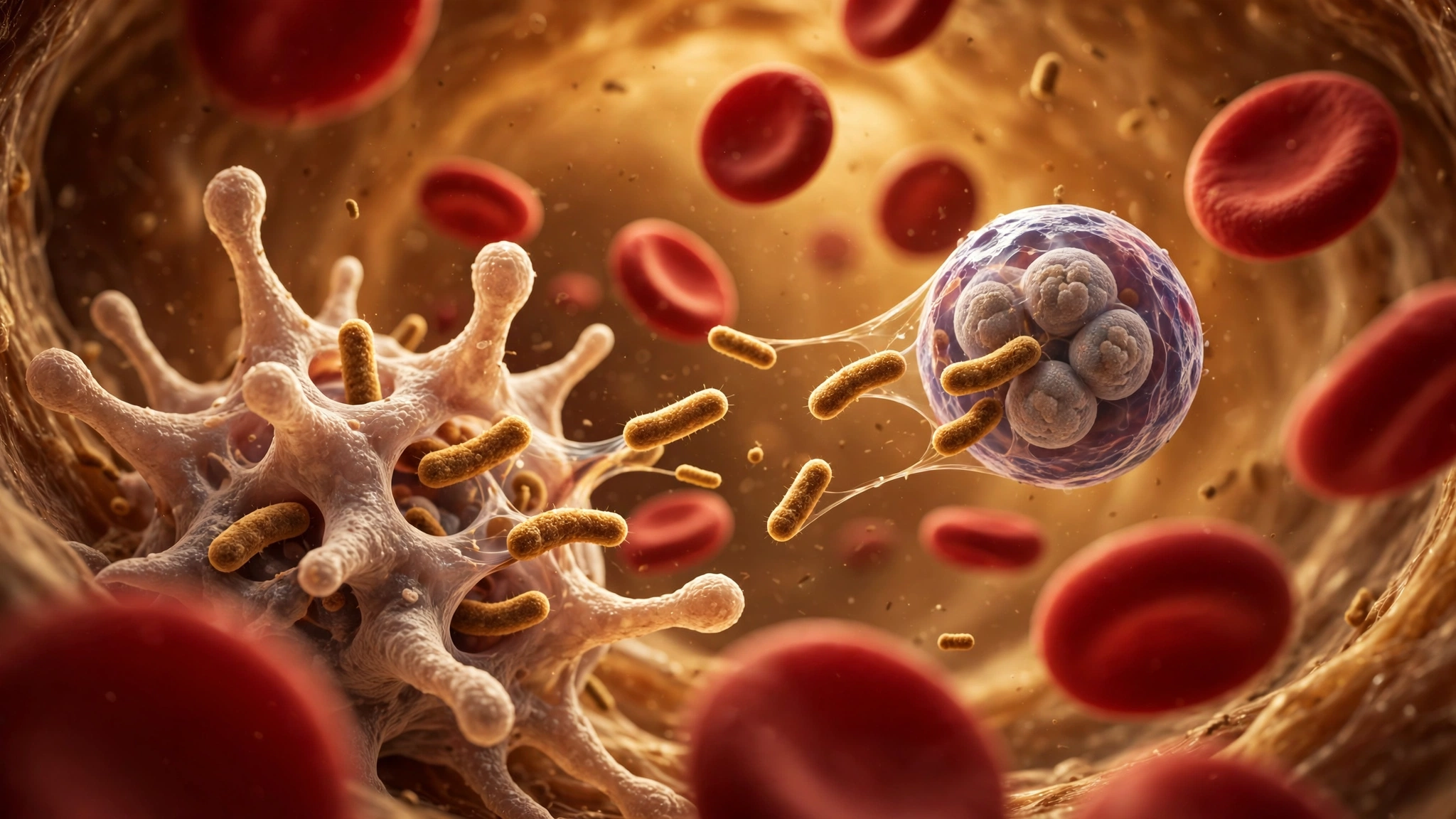
Your tissues and bloodstream are patrolled by specialized innate immune cells. The most famous are the phagocytes — cells that literally engulf and digest microbes, a process called phagocytosis.
- Neutrophils are the most numerous white blood cells in your circulation and the classic first responders. They swarm to infection sites within minutes, engulf bacteria, and release antimicrobial chemicals. Pus is largely made up of dead neutrophils that have done their job.
- Macrophages live in your tissues — lungs, liver, skin, gut — acting as long-term sentries. They engulf microbes and dead cells, and they also release alarm signals that recruit neutrophils and other defenders.
- Natural killer (NK) cells are specialists in a different mission: they find and destroy your own cells that have been hijacked by viruses or have become abnormal, helping stop infections from spreading and contributing to the body’s surveillance against abnormal cells.
How do these cells know what to attack? They carry pattern recognition receptors that detect molecular patterns common to microbes but absent from healthy human cells. It is a simple identification system — “this shape does not belong here” — and it is why innate immunity can react to germs it has never seen before.
Inflammation: Your Body’s Alarm System
If you have ever had a sore throat, a swollen splinter site, or a sprained ankle that turned red and warm, you have witnessed inflammation — a classic innate immune response.
Inflammation is a coordinated reaction to infection or injury with five hallmark signs: redness, heat, swelling, pain, and loss of function. These are not accidents; they are the immune system at work. Blood vessels widen to increase blood flow (redness and heat), fluid leaks into the tissue to help immune cells arrive (swelling), and nerve endings become sensitized (pain) to warn you to protect the area.
Short-term (acute) inflammation is protective and resolves once the threat is cleared. When inflammation lingers for weeks or months without a clear cause — chronic inflammation — it can damage healthy tissue and is linked to many long-term diseases. If swelling, pain, or fatigue persist, that is a signal to talk with a healthcare professional rather than push through.
Fever: Turning Up the Heat on Germs
Fever is another innate weapon. When immune cells detect an infection, they release signaling molecules that tell the brain to raise the body’s temperature set point. Many microbes reproduce poorly at higher temperatures, while immune cells become more active — a home-field advantage for your defenses.
A mild-to-moderate fever during a common infection is therefore part of the defense strategy, not the disease itself. Stay hydrated, rest, and follow standard guidance on when a fever warrants medical attention (for example, very high temperatures, fever lasting several days, or fever in infants).
How Innate Immunity Differs From Adaptive Immunity
Your immune system has a second half: adaptive (acquired) immunity, carried out by B cells and T cells. Where innate immunity is fast and general, adaptive immunity is slow and precise — it takes days to weeks to build a response the first time, but it then remembers the specific germ and responds far more powerfully on later encounters. Vaccines work by training this memory safely.
The two halves are not rivals; they are partners. Innate immunity holds the line and slows invaders down, then passes key information — captured germ fragments and alarm signals — to the adaptive system so it can build its targeted response. Without a strong innate response, the adaptive system would never get properly activated.
Everyday Habits That Support Your Innate Defenses
You cannot redesign your innate immunity, but you can avoid weakening it and keep it performing at its best. Research consistently points to the same fundamentals:
- Sleep enough. Chronic sleep loss impairs many parts of the immune response, including innate defenses. Most adults need 7–9 hours.
- Eat a varied, balanced diet. Fruits, vegetables, lean proteins, and whole grains supply the vitamins and minerals immune cells need. Severe nutrient deficiencies weaken defenses.
- Stay physically active. Regular moderate exercise is associated with better immune function, while extreme overtraining can temporarily suppress it.
- Manage stress. Long-term stress hormones can dampen immune responses; relaxation, social connection, and time outdoors help.
- Avoid smoking and limit alcohol. Smoking damages the physical barriers in your airways and weakens immune cells; heavy drinking suppresses immune function.
- Practice basic hygiene. Handwashing and safe food handling reduce the load of germs your barriers must handle.
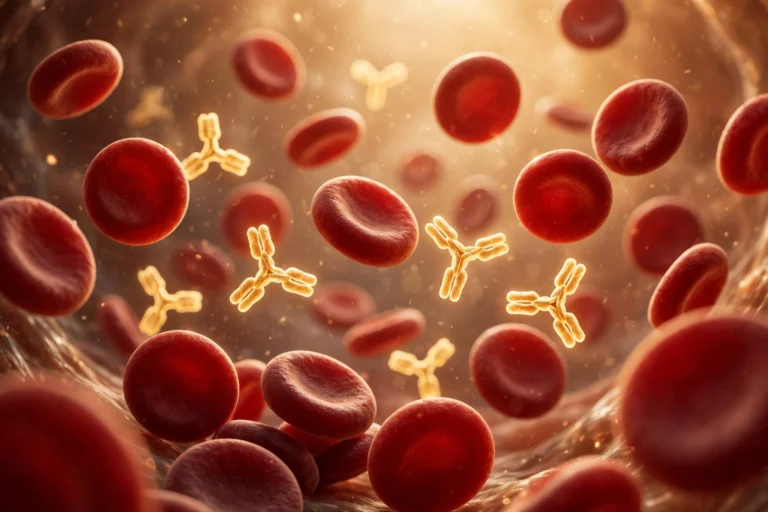
For babies, there is one special source of early protection worth mentioning: antibodies passed from mother to child through the placenta and through breast milk give newborns a head start while their own immune systems mature.
The Bottom Line
Innate immunity is your body’s immediate, born-with-you defense — the skin and barriers that block germs, the chemical and cellular teams that destroy what gets through, and the inflammation and fever that rally the response. It buys your body the time it needs for the slower, targeted adaptive immune system to build its precise counterattack.
Support it with the basics your whole body depends on: good sleep, balanced nutrition, regular movement, and healthy habits. Your first line of defense is always on duty — give it the support it deserves.
This article is for general information and education only and is not medical advice. If you have ongoing concerns about your immune health, talk with a qualified healthcare professional.