Foods High in Protein: 48 Best Sources With Grams per Serving
If you are looking for foods high in protein, you do not need a complicated plan or a shelf of powders. Ordinary supermarket foods like chicken, eggs, tuna, Greek yogurt, lentils and peanut butter already cover almost every goal. The trick is knowing how much protein each food actually gives you, because the numbers vary more than most people expect.
This guide lists 48 high-protein foods in one master table, with grams per serving, per 100 grams, and per 100 calories side by side. You will also find the best picks for vegetarians and vegans, the cheapest sources ranked by cost, simple snacks, and three worked plates that each reach about 30 grams of protein. Every figure is approximate and based on standard USDA data, so check your own label for the exact product you buy.
Quick Answer: Which Foods Are Highest in Protein?
The foods highest in protein per typical serving are chicken breast (37g), turkey breast (34g), ground turkey (30g), lean ground beef, pork tenderloin and tilapia (29g each), and shrimp (27g). Among dairy foods, Greek yogurt and skyr lead. Among plant foods, tempeh, seitan, edamame and lentils give the most per serving.
What Counts as a High-Protein Food?
As a simple rule of thumb, a food counts as high in protein when a normal serving gives you at least 10 grams, or when protein makes up a large share of its calories. Chicken breast passes both tests easily. Peanut butter passes the first but not the second, because much of its energy comes from fat, which is why the per-calorie column matters.
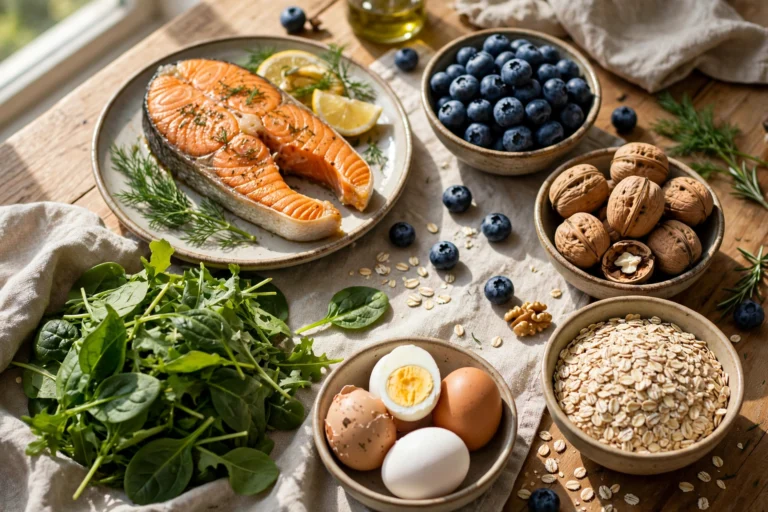
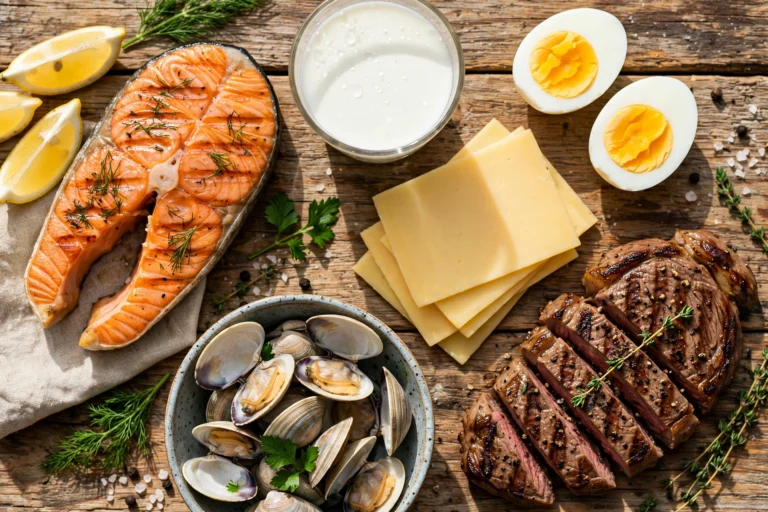
Protein foods also differ in what else they bring. Meat, fish, eggs and dairy are complete proteins, supplying all nine essential amino acids in useful amounts. Most plant foods are lower in one or two amino acids, but a varied day of eating covers this easily. The USDA MyPlate protein foods group makes the same point: mix meats, seafood, eggs, dairy, beans, soy, nuts and seeds, and the variety does most of the work.
The Master Table: 48 Foods High in Protein
Here is the full list in one place. The serving column uses everyday household measures. The per 100 gram column lets you compare foods fairly, and the per 100 calorie column shows how much protein you get for your calorie budget.
About these numbers: All values are rounded estimates based on standard entries in USDA FoodData Central. Brand, cut and cooking method change the figures a little, so check labels where it matters.
Raw vs cooked weight: All meat and fish values in this table are for cooked weight. Raw meat weighs about 25% more, so 4 oz of raw chicken becomes about 3 oz once cooked.
| Food | Serving | Protein per serving | Protein per 100g | Protein per 100 calories |
|---|---|---|---|---|
| Chicken breast, cooked | 1 medium breast (120g) | 37g | 31g | 19g |
| Turkey breast, cooked | 4 oz (113g) | 34g | 30g | 20g |
| Ground turkey (93% lean), cooked | 4 oz (113g) | 30g | 27g | 13g |
| Lean ground beef (90%), cooked | 4 oz (113g) | 29g | 26g | 12g |
| Bison, ground, cooked | 4 oz (113g) | 29g | 26g | 14g |
| Pork tenderloin, cooked | 4 oz (113g) | 29g | 26g | 18g |
| Tilapia, cooked | 4 oz (113g) | 29g | 26g | 20g |
| Canned tuna in water, drained | 1 can drained (113g) | About 28g | 25g | 22g |
| Salmon fillet, cooked | 4 oz (113g) | 25g | 22g | 11g |
| Sardines, canned, drained | 1 small tin (92g) | 23g | 25g | 12g |
| Shrimp, cooked | 4 oz (113g) | 27g | 24g | 24g |
| Cod, cooked | 4 oz (113g) | 21g | 19g | 18g |
| Beef jerky | 1 oz (28g) | 9g | 33g | 8g |
| Eggs, whole | 2 large eggs (100g) | 13g | 13g | 9g |
| Egg whites | About 3 whites (100g) | 11g | 11g | 21g |
| Greek yogurt, plain 0% | 1 tub (170g) | 17g | 10g | 17g |
| Skyr (Icelandic yogurt) | 1 tub (170g) | 19g | 11g | 17g |
| Cottage cheese, 2% | 1/2 cup (113g) | 12g | 11g | 15g |
| Milk, whole | 1 cup (245g) | 8g | 3.4g | 6g |
| Kefir, plain | 1 cup (245g) | 9g | 3.5g | 6g |
| Cheddar cheese | 1 oz (28g) | 7g | 25g | 6g |
| Parmesan cheese | 1 oz (28g) | 10g | 36g | 8g |
| Mozzarella cheese | 1 oz (28g) | 6g | 22g | 8g |
| Ricotta cheese, whole milk | 1/2 cup (124g) | 14g | 11g | 6g |
| Swiss cheese | 1 oz (28g) | 8g | 27g | 7g |
| Tempeh | 3 oz (85g) | 16g | 19g | 10g |
| Firm tofu | 3 oz (85g) | 9g | 10g | 12g |
| Seitan | 3 oz (85g) | 21g | 25g | 17g |
| Edamame, shelled | 1 cup (155g) | 17g | 11g | 9g |
| Lentils, cooked | 1 cup (198g) | 18g | 9g | 8g |
| Black beans, cooked | 1 cup (172g) | 15g | 9g | 7g |
| Chickpeas, cooked | 1 cup (164g) | 15g | 9g | 5g |
| Kidney beans, cooked | 1 cup (177g) | 16g | 9g | 7g |
| Green peas, cooked | 1 cup (160g) | 9g | 5g | 7g |
| Soy milk, unsweetened | 1 cup (240g) | 8g | 3.3g | 8g |
| Hummus | 1/4 cup (60g) | 5g | 8g | 5g |
| Peanut butter | 2 tbsp (32g) | 8g | 25g | 4g |
| Peanuts | 1 oz (28g) | 7g | 26g | 5g |
| Almonds | 1 oz (28g) | 6g | 21g | 4g |
| Walnuts | 1 oz (28g) | 4g | 15g | 2g |
| Pumpkin seeds | 1 oz (28g) | 8g | 30g | 5g |
| Sunflower seeds | 1 oz (28g) | 6g | 21g | 4g |
| Hemp seeds | 3 tbsp (30g) | 10g | 32g | 6g |
| Chia seeds | 1 oz (28g) | 5g | 17g | 3g |
| Nutritional yeast | 2 heaping tbsp (16g) | 8g | 50g | 13g |
| Oats, dry | 1/2 cup (40g) | 5g | 13g | 3g |
| Quinoa, cooked | 1 cup (185g) | 8g | 4.4g | 4g |
| Whole wheat bread | 2 slices (64g) | 8g | 13g | 5g |
Two patterns are worth noting. Hard cheeses like Parmesan look unbeatable per 100 grams but drop down the per-calorie ranking. And nuts and seeds are useful helpers whose calories climb fast, so portion size matters more with them than with almost any other group.
Meat, Poultry and Seafood
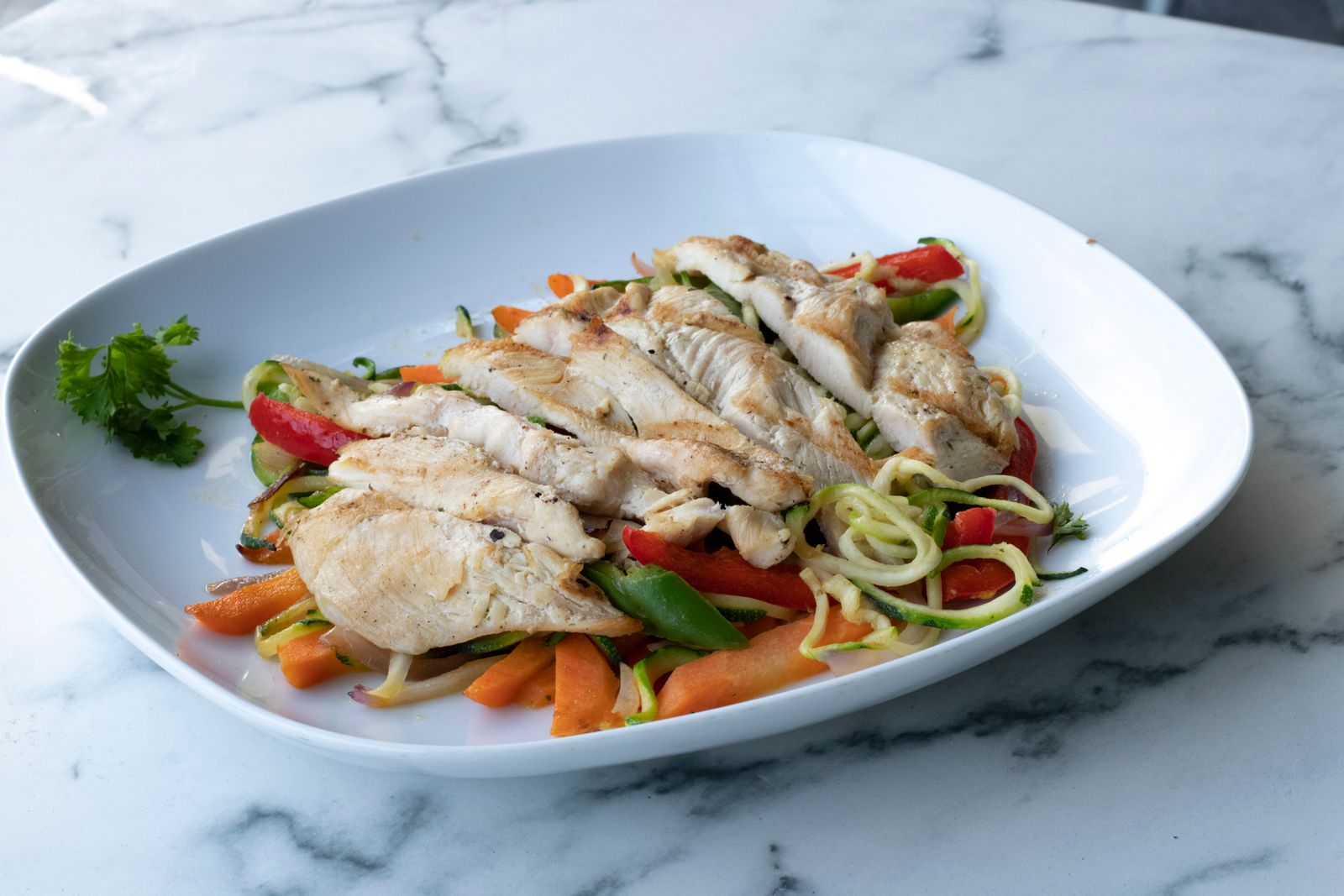
This group gives the most protein per bite, and seafood brings nutrients that are harder to find elsewhere, which is why oily fish appear on most lists of vitamin B12 foods.
Chicken breast (37g per breast). The benchmark protein food: lean, affordable, and easy to cook in bulk. Skinless breast is far leaner than thigh meat, so check the cut a recipe uses.
Turkey breast (34g per 4 oz). Just as lean as chicken and often cheaper around holidays. Ground turkey swaps well for ground beef, but some packs include skin and extra fat, so read the label.
Ground turkey, 93% lean (30g per 4 oz, cooked). A weeknight staple for tacos, meatballs and pasta sauces. Cook it thoroughly and drain the pan for a leaner result.
Lean ground beef, 90% (29g per 4 oz). Rich in iron and vitamin B12 as well as protein. The leaner the grind, the higher the protein share, so choose 90% or leaner.
Bison (29g per 4 oz, cooked). A lean red meat that cooks much like beef, with a slightly sweeter taste. Ground bison swaps straight into burgers, sauces and chili.
Pork tenderloin (29g per 4 oz). The leanest common pork cut, closer to chicken breast than to bacon. It roasts quickly and slices well for sandwiches.
Tilapia (29g per 4 oz). A mild, inexpensive white fish that takes on any seasoning. Its protein per calorie is among the best in the whole table.
Canned tuna (about 28g per can). The pantry champion: no cooking, long shelf life, and more protein per dollar than almost any other animal food. Labels range from about 20 to 29g per can, so check yours. Rotate it with other fish across the week. Canned light tuna is also a lower-mercury choice. If you are pregnant, breastfeeding, or feeding young children, follow the FDA’s advice about eating fish and limit albacore (white) tuna to one serving a week.
Salmon (25g per 4 oz). Lower in protein per calorie than white fish, because its healthy fats add energy, but you gain omega-3 fats that lean fish barely have.
Sardines (23g per small tin). Small fish with big numbers, plus calcium from the soft bones. Mash them on toast with lemon if the taste is too strong at first.
Shrimp (27g per 4 oz). The protein-per-calorie winner of this group. Shrimp cook in minutes, work hot or cold, and come cooked and peeled.
Cod (21g per 4 oz). A gentle, flaky white fish with very little fat. A good choice for people who find oily fish too strong.
Beef jerky (9g per oz). Concentrated protein that needs no fridge, handy for travel and desks. It is high in sodium, so keep it an occasional snack.
Eggs and Dairy
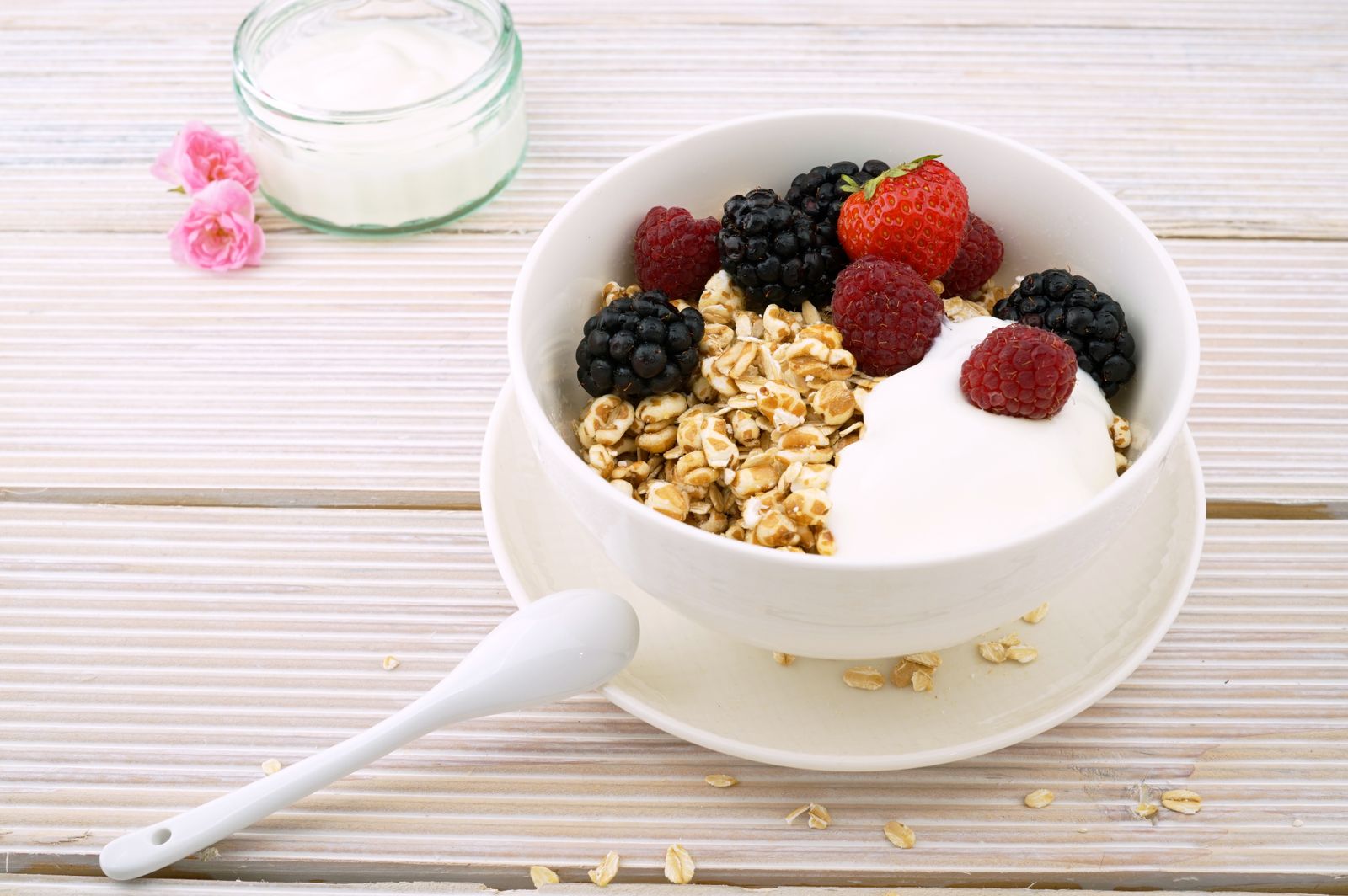
Dairy and eggs are the middle ground: cheaper than most meat, gentler on calories than nuts, and easy to add to meals you already eat.
Eggs (13g per 2 large eggs). One large egg gives about 6 to 7 grams of protein, split between white and yolk. Inexpensive and quick, eggs anchor most high-protein breakfasts.
Egg whites (11g per 100g). Almost pure protein with very few calories. Mix one whole egg with extra whites to keep the flavor while lifting the protein.
Greek yogurt, plain 0% (17g per tub). Straining removes whey, so it has roughly double the protein of regular yogurt. Plain pots avoid added sugar; sweeten them yourself with fruit.
Skyr (19g per tub). Iceland’s strained yogurt is even thicker than Greek yogurt and slightly higher in protein. Per tub, it is one of the strongest dairy picks.
Cottage cheese, 2% (12g per 1/2 cup). Mild, spoonable protein that works sweet or savory. Blend it into eggs, dips and sauces if you dislike the curds.
Milk (8g per cup). Easy protein that pours into cereal, oats, smoothies and coffee. Plain milk gives the protein of chocolate milk with less sugar.
Kefir (9g per cup). A drinkable fermented milk, slightly higher in protein than milk and gentle on many stomachs. Pour it over granola or into smoothies.
Cheddar (7g per oz). Strong flavor, so a little goes far. Cheese is protein-rich per 100 grams, but calories rise just as fast, so treat it as a flavoring plus a helper.
Parmesan (10g per oz). The highest-protein cheese here per 100 grams, and so intense that an ounce grated over a dish is realistic.
Mozzarella (6g per oz). One of the milder cheeses here. Part-skim versions keep most of the protein with less fat.
Ricotta (14g per 1/2 cup). Soft and mild, ricotta spreads on toast, folds into scrambled eggs and pasta, and gives slightly more protein per half cup than cottage cheese.
Swiss cheese (8g per oz). Firm and nutty, with more protein per ounce than cheddar or mozzarella. A strong choice for sandwiches and omelettes.
Plant-Based: Beans, Lentils and Soy
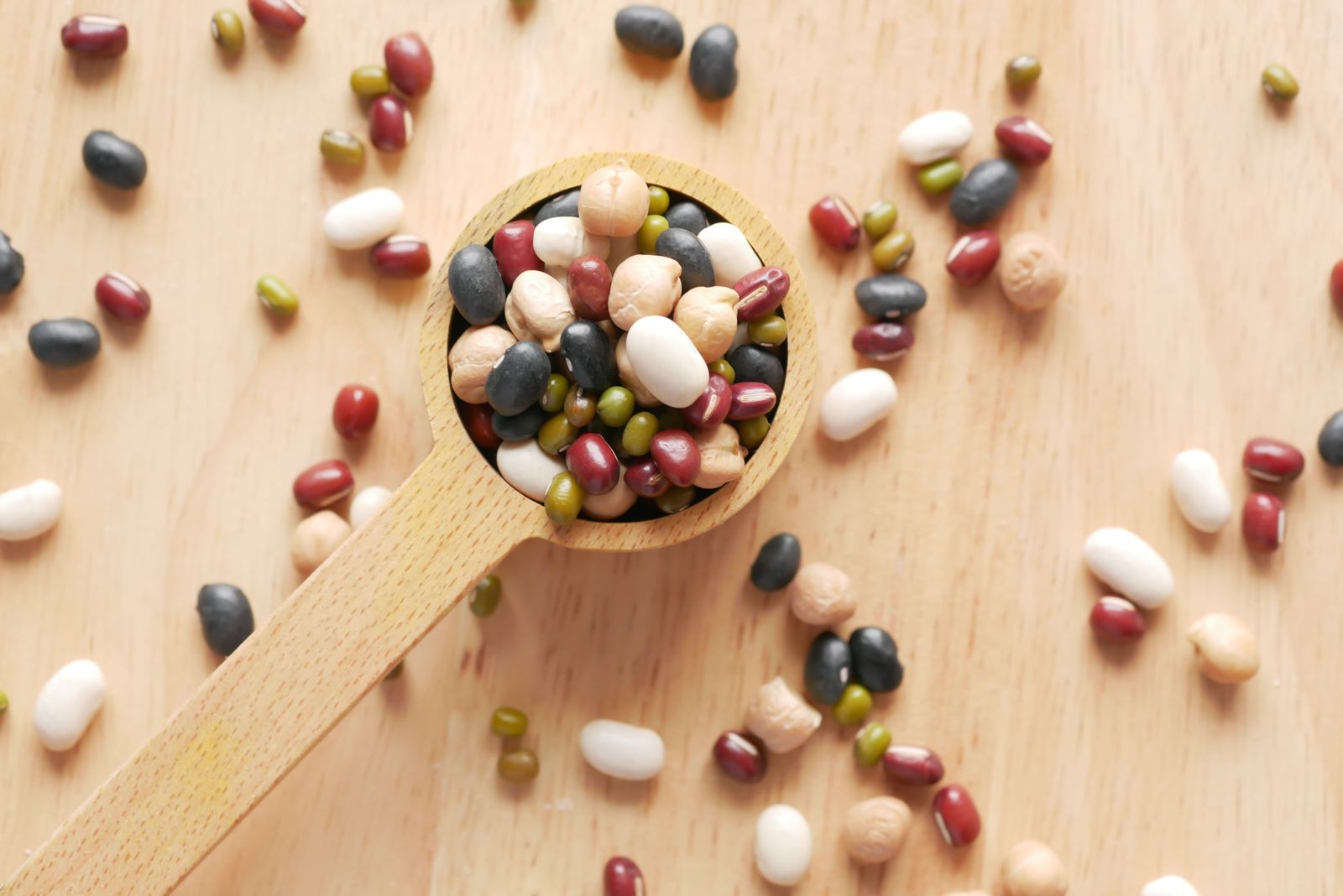
Plant proteins come with a bonus no meat can match: fiber. Soy foods are complete proteins, while beans and lentils pair naturally with grains across the day.
Tempeh (16g per 3 oz). Fermented soybeans pressed into a firm, nutty block. It holds together in stir-fries and sandwiches, and beats tofu on protein because it uses the whole bean.
Firm tofu (9g per 3 oz). The most flexible food on this list: it takes on any marinade and works scrambled, baked, grilled or blended. Firmer styles carry more protein per bite.
Seitan (21g per 3 oz). Made from wheat gluten, seitan is the meatiest plant protein here and the highest per serving. Not suitable if you avoid gluten.
Edamame (17g per cup). Young soybeans, sold shelled or in pods, fresh or frozen. A cup is a real protein serving, and the pods make a satisfying snack.
Lentils (18g per cup, cooked). The budget hero of this guide: no soaking, about 20 minutes to cook, and 18 grams of protein with plenty of fiber and iron.
Black beans (15g per cup, cooked). A staple for burritos, soups and salads. Canned beans are fine nutritionally; rinse them to remove some sodium.
Chickpeas (15g per cup, cooked). The bean behind hummus and falafel. Roasted with spices, chickpeas become a crunchy snack that keeps for days.
Kidney beans (16g per cup, cooked). Firm beans that hold their shape in chili and stews. Dried ones must be boiled properly, so canned are the easier default.
Green peas (9g per cup). Often overlooked, peas carry more protein than most vegetables. A cup stirred into pasta or soup adds about 9 grams.
Soy milk (8g per cup). Soy and pea milks are the only common plant milks with protein close to cow’s milk, at about 8 grams per cup. Almond and oat milks usually have 1 gram or less per cup.
Hummus (5g per 1/4 cup). A modest contribution, but useful, since it replaces lower-protein spreads. Pair it with eggs, cheese or beans to build the meal total up.
High-Protein Vegetables
Vegetables will never beat chicken or lentils for protein, and it is worth saying so plainly. But some give a useful boost, especially across a whole day of meals. These are the strongest, per cooked cup:
| Vegetable | Serving | Protein |
|---|---|---|
| Edamame, shelled | 1 cup | 17g |
| Green peas | 1 cup | About 9g |
| Spinach, cooked | 1 cup | About 5g |
| Brussels sprouts | 1 cup | About 4g |
| Broccoli | 1 cup | About 4g |
| Potato, baked | 1 medium | About 4g |
Think of vegetables as helpers, not anchors. Peas stirred into pasta, spinach folded into eggs, or a baked potato beside your main dish each quietly add a few grams, and they bring fiber and micronutrients that pure protein foods often lack.
Nuts, Seeds and Grains
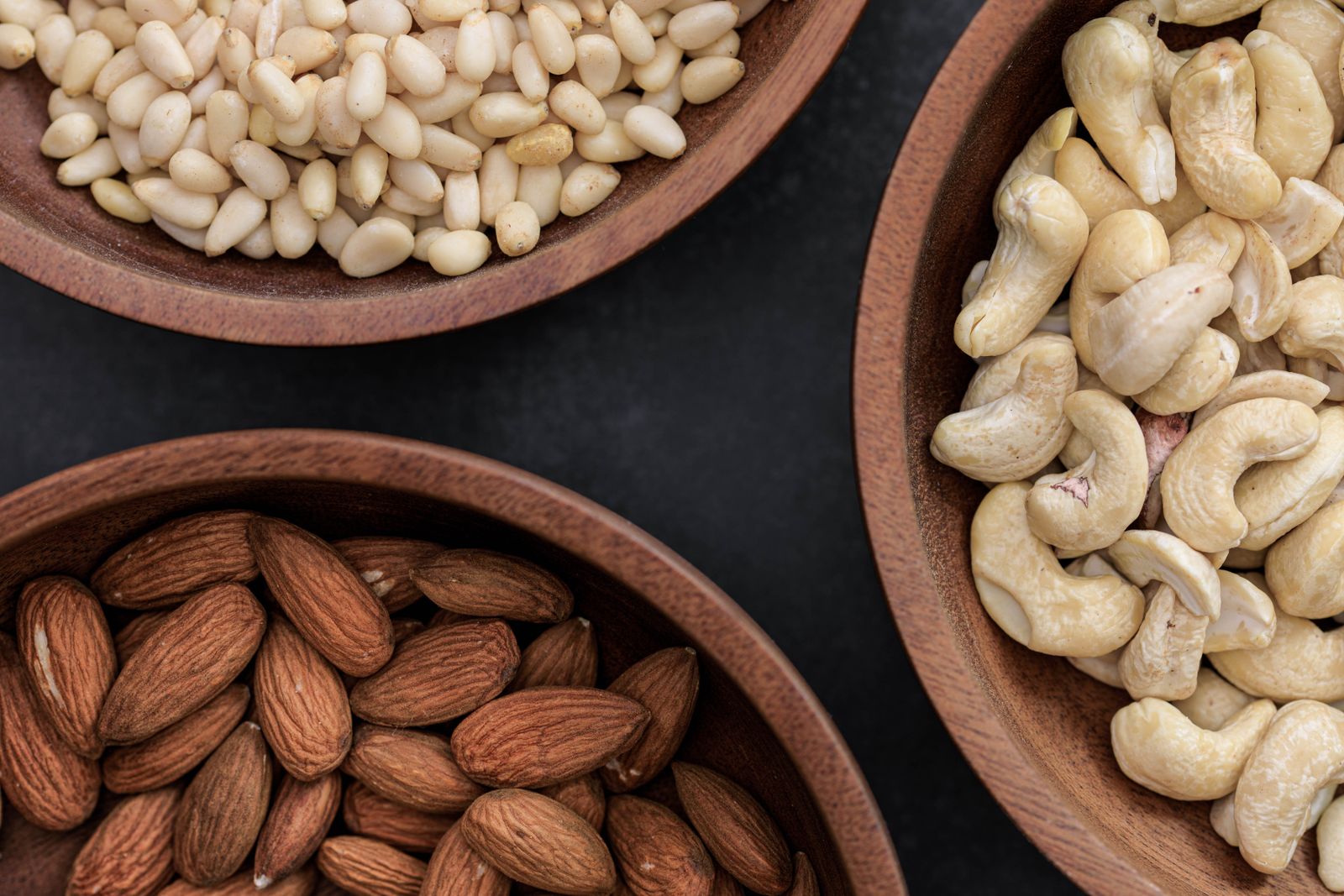
This group is protein support rather than the main event: protein per 100 grams looks impressive, yet calories are high, so servings are small.
Peanut butter (8g per 2 tbsp). The most affordable nut protein, and a staple in smoothies, oats and sandwiches. Choose versions with little added sugar.
Peanuts (7g per oz). Technically a legume, peanuts out-protein every true nut here and cost less. A small handful is a serving; a large bag is several.
Almonds (6g per oz). Portable, shelf-stable and filling. Almond butter spreads the same idea onto toast, at a higher price.
Walnuts (4g per oz). Lower in protein than most nuts here, but they bring plant omega-3 fats, so let other foods carry the protein load.
Pumpkin seeds (8g per oz). One of the strongest seeds for protein, and easy to scatter over salads, soups and yogurt.
Sunflower seeds (6g per oz). Cheap, mild and widely available. Shelled kernels are the practical choice for cooking and snacking.
Hemp seeds (10g per 3 tbsp). Soft, mild seeds that disappear into smoothies, oats and salads. A complete protein, which is rare among seeds.
Chia seeds (5g per oz). Famous for fiber and for thickening puddings and oats. The protein is a helpful extra rather than the main attraction.
Nutritional yeast (8g per 2 heaping tbsp). Flaky, cheesy-tasting yeast with the highest protein per 100 grams in this guide, often fortified with vitamin B12. Stir it into sauces, popcorn and scrambled tofu.
Oats (5g per 1/2 cup dry). A grain with respectable protein, and the base of countless breakfasts. Cooked in milk or mixed with Greek yogurt, the bowl’s total climbs quickly.
Quinoa (8g per cup, cooked). A complete protein among grains, which sets it apart from rice. Per cup it is modest, so treat it as a strong base that other foods build on.
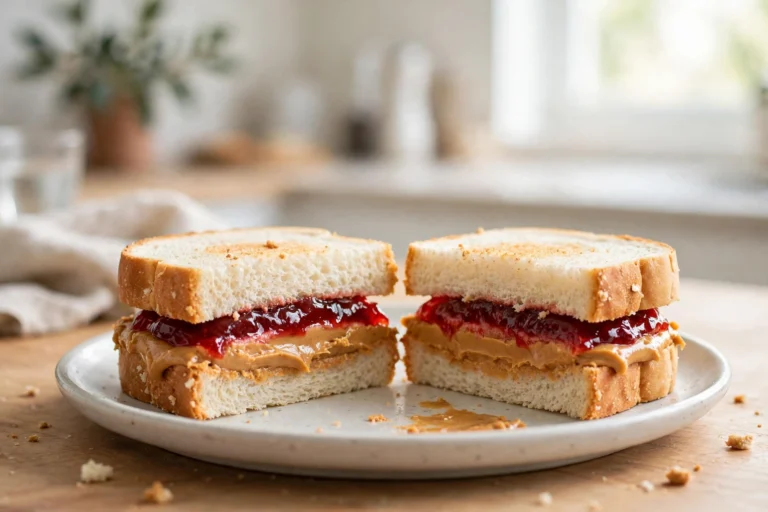
Whole wheat bread (8g per 2 slices). Rarely counted as a protein food, yet two slices give about 8 grams, which is why egg and peanut butter sandwiches add up fast.
Highest Protein Foods per 100 Grams
Per 100 grams is the fairest way to compare foods, because serving sizes can mislead. The leaders are nutritional yeast (about 50g), Parmesan (36g), beef jerky (33g), hemp seeds (32g), chicken breast (31g), turkey breast (30g), pumpkin seeds (30g) and ground turkey (27g).
This list mixes everyday heroes like chicken and turkey with foods eaten in small amounts, like Parmesan. Use it to judge how concentrated a food is, and the per-serving column to judge what it adds to your day.
Best Protein per Calorie
The per-calorie column answers a different question: if calories are your limit, which foods give the most protein for them? The leaders are shrimp (about 24g of protein per 100 calories), canned tuna (22g), egg whites (21g), turkey breast and tilapia (20g each), chicken breast (19g), cod and pork tenderloin (18g each), and Greek yogurt, skyr and seitan (17g each).
At the other end sit walnuts (2g), chia seeds and oats (about 3g), and peanut butter and almonds (4g). These are healthy foods, but energy-dense, so they are poor tools if your single goal is maximum protein in minimum calories. This ranking matters most in a calorie deficit, or when your appetite is small. Otherwise, the per-serving column is the more practical guide.
Best High-Protein Foods for Weight Loss
If you are eating in a calorie deficit, the per-calorie ranking above is your best friend. Foods like shrimp, egg whites, plain 0% Greek yogurt, chicken breast and white fish give you a lot of protein for very few calories, and protein-rich meals may help you feel full for longer between meals.
A practical pattern is to build each meal around one of those lean anchors, then add vegetables and a modest portion of whole grains. No single food burns fat or causes weight loss on its own. What matters is the overall pattern you can stick to, and protein simply makes that pattern easier to live with.
Best High-Protein Foods for Vegetarians
Vegetarians keep eggs and dairy, which makes hitting protein targets much easier. These are the strongest vegetarian picks from the master table, with the amounts that make them useful.
| Food | Serving | Protein |
|---|---|---|
| Skyr | 1 tub (170g) | 19g |
| Lentils, cooked | 1 cup | 18g |
| Greek yogurt, plain 0% | 1 tub (170g) | 17g |
| Edamame, shelled | 1 cup | 17g |
| Tempeh | 3 oz | 16g |
| Black beans, cooked | 1 cup | 15g |
| Eggs | 2 large | 13g |
| Cottage cheese, 2% | 1/2 cup | 12g |
| Parmesan | 1 oz | 10g |
A vegetarian day builds itself: Greek yogurt or eggs at breakfast, a lentil or bean dish at lunch, tempeh, tofu or eggs at dinner, with cheese, milk and nuts filling the gaps. Variety across the day covers the amino acids any single plant food is short on, so there is no need to combine specific foods at the same meal.
Best High-Protein Foods for Vegans
Without eggs or dairy, vegans lean on soy, seitan, beans, lentils and seeds. The good news is that the top of the plant list is genuinely strong.
| Food | Serving | Protein |
|---|---|---|
| Seitan | 3 oz | 21g |
| Lentils, cooked | 1 cup | 18g |
| Edamame, shelled | 1 cup | 17g |
| Tempeh | 3 oz | 16g |
| Kidney beans, cooked | 1 cup | 16g |
| Black beans, cooked | 1 cup | 15g |
| Hemp seeds | 3 tbsp | 10g |
| Firm tofu | 3 oz | 9g |
| Nutritional yeast | 2 heaping tbsp | 8g |
| Soy milk | 1 cup | 8g |
Three habits make vegan protein easy. Anchor each meal with one strong source, such as tempeh, seitan, tofu or a full cup of beans or lentils. Use the helpers: nutritional yeast on pasta, hemp seeds on salads, soy milk in oats and smoothies. And remember that grains and bread often add 10 to 15 grams across a day. Fortified nutritional yeast also helps with vitamin B12, which vegans otherwise need from fortified foods or a supplement.
Cheapest Protein: Budget Picks
Protein does not have to be expensive; the cheapest sources are mostly humble ones. The figures below use typical US supermarket prices at the time of writing and are approximate, since prices vary by store, region and week. The broad price levels are in line with the U.S. Bureau of Labor Statistics Average Price Data series, which tracks staple foods such as eggs, chicken, milk and peanut butter. Use them to compare foods, not as exact quotes.
| Food | Typical price | Approx. cost per 20g protein |
|---|---|---|
| Dried lentils | $1.20 per lb | About $0.20 |
| Dried black beans | $1.30 per lb | About $0.30 |
| Peanut butter | $2.50 per 16 oz jar | About $0.45 |
| Milk | $4.00 per gallon | About $0.60 |
| Eggs | $2.30 per dozen | About $0.60 |
| Canned tuna | $1.00 per can | About $0.70 |
| Chicken breast | $4.15 per lb | About $0.80 |
| Greek yogurt (large tub) | $4.00 per 32 oz | About $0.90 |
Dried lentils win by a wide margin, and need no soaking, so they are cheap in time too. Egg prices swing the most, so their rank moves month to month. Large tubs, store brands and frozen fish or edamame all narrow the gap further.
High-Protein Snacks and No-Cook Options
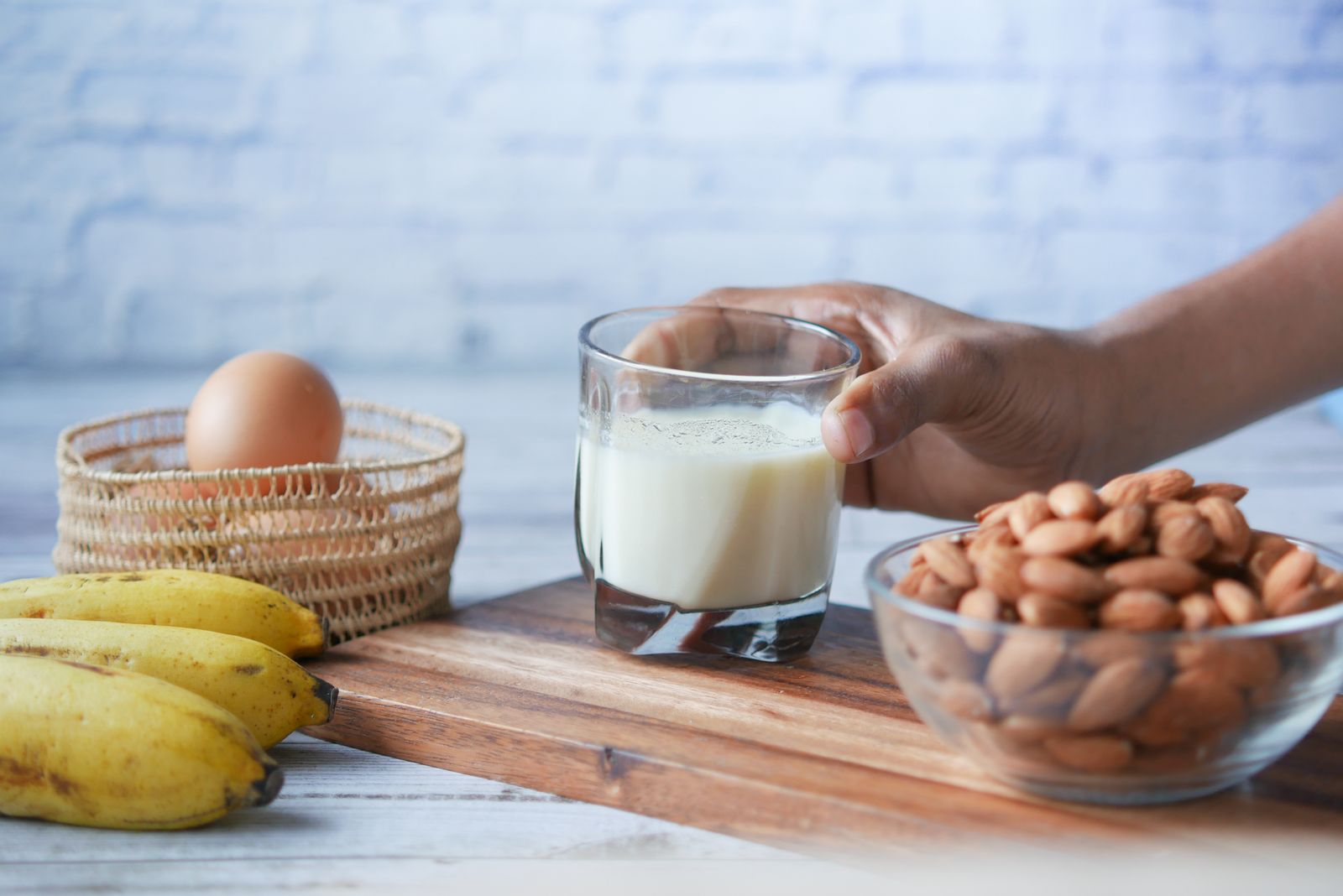
Snacks are where protein plans usually fall apart, because the easy options are mostly carbs. These ideas need no cooking.
Greek yogurt or skyr pot (17 to 19g). The easiest high-protein snack there is. Add berries or a spoon of honey if plain is too sharp.
Hard-boiled eggs (about 6g each). Cook a batch on Sunday and they wait in the fridge all week. Two eggs with a little salt make a real snack.
Cottage cheese cup (12g per 1/2 cup). Good with fruit, cucumber or crackers.
Canned tuna or sardines (23 to 28g). Straight onto crackers or toast. Flavored tuna pouches cost more but are truly grab-and-go.
Edamame (17g per cup). Microwave from frozen with a pinch of salt, as a snack or a side.
Roasted chickpeas (about 7g per 1/2 cup). Crunchy, portable and shelf-stable once cooked.
Peanuts or pumpkin seeds (7 to 8g per oz). Portable protein with staying power. Pre-portion them, because calories add up quickly straight from a big bag.
If breakfast is your weak spot, these same foods rotate into the morning easily, and our guide to high-protein breakfast ideas shows how to build full plates from them.
How to Build a 30g Protein Meal
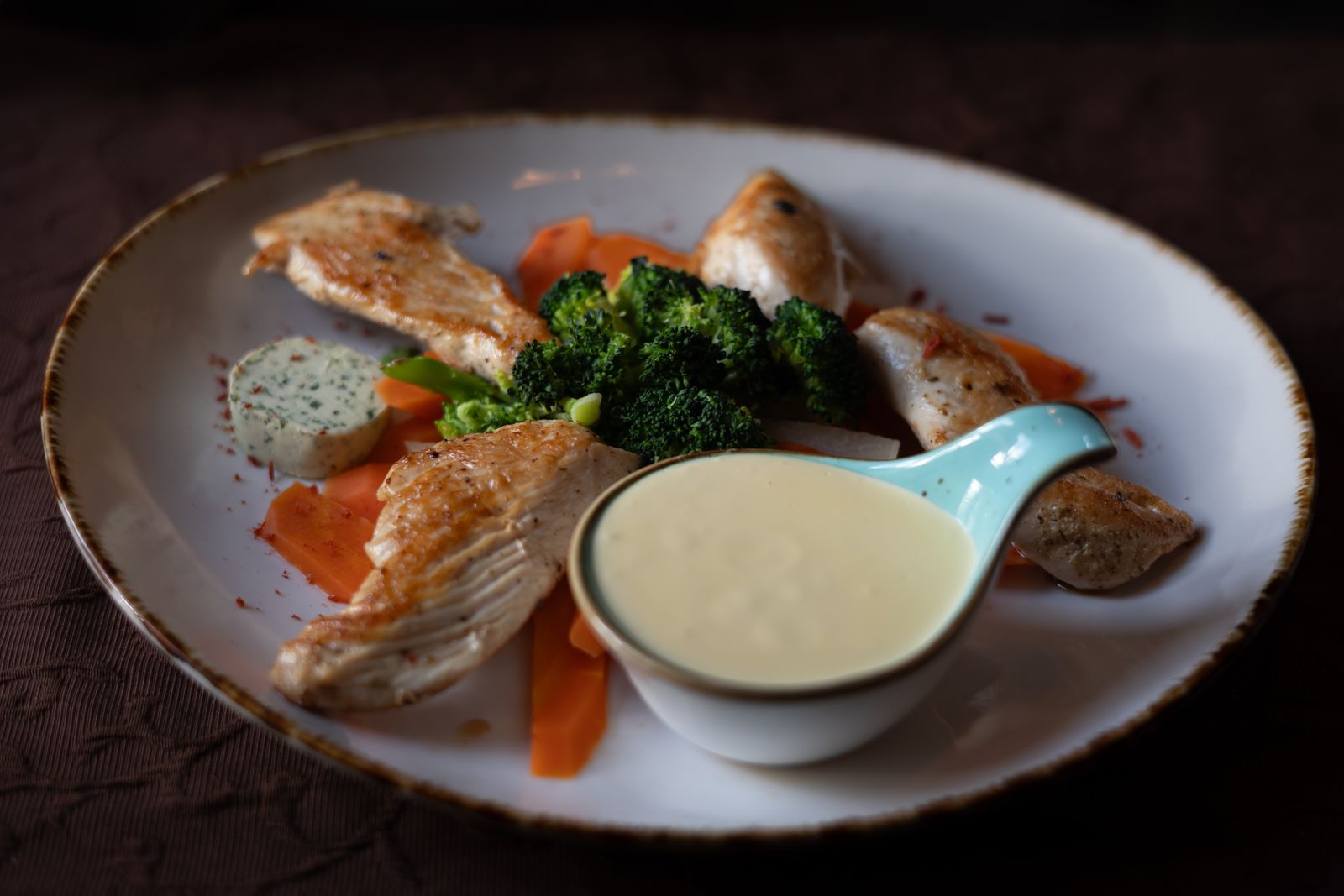
Thirty grams is a useful target for a main meal: big enough to matter, small enough to reach with normal food. Here are three plates with the math shown, using the same numbers as the master table.
Plate 1: Overnight oats breakfast jar (30g). Half a cup of dry oats (5g) stirred with a tub of Greek yogurt (17g) and 2 tablespoons of peanut butter (8g), plus berries. 5 + 17 + 8 = 30g, made the night before.
Plate 2: Tempeh, quinoa and peas lunch (33g). A 3 oz portion of tempeh (16g) with 1 cup of cooked quinoa (8g) and 1 cup of peas (9g) on the side. 16 + 8 + 9 = 33g, and it is fully plant-based.
Plate 3: Salmon and lentil dinner (34g). A 4 oz salmon fillet (25g) with half a cup of cooked lentils (9g) as a warm salad with herbs and lemon.
The pattern is simple: one anchor food with 15 grams or more, plus one or two helpers adding 5 to 10 grams each. It works in almost any cuisine: chicken with rice and peas, eggs with beans and toast, or tuna with bread and a yogurt-based dressing.
Spreading protein across the day is practical too: three moderate servings are easier to eat and enjoy than one enormous serving, and every meal stays satisfying.
How Much Protein Do You Need Each Day?
The official Recommended Dietary Allowance (RDA) for adults is 0.8 grams of protein per kilogram of body weight per day. That is a minimum set to prevent deficiency in mostly sedentary adults, not necessarily an optimum. Many researchers now suggest 1.2 to 1.6 grams per kilogram for active adults and people losing weight. For healthy older adults, expert groups commonly cite 1.0 to 1.2 grams per kilogram, because muscles respond less strongly to protein with age, and higher amounts during illness or recovery.
Here is what those ranges look like in real numbers:
| Body weight | RDA minimum (0.8 g/kg) | Common guidance range (1.2 to 1.6 g/kg) |
|---|---|---|
| 60 kg (132 lb) | 48g per day | 72 to 96g per day |
| 70 kg (154 lb) | 56g per day | 84 to 112g per day |
| 80 kg (176 lb) | 64g per day | 96 to 128g per day |
| 90 kg (198 lb) | 72g per day | 108 to 144g per day |
These targets are reachable with ordinary food. A 70 kg adult aiming for about 90 grams could eat the overnight oats jar at breakfast (30g), a chicken and quinoa lunch (about 35g), and a salmon and lentil dinner (34g), and land just over target.
One caution belongs here. People who have kidney disease are often advised to limit protein, and their target is a medical decision. If you have kidney disease, or any condition that affects your diet, talk to your doctor or dietitian before raising your intake. For healthy adults, the ranges above are generally considered safe. Treat these numbers as a starting point for a conversation, not a prescription.
Protein and Muscle: The Basics
If you train, two things matter most: your total protein across the day, and spreading it over your meals rather than saving it all for dinner. Complete proteins, meaning foods with all nine essential amino acids, include meat, fish, eggs, dairy and soy. Dairy, eggs, meat and soy are also rich in leucine, the amino acid that helps switch on muscle repair after training. Ordinary foods cover all of this comfortably, which is why this guide stays food-first.
Common Mistakes
Chasing protein and forgetting fiber. A day of chicken, cheese and shakes can hit 150 grams of protein with almost no fiber. Beans, lentils, vegetables and whole grains fix this.
Judging foods by the per 100 gram number alone. Parmesan and jerky look like champions per 100 grams, but nobody eats them in those portions. Always check the per-serving figure before ranking a food.
Letting nuts carry the plan. At 4 to 5 grams of protein per 100 calories, a nut-heavy day can double your calorie target before it meets your protein one. Use nuts as helpers.
Skipping protein at breakfast. Many people eat almost none until lunch, then try to catch up at dinner. A yogurt pot, two eggs or a protein-built bowl of oats balances the day far better.
Assuming plant milks match milk. Oat and almond milks often contain 1 gram of protein per cup or less. Choose soy or pea milk, or check the label.
Believing more is always better. Beyond your needs, extra protein is mostly extra calories. The goal is enough, spread across the day, from foods you enjoy.
Frequently Asked Questions
What food is highest in protein?
Per 100 grams, nutritional yeast tops this list at about 50 grams, followed by Parmesan at 36 grams, though both are eaten in small amounts. For full servings, chicken breast and turkey breast give the most: 34 to 37 grams per typical serving, with ground turkey close behind at about 30 grams.
How much protein do I need per day?
The RDA minimum is 0.8 grams per kilogram of body weight, which is 56 grams for a 70 kg (154 lb) adult. Many experts suggest 1.2 to 1.6 grams per kilogram for active people and anyone losing weight, which is 84 to 112 grams for the same adult.
How can I get 100 grams of protein a day from food?
Build each meal around one anchor food. The overnight oats jar at breakfast (30g), a chicken sandwich at lunch (about 35g), and salmon with lentils at dinner (34g) total about 99 grams. A yogurt snack or a glass of milk takes you comfortably past 100, with no powder needed.
Is too much protein bad for your kidneys?
For healthy adults, protein intakes in the commonly recommended ranges have not been shown to damage healthy kidneys. The situation differs if you already have kidney disease, because doctors often set a personal protein limit then. If you have kidney disease or concerns about your kidneys, speak to your doctor before increasing your intake.
Do I need protein powder, or is food enough?
For most people, food is enough. A scoop of powder gives 20 to 25 grams, but a can of tuna, a tub of skyr or a chicken portion gives as much or more, plus other nutrients. Powder is a convenience tool, not a requirement.
What high-protein snacks are not meat?
Greek yogurt or skyr (17 to 19g), hard-boiled eggs (about 6g each), cottage cheese (12g per half cup), edamame (17g per cup), roasted chickpeas (about 7g per half cup), peanuts or pumpkin seeds (7 to 8g per oz), and a glass of milk, kefir or soy milk (8 to 9g).
How much protein is in an egg, a chicken breast and Greek yogurt?
One large egg has about 6 to 7 grams, so two eggs give about 13 grams. One medium cooked chicken breast (about 120g) gives about 37 grams. A 170g tub of plain 0% Greek yogurt gives about 17 grams.
Do older adults need more protein?
Generally, yes. With age, muscles respond less strongly to protein, so many nutrition groups suggest 1.0 to 1.2 grams per kilogram per day for healthy older adults, and more during illness or recovery, unless a medical condition says otherwise.
Conclusion
The best high-protein foods are not exotic. Chicken, turkey, tuna, eggs, Greek yogurt, lentils, beans and tofu cover almost every budget, diet and cooking skill level. Use the master table three ways: per serving for daily planning, per 100 grams for fair comparisons, and per 100 calories when calories are tight. Anchor each meal with one strong source, add a helper or two, and your daily target mostly takes care of itself.
For more practical eating guides like this one, browse our nutrition and diet guides. Steady habits beat short bursts: a few protein-rich staples you enjoy, bought every week, do more than any single perfect meal.
Sources
- USDA FoodData Central, protein and calorie values for the foods listed: https://fdc.nal.usda.gov
- USDA MyPlate, protein foods group guidance: https://www.myplate.gov/eat-healthy/protein-foods
- National Academies, Dietary Reference Intakes for Energy, Carbohydrate, Fiber, Fat, Fatty Acids, Cholesterol, Protein, and Amino Acids (protein RDA 0.8 g/kg): https://nap.nationalacademies.org/catalog/10490/dietary-reference-intakes-for-energy-carbohydrate-fiber-fat-fatty-acids-cholesterol-protein-and-amino-acids
- U.S. Bureau of Labor Statistics, Average Price Data, via FRED: chicken breast series https://fred.stlouisfed.org/series/APU0000FF1101 and egg series https://fred.stlouisfed.org/series/APU0000708111
- FDA, Advice About Eating Fish (mercury guidance): https://www.fda.gov/food/consumers/advice-about-eating-fish
This article is for general information only and is not medical advice. Protein needs vary from person to person. If you have kidney disease or another medical condition, or you are planning a major change to your diet, please speak with a qualified health professional about your personal needs.