Jasmine Rice Explained: Benefits, Nutrition and How to Use It
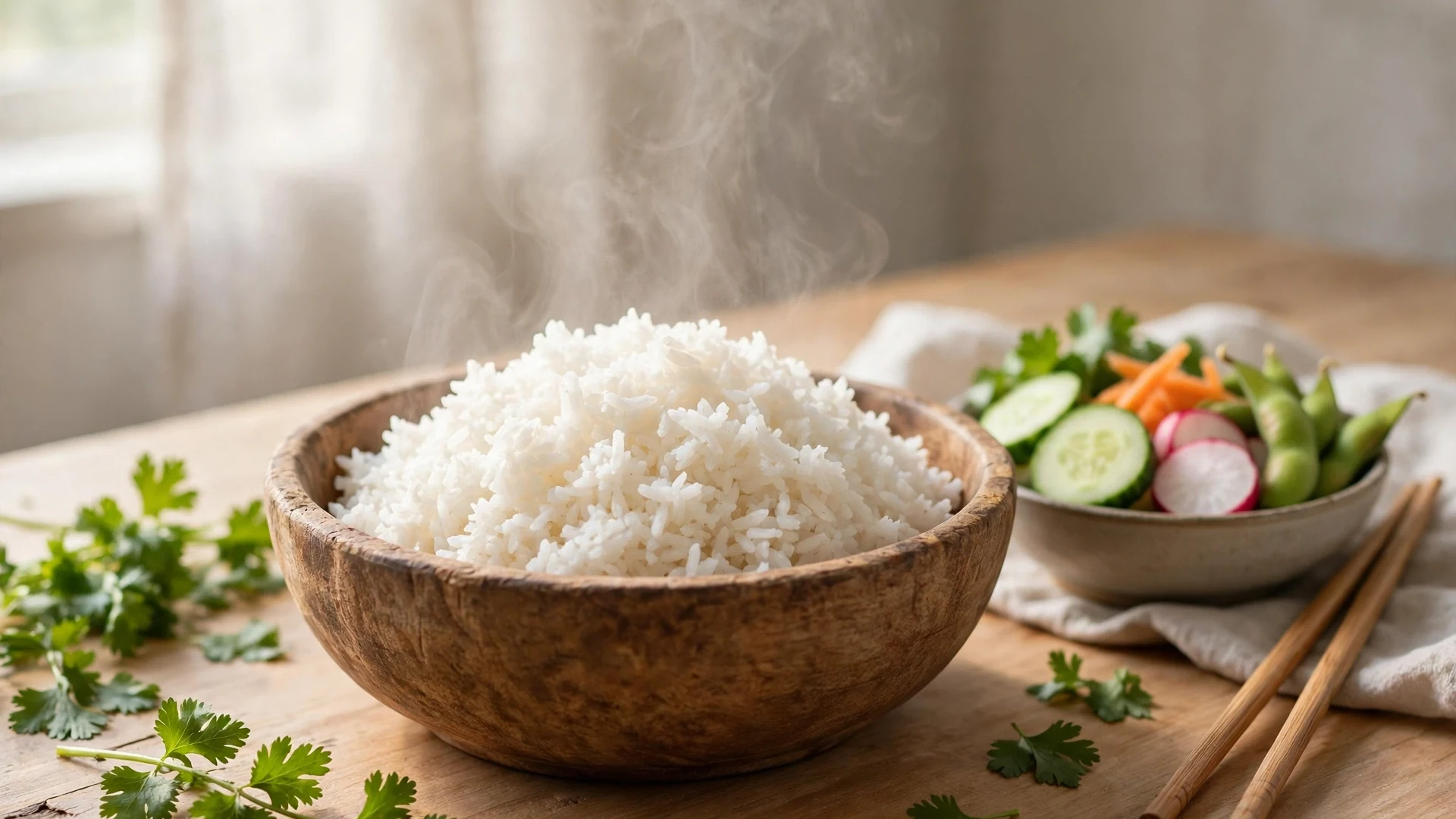
Jasmine rice is a fragrant long-grain rice from Thailand, known for its soft, slightly sticky texture and floral scent. One cup of cooked white jasmine rice gives about 205 calories, 45 grams of carbs, and 4 grams of protein.
Is it healthy? It can be part of a balanced diet, but the type matters a lot. In fact, the white type is a refined grain with a high glycemic index, so it raises blood sugar fast. The brown type keeps its bran and germ, so it offers more fiber and a gentler effect.
This guide covers nutrition, benefits, white vs brown types, blood sugar, arsenic risks, and cooking.
Contents
- What Is Jasmine Rice?
- Where Does Jasmine Rice Come From?
- What Nutrients Are in Jasmine Rice?
- What Are the Benefits of Jasmine Rice?
- White or Brown Jasmine Rice: Which Is Healthier?
- Does Jasmine Rice Raise Blood Sugar?
- Is Jasmine Rice Easy to Digest?
- What Are the Risks of Jasmine Rice?
- How to Cook Jasmine Rice Perfectly
- How Can You Make Jasmine Rice Healthier?
- How Do You Store Cooked Jasmine Rice Safely?
- How Does Jasmine Rice Compare With Other Rice?
- What Are Common Myths About Jasmine Rice?
- Frequently Asked Questions About Jasmine Rice
What Is Jasmine Rice?
This grain is a long-grain rice grown mainly in Thailand, Cambodia, Vietnam, and Laos. It is also called Thai fragrant rice, or Thai Hom Mali rice. In fact, the name comes from its scent, which many people compare to the jasmine flower.
Each grain is about four times as long as it is wide. When cooked, the rice turns soft, fluffy, and slightly sticky. As a result, it is easy to eat with chopsticks. For example, it works well under curries, stir-fries, and sauces.
The scent comes from a natural compound called 2-acetyl-1-pyrroline. The same compound gives basmati rice and fresh popcorn part of their aroma. Several colors are sold, but white is the most common.
Where Does Jasmine Rice Come From?
Jasmine rice comes from Thailand, where local people call it Thai Hom Mali rice. A farmer discovered a superior variety in 1945, and growers have developed it since then. The name comes from its scent, which many people compare to the jasmine flower. The grain is grown mainly in Thailand, Cambodia, Vietnam, and Laos. Thailand still grows the premium Hom Mali grade, which is the standard other fragrant rice is judged against.
What Nutrients Are in Jasmine Rice?
This grain is mostly carbohydrate, with small amounts of protein and almost no fat. A typical cup of cooked white jasmine rice (about 158 grams) contains the nutrients below, based on USDA FoodData Central data.
| Nutrient | Amount per 1 cup cooked |
|---|---|
| Calories | 205 kcal |
| Carbohydrate | 44.5 g |
| Protein | 4 g |
| Fat | 0.5 g |
| Fiber | 0.5 g |
| Manganese | 0.7 mg (37% daily value) |
| Folate | 91.6 mcg (23% daily value) |
| Selenium | 11.9 mcg (17% daily value) |
| Niacin | 2.3 mg (12% daily value) |
| Iron | 1.9 mg (11% daily value) |
| Vitamin B6 | 0.1 mg (7% daily value) |
| Phosphorus | 68 mg (7% daily value) |
| Magnesium | 19 mg (5% daily value) |
| Zinc | 0.8 mg (5% daily value) |
In short, the rice gives quick energy and a few useful minerals, but it is low in fiber. The brown type keeps the bran and germ, so it has more fiber and iron.
What Are the Benefits of Jasmine Rice?
This grain offers several benefits when it fits into a balanced diet. However, most of them depend on the type you choose and the foods you serve with it.
1. Quick Energy
Carbohydrates are the body’s main fuel, and this grain is rich in them. A cup of the cooked rice gives about 45 grams of carbs for energy. For most people, though, the key is portion size, so pair a modest serving with protein and vegetables.
2. Easy to Digest
The white type is low in fiber and fat, so it digests easily. That makes it a gentle choice for a sensitive stomach. In addition, it is a common pick during recovery from a stomach upset. The brown type has more fiber, so it digests more slowly.
3. Iron and Folate
One cup of the cooked white grain gives about 11% of the daily value for iron and 23% for folate. Iron helps carry oxygen in the blood, while folate supports cell growth and matters in pregnancy. Many brands also enrich the white grain with B vitamins and iron, but enrichment does not replace lost fiber. For more on foods rich in these nutrients, see our guide to Greek yogurt.
4. Naturally Gluten-Free
This grain contains no gluten in its natural form, so it is a safe base for people with celiac disease or gluten sensitivity, as long as the product is certified gluten-free. In addition, the rice is free from common allergens such as soy, dairy, and nuts.
5. Whole Grain Heart Support
The brown type is a whole grain, so it keeps the bran, germ, and endosperm. Whole grains supply fiber, which helps manage cholesterol and blood pressure. A 2016 meta-analysis of 45 studies found that eating 90 grams of whole grains a day, about three servings, was linked to a 19% lower risk of coronary heart disease and a 12% lower risk of stroke. The Mayo Clinic notes that at least half of the grains we eat should be whole grains. For the study itself, see the 2016 BMJ meta-analysis.
6. Antioxidants in Colored Types
For instance, red, purple, and black types contain plant compounds called phytonutrients, including anthocyanins. These compounds give the grains their color and act as antioxidants in the body. As a result, colored types may offer more antioxidant value than the plain white grain. The evidence here is still early.
7. Versatile in the Kitchen
This grain works in many dishes, from Thai curries and stir-fries to rice bowls and soups. Its soft texture soaks up sauces well, and its scent adds flavor without extra salt or fat. For example, it makes a simple base for grilled chicken, fish, tofu, or roasted vegetables. In addition, it cooks in about 15 minutes.
White or Brown Jasmine Rice: Which Is Healthier?
The main difference is processing. The white grain has the bran and germ polished away. The brown grain keeps all three parts, so it counts as a whole grain.
| Feature | White Type | Brown Type |
|---|---|---|
| Fiber per cooked cup | About 0.5 g | About 2 to 3 g |
| Calories per cooked cup | About 180 to 205 kcal | About 160 to 180 kcal |
| Protein per cooked cup | About 4 g | About 5 g |
| Glycemic index | High, around 68 to 89 | Lower, around 50 to 68 |
| Texture | Soft, fluffy, slightly sticky | Chewier, firmer bite |
| Cook time | About 15 minutes | About 40 to 45 minutes |
| Whole grain | No | Yes |
The brown type wins on fiber, minerals, and blood sugar impact, while the white type wins on speed and softness.
Does Jasmine Rice Raise Blood Sugar?
The white grain has a high glycemic index. The 2021 international glycemic index tables, based on the University of Sydney glycemic index database, give white jasmine rice a mean glycemic index of 89 from 18 studies, with tested values ranging from 68 to 116 depending on brand and cooking method. A score of 70 or more counts as high. That means it digests fast and can raise blood sugar quickly. The reason is its starch: jasmine rice is high in amylopectin, which the body breaks down fast.
The brown type has a lower glycemic index, around 50 to 68, because its fiber slows digestion. However, portion size matters as much as type.
People with type 2 diabetes or blood sugar concerns should talk to a doctor or dietitian about portions. Serve a smaller scoop, fill half the plate with vegetables, and add protein such as chicken, fish, tofu, or beans. As a result, the meal digests more slowly. Cooling cooked rice and reheating it later may also help a little. The effect is modest, and the evidence is limited.
Is Jasmine Rice Easy to Digest?
The white grain is gentle on digestion because it is low in fiber and fat. That is why many people reach for it when their stomach feels unsettled.
The brown type supports digestion in a different way. Its fiber adds bulk, helps food move through the gut, and feeds gut bacteria. However, a sudden jump in fiber can cause bloating, so mix half white and half brown jasmine rice at first.
Fiber also helps with fullness, so the brown type can help you feel satisfied on a smaller serving. For another fiber source, see our guide to psyllium husk.
What Are the Risks of Jasmine Rice?
This grain is safe for most people. However, a few risks deserve honest attention.
Blood sugar spikes. The white type has a high glycemic index, so large portions can spike blood sugar. However, smaller portions and protein-rich pairings help a lot.
Arsenic. Rice plants absorb more arsenic from soil and water than most other grains. Arsenic is a toxic element, and high intake over time has links with health risks. The US Food and Drug Administration assessed the risk in 2016 and estimated that exposure to inorganic arsenic in rice and rice products causes about four extra cases of lung and bladder cancer over a lifetime for every 100,000 people.
The same assessment found that removing rice and rice products from the diets of infants and children up to 6 years old could cut that lifetime risk by 6% for infants and 23% for young children. In April 2016 the FDA proposed a limit of 100 parts per billion of inorganic arsenic in infant rice cereal. Aromatic types such as jasmine and basmati tend to contain lower arsenic, but the level still varies by region and brand. Rinsing the rice before cooking may reduce some arsenic, though the effect varies. The simplest step is variety: rotate this grain with quinoa, oats, barley, and millet. Read the FDA announcement.
Low fiber in the white type. The white grain gives almost no fiber. For example, pair it with vegetables, beans, or lentils to fill that gap.
Allergy. Rice allergy is rare. However, some people react with rashes, nausea, or hives. If you notice such signs, stop eating it and talk to a doctor.
How to Cook Jasmine Rice Perfectly
Good jasmine rice needs only rice, water, and a little patience.
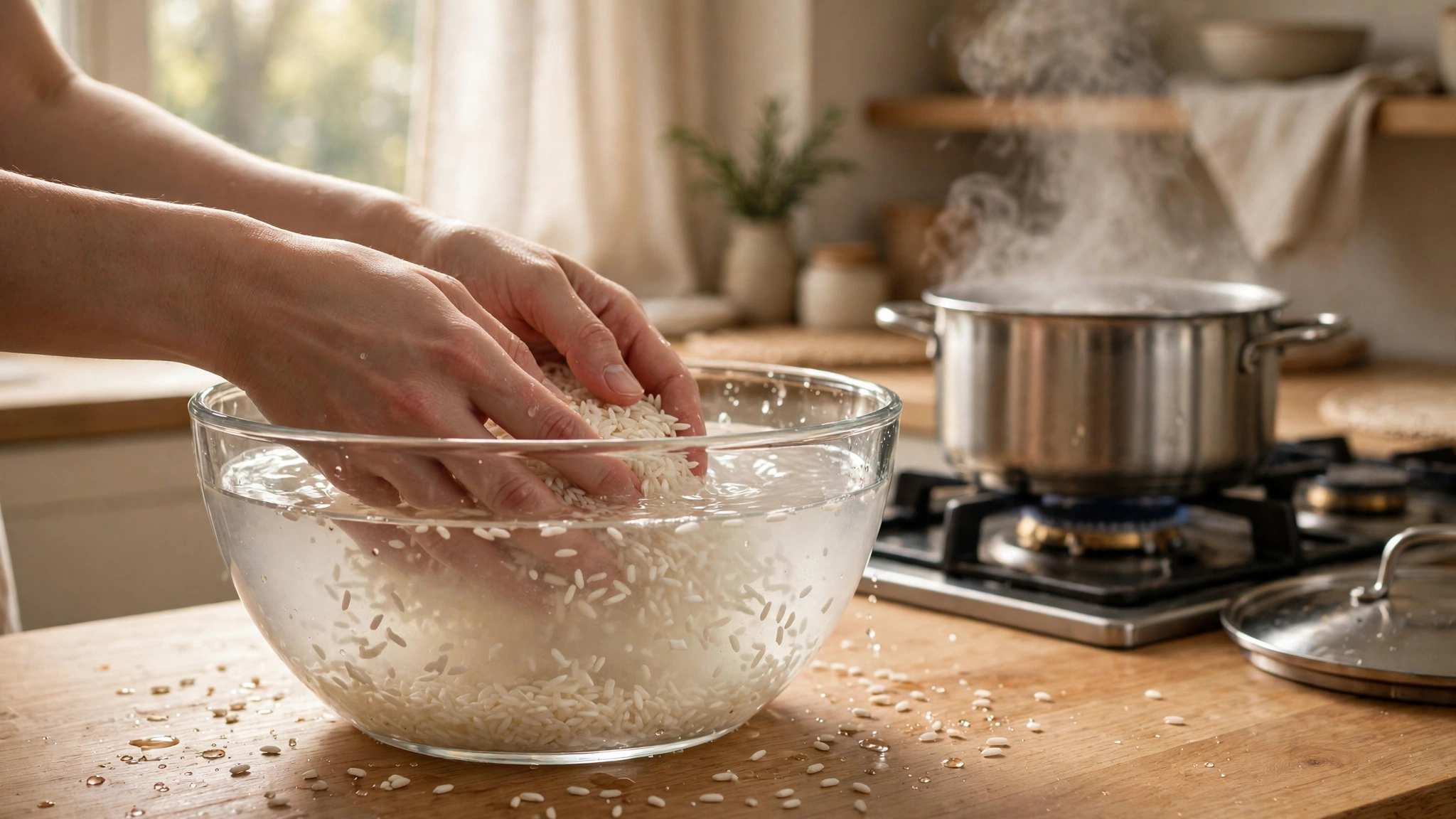
1. Rinse the rice. First, place one cup of the grain in a bowl, cover it with cold water, swirl, and drain. Then repeat two or three times until the water runs mostly clear.
2. Measure the water. Use about 1.5 cups of water for each cup of rice.
3. Bring it to a boil. Put the rice and water in a pot with a tight lid. Next, bring it to a boil.
4. Simmer low and covered. Turn the heat to low, cover the pot, and simmer for about 15 minutes. Do not lift the lid.
5. Rest, then fluff. Take the pot off the heat and let it rest for 10 minutes with the lid on. Then fluff the rice gently with a fork and serve.
The brown type needs more water and about 40 to 45 minutes.
How Can You Make Jasmine Rice Healthier?
Small changes can make this grain much healthier.
- Choose the brown type most days. First, you get more fiber and minerals for a small change in taste.
- Watch the portion. A cooked cup is a good guide.
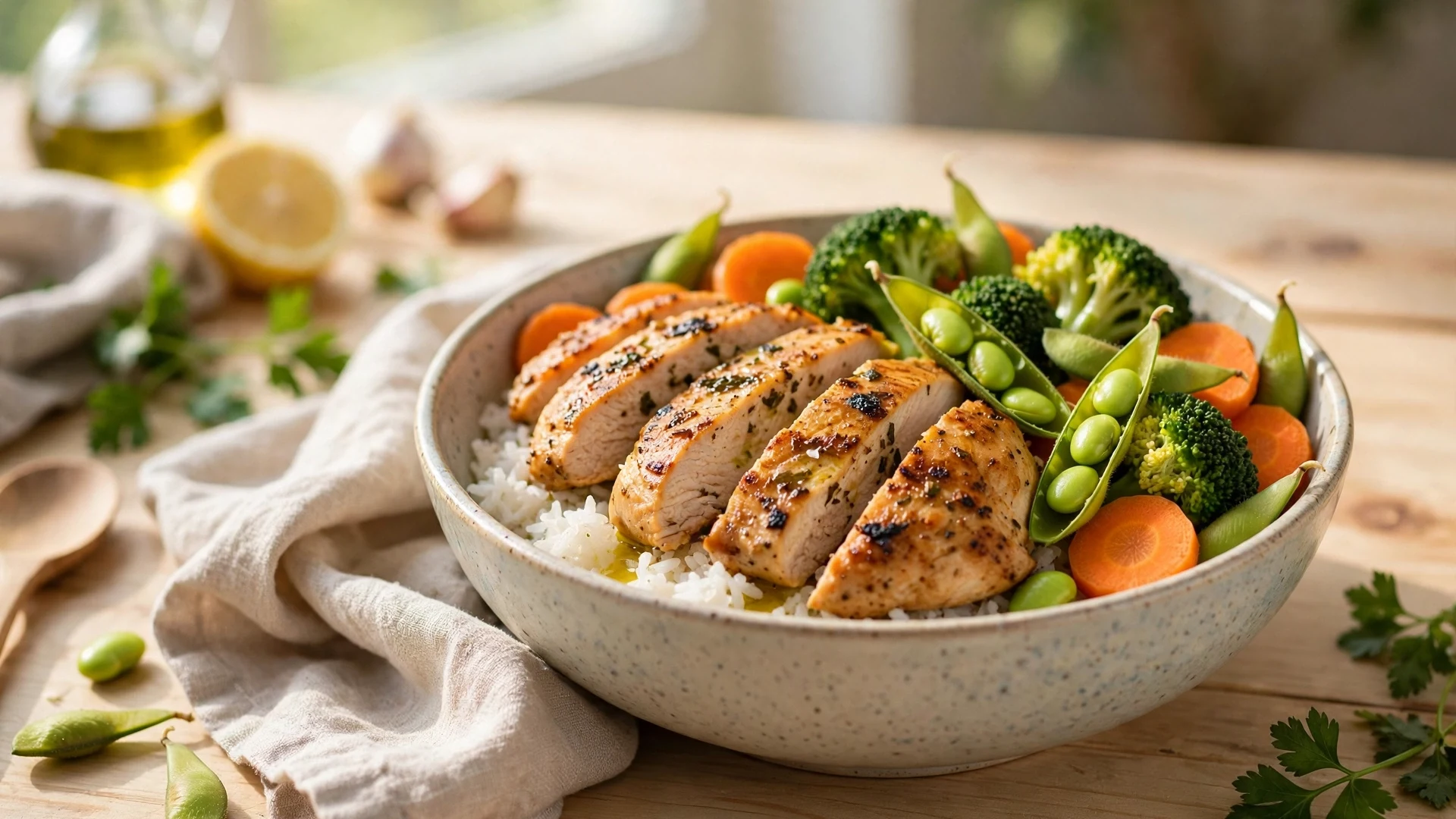
- Pair it with protein and fiber. For example, chicken, fish, tofu, beans, and lentils slow digestion and keep you full longer.
- Add vegetables. Also, stir-fried greens, carrots, peppers, and broccoli add fiber and nutrients.
- Cool and reheat leftovers. Cooling cooked rice creates some resistant starch.
- Mix grains. Try half jasmine and half brown rice or quinoa.
Most people eat far fewer whole grains than they should. The Dietary Guidelines for Americans 2020-2025 report that 98% of Americans fall below the recommended whole grain intake, while 74% eat more refined grains than the limit. Swapping white jasmine rice for the brown type on most days is one of the simplest ways to close that gap.
For more whole grain ideas, browse our more nutrition guides in the Health section.
How Do You Store Cooked Jasmine Rice Safely?
Cooked rice needs care after cooking. Rice can carry spores of a bacterium called Bacillus cereus, which survive cooking. If cooked rice sits at room temperature, the spores can grow and make a toxin that reheating does not destroy. The Centers for Disease Control and Prevention (CDC) estimates about 63,400 cases of Bacillus cereus food poisoning each year in the United States.
Follow this checklist every time you keep leftover rice: Cool it fast. Spread the rice in a thin layer or divide it into shallow containers so it cools quickly. Refrigerate within 2 hours of cooking, or within 1 hour on a hot day above 90F. Eat refrigerated rice within 3 to 4 days. Freeze it if you will not eat it in that time. Reheat it to 165F, checked with a food thermometer, and reheat only the portion you plan to eat.
Throw it out if it sat at room temperature for more than 2 hours. Reheating cannot make it safe again. These rules come from CDC and USDA food safety guidance, summarised by the University of Florida extension service.
How Does Jasmine Rice Compare With Other Rice?
The table below shows how this grain compares with common choices.
| Rice type | Glycemic index | Fiber per cooked cup | Best for |
|---|---|---|---|
| White jasmine | High, around 89 | About 0.5 g | Thai dishes, curries, quick meals |
| Brown jasmine | Around 50 to 68 | About 2 to 3 g | Everyday meals, more fiber |
| Basmati | Around 58 | About 0.7 g | Indian dishes, pilafs, lighter meals |
| Long-grain white | Around 73 | About 0.6 g | General cooking, fried rice |
| Brown rice | Around 68 | About 3.5 g | Whole grain meals, steady energy |
| Wild rice | Around 45 | About 3 g | Salads, soups, nutty flavor |
Basmati is a good swap when you want a lower glycemic index but still prefer a white rice. For another everyday grain, read our guide to grits.
What Are Common Myths About Jasmine Rice?
Myth 1: It is the same as white rice. They are close. However, they are not identical. This grain is a specific fragrant variety with a softer, stickier texture.
Myth 2: It has a low glycemic index. In fact, the white type has a high glycemic index, often listed around 89. The brown type is lower, but it is still a medium glycemic food.
Myth 3: The brown type has no downsides. The brown grain has more fiber and nutrients, but it takes longer to cook and can feel heavy for sensitive stomachs.
Myth 4: Rinsing removes all the arsenic. Rinsing helps a little, but the effect varies. In addition, rotation with other grains is a more reliable way to lower exposure.
Frequently Asked Questions About Jasmine Rice
Is jasmine rice healthy?
It can be part of a healthy diet, especially the brown type. The white grain gives quick energy and useful minerals, but it is low in fiber and has a high glycemic index.
What is the glycemic index of jasmine rice?
The white type has a high glycemic index, often listed around 89. However, the brown type is lower, around 50 to 68, because its fiber slows digestion.
Is jasmine rice better than white rice?
This grain is a type of white rice when it is polished, so the two are similar in nutrition. For example, it has a softer texture and a floral scent, which many people prefer. For more fiber, the brown type or basmati is a better pick.
Is jasmine gluten-free?
Yes, this grain is naturally gluten-free. It contains no wheat, barley, or rye. However, flavored mixes may contain gluten, so check the label.
How many calories are in jasmine rice?
One cup of the cooked white grain has about 205 calories. In addition, the same amount of the brown type has about 160 to 180 calories.
How do you cook jasmine rice?
Rinse one cup of the grain, add about 1.5 cups of water, and bring it to a boil. Then simmer on low for about 15 minutes.
Does jasmine rice have arsenic?
Yes, like all rice, this grain can contain arsenic, because rice plants absorb it from soil and water. Aromatic types tend to have lower levels. Rinse it well and rotate it with other grains.
Is jasmine rice good for weight loss?
It can fit a weight loss plan if portions stay modest. A cooked cup with vegetables and lean protein is filling without too many calories. In addition, the brown type works better, because its fiber keeps you full longer.
Conclusion
Jasmine rice is a versatile grain that can fit a balanced diet when you choose the right type and watch the portion. The brown type is the stronger everyday pick, with more fiber and a gentler effect on blood sugar. The white type still has a place for quick meals. Finally, try the brown type in your next rice bowl.
Disclaimer: This article gives general health information only. If you have ongoing problems, talk to a healthcare professional.