
Nausea Explained: Why You Feel Sick and What Helps
Nausea is the uneasy, queasy feeling that you may vomit. In fact, it can come on fast, or it can build slowly over hours. In addition, it can last a few minutes, a few hours, or several days.
Nausea is a symptom, not a disease on its own. Also, it can follow a stomach bug, motion, migraine, pregnancy, stress, or a medicine. Most cases pass with rest and fluids. MedlinePlus explains that nausea and vomiting have many causes, and most of them are short term.
This guide explains the common causes, the symptoms that often appear with it, and seven simple steps that may help. It also covers pregnancy, motion sickness, migraine, stomach bugs, and the warning signs that need urgent care. For more health guides, browse our Health section.
Contents
- What It Is
- Common Causes
- Symptoms That Appear Together
- What Helps Right Now: 7 Simple Steps
- Pregnancy
- Motion Sickness
- Migraine
- Stomach Bugs
- Medicines
- Foods and Drinks That Help
- Foods and Drinks to Avoid
- Dehydration
- When to Seek Urgent Care
- Common Myths
- Frequently Asked Questions
What Is Nausea?
Nausea is the feeling of sickness in the stomach that often comes before vomiting. However, many people feel sick without ever vomiting. It can range from mild unease to a strong urge to be sick.
The stomach often feels unsettled, and appetite drops. In addition, some people notice extra saliva, sweating, or a pale face. Others feel dizzy or tired.
Think of it as a warning signal from the body. For example, it can follow food that disagrees with you, a car ride, or a new medicine. As a result, notice what came before the feeling. That clue often points to the cause.
Common Causes of Nausea
Many things can upset the stomach. The table below lists the most common causes and why each one can lead to nausea.
| Cause | Why it can lead to a sick feeling |
|---|---|
| Stomach bug | A virus irritates the stomach and gut |
| Food poisoning | Germs or toxins in food upset the stomach |
| Motion sickness | Mixed signals from the eyes and inner ear confuse the brain |
| Migraine | Brain and nerve changes during an attack affect the stomach |
| Pregnancy | Hormone changes in early pregnancy affect the stomach |
| Medicines | Some drugs irritate the stomach lining |
| Acid reflux | Stomach acid flows back and irritates the food pipe |
| Stress and worry | Stress can speed up or slow down digestion |
| Alcohol | Alcohol irritates the stomach lining |
Nausea often has a simple cause, such as a bug or a long car ride. It can also link to acid reflux or GERD, which irritate the food pipe. Next, look at the timing: sickness after a meal points to food, while sickness on a boat points to motion.
If the cause is less clear, keep a short note of when it starts, what you ate, and what you were doing. Then share it with a doctor if the problem keeps coming back.
Symptoms That Often Appear Together
Nausea rarely appears alone. In addition, it often brings other signs, and those signs can help you work out what is going on.
- A queasy or churning stomach
- Loss of appetite
- Extra saliva in the mouth
- Sweating or feeling clammy
- Dizziness or lightheadedness
- Stomach cramps or bloating
- A strong urge to vomit
Watch for new or severe signs, such as belly pain that grows worse, a high fever, or vomit that looks like blood.
What Helps Right Now: 7 Simple Steps
When nausea hits, small steps often help more than big ones. Try them one at a time, and rest between steps.
- Sit still and rest. Lie down or sit still. Avoid sudden moves, as they can make it worse. In addition, fresh air from an open window may help.
- Take small sips of fluid. Sip cool water often. Clear broth or a rehydration drink can also help. Avoid gulping, because large drinks can upset the stomach further.
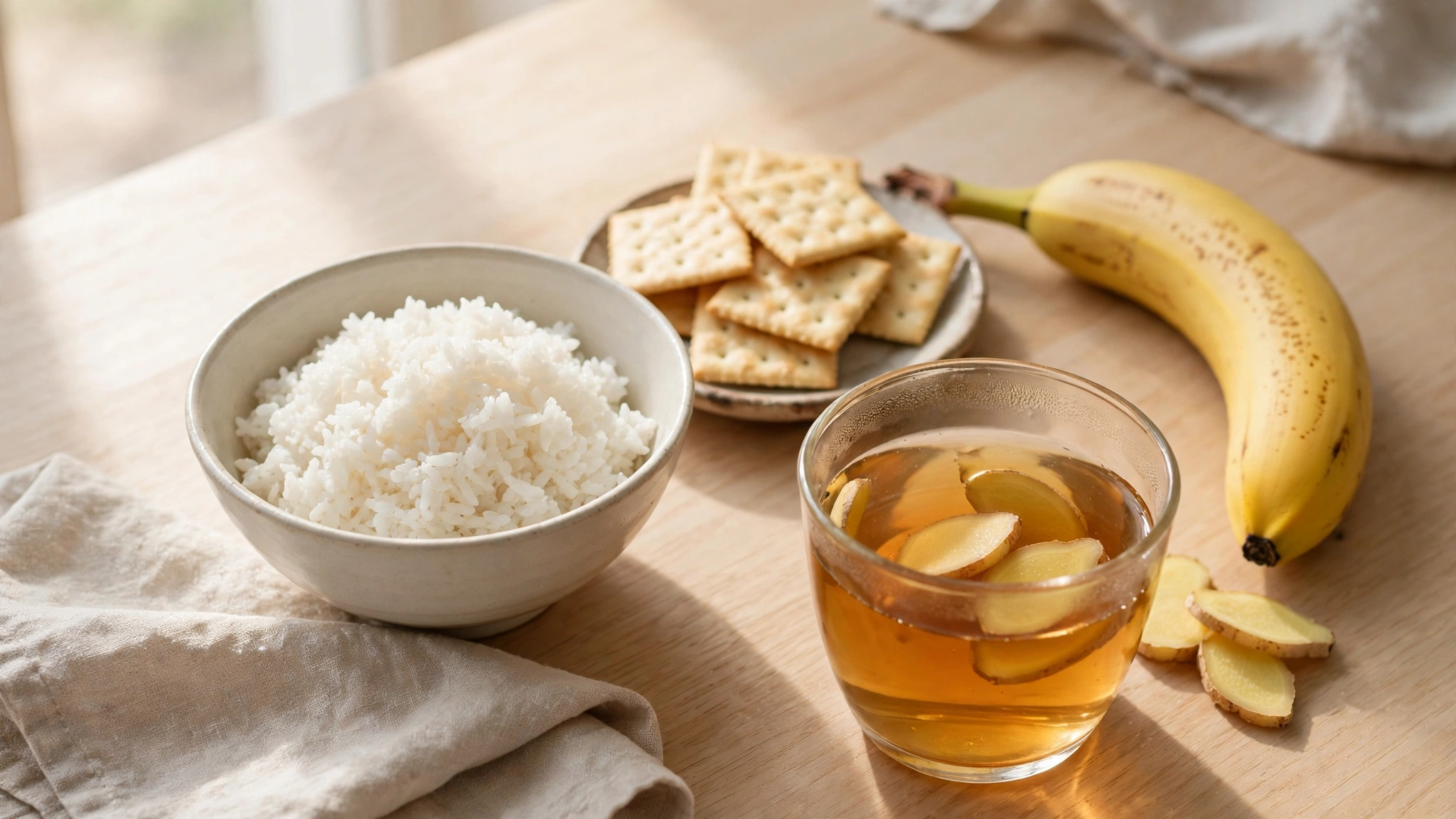
- Eat a small bland snack. Try plain crackers, dry toast, or plain rice. Eat slowly, and stop if the feeling grows. Next, wait a short while before you eat more.
- Try ginger. Ginger tea or ginger biscuits may ease the feeling for some people. However, the evidence is limited, so treat it as a gentle option, not a cure.
- Avoid strong smells. Stay away from cooking smells, smoke, and strong perfume. In addition, keep the room cool and well aired.
- Focus on slow breathing. Breathe in slowly through your nose and out through your mouth. This simple step can calm the body. For example, try five slow breaths, then rest.
- Distract your mind. Listen to soft music or a calm podcast. A short walk in fresh air may also help once the worst has passed.
If vomiting starts, rest and sip fluids little and often, then eat bland food only when you feel ready.
Nausea in Pregnancy
Nausea is common in early pregnancy, and many people know it as morning sickness. However, it can strike at any time of day, not just in the morning. For most people, it eases as pregnancy moves on.
Small, frequent meals often help. For example, eat a plain cracker before you get out of bed. Then eat little and often, rather than three large meals. In addition, keep snacks by your bed for the night.
Also, drink water through the day in small sips. Ginger tea or ginger biscuits may help some people, but the evidence is limited. Avoid foods and smells that trigger the feeling.
Severe vomiting in pregnancy needs medical care. For instance, if you cannot keep fluids down, feel very dizzy, or pass very little urine, contact a doctor promptly. Those signs may point to dehydration.
Motion Sickness
Motion sickness strikes when the eyes and the inner ear send mixed signals to the brain. For example, it is common in cars, boats, and planes. Children often feel it more than adults.
Sit where motion feels least, such as the front seat of a car or the middle of a boat. Look ahead at a fixed point, such as the horizon. In addition, avoid reading or looking at a phone while you travel.
Fresh air helps many people, so open a window or step onto the deck when it is safe. Eat a light snack before you travel. In addition, avoid heavy, greasy meals. Then rest your eyes if the feeling grows.
If travel often makes you sick, talk to a doctor or pharmacist before your next trip. They can explain the options that suit you.
Migraine and the Sick Feeling
Migraine often brings more than head pain. Many people feel sick during an attack, and some vomit. Light and noise can make both the pain and the nausea worse.
Rest in a dark, quiet room when an attack starts. Also, place a cool cloth on your forehead if that feels good. In addition, sip water slowly, and avoid strong smells such as perfume or cooking fumes.
Eat only when you feel ready, and try a small bland snack once the worst has passed. However, skip heavy meals during an attack, as they can add to the sick feeling.
Stomach Bugs and Food Poisoning
A stomach bug is one of the most common causes of nausea. It often brings vomiting, loose stools, and cramps. Food poisoning can cause the same signs within hours of a bad meal.
Rest is the best first step. Stay at home, and avoid spreading germs to others.
Sip fluids little and often. For example, water, clear broth, and oral rehydration drinks help replace lost fluid. Also, avoid fizzy drinks and fruit juice at first, as they can upset the stomach. Then try bland foods, such as toast, rice, or bananas, once you feel ready.
Most bugs settle in a day or two. However, seek care if vomiting lasts more than a day, if you see blood, or if you show signs of dehydration. Young children and older adults need care sooner.
Medicines That Can Upset Your Stomach
Some medicines list a sick stomach as a side effect. Pain relievers, some antibiotics, and some weight loss drugs can all upset the stomach. For example, some medicines that list nausea as a side effect are covered in our Zepbound side effects guide.
Take medicines as the label or your doctor directs. For example, some work best with food, while others work best on an empty stomach.
Never stop a prescribed medicine on your own because it makes you feel sick. Instead, talk to the doctor or pharmacist who gave it to you. They may change the timing, the dose, or the drug itself.
Foods and Drinks That Help
Bland, plain foods are often the easiest to manage when your stomach feels unsettled. They are gentle, and they give the body some energy.
- Plain crackers or dry toast
- Plain rice or plain pasta
- Bananas
- Clear broth or light soup
- Boiled potatoes
- Ginger tea or ginger biscuits
- Cool water, sipped slowly
First, eat small amounts, and eat slowly. For example, start with a few crackers, then wait to see how you feel. In addition, keep meals light for a day after the worst has passed.
Foods and Drinks to Avoid When You Feel Nauseated
Some foods and drinks can make nausea worse. It helps to skip them until your stomach settles.
- Fatty or fried foods
- Spicy meals and hot sauces
- Rich sauces and creamy dishes
- Strong smelling foods, such as fish or garlic
- Alcohol
- Large amounts of caffeine
- Fizzy drinks
- Very sweet foods and drinks
Strong smells can trigger the feeling even before you eat, so keep the kitchen aired, and ask someone else to cook if smells bother you.

Dehydration: A Key Risk to Watch
Vomiting and a low fluid intake can lead to dehydration. This means the body has lost more fluid than it has taken in. It is one of the main risks when sickness lasts more than a day.
Watch for these signs:
- A dry mouth or dry lips
- Dark yellow urine or very little urine
- Dizziness when you stand up
- Tiredness or confusion
- A headache that will not ease
In short, sip water little and often to stay hydrated. Oral rehydration drinks can help replace salts lost through vomiting. In addition, offer small sips often to children, rather than large drinks at once. If signs of dehydration appear, seek care promptly.
When to Seek Urgent Care
Most bouts of nausea settle at home. However, some signs need urgent care, so learn them now and act fast if they appear.
Seek urgent care if you notice:
- Vomit that looks like blood or coffee grounds
- Severe belly pain that grows worse
- A high fever with a stiff neck
- A recent head injury followed by sickness
- Chest pain or trouble breathing
- Confusion or trouble staying awake
- Signs of dehydration that do not improve with fluids
- Vomiting that lasts more than a day in adults, or sooner in children
The Mayo Clinic advises people to seek care when sickness follows a head injury, or when it comes with severe pain, fever, or signs of dehydration. In addition, call your local emergency number at once if someone cannot stay awake or has chest pain or trouble breathing.
Common Myths About Nausea
Myths about a sick stomach are common. Here are three of them.
Myth 1: Ginger cures it. Ginger may ease the feeling for some people, but it is not a cure. The evidence is limited, and it does not work for everyone. So use it as a gentle option, and seek care if the feeling keeps coming back.
Myth 2: You must eat nothing until it passes. Long gaps without food can make the feeling worse for some people. Small, bland snacks often help more than a full fast. However, if eating makes you vomit, rest your stomach and sip fluids instead.
Myth 3: It always means food poisoning. Food poisoning is only one cause. Motion, migraine, pregnancy, stress, and medicines can all cause the same feeling. As a result, look at the timing and the other signs before you blame the last meal.
Frequently Asked Questions About Nausea
What is nausea?
Nausea is the uneasy feeling that you may vomit. It often comes with a queasy stomach, loss of appetite, and extra saliva. In most cases, it passes once the cause settles.
What causes nausea most often?
A stomach bug, food poisoning, motion sickness, migraine, pregnancy, and some medicines are the most common causes. The timing and other signs often point to the cause.
How long does nausea usually last?
Short bouts often last a few hours to a day, and a stomach bug may take a day or two to settle. If the feeling lasts more than a few days, or keeps coming back, talk to a doctor.
What helps nausea fast at home?
Rest, fresh air, and small sips of water are good first steps. A small bland snack, such as plain crackers, may also help. Ginger tea may ease the feeling for some people, but the evidence is limited.
Is nausea in early pregnancy normal?
Yes, it is common in early pregnancy, and many people call it morning sickness. It can strike at any time of day. Severe vomiting, or an inability to keep fluids down, needs care.
When should I see a doctor about nausea?
See a doctor if the feeling lasts more than a few days, keeps coming back, or comes with weight loss. Seek urgent care for vomit that looks like blood, severe belly pain, a high fever, or signs of dehydration.
Conclusion
Nausea is a common symptom with many causes, from stomach bugs to motion, migraine, and pregnancy. Most short bouts settle with rest, fluids, and bland food. If the feeling lasts, keeps coming back, or comes with warning signs, talk to a doctor soon.
Disclaimer: This article gives general health information only. If you have ongoing problems, talk to a healthcare professional.