
How Much Protein Do You Need? Your Daily Target and Per-Meal Plan
How much protein do you need per day? Most guides either give you one big number or a long list of foods, and neither tells you what to actually put on your plate. This guide does three things instead: it helps you find your own daily range from your body weight, shows you how to split it into simple meals, and gives you two complete sample days built from ordinary groceries.
If you want ranked food lists, those already exist on this site. Our guide to foods high in protein ranks foods by protein per serving and per 100 grams, and two companion guides sort the same foods by calories and by carbs, linked below. This page answers the question that comes first: how much do you need, and how do you hit it without thinking about protein at every bite. All food figures are approximate and based on standard entries in USDA FoodData Central, so check your own label for the exact product you buy.
Quick Answer: Most healthy adults need between 0.8 and 1.6 grams of protein per kilogram of body weight per day, depending on activity and age. For a 70 kg (154 lb) adult, that is about 56 grams at the minimum and 84 to 112 grams in the active range. The simplest way to hit it is 20 to 30 grams of protein at each meal, built around one anchor food such as meat, fish, eggs, Greek yogurt, tofu or tempeh. Three meals at that level, plus one small snack, lands most people near their target without any powder.
How Much Protein Do You Actually Need?
There is no single number that fits everyone, because protein need scales with body weight and activity. Three ranges cover nearly every healthy adult, and they are general information, not personal targets.
The official Recommended Dietary Allowance (RDA) is 0.8 grams per kilogram of body weight per day. That is a minimum to prevent deficiency, not an optimum. Many experts suggest 1.2 to 1.6 grams per kilogram for active adults. For healthy older adults, expert groups commonly cite 1.0 to 1.2 grams per kilogram, because muscles respond less strongly to protein with age.
| Body weight | RDA minimum (0.8 g/kg) | Active range (1.2 to 1.6 g/kg) | Healthy older adults (1.0 to 1.2 g/kg) |
|---|---|---|---|
| 50 kg (110 lb) | 40g | 60 to 80g | 50 to 60g |
| 60 kg (132 lb) | 48g | 72 to 96g | 60 to 72g |
| 70 kg (154 lb) | 56g | 84 to 112g | 70 to 84g |
| 80 kg (176 lb) | 64g | 96 to 128g | 80 to 96g |
| 90 kg (198 lb) | 72g | 108 to 144g | 90 to 108g |
Two things follow from this table. First, your target is a range, not a pass or fail line: landing anywhere inside it on most days is the goal. Second, small people and large people genuinely need different amounts, which is why a single “eat 100 grams” rule is misleading. A 50 kg person in the active range needs about what a 90 kg person needs at the minimum.
How to Work Out Your Own Number
If your weight is not in the table, three quick steps get you there.
- Convert pounds to kilograms. Divide your weight in pounds by 2.2. For example, 165 lb divided by 2.2 is 75 kg.
- Pick your factor. Use 0.8 if you are mostly inactive, 1.0 to 1.2 if you are a healthy older adult, and 1.2 to 1.6 if you exercise regularly or are losing weight.
- Multiply. For a 75 kg adult who walks and strength trains a few times a week: 75 times 1.2 is 90 grams, and 75 times 1.6 is 120 grams. A daily range of about 90 to 120 grams is a reasonable aim.
Then divide by your meals. Three meals and one snack turns a 90 gram day into about 25 grams per meal plus a 15 gram snack, which is easy to reach with normal portions.
A few situations change the math, so check with a professional rather than relying on a general table: pregnancy and breastfeeding, where needs rise; kidney disease, where protein is often limited; recovery from surgery or serious illness; and any condition where a doctor or dietitian has set your intake.
The Per-Meal Target: 20 to 30 Grams
Daily totals matter, but meals are where protein actually gets eaten, and spreading it out works better than loading it all into dinner. The commonly repeated frame is 20 to 30 grams of protein per meal, and it is popular for a practical reason: it is the amount in one ordinary serving of an anchor food.
Build every meal the same way:
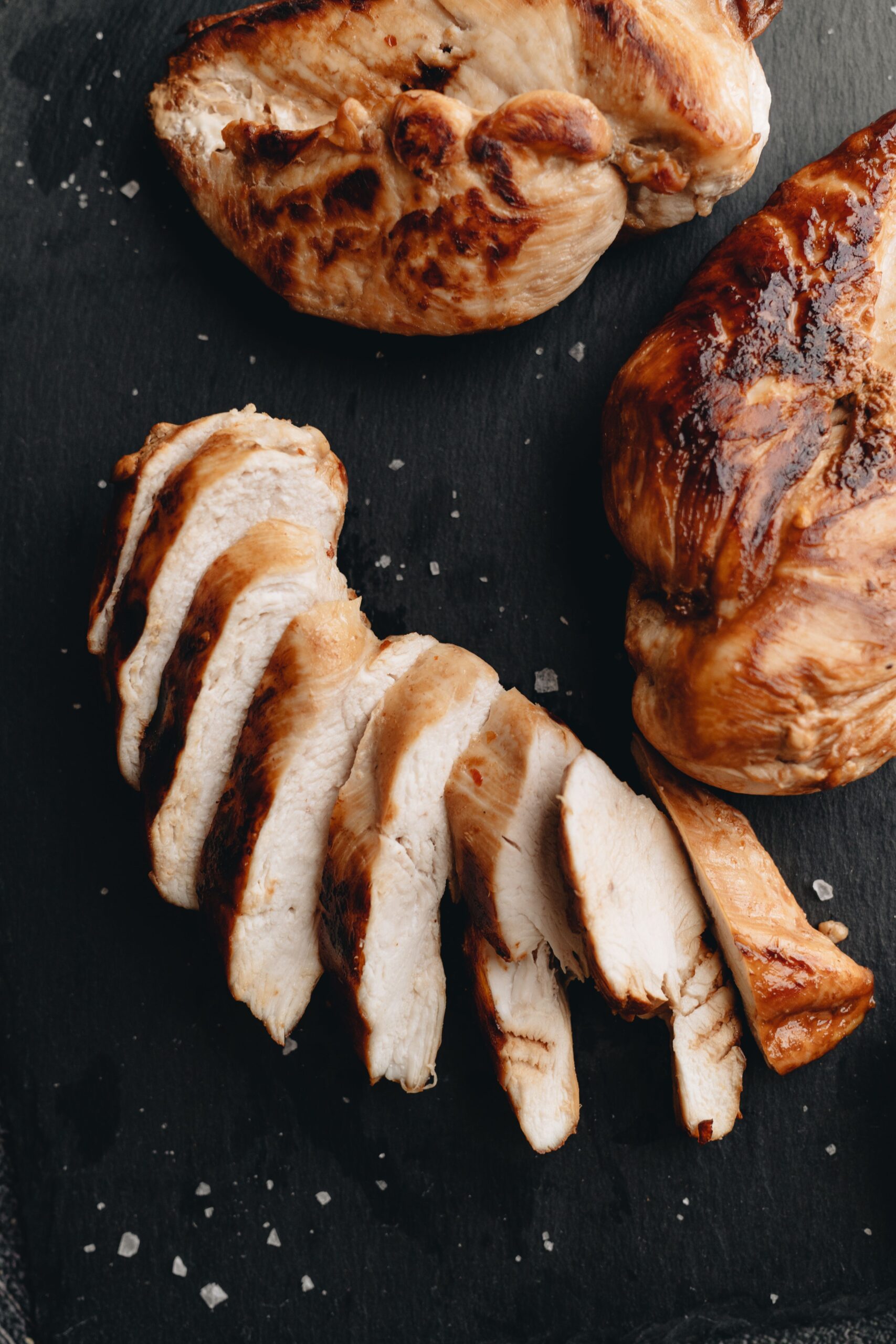
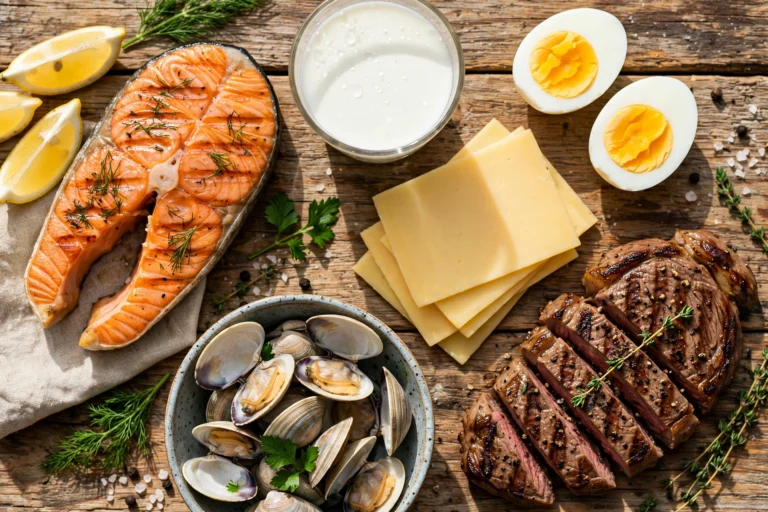
Anchor (20 to 35 grams of protein). One palm and a half sized portion of chicken, turkey, fish or shrimp, two eggs with cheese, a large tub (about 1 cup) of plain Greek yogurt, or half a block (about 200g) of extra-firm tofu. This is the only part of the meal you need to think about in grams.
Helpers (a few grams each). Vegetables, a grain or bread portion, a sprinkle of cheese or seeds. These add up quietly, but they are not the anchor, so do not count on them to carry the meal.
Fat and flavor (for satisfaction, not protein). Olive oil, butter, avocado, or a sauce. Fat carries no protein to speak of, but it makes the meal satisfying, which is what keeps you from snacking an hour later.
If your goal is also weight control, the same method still works, but the anchor choice matters more: white fish, shrimp, egg whites and plain nonfat yogurt give the same protein for fewer calories than cheese, nuts and fatty meats. Our guide to high protein low calorie foods ranks the same foods by protein per calorie, so use it when calories are your main measure.
Two Sample Days
Here is what the method looks like for two different targets. No powder, no special shopping, just normal foods in normal portions.
Day A: About 67 Grams, for a Smaller or Less Active Adult
This fits a 60 kg adult between the minimum and the lower active range.
| Meal | What to eat | Protein |
|---|---|---|
| Breakfast | Half a cup of oats cooked in 1 cup of milk (13g), topped with half a cup of plain Greek yogurt (12g) | 25g |
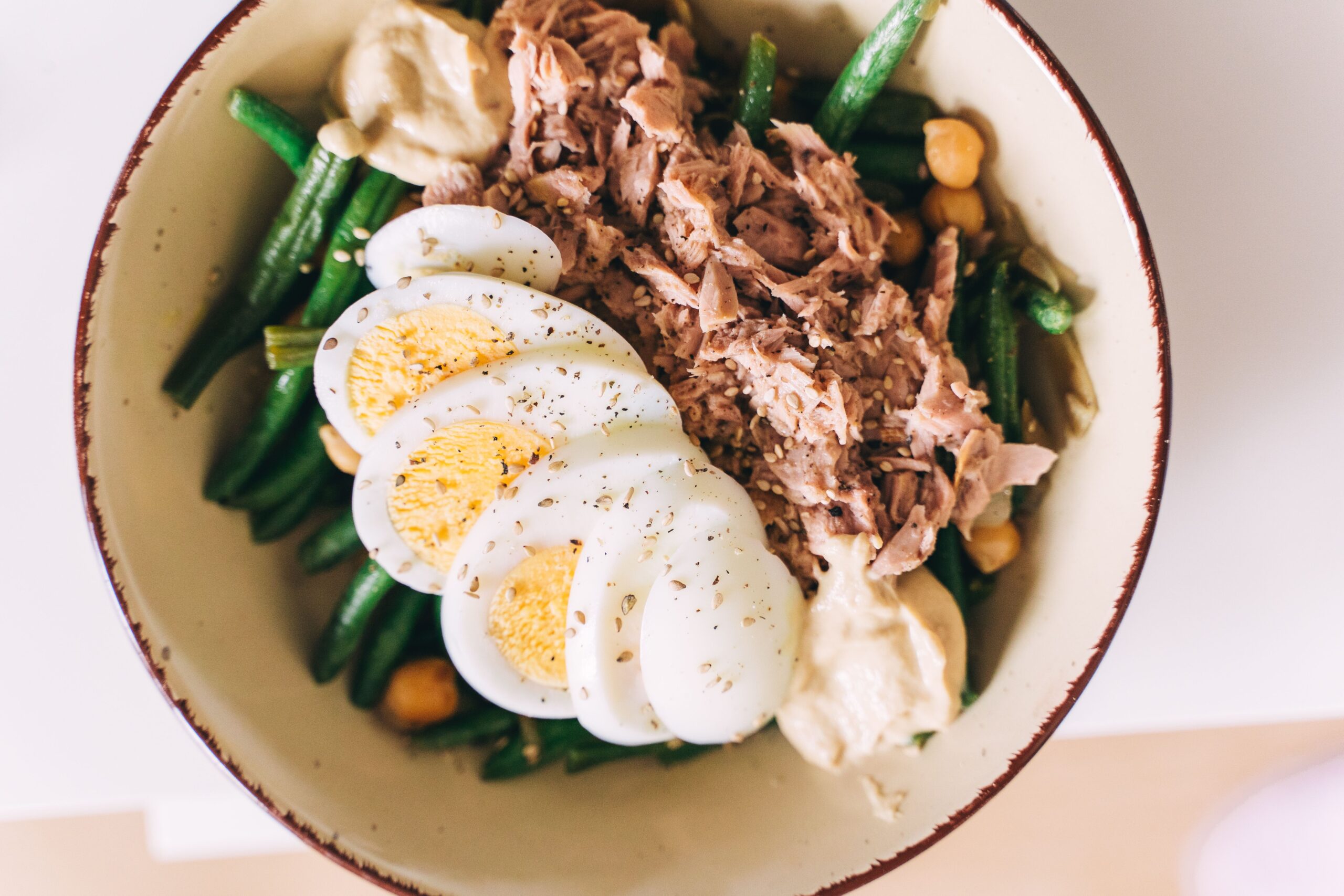
| Lunch | A tuna sandwich: 85g of drained canned tuna (21g) on 2 slices of whole wheat bread (8g) | 29g |
| Dinner | A 2-egg vegetable omelette (13g) with a side salad | 13g |
| Day total | About 67g |
Dinner is the light meal here on purpose, to show that one small meal is fine when the other two carry the load. If your target is higher, add a cottage cheese snack (12g) or a third egg at dinner.
Day B: About 100 Grams, Vegetarian
This fits a 70 kg adult in the active range, without any meat or fish.
| Meal | What to eat | Protein |
|---|---|---|
| Breakfast | 2 eggs (13g) with a tub of plain Greek yogurt (17g) | 30g |
| Lunch | Lentil and feta salad: half a cup of cooked lentils (9g), 1 oz of feta (4g) and half a block of extra-firm tofu, cubed and baked (20g) | 33g |
| Snack | Half a cup of cottage cheese | 12g |
| Dinner | Tempeh stir fry: 3 oz of tempeh (16g) with half a cup of shelled edamame (9g) and vegetables | 25g |
| Day total | About 100g |
Notice what both days have in common: every main meal has one clear anchor, and nothing depends on a protein shake. Vegans can follow Day B by swapping the eggs, yogurt, feta and cottage cheese for a tofu scramble, soy yogurt and extra edamame or seeds.
Plant-Based? Same Method, Different Anchors
The method does not change for plant-based eating, but the anchor list does. The plant foods that carry the most protein for their carbs are seitan, tempeh, tofu, edamame, hemp seeds and pumpkin seeds. Beans and lentils are excellent foods, but they carry their protein alongside more carbohydrate, so they work best paired with another anchor, as in Day B, a distinction our guide to high protein low carb foods explains in full.
One practical point: most plant foods are short on one or two amino acids, but a varied day covers this easily, which is the same variety advice USDA MyPlate gives for protein foods. Tempeh at dinner, edamame as a snack, and seeds over salads and yogurt make a complete day without any combining rules at a single meal.
What to Watch Out For
Three traps show up on nearly every protein plan, and all three are about the label, not the food group.
Sugary protein bars. Many popular bars offer around 10 grams of protein for 180 to 220 calories and 15 to 25 grams of carbs, which is closer to a candy bar with protein added than to the foods in the sample days above. Some bars do much better, so the label, not the wrapper claim, decides.
Sweetened dairy. Flavored yogurts and sweetened kefir can add 10 to 20 grams of sugar per serving to a food that is nearly sugar free when plain. Choose plain pots and add your own fruit.
Processed meats. Sausages, bacon, salami and most deli meats are high in sodium and saturated fat. Fresh meat, poultry and fish give the same protein without that baggage, so treat processed meat as an occasional convenience, not a daily anchor.
Which Food List Do You Need?
Once you know your target, the next question is which foods to buy. This page deliberately carries no ranked list, because three already exist. Pick the one that matches your question:
Highest protein overall? Our guide to foods high in protein ranks foods by protein per serving and per 100 grams. Start there if you simply want to know where the protein is.
Best protein per calorie? Our guide to high protein low calorie foods sorts the same foods by protein per calorie. Start there if weight is part of your goal.
Lowest carbs? Our guide to high protein low carb foods sorts by net carbs. Start there if carb control is your main measure.
For more practical eating guides like this one, browse our nutrition and diet guides. The method on this page, one anchor per meal at 20 to 30 grams, is the same whichever list you use.
Frequently Asked Questions
How much protein do I need per day?
The official minimum (RDA) is 0.8 grams per kilogram of body weight per day, which is 56 grams for a 70 kg (154 lb) adult. Many experts suggest 1.2 to 1.6 grams per kilogram for active adults, or 84 to 112 grams for the same adult, and 1.0 to 1.2 grams per kilogram for healthy older adults. These are general ranges, not personal targets.
How do I calculate my protein needs?
Divide your weight in pounds by 2.2 to get kilograms, then multiply by your factor: 0.8 if you are mostly inactive, 1.0 to 1.2 for healthy older adults, and 1.2 to 1.6 if you exercise regularly or are losing weight. A 165 lb (75 kg) active adult lands at about 90 to 120 grams a day.
How much protein should I eat per meal?
The commonly repeated frame is 20 to 30 grams per meal, which is roughly one ordinary serving of an anchor food: a palm and a half of chicken or fish, two eggs with cheese, a large tub of Greek yogurt, or half a block of extra-firm tofu. Three meals at that level, plus a small snack, covers most daily targets.
Is it better to spread protein across the day?
Yes, in practice. Spreading protein across meals keeps every meal satisfying and avoids the common pattern of a low protein breakfast, a light lunch and a huge dinner. Both sample days above follow this shape, with no single meal doing all the work.
What is a good high protein breakfast?
Two eggs with a tub of plain Greek yogurt gives about 30 grams and takes minutes. Other strong options are oats cooked in milk and topped with yogurt, cottage cheese with fruit, or a tofu scramble with vegetables. Sweetened cereals and pastries are the opposite: mostly carbs with very little protein.
Can you eat too much protein?
For healthy adults, eating toward the higher end of the common ranges is generally considered safe. Very high intakes are mostly a problem of displacement: they crowd out vegetables, fiber and other foods. People with kidney disease are often advised to limit protein, and that amount is a personal medical decision, not a general rule.
What are good high protein snacks?
The strongest simple snacks are Greek yogurt, cottage cheese, hard-boiled eggs, edamame, canned tuna on lettuce leaves, and a small portion of nuts or seeds. Pre-portion nuts and seeds, because a small handful is a serving and eating from a large bag can quietly triple it.
Do I need more protein if I am trying to lose weight?
Many experts suggest aiming toward the higher end of the range, around 1.2 to 1.6 grams per kilogram, while eating in a calorie deficit, because protein helps you feel full and helps protect muscle as weight comes off. Choose lean anchors like white fish, chicken breast, egg whites and plain nonfat Greek yogurt, since nuts, cheese and fatty meats add calories quickly.
How do vegetarians get enough protein?
From eggs and dairy plus plant anchors: Greek yogurt, cottage cheese, eggs and cheese anchor the day, with tofu, tempeh, edamame, lentils and seeds filling the gaps. Day B above shows a full vegetarian day at about 100 grams from ordinary foods.
Is high protein bad for your kidneys?
For healthy adults with normal kidney function, the evidence does not show that the common protein ranges damage the kidneys. The caution applies to people who already have kidney disease, who are often advised to limit protein. If you have kidney disease, diabetes or another medical condition, talk to a qualified health professional about your personal target before changing your protein intake.
Conclusion
Protein gets simpler once you start with a target instead of a food list. Find your range from your body weight, divide it across your meals, and build each meal around one anchor at 20 to 30 grams. When you need to know which foods to buy, the three food guides carry the tables. A fridge with eggs, yogurt and cheese, a freezer with fish and edamame, and a pantry with tuna, lentils and seeds will cover almost any target in this guide.
Sources
- USDA FoodData Central, protein values for the foods mentioned: https://fdc.nal.usda.gov
- USDA MyPlate, protein foods group guidance: https://www.myplate.gov/eat-healthy/protein-foods
- National Academies, Dietary Reference Intakes for Energy, Carbohydrate, Fiber, Fat, Fatty Acids, Cholesterol, Protein, and Amino Acids (protein RDA 0.8 g/kg): https://nap.nationalacademies.org/catalog/10490/dietary-reference-intakes-for-energy-carbohydrate-fiber-fat-fatty-acids-cholesterol-protein-and-amino-acids
Disclaimer: This article is for general information only and is not medical advice. Protein needs vary from person to person. If you have kidney disease, diabetes or another medical condition, are pregnant or breastfeeding, or you are planning a major change to your diet, please speak with a qualified health professional about your personal needs.

One Comment