
Microneedling Explained: How It Works, What It May Help, and the Risks to Know
Microneedling is a skin procedure that uses very fine needles to make tiny holes in the top layer of the skin. These small holes prompt the skin to start its natural repair process. As a result, the skin may make more collagen and elastin, the proteins that keep skin firm and smooth. This guide explains the treatment in plain language.
It is also called collagen induction therapy. It is used for acne scars, fine lines, uneven texture, and stretch marks. Most people need several sessions, and results appear slowly over weeks or months. In addition, it is not right for everyone. For more skin and wellness topics, browse our health category.
Table of Contents
- What it is
- How it works
- Benefits
- Limits
- Device types
- A session
- Recovery
- Risks
- Who should avoid it
- Compared with others
- Sessions and cost
- Choosing a provider
- Myths
- FAQ
- Conclusion
What Is Microneedling?
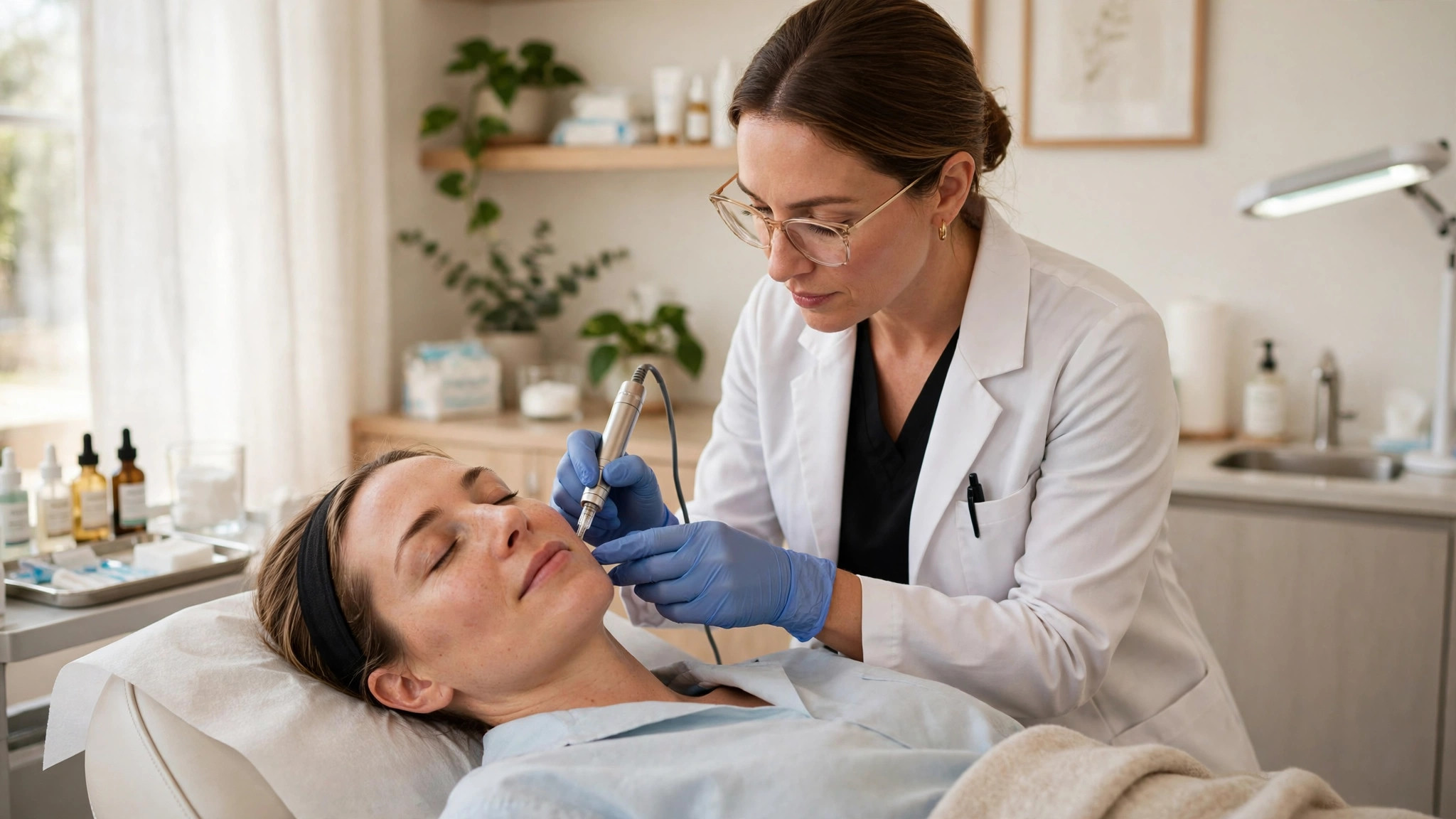
Microneedling is a minimally invasive skin procedure. A trained provider uses a device covered in very fine, short needles. The device rolls, stamps, or pulses across the skin and makes many tiny, controlled punctures that trigger the skin to repair itself.
The procedure is usually done by a dermatologist or a trained professional working under medical supervision. It is an outpatient treatment, so you go home the same day. A session often takes 30 to 60 minutes, depending on the size of the area. The face is the most common area, but the neck and chest can be treated too.
The U.S. Food and Drug Administration has cleared these devices to improve the appearance of facial acne scars, facial wrinkles, and abdominal scars in patients aged 22 or older. Read the FDA guide to microneedling devices for the full list of cleared uses and safety tips. Clearance covers specific uses only. Other popular uses, such as hair loss, have not been cleared.
How Microneedling Works
The idea behind microneedling is simple. The needles create tiny channels in the skin. Then, the body treats those channels as minor wounds and starts to heal them. During healing, the skin may produce more collagen and elastin. Collagen gives skin firmness, while elastin helps it spring back. Over time, this new support may smooth texture and soften scars.
Needle depth matters a lot. Short needles reach only the top layer of the skin. Longer needles reach deeper tissue, where living cells, nerves, and blood vessels sit. Typical clinic lengths range from 0.5 millimeters to 2 millimeters. The change is gradual, not instant. New collagen forms over weeks, and the skin keeps remodeling for months. Therefore, results build slowly, and one session rarely gives the full result.
What Microneedling May Help With
Research on this treatment covers several skin concerns, but the quality varies. Many studies are small or short, and they use different devices and depths. Therefore, results should be seen as possible gains, not promised outcomes.
- Acne scars. Rolling and boxcar scars respond best, because new collagen can lift shallow, depressed areas. Deep ice pick scars respond less well.
- Fine lines and early wrinkles. Extra collagen may soften lines around the eyes and mouth over time. Deep wrinkles usually need a different approach.
- Uneven texture and large pores. Smoother texture is a common gain. Pores may look smaller as the skin around them firms up.
- Stretch marks. The treatment may improve newer stretch marks. Older, wide marks change less.
- Mild sun damage and dull tone. Some people notice brighter, more even looking skin after a course of sessions.
Cleveland Clinic explains microneedling as a procedure that stimulates the skin’s healing process. It also notes that most people need multiple treatments, usually 3 to 8 weeks apart, and that it can take 3 to 6 months to see results.
What Microneedling Cannot Do
This treatment has real limits, and honest clinics state them plainly. First, it does not add volume to the face. It cannot fill deep folds or replace fillers. Second, it does not lift sagging skin in the way surgery does. Third, it cannot erase very deep scars in one session, and some scars may never fully fade.
In addition, the treatment does not stop skin aging, and any gains may fade unless sessions are repeated. It does not treat skin disease, and it is not a cure for acne. Finally, the FDA has not cleared any device for hair loss. Therefore, hair growth claims in ads go beyond what regulators have approved.
Types of Microneedling Devices
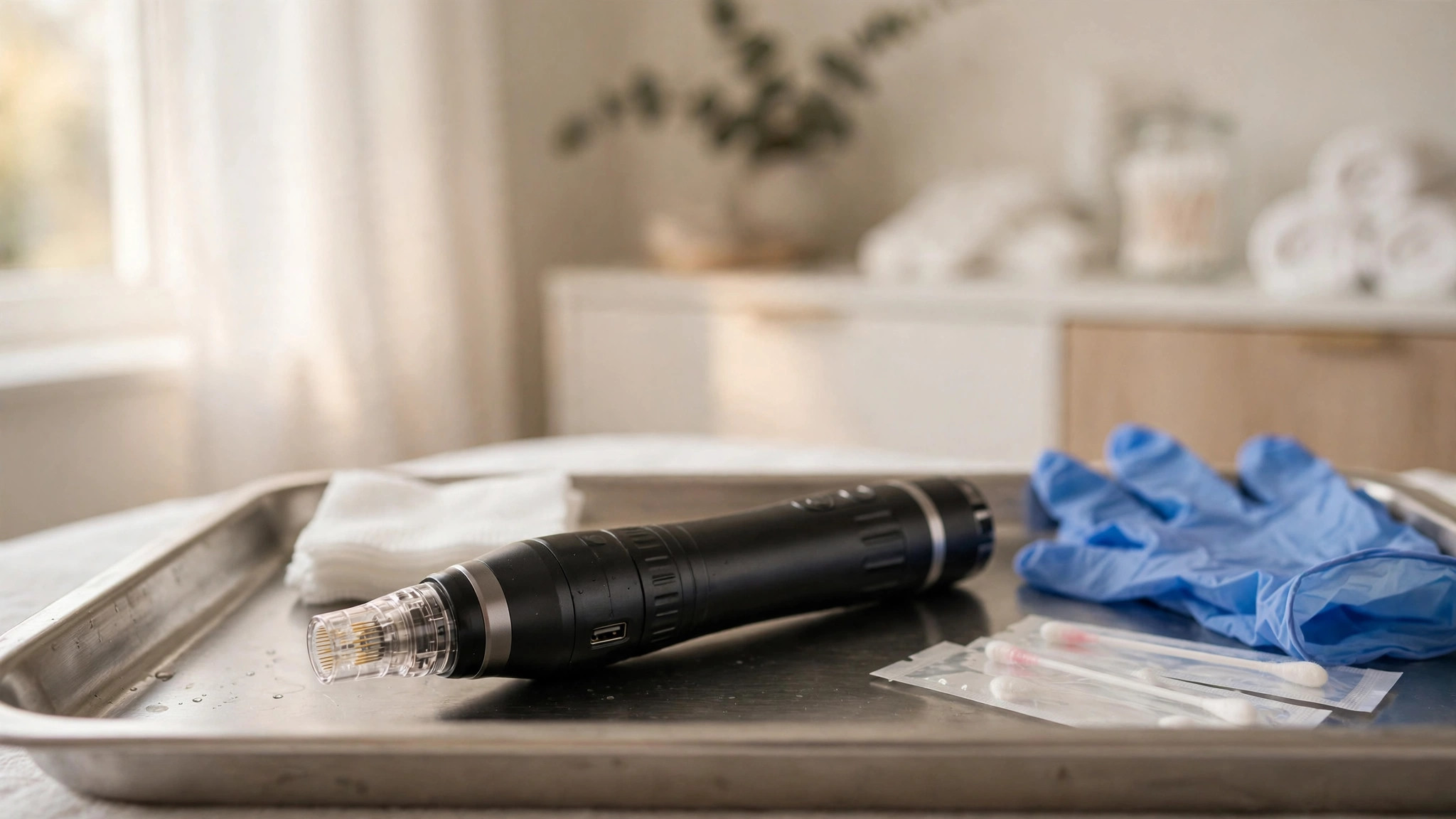
All of these devices share one feature: lots of small, thin needles. Beyond that, they differ in shape and power. A dermal roller has needles on a small cylinder that rolls across the skin. A stamp has needles on a flat surface that presses into the skin. A pen device has needles on a motorized tip that pulses up and down. Pens are the most common choice in clinics, because the provider can change the needle depth.
Some devices add radiofrequency energy, which is heat, to the needles. This type is called RF treatment, and it works differently from the standard procedure. Home devices are a different category. The FDA has not authorized any medical device of this kind for over-the-counter sale. Home products usually have short, blunt needles that only touch the top layer of skin. They do not give the same results as clinic devices. In addition, home tools must be cleaned as the maker directs, and they must never be shared.
What a Microneedling Session Looks Like
A session starts with a consultation. Your provider examines your skin, reviews your health history, and talks through your goals. They may take photos to compare your skin before and after. This is also the time to ask how many sessions you may need, what the risks are, and how long recovery takes.
Next, the provider cleans your skin and applies a numbing cream. The cream usually needs 30 to 45 minutes to work. Then, the provider moves the device slowly across the treated area. You may feel warmth or a scratching feeling. Some people feel more discomfort near bony areas, such as the cheekbones. Deep treatment may cause a little bleeding, which is expected.
A session can take anywhere from 15 minutes to a few hours, depending on the size of the area. Afterward, you can go home. Your skin will likely look red, much like a mild sunburn. An ice pack can help. Most people can wear makeup the day after, but stay out of the sun until your skin heals.
Microneedling Recovery and Aftercare
Recovery is usually short, but the first few days matter. Redness, warmth, and tightness often last one to three days. Mild swelling is common too. In addition, the skin may feel dry and flake as it heals. These effects are normal and often fade on their own.
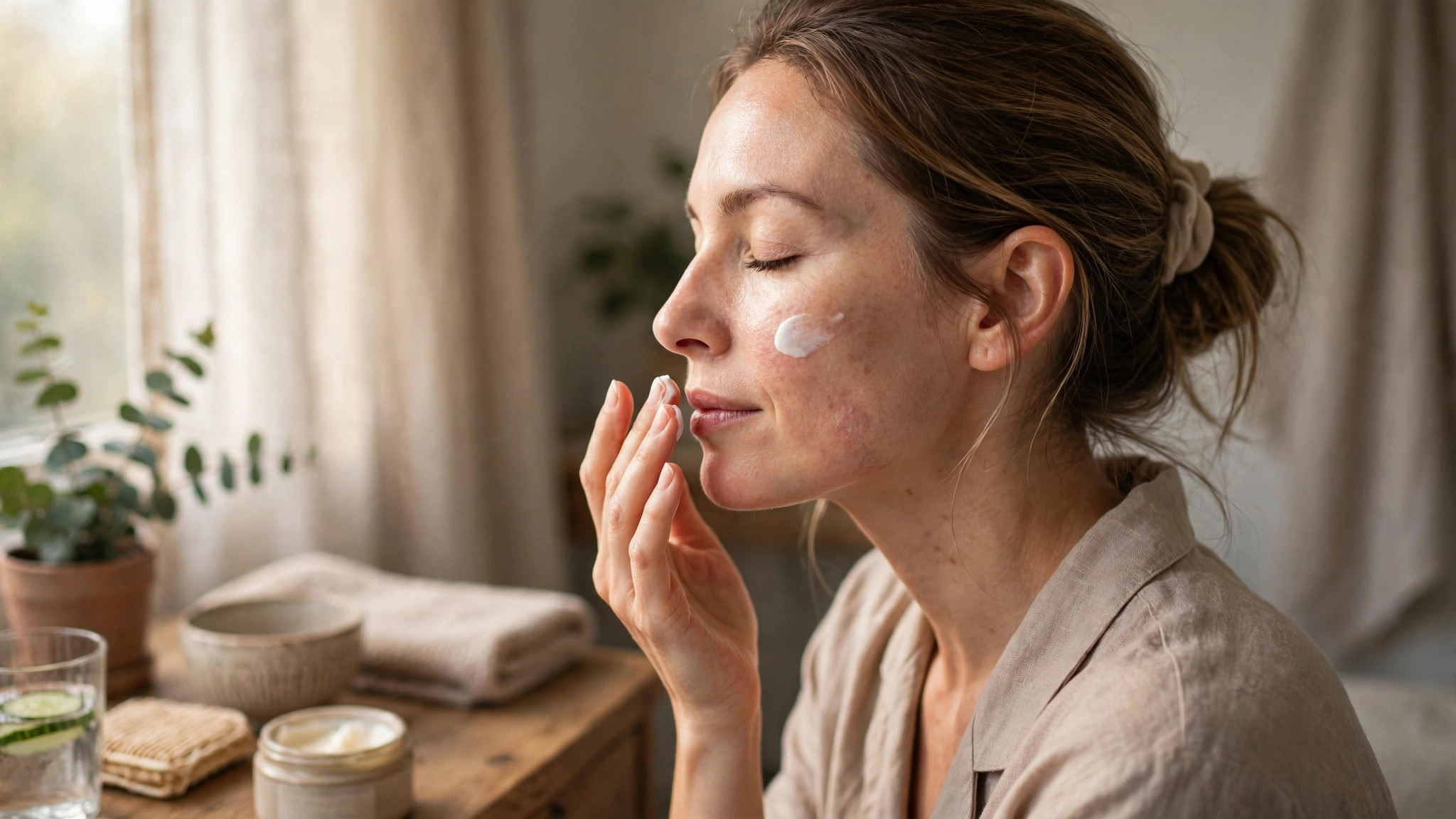
Good aftercare is simple. Wash the area gently with a mild cleanser and lukewarm water. Use a plain moisturizer to ease dryness. Wear sunscreen daily, because treated skin is more sensitive to sun. Avoid strong products for a few days, such as retinol, glycolic acid, and alcohol based toners, unless your provider says otherwise. Do not pick flaking skin, since that can raise the risk of marks or infection.
Good sleep, fluids, and balanced meals also support healing. For simple food ideas that fit a recovery week, see our immunity shots guide. Call your provider if redness spreads, pain grows worse, you notice pus, or you develop a fever.
Microneedling Risks and Side Effects
Microneedling is often described as safe when done by a trained provider, but it still carries risks. The most common side effects are short lived: bleeding, bruising, redness, tightness, itching, and peeling. These often go away on their own after a few days or weeks. Pinpoint bleeding during treatment is also common.
Less common risks deserve attention. Some people develop dark or light spots on the skin. Others notice stinging or itching when they apply moisturizer or sunscreen. A flare up of cold sores can occur in people who carry the herpes virus. Infection is possible too, especially if tools are not cleaned well or aftercare is skipped. Rarely, treatment can leave new scarring. The result may also be small and may fade over time, so maintenance sessions may be needed.
Who Should Avoid or Delay Microneedling
Microneedling is not suitable for everyone. Talk with a health care provider first if any point below applies to you. A good provider will screen for these before booking a session.
- Active acne, cold sores, or any skin infection in the area
- Eczema, psoriasis, or another active skin condition in that area
- A history of keloid scars, which grow beyond the wound
- Pregnancy or breastfeeding, since research here is limited
- A clotting or bleeding disorder, or use of blood thinning medicine
- Recent isotretinoin treatment, which affects how skin heals
- A weakened immune system, diabetes, or slow healing
For plain language background on skin conditions, see the MedlinePlus skin conditions page. It explains how skin protects the body. If you are unsure whether the treatment fits your skin, a dermatologist can review your history.
Microneedling vs Other Skin Treatments
This treatment is one of several options for scars and texture. The right choice depends on your skin type, your concern, and how much downtime you can accept. The table below gives a quick comparison.
| Treatment | Best for | Typical downtime | Key point |
|---|---|---|---|
| Microneedling | Scars, texture, fine lines | A few days | No heat |
| Laser resurfacing | Wrinkles, sun damage | A week or more | Heat based |
| Chemical peel | Dull tone, mild spots | A few days | Light to deep |
| Dermabrasion | Deeper scars | Longer recovery | More invasive |
The treatment stands out in one way: it does not use heat or light, so it carries less risk of skin color change than lasers. That makes it worth discussing for darker skin tones. For a gentler light based option, read our red light therapy guide.
How Many Microneedling Sessions Do You Need, and What Does It Cost?
Most people need more than one microneedling session. A common plan is three to six sessions, spaced about three to eight weeks apart. However, there is no fixed number for everyone. The count depends on the concern and how your skin responds.
Cost varies widely by city, clinic, and the area treated. Clinics often charge a few hundred dollars per session, and a full course costs more than a single visit. Ask for the full course price in writing before you start. Treatment for appearance is usually not covered by health insurance. Be wary of heavy discounts that push you to prepay many sessions at once.
How to Choose a Microneedling Provider
The provider matters as much as the device. Choose a health care provider who is specially trained in microneedling, such as a dermatologist or a clinician working under one. Ask how many sessions they have done and which device they use. A trained provider will ask about your health history first.
Ask three safety questions before your first session. First, how is the device cleaned between patients? Second, is a new needle cartridge used for each patient and each session? Third, what aftercare plan will you follow? Reusing cartridges can cause or spread infection, so a fresh cartridge each time is a basic safety step.
Watch for warning signs too. Be careful with clinics that skip the consultation, share rollers between clients, or promise guaranteed results. Pressure to prepay a large package on the first visit is another warning sign. A good clinic explains the limits and lets you decide without rushing you.
Common Myths About Microneedling
Myths about this treatment are common. The points below correct the most repeated ones.
- Myth: the treatment is painless. Numbing cream helps, but many people feel scratching or warmth. Bony areas can sting.
- Myth: one session fixes scars. Results build slowly over weeks and months. Scars may only soften, not vanish.
- Myth: home rollers give clinic results. Home tools use short needles and do not reach clinic depths.
- Myth: the treatment regrows hair. Studies are ongoing, but the FDA has not cleared any device for hair loss.
- Myth: deeper needles are always better. Deeper treatment means more risk and longer recovery. The right depth depends on the skin and the goal.
Frequently Asked Questions
Does microneedling hurt?
Most people feel some discomfort, even with numbing cream. The feeling is often described as warmth or light scratching. Bony areas tend to sting more.
How long does it take to show results?
Results are gradual, not instant. New collagen forms over weeks, and the skin keeps changing for months. Fuller results often appear after three to six months.
How many sessions do I need?
Most plans use three to six sessions, spaced about three to eight weeks apart. The exact number depends on the concern and how your skin responds.
Is microneedling safe for dark skin?
It is often chosen for darker skin because it does not use heat, so it carries less risk of pigment change than lasers. However, pigment changes are still possible.
Can I do it at home?
Short needle rollers for home use exist, but they are not the same as clinic treatment. They only touch the top layer of skin. Poor cleaning or sharing a device can cause infection.
What should I avoid after treatment?
Stay out of direct sun and use sunscreen daily while the skin heals. Avoid makeup for the first day, and skip strong products such as retinol for a few days. Do not pick flaking skin.
Conclusion
Microneedling may soften scars, fine lines, and uneven texture by waking up the skin’s own repair process. Yet it works slowly, needs several sessions, and carries real risks. If you are thinking about it, book a consultation with a dermatologist first.
This article shares general health information only and is not medical advice. If you have a skin concern or a health condition, talk to a healthcare professional.




One Comment