What Is Rambutan? A Complete Guide to Benefits, Nutrition and Uses
Rambutan is a small tropical fruit with a bright red, spiky shell and sweet, juicy flesh inside. It grows in Southeast Asia, and it tastes a lot like lychee, only richer and juicier. In this guide, you will learn what the fruit is, what it offers nutritionally, and how to eat it.
The fruit stands out for one clear reason. A 100 gram serving can supply about three quarters of your daily vitamin C. It also adds fiber, small amounts of minerals, and plant compounds called polyphenols. This article covers its nutrition facts, seven evidence based benefits, its sugar content, and the safety points worth knowing.
In This Article
- What it is and where it grows
- Nutrition facts per 100 grams
- 7 benefits, with honest limits
- Sugar content and blood sugar
- How to eat it in 4 steps
- Rambutan vs lychee
- Possible downsides and safety
- How to buy and store it
- Frequently asked questions
What Is Rambutan?
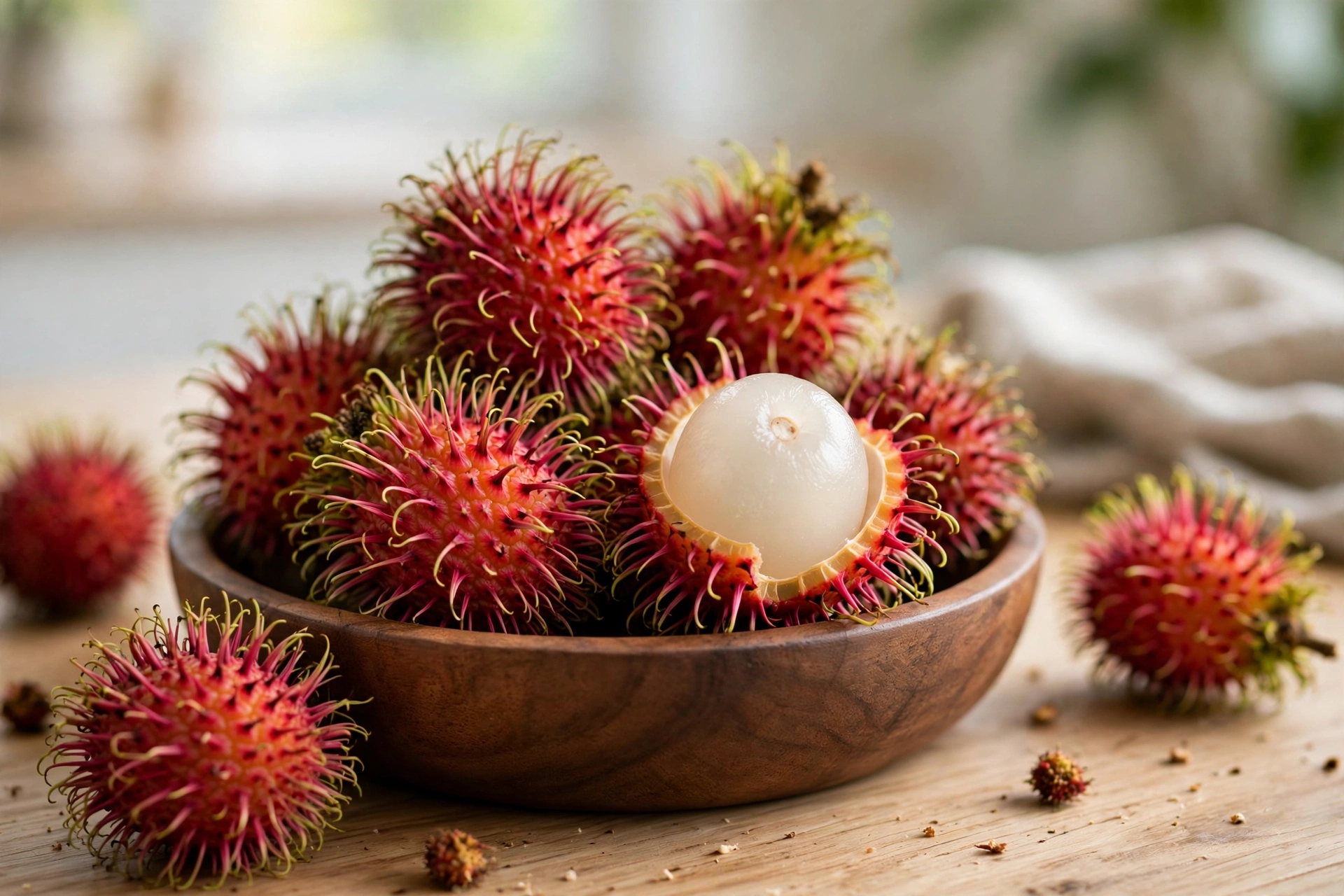
Rambutan (Nephelium lappaceum) is a tropical fruit native to Malaysia, Indonesia, and nearby parts of Southeast Asia. The Malay word rambutan means hair, which fits the fruit well. Its leathery red skin is covered in soft, flexible spines that look like hair.
Inside the shell sits a translucent white flesh around a large seed. The flesh is juicy, sweet, and slightly floral, with a soft jelly like texture. It belongs to the soapberry family, so lychee and longan are close relatives. Today, growers raise rambutan in tropical regions across Africa, Central America, and Oceania too.
The fruit grows on evergreen trees that can reach 15 to 25 meters tall. A single tree can bear thousands of fruits in a season. In Malaysia and Thailand, the fruit is a common everyday food, sold fresh in markets during its season.
Rambutan Nutrition Facts
A 100 gram serving of the flesh is about three medium fruits. It is low in fat, free of cholesterol, and mostly water, which keeps its calorie count modest. Values vary a little by variety and ripeness, so treat these figures as practical averages based on the NCC Food and Nutrient Database.
| Nutrient (per 100 g) | Amount | Daily Value |
|---|---|---|
| Calories | 75 kcal | 4% |
| Carbohydrates | 18.5 g | 7% |
| Fiber | 2.8 g | 10% |
| Sugars | 15.7 g | n/a |
| Protein | 1.0 g | 2% |
| Fat | 0.4 g | 1% |
| Vitamin C | 70 mg | 78% |
| Pantothenic acid (B5) | 1.02 mg | 20% |
| Niacin (B3) | 0.80 mg | 5% |
| Riboflavin (B2) | 0.07 mg | 5% |
| Potassium | 140 mg | 3% |
| Zinc | 0.60 mg | 6% |
| Water | 79.5 g | n/a |
Vitamin C is clearly the headline nutrient in the fruit. One serving covers most of the daily need for adults. Pantothenic acid is the second standout, at about one fifth of the daily value. The mineral content is modest, with potassium and zinc in small but useful amounts. You can cross check these figures in USDA FoodData Central.
7 Benefits of Rambutan
The fruit is a healthy choice, but it is not a medicine. Its benefits come from its nutrients, and they work best as part of a balanced diet. Here are seven benefits, with the evidence stated honestly.
1. Rambutan Is Rich in Vitamin C
Vitamin C is the strongest nutritional reason to eat the fruit. A 100 gram serving provides about 70 mg, which is roughly 78% of the daily value for adults. That is more than an orange per gram, and it makes rambutan one of the better fruit sources of this vitamin.
Vitamin C acts as an antioxidant, so it helps protect cells from damage caused by free radicals. It also plays a central role in making collagen, the protein that supports skin, gums, and joints. In addition, vitamin C supports normal immune function. The NIH vitamin C fact sheet explains these roles in detail, and it notes that severe deficiency causes scurvy, a rare condition today.
Some research suggests vitamin C may slightly shorten common colds, but the effect is small. Eating the fruit will not prevent illness on its own. Still, a diet rich in vitamin C foods supports the immune system over time.
2. Rambutan Supports Digestion With Fiber
The fruit provides 2.8 grams of fiber per 100 grams, which is about 10% of the daily value. That is a moderate amount for a fruit, and it contributes to regular bowel movements. Fiber adds bulk to stool and helps food move through the gut at a steady pace.
Much of the fiber in the fruit is soluble fiber. Soluble fiber forms a gel in the gut, which slows digestion and helps you feel full longer. Studies link higher fiber intake with better blood sugar control and lower LDL cholesterol. The Mayo Clinic fiber guide lists these benefits and recommends most adults aim for 25 to 38 grams of fiber per day.
For more on fiber rich foods, see our psyllium husk fiber guide. The fruit alone will not meet your fiber needs, but it adds to your daily total in a pleasant way.
3. Rambutan Provides Polyphenols
The fruit contains polyphenols, which are plant compounds with antioxidant activity. These include ellagic acid, gallic acid, flavonoids, and tannins, which are also found in most other fruits.
Here, honesty matters. The highest polyphenol levels sit in the peel and seed, which people do not eat. The edible flesh has smaller amounts. Lab studies show peel extracts can fight bacteria, but those extracts are far more concentrated than what you get from eating the fruit. So, enjoy the fruit as one source of polyphenols among many, not as a cure.
4. Rambutan Helps With Hydration
Its flesh is about 80% water. That makes it a refreshing fruit in hot weather, and a useful snack after exercise. It also supplies a little potassium, about 140 mg per 100 grams, which supports normal fluid balance.
Pairing the fruit with a glass of water and a salty snack after a sweaty workout is a simple way to rehydrate.
5. Rambutan Helps Your Body Absorb Iron
Vitamin C improves the absorption of non heme iron, the type found in plant foods such as beans, lentils, and leafy greens. Eating the fruit alongside these foods can help your body take in more iron from the meal. This matters most for people who eat little or no meat.
For example, a lentil salad with a few of the fruits on the side combines iron and vitamin C in one meal. The effect is modest, yet it is a practical trick that dietitians often recommend. If you have low iron, talk with a healthcare professional, since food alone may not be enough.
6. Rambutan Supplies Pantothenic Acid for Energy
The fruit is a good source of pantothenic acid, also known as vitamin B5. One serving provides about 20% of the daily value. The body needs this vitamin to break down fats and carbohydrates and to produce energy from food.
Deficiency is rare, because the vitamin is present in many foods. Even so, it is one of the richer fruit sources, and it adds variety to your B vitamin intake.
7. Rambutan Is a Weight Friendly Sweet Snack
At about 75 calories per 100 grams, rambutan is a light snack for its sweetness. Three fruits give roughly 25 calories, so a small bowl can satisfy a sweet craving without much energy. Its water and fiber content also help it feel more filling than candy or cookies.
The fruit is fairly sweet, with 15.7 grams of sugar per 100 grams. Eating a large bag in one sitting can add up. A serving of 100 to 150 grams is a sensible amount for most people.
Rambutan Sugar Content and Blood Sugar
The fruit has more sugar than many common fruits. Its 15.7 grams of sugar per 100 grams sits above apples (about 10 grams) and blueberries (about 10 grams), but below bananas (about 12 grams of sugar, with more total carbs). Its net carbs, after subtracting fiber, come to about 15.7 grams per 100 grams.
For most healthy people, the natural sugar in whole fruit is not a problem when portions stay reasonable. The fiber and water in the fruit slow digestion, unlike the sugar in juice or sweets. People managing blood sugar should watch portions and pair the fruit with protein or fiber rich foods, such as nuts or yogurt. If you have diabetes, ask your healthcare professional how fruit portions fit your plan.
The fruit is not a good fit for very low carb diets. Its carbohydrate content is too high for a strict keto plan, though a few fruits may fit a more relaxed low carb pattern.
How to Eat Rambutan in 4 Steps
Eating the fruit looks tricky at first, but it takes only a few seconds once you know how. Follow these steps.
Step 1: Choose ripe fruit. Look for bright red skin with green tipped spines. Avoid fruit with brown or black patches, which suggest it is overripe or old.
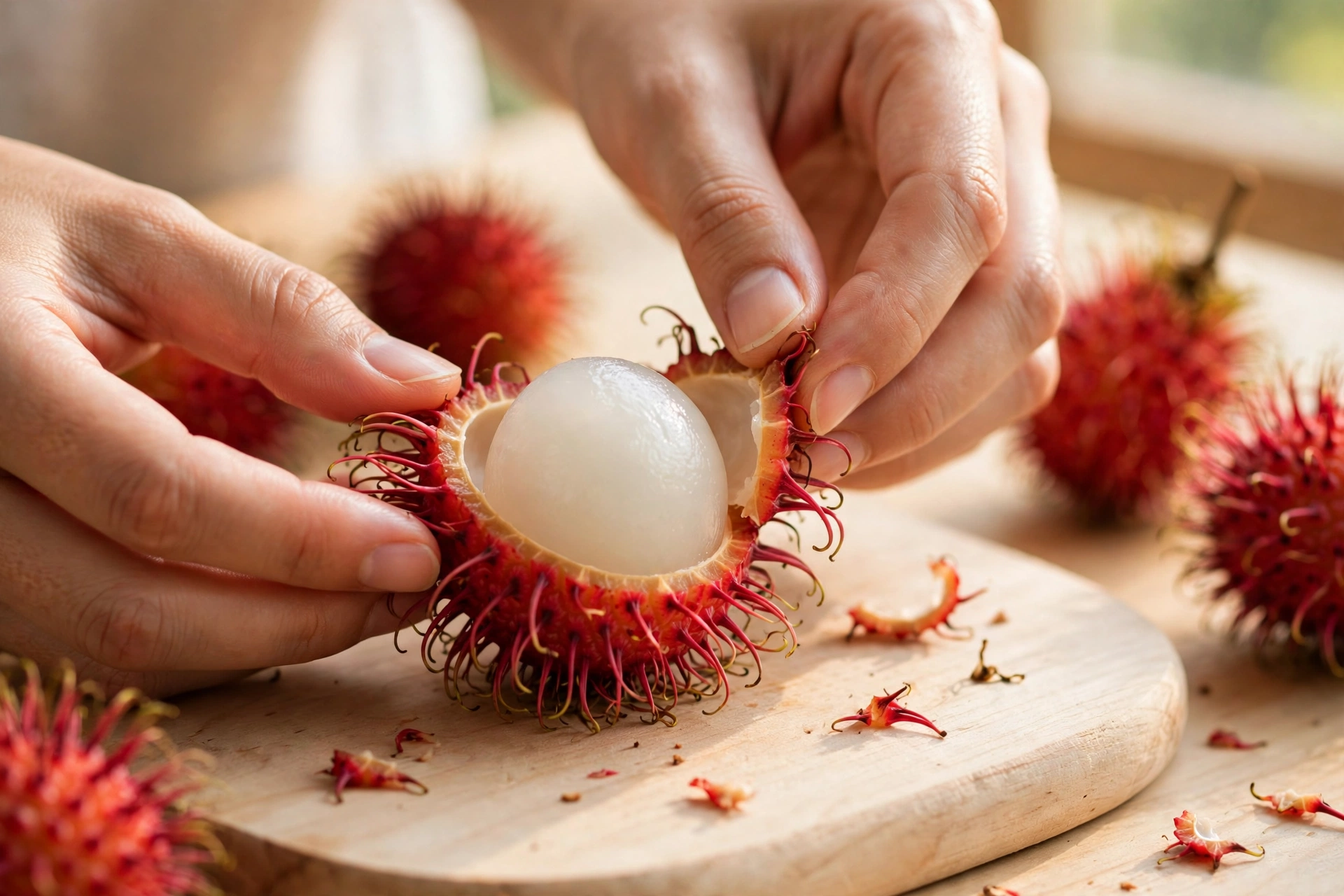
Step 2: Cut or tear the skin. Hold the fruit in one hand and score the skin around the middle with a small knife. Or press a thumbnail into the skin until it splits.
Step 3: Peel it open. Pull the two halves of the skin apart. The white flesh will pop out, often still attached to the seed.
Step 4: Eat around the seed. Bite the flesh off the seed, or cut it away with a knife. Do not eat the raw seed, since it is reported to be toxic in its raw state.
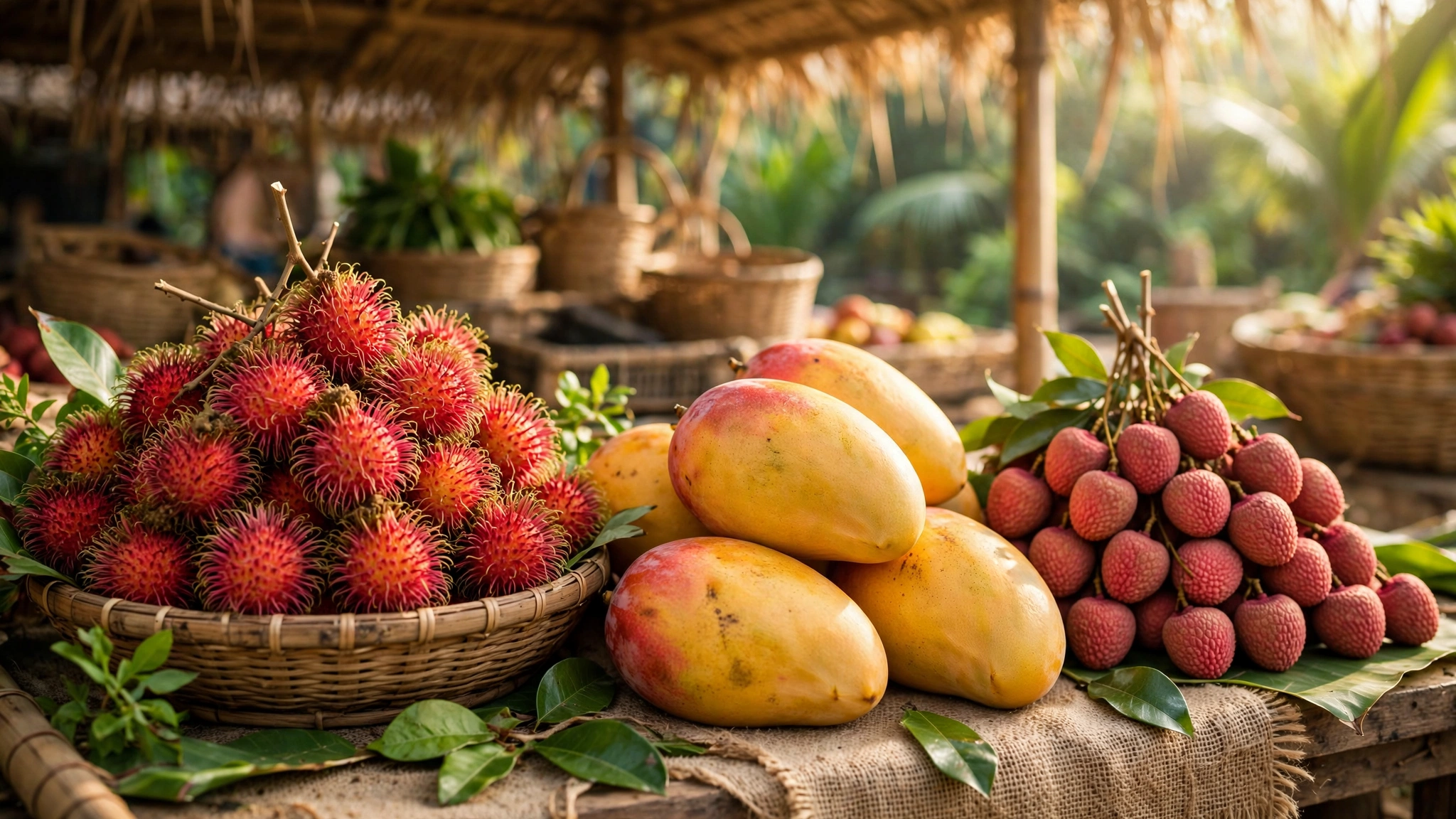
Beyond eating it fresh, rambutan works well in fruit salads, smoothies, and desserts. Try it chopped into a tropical salad with mango and lime, or blended into a smoothie with coconut milk. In Southeast Asia, it is also cooked into jams and sweet sauces.
Rambutan vs Lychee: What Is the Difference?
Rambutan and lychee are close cousins, and many people confuse them. Both have sweet white flesh around a seed, and both grow in warm climates. Yet they differ in a few clear ways.
Appearance. Its shell is red and hairy. Lychee has a rough, pink red shell without long spines.
Taste. It is usually sweeter and juicier, with a mild floral note. Lychee is a little more tart and aromatic.
Nutrition. Lychee is also rich in vitamin C, with similar values per 100 grams. It offers a bit more fiber, while lychee tends to have slightly less sugar.
Availability. Lychee is easier to find in many Western supermarkets, fresh or canned. The fruit is less common and often pricier outside Asia.
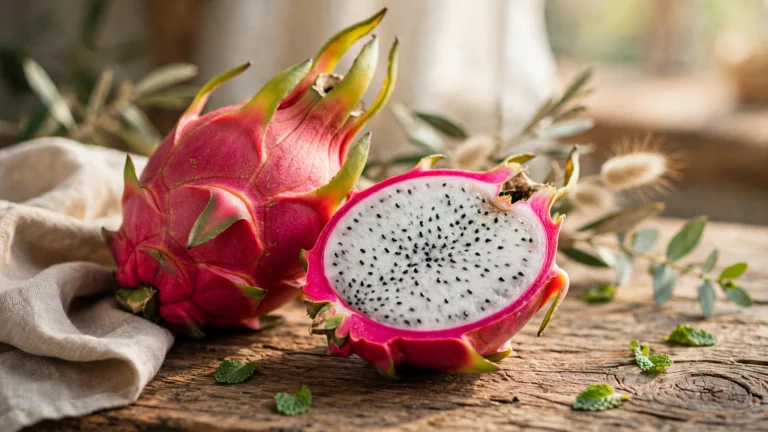
If you enjoy lychee, you will very likely enjoy this fruit too. For a similar tropical fruit profile, read our dragon fruit nutrition guide.
Possible Downsides and Safety of Rambutan
The fruit is safe for most people, but a few points deserve attention.
Allergies. Rambutan is not a major allergen. Even so, rare cases of severe allergic reaction have been reported. If you have never tried it, eat one fruit first and wait. Anyone with a known fruit allergy should ask a healthcare professional before trying it.
Raw seeds. The seed is not food. It is reported to be toxic when raw, so always eat around it or remove it. Roasted seeds are used in some traditional practices, but they are not a common food and are best avoided.
Sugar and calories. The fruit is sweet, so large portions can add sugar and calories quickly. Keep servings to about 100 to 150 grams.
Cost and availability. Outside Southeast Asia, the fruit is imported and can be costly. It may also be hard to find fresh. Frozen or canned versions exist, but canned fruit often sits in sweet syrup, which adds sugar.
How to Buy and Store Rambutan
Choose fruit with bright, even color and firm spines. The skin should feel slightly springy, not soft or mushy. Green spines suggest freshness, while brown spines suggest the fruit is older.
Store the fruit in the fridge, in a paper bag or loosely covered container. It keeps for about one week when refrigerated. For longer storage, peel the flesh and freeze it in a sealed bag. Frozen fruit works well in smoothies, though its texture softens after thawing.
Wash the fruit before peeling.
Frequently Asked Questions About Rambutan
Is rambutan good for you?
Yes, it is a healthy fruit when eaten in normal portions. It is rich in vitamin C, provides fiber and pantothenic acid, and is low in fat and calories. Its benefits are modest, and it works best as part of a varied diet with many fruits and vegetables.
What does it taste like?
It tastes sweet and creamy, with a mild floral aroma and a slight tang. It is often compared to lychee, but it is usually juicier and sweeter. The flesh has a soft, jelly like texture that some people love and others find unusual at first.
Can you eat the seed?
No, you should not eat the raw seed. It is reported to be toxic in its raw state. Eat the flesh around the seed, or cut the seed out with a knife. The skin is not eaten either.
Is it good for diabetes?
The fruit can fit into a diabetes friendly diet in small portions, but it is fairly sweet. A serving of about 100 grams contains 15.7 grams of sugar. Pair it with protein or fiber rich foods, and ask your healthcare professional how it fits your meal plan.
Where does rambutan grow?
The fruit is native to Southeast Asia, mainly Malaysia and Indonesia. Today it also grows in Thailand, the Philippines, and tropical areas of Africa, Central America, and Oceania. It needs a hot, humid climate and does not tolerate frost.
How many should you eat in a day?
A serving of 100 to 150 grams, about three to five fruits, is a sensible daily amount for most people. This gives a good dose of vitamin C without much sugar. There is no strict limit, but larger portions add sugar and calories quickly.
Conclusion
Rambutan is a sweet, juicy tropical fruit with a strong vitamin C profile and a useful amount of fiber. It supports digestion, hydration, and iron absorption, and it makes a light, satisfying snack. Its sugar content calls for sensible portions, and its raw seed should never be eaten. If you spot fresh fruit at the market, try a few pieces and enjoy a taste of Southeast Asia. For more fruit guides, explore our HealthRader nutrition guides.
This article shares general health information only. If you have an ongoing health concern, talk to a healthcare professional.