Gallbladder Pain: What It Feels Like, Why It Happens, and When to Get Help
Gallbladder pain is a sharp or cramping ache in the upper right belly, just under the ribs. It often starts after a fatty meal, and it may spread to the back or the right shoulder blade. The most common cause is gallstones, small hard pieces that form in the gallbladder and can block the flow of bile. This guide explains what it feels like, what causes it, how long it lasts, and which warning signs need prompt care.
Your gallbladder is a small, pear-shaped organ under your liver. It stores bile, a fluid your liver makes to help digest fat. After you eat, the gallbladder squeezes bile into the small intestine. When a stone blocks that flow, pressure builds up, and pain follows. For a broader view of everyday health topics, see our HealthRader health guides.
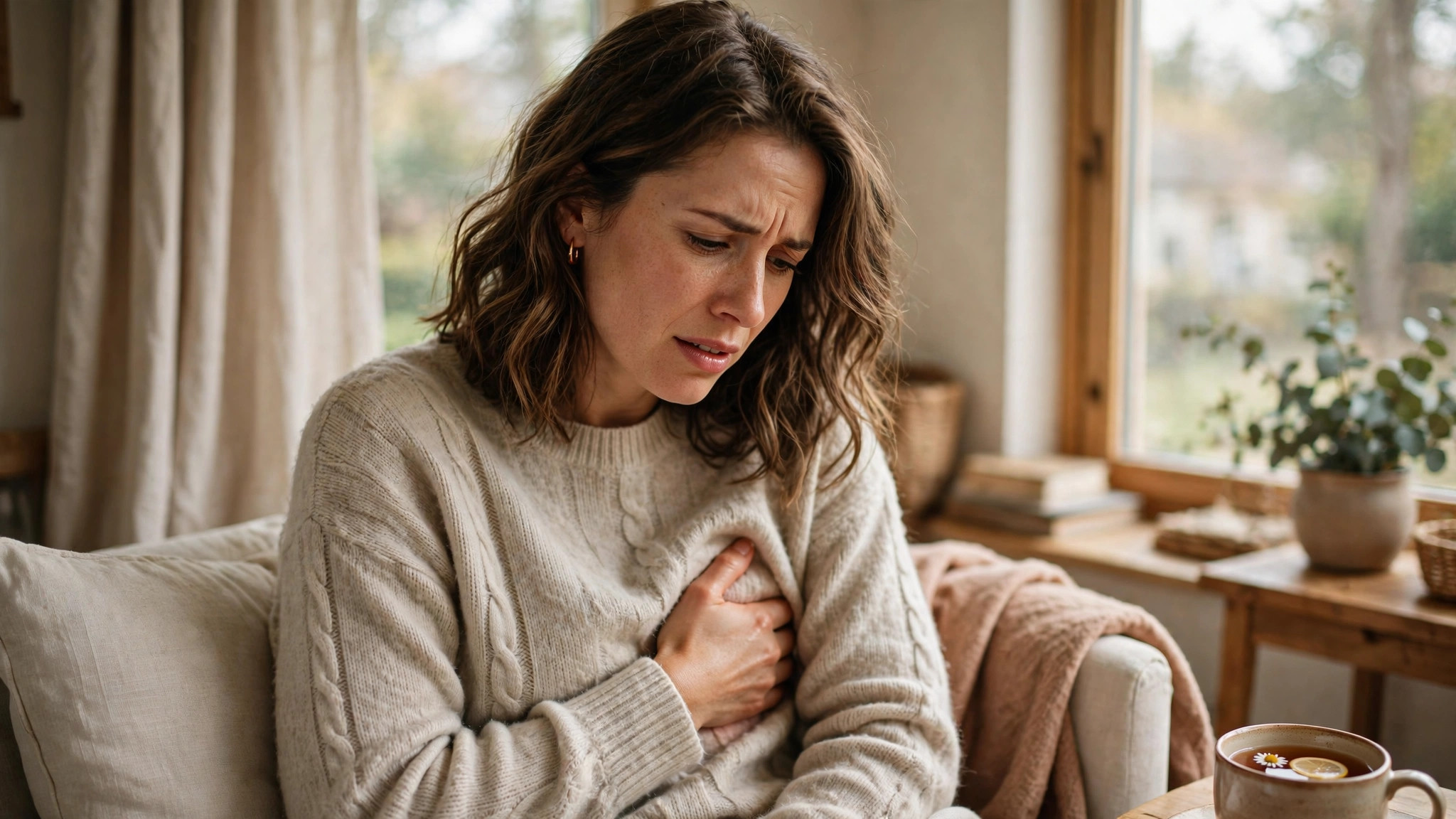
Table of Contents
- What It Is
- What It Feels Like
- Where It Is Felt
- What Causes It
- Gallbladder Pain vs. Other Belly Pain
- How Long It Lasts
- Everyday Steps That May Help
- How Doctors Check It
- Warning Signs: When to Get Care Fast
- Living Without a Gallbladder
- Frequently Asked Questions
- Conclusion
What Is Gallbladder Pain?
Gallbladder pain is any pain in the upper right abdomen that relates to the gallbladder or the bile ducts around it. Doctors often call a short episode biliary colic. The pain comes from a blockage or from inflammation, not from the gallbladder being squeezed too hard.
The liver makes bile, the gallbladder stores it, and the ducts carry it to the small intestine. A gallstone can lodge in the narrow duct that leaves the gallbladder. When that happens, bile backs up, the gallbladder swells, and its walls stretch. That stretch is what you feel as pain.
This pain is not the same as ordinary stomach upset. It does not ease when you change position, burp, or pass gas. It also tends to follow a pattern, often arriving 30 minutes to a few hours after a meal.
What Does Gallbladder Pain Feel Like?
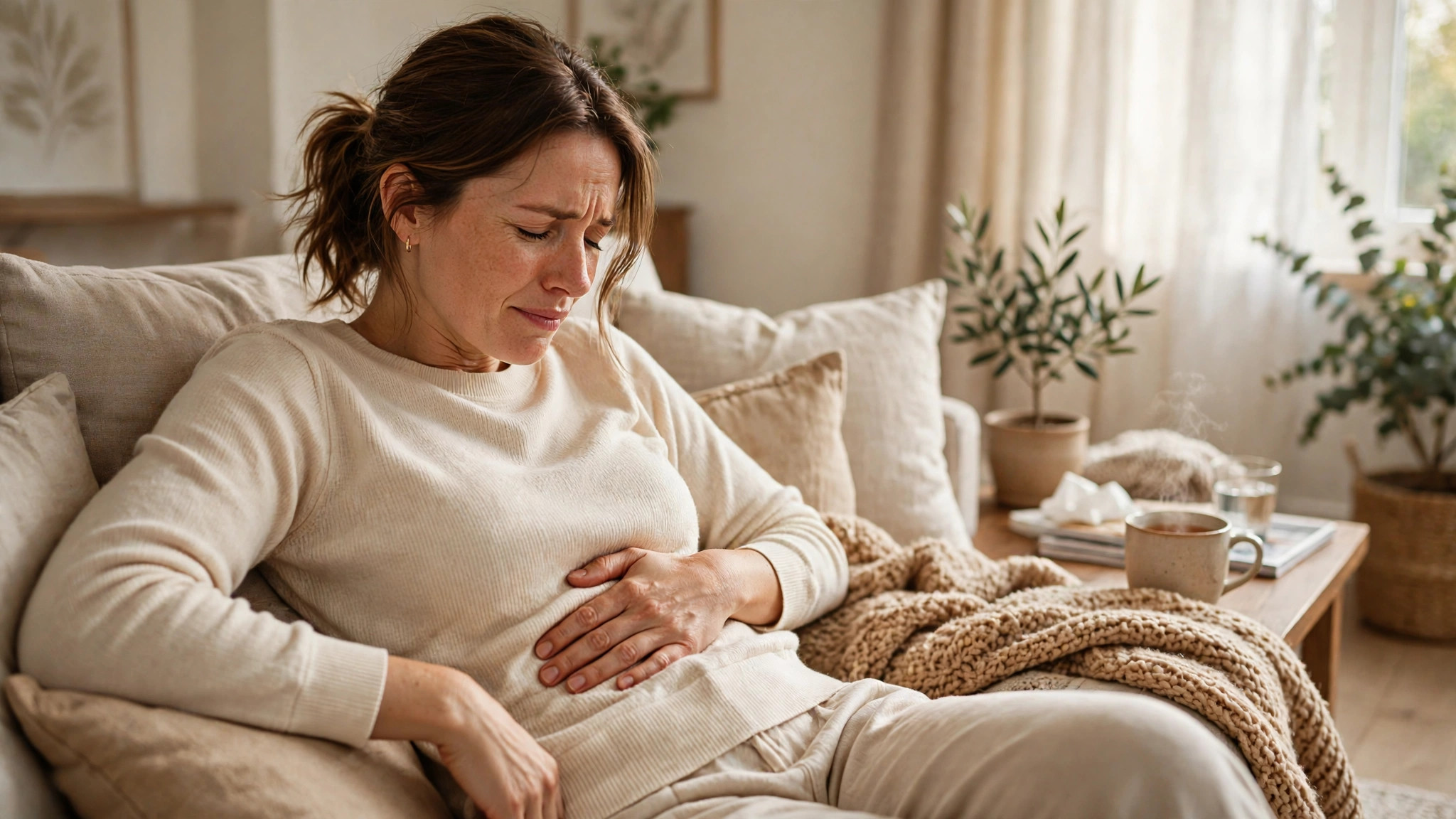
Most people describe gallbladder pain as a sudden, steady ache that builds fast and stays strong. It can feel sharp, like a knife, or like a deep cramp that will not let go. Gallbladder pain is usually constant rather than coming in waves, and it does not fade when you move around.
Along with gallbladder pain, you may feel sick to your stomach. Nausea is common, and some people vomit. You may also feel bloated, or notice that your belly feels tender to the touch. In addition, some people feel sweaty or clammy, and they find it hard to sit still. Attacks often follow a rich or fatty meal, because fat triggers the gallbladder to squeeze, yet they can also strike at night.
Where Is Gallbladder Pain Felt?
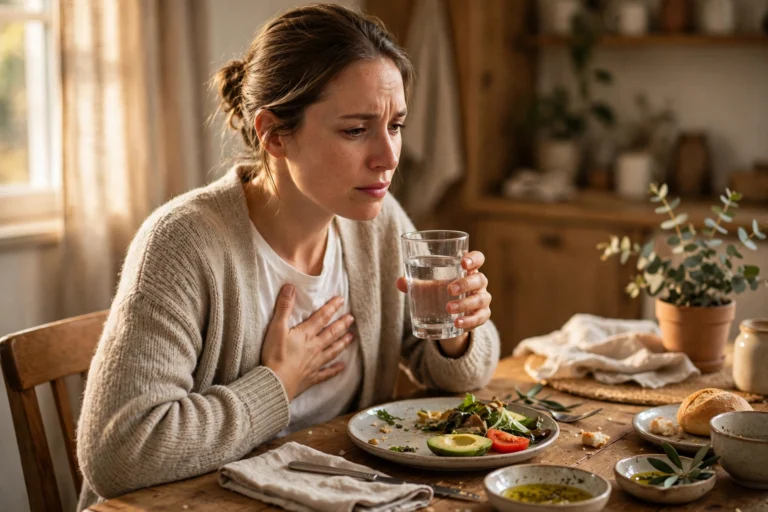
Gallbladder pain is most often felt in the upper right abdomen, just below the ribs. That is where the gallbladder sits, tucked under the liver on the right side. Some feel it near the breastbone instead, which can look like heartburn.
Gallbladder pain can also travel. It often spreads to the upper back, between the shoulder blades, or to the right shoulder. Doctors call this referred pain, because the brain reads signals from the gallbladder as coming from another spot. Pain that spreads to the chest deserves care, because chest pain can have many causes, and our guide to how the respiratory system works explains how breathing and chest symptoms connect.
What Causes Gallbladder Pain?
Several conditions can cause it, and most trace back to gallstones.
Gallstones
Gallstones are the leading cause of gallbladder pain. They form when substances in bile harden into pebble-like pieces, usually made of cholesterol or bilirubin. They can be as small as a grain of sand or as large as a golf ball. Most people with gallstones never have symptoms.
Pain starts when a stone blocks a bile duct. The blockage stops bile from flowing out, pressure rises, and the gallbladder wall stretches. The pain often eases when the stone shifts and the duct opens again. According to the National Institute of Diabetes and Digestive and Kidney Diseases, gallstones may form when bile contains too much cholesterol, too much bilirubin, or too few bile salts. You can read the full NIDDK gallstones guide for the plain facts on how stones form and why they block bile flow.
Gallbladder Inflammation
Gallbladder inflammation, called cholecystitis, usually starts when a gallstone blocks the duct that drains the gallbladder. Bile gets trapped inside, bacteria can grow, and the wall becomes swollen and tender. The pain lasts longer than a simple attack, often more than six hours, usually with fever. A rarer form happens without any stone, mainly in people who are already very ill.
Bile Duct Stones
Sometimes a gallstone leaves the gallbladder and lodges in the common bile duct, the main tube that carries bile to the intestine. Doctors call this choledocholithiasis. It is less common but more serious. A blocked common bile duct can cause jaundice, which is yellowing of the skin and the whites of the eyes. It can also lead to bile duct infection or pancreas inflammation, both of which need prompt care.
Gallbladder Problems Without Stones
Not every case involves a stone. Biliary dyskinesia, also called functional gallbladder disorder, means the gallbladder does not empty properly, so bile drains slowly. This can cause pain after meals that feels much like a gallstone attack, even though scans show no stones. Gallbladder polyps are small growths on the inner lining, and most are harmless, yet a few can cause pain like gallstones. Gallbladder cancer is rare, but it can also cause pain, usually along with weight loss and jaundice. The MedlinePlus gallstones guide gives a short summary of when gallstones need treatment and when they do not.
Gallbladder Pain vs. Other Belly Pain
Gallbladder pain can look like several other problems, so a comparison helps. The table below shows the usual differences, though only a clinician can tell them apart for certain.
| Condition | Usual pain location | What often triggers it |
|---|---|---|
| Gallbladder pain | Upper right belly, may spread to back or shoulder | Fatty meal, often 30 minutes to hours later |
| Acid reflux | Burning behind the breastbone | Large meals, lying down soon after eating |
| Stomach ulcer | Upper middle belly, gnawing or burning | Empty stomach or certain painkillers |
| Pancreatitis | Upper belly, spreads to the back | Alcohol or gallstones, pain lasts longer |
| Gas or bloating | Anywhere in the belly, shifts around | Swallowed air, certain foods, eases with passing gas |
Acid reflux is the closest lookalike, because it also causes upper belly and chest discomfort after meals. The difference is the feel: reflux burns behind the breastbone and often comes with a sour taste, while gallbladder pain is a steady ache under the right ribs. If you are unsure which one you have, our acid reflux guide explains how reflux feels and what eases it.
How Long Does Gallbladder Pain Last?
A typical attack lasts from 30 minutes to a few hours, often ending once the stone shifts and bile flows again. Many people feel fine between attacks.
Gallbladder pain that lasts longer than six hours points toward inflammation rather than a simple attack. In that case, the gallbladder wall is swollen, and the pain tends to stay strong instead of fading, often with fever. Pain that lasts this long needs same-day medical care, because untreated inflammation can lead to infection. Attacks that keep returning over weeks or months are also a sign to talk to a clinician.
What Helps Gallbladder Pain? Everyday Steps
No home step can remove a gallstone or stop an attack for certain. However, everyday habits can lower how often attacks happen and may ease mild discomfort. These steps support general gallbladder health, and they do not replace medical care.
Eating Habits That May Help
Fat triggers the gallbladder to squeeze, so heavy, fatty meals are the most common trigger. Smaller meals spread through the day are easier on the gallbladder than one large meal. In addition, eating slowly and stopping when comfortably full helps. Long gaps without food let bile sit and thicken, so a steady pattern of three modest meals is a gentler rhythm.
Weight and Movement
Excess body weight raises the risk of gallstones, because it changes how the liver handles cholesterol. However, rapid weight loss raises the risk too. The safest path is slow, steady weight loss, around one to two pounds a week, through food and movement rather than crash diets. Regular movement helps as well: walking, cycling, or swimming supports a healthy weight and keeps digestion moving. Aim for about 30 minutes of moderate activity on most days. If an attack is happening, rest is the better choice, because movement does not ease gallbladder pain.
Food Choices for Gallbladder Health
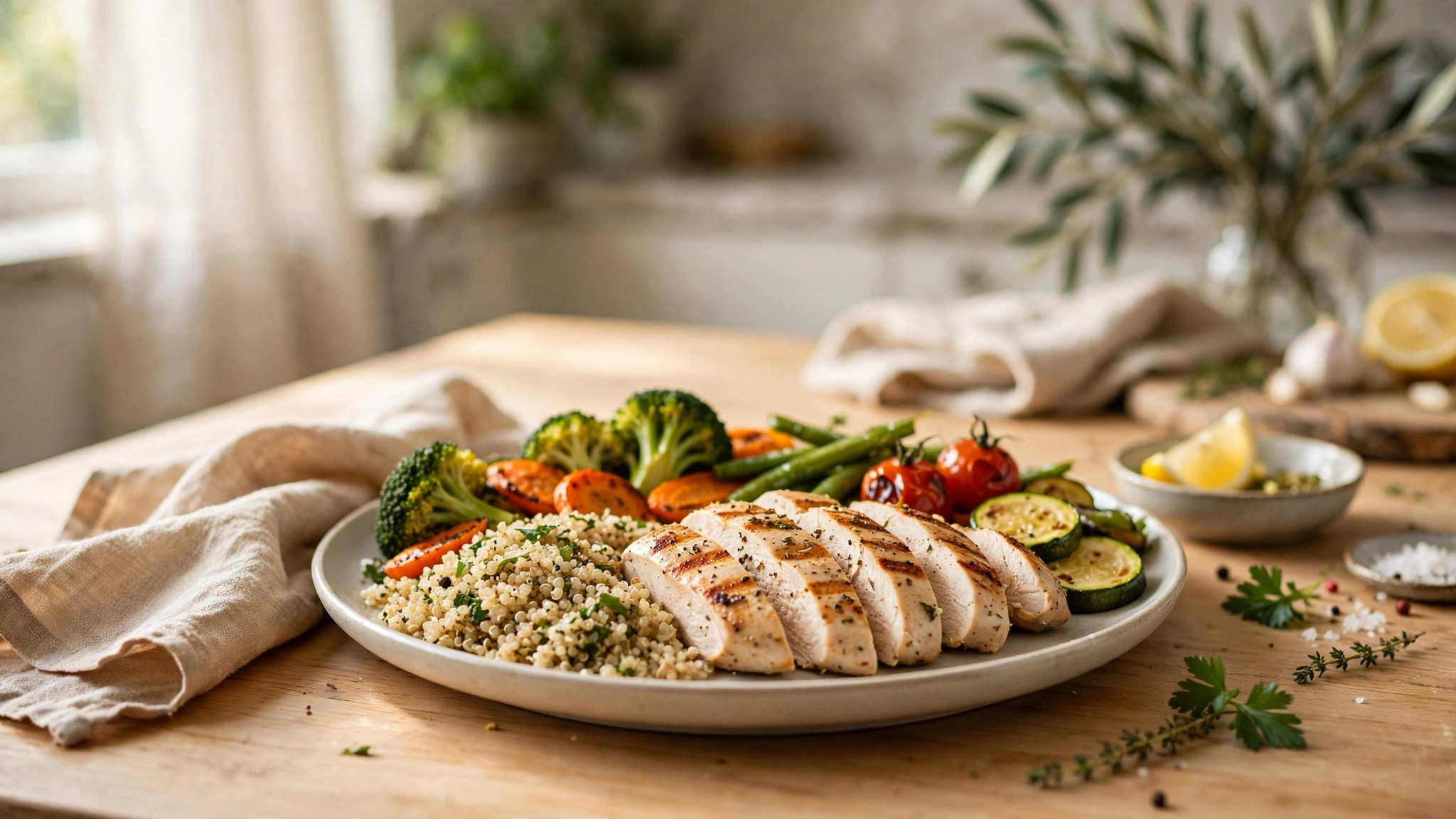
No single diet prevents gallstones, but some patterns are linked with lower risk. Fiber-rich foods, such as vegetables, fruits, whole grains, and beans, support healthy digestion. Lean proteins, like chicken, fish, and beans, are easier on the gallbladder than fatty meats. Low-fat dairy, such as yogurt, can also fit well, and our foods high in zinc guide shows how yogurt, lentils, and pumpkin seeds fit into a balanced diet. Foods that often trigger attacks include fried foods, fatty meats, full-fat cheese, cream sauces, and rich desserts. A short food diary can reveal your own triggers: note the meal, the portion, and any pain that follows.
How Doctors Check Gallbladder Pain
A clinician starts with your history and a physical exam, asking where the pain is, how long it lasts, what triggers it, and whether you have fever, nausea, or yellowing skin. They will also press gently on the upper right belly, because tenderness there supports a gallbladder cause. Blood tests may follow, since they can show infection or inflammation, and whether the liver or bile ducts are affected.
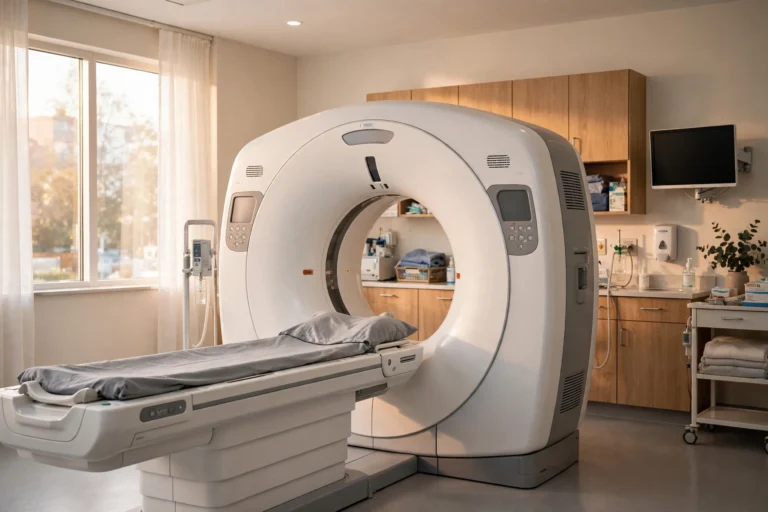
An ultrasound is the most common test. It uses sound waves to picture the gallbladder, and it shows stones clearly in most cases. If the ultrasound is unclear, a clinician may order a CT scan, an MRI of the bile ducts, or a HIDA scan, which tracks how well the gallbladder empties.
Gallbladder Pain Warning Signs: When to Get Care Fast
Most attacks pass on their own, but some signs need prompt medical attention. Sudden severe abdominal pain that does not ease, or gallbladder pain that lasts more than five or six hours, should be checked the same day.
Seek urgent care right away if the pain comes with any of these signs:
- Fever or chills along with the pain
- Yellowing of the skin or the whites of the eyes
- Persistent vomiting, or an inability to keep fluids down
- Pain that gets worse when you take a deep breath
- A fast heartbeat, confusion, or feeling faint
- Dark, tea-colored urine or pale, clay-colored stools
- Severe pain that stops you from finding any comfortable position
These signs can point to inflammation, infection, or a blocked bile duct, all of which need treatment. In addition, chest pain should always be treated as urgent until a clinician rules out a heart problem. When in doubt, seek care sooner rather than later.
Living Without a Gallbladder: What Changes?
Surgery to remove the gallbladder, called cholecystectomy, is the most common treatment for repeated pain from stones. It is usually done through small cuts, and most people go home the same day or the next day. The body can live without a gallbladder, because bile still reaches the intestine in a steady flow.
After surgery, most people return to normal eating within a few weeks. Some notice looser stools or bloating after fatty meals at first, because bile now drips constantly instead of arriving in a timed dose. Smaller, lower-fat meals help while the body adjusts, and symptoms usually settle over time. Surgery is not the only option: people with mild symptoms and few attacks may choose watchful waiting, with regular checkups and habit changes.
Frequently Asked Questions About Gallbladder Pain
What causes gallbladder pain most often?
Gallstones cause most gallbladder pain. A stone blocks a bile duct, bile backs up, and the gallbladder wall stretches, which you feel as pain. Inflammation, bile duct stones, and gallbladder movement problems are the other main causes.
How can I tell it from gas pain?
Gallbladder pain sits under the right ribs, feels steady and strong, and often follows a fatty meal. Gas pain shifts around the belly, comes and goes, and usually eases after burping or passing gas. Severe or returning pain should be checked by a clinician.
Can gallbladder pain go away on its own?
Yes, a single attack often fades within a few hours once the stone shifts and bile flows again. However, the stones remain, so attacks may return. Pain that lasts more than six hours, or pain with fever, needs same-day care.
What foods should I avoid with it?
Fried foods, fatty meats, full-fat dairy, cream sauces, and large rich meals are the most common triggers. Smaller portions of lean protein, vegetables, whole grains, and low-fat dairy are usually easier. A food diary helps you find your own triggers.
Does it always mean surgery?
No. Many people with mild or rare attacks manage with habit changes and regular checkups. Surgery is usually advised when attacks keep returning, when inflammation occurs, or when a stone blocks the bile duct.
Can you live normally without a gallbladder?
Yes, most people live normally after gallbladder removal. Bile still reaches the intestine, just in a steady flow. Some people have looser stools or bloating after fatty meals at first, but this usually settles within weeks.
Conclusion
Gallbladder pain is usually a steady ache under the right ribs after a fatty meal, and gallstones are the most common cause. Most attacks pass within a few hours, yet pain that lasts longer, or pain with fever or yellowing skin, needs prompt care. A good next step is to note when your pain appears and what you ate, then share that pattern with a clinician.
This article is for general information only and is not medical advice. If you have ongoing pain or a health concern, talk to a healthcare professional.