Coriander Benefits: Nutrition, Uses, and Safety Explained
Coriander is a small seed spice with a long history in kitchens around the world. It comes from the same plant as cilantro, yet the seeds and the leaves taste very different. The seeds are warm, nutty, and slightly citrusy, while the fresh leaves are bright and herbal.
Research suggests this spice may support digestion, blood sugar balance, and heart health. It is rich in fiber, minerals, and plant compounds such as linalool and quercetin. This guide covers coriander nutrition, its main benefits, simple ways to use it, and the safety points worth knowing.
The spice is easy to add to everyday meals, and small amounts go a long way. Read on to learn what the evidence says, and how to enjoy it with confidence.
Contents
- What Is Coriander?
- Coriander Nutrition Facts
- 8 Health Benefits of Coriander
- How to Use Coriander in Everyday Cooking
- Coriander Tea: A Simple Way to Enjoy It
- Risks and Side Effects of Coriander
- Frequently Asked Questions About Coriander
What Is Coriander?
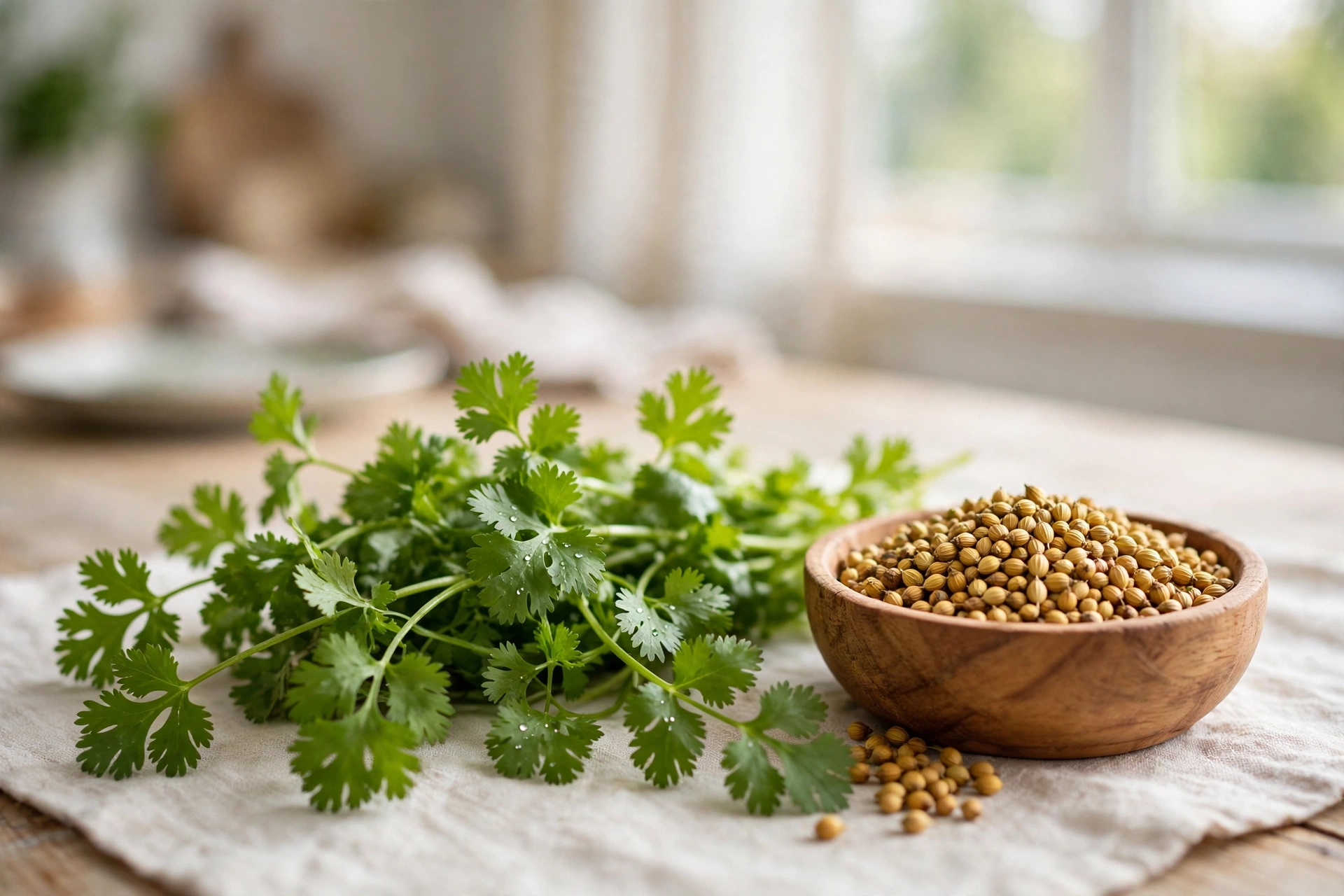
Coriander is the dried seed of the plant Coriandrum sativum, a member of the parsley family. The fresh leaves of the same plant are known as cilantro in the United States. In many other countries, the leaves are called coriander leaves or dhania. Both parts are edible, but cooks use them in different ways.
The seeds are sold whole or ground. Whole seeds have a warm, sweet, and nutty flavor with light citrus notes. Ground seed is a staple of curries, masalas, and spice blends. The leaves add a fresh, bright flavor to salsas, salads, soups, and chutneys.
This spice has been grown for thousands of years. Archaeologists have found its seeds in ancient Egyptian tombs, and it appears in early Greek, Roman, and Sanskrit writings. Today, it grows in warm regions across Asia, the Middle East, Europe, and the Americas.
One plant gives you two ingredients, and that is part of its charm. The leaves bring freshness to a finished dish. The seeds bring warmth and depth to cooking. Together, they make this one of the most useful spices in any kitchen.
Coriander Nutrition Facts
This spice is low in calories and rich in fiber and minerals. The seeds and the leaves have different nutrient profiles, so it helps to look at each one on its own. The values below come from the USDA FoodData Central database, which lists the nutrient content of foods in the United States.
| Nutrient (per 100 g) | Coriander seeds | Fresh coriander leaves |
|---|---|---|
| Calories | 298 | 23 |
| Carbohydrates | 55 g | 3.7 g |
| Fiber | 41.9 g | 2.8 g |
| Protein | 12.4 g | 2.1 g |
| Fat | 17.8 g | 0.5 g |
| Calcium | 709 mg | 67 mg |
| Iron | 16.3 mg | 1.8 mg |
| Magnesium | 330 mg | 26 mg |
| Vitamin C | 21 mg | 27 mg |
| Vitamin K | 135 mcg | 310 mcg |
A tablespoon of the ground seed has about 15 calories and 2.1 grams of fiber. That is a small amount of food, yet it still adds useful nutrients to a meal. The seeds are especially rich in fiber, iron, and calcium. The leaves stand out for vitamin K and vitamin C, two vitamins that support blood clotting, bone health, and immune function.
The plant also contains phytochemicals. The best known are linalool, geraniol, quercetin, and kaempferol. These compounds give coriander its aroma, and they act as antioxidants in the body. Antioxidants help protect cells from damage caused by unstable molecules called free radicals.
It is worth keeping the amounts in perspective. This is a seasoning, not a main dish. You will not eat 100 grams of seeds in one sitting. Even so, regular use adds fiber, minerals, and antioxidants to your diet without adding meaningful calories. For more ideas on nutrient rich foods, see our guide to dragon fruit and Greek yogurt, or browse the full Nutrition & Diet section.
8 Health Benefits of Coriander
This spice has been studied in labs and in small human trials. The evidence is promising for several areas of health, though much of it is still early. Here are eight benefits that researchers have linked to coriander.
1. Blood Sugar Balance
The seeds and their essential oil have shown blood sugar lowering effects in animal studies. Researchers believe the spice may help the body release insulin and use glucose more efficiently. One study found that it improved carbohydrate metabolism in rats.
Human evidence is limited, so no firm claim can be made. Still, the early results are encouraging. People who take blood sugar medicine should be careful, because the spice could add to the effect of their medicine. Talk to your doctor before using large amounts for this purpose.
2. Digestive Comfort
This herb has been used as a digestive aid for centuries, and modern research offers some support. It appears to relax contracted gut muscles, which may ease cramps and bloating. It also acts as a carminative, which means it may help reduce gas.
A small study in the journal Digestive Diseases and Sciences tested a preparation containing the seed in 32 people with irritable bowel syndrome. After eight weeks, the group taking the preparation reported less severe and less frequent abdominal pain than the placebo group. They also reported less bloating.
The spice is not a treatment for digestive disease, but it may make meals more comfortable for some people. If you deal with ongoing gut symptoms, a doctor can help you find the cause. Fiber rich foods such as psyllium husk can also support healthy digestion.
3. Healthy Blood Pressure
Some studies suggest the seed can help lower blood pressure. Researchers point to two possible reasons. First, it may relax blood vessels and improve blood flow. Second, it appears to have a mild diuretic effect, which means it may help the body release extra fluid.
Healthy blood pressure matters because high blood pressure raises the risk of heart disease and stroke. The spice alone will not control blood pressure, but it can be part of a heart friendly eating pattern. That pattern includes less salt, more vegetables, whole grains, and regular movement.
4. Cholesterol Levels
Animal studies have found that the seed can lower LDL cholesterol, often called bad cholesterol, while raising HDL cholesterol, the good kind. The fiber in the seeds may play a role. Fiber can bind to bile acids in the gut and help the body clear cholesterol.
Human studies are still limited. Even so, the pattern fits what we know about fiber rich plant foods in general. Eating more fiber, including the fiber from spices and herbs, supports healthy cholesterol levels over time.
5. Antioxidant Protection
The plant contains several antioxidants, including quercetin, kaempferol, and terpinene. These compounds help protect cells from oxidative stress, a process linked to aging and many long term diseases.
The leaves are especially rich in vitamin C and vitamin A, both of which support immune health and skin health. The seeds add phenolic acids such as caffeic acid and chlorogenic acid. Together, these compounds give the spice a strong antioxidant profile for such a small ingredient.
6. Protection Against Foodborne Germs
The seed has natural antimicrobial properties. Lab studies show that its essential oil can slow the growth of several foodborne bacteria, including Salmonella. One compound in the spice, dodecenal, has shown strong antibacterial activity in lab tests.
This may explain why it has long been used to flavor and preserve food in warm climates. It is not a substitute for safe food handling, of course. Proper cooking, clean hands, and cold storage still matter most. Yet adding the spice to a dish may offer a small extra layer of protection.
7. Brain Health
Chronic inflammation is linked to brain diseases such as Alzheimer disease and Parkinson disease. A study in the journal Molecular Neurobiology found that diets rich in spices such as turmeric, pepper, clove, ginger, garlic, cinnamon, and this seed helped target inflammatory pathways in the brain.
The evidence is still early, and no single spice can prevent brain disease. Still, a diet rich in herbs and spices is linked to better long term brain health. This spice fits well into that pattern, and it is easy to use every day.
8. Skin Health
The leaves are a good source of vitamin C, which the body needs to make collagen. Collagen keeps skin firm and helps wounds heal. The antioxidants in the plant may also help protect skin from damage caused by sun and pollution.
Some people apply seed oil to the skin, but this is not well studied. Food use is the safest way to enjoy any skin related benefit. If you have a skin condition, a dermatologist can advise you on proven treatments.
How to Use Coriander in Everyday Cooking
This spice is one of the easiest to cook with. Whole seeds can be toasted in a dry pan for a minute or two, which deepens their flavor. You can then grind them fresh with a spice grinder or a mortar and pestle.
The ground form works well in curries, soups, stews, marinades, and rubs for meat and fish. It pairs nicely with cumin, turmeric, chili, and garam masala. It also adds warmth to roasted vegetables, lentils, and bean dishes. Simple grain dishes such as grits also take well to a pinch of warm spice.
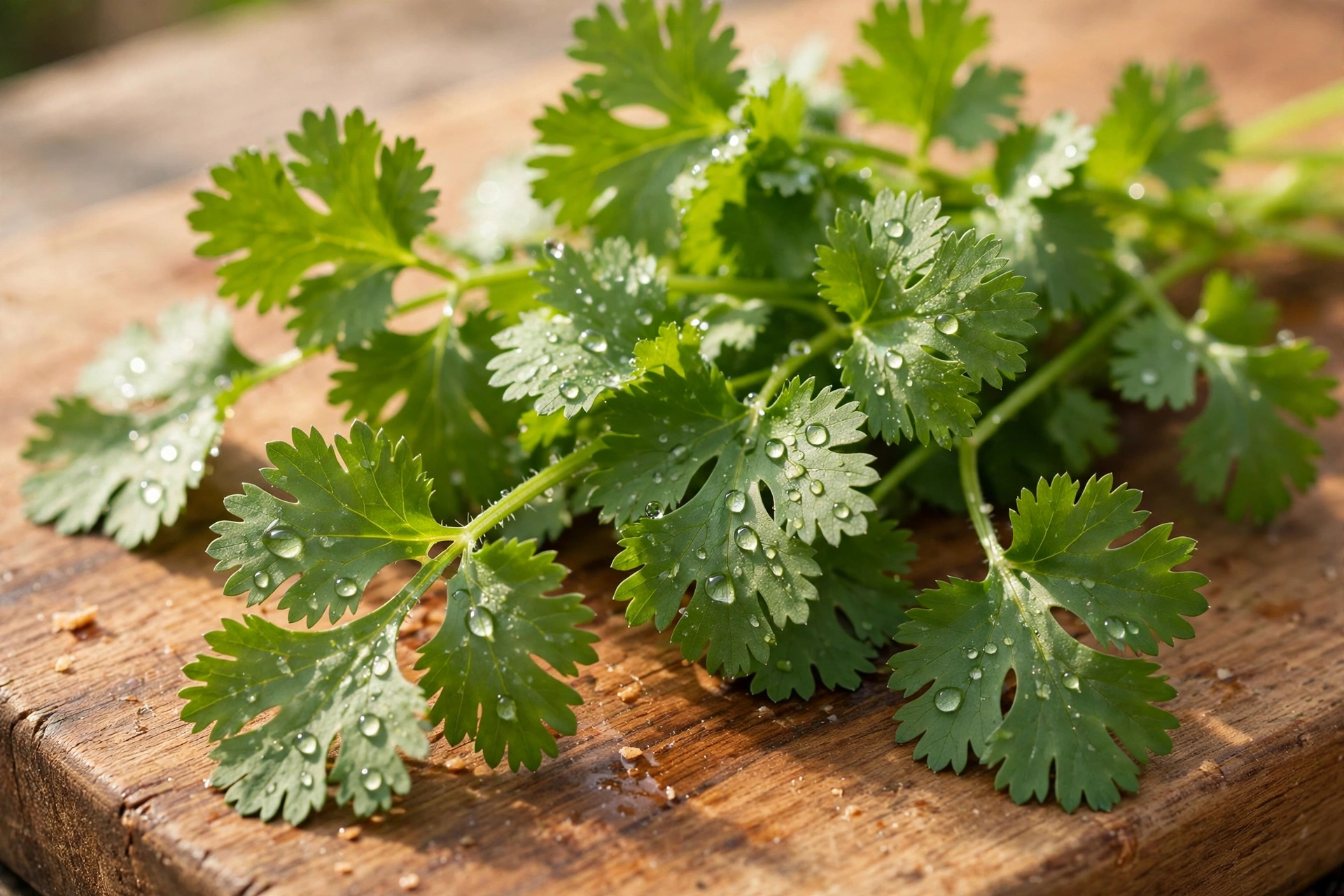
Fresh leaves are best added at the end of cooking, so their flavor stays bright. Sprinkle them over tacos, curries, salads, and soups. They also work well in chutneys, salsas, and fresh herb sauces.
If you are out of the ground seed, cumin is the closest substitute. The flavor is earthier and less citrusy, but it works in most recipes. For the fresh leaves, flat leaf parsley can stand in, though it lacks the citrus note of cilantro.
Coriander Tea: A Simple Way to Enjoy It
A warm cup of tea made from the seed is a gentle way to enjoy the spice. To make it, crush one teaspoon of whole seeds and steep them in a cup of hot water for five to ten minutes. Strain the tea and drink it warm. You can add lemon or a little honey if you like.
Many people drink this tea after meals, since the spice is linked to digestion. The tea is caffeine free, so it works well in the evening too. It is a simple habit, and it costs almost nothing to try.
Keep in mind that tea is a food use, not a medicine. A cup of this tea will not treat any health condition. It is simply a pleasant way to enjoy a useful spice.

Risks and Side Effects of Coriander
The spice is safe for most people in normal food amounts. Problems are rare, and they usually involve large medicinal amounts or allergies.
Some people are allergic to it. The risk is higher if you are allergic to plants in the same family, such as aniseed, caraway, dill, fennel, or mugwort. Signs of allergy include itching, rash, swelling, or trouble breathing. Stop using it and seek care if you notice these signs.
The seed may lower blood sugar and blood pressure. That is usually a good thing, but it can be a problem if you already take medicine for diabetes or high blood pressure. The combined effect could push your levels too low. Tell your doctor if you plan to use the spice in large amounts.
It may also increase sensitivity to sunlight in some people when used in medicinal amounts. Food amounts are unlikely to cause this problem.
Pregnant and breastfeeding women can eat it as a food seasoning. Medicinal amounts, such as concentrated extracts or essential oil, should be discussed with a doctor first. The same advice applies to anyone with an ongoing medical condition or anyone taking regular medicine.
Frequently Asked Questions About Coriander
Is it the same as cilantro?
Yes, they come from the same plant. In the United States, the fresh leaves are called cilantro, and the dried seeds are called coriander. In many other countries, the whole plant is called coriander, and the leaves are called coriander leaves. The seeds and leaves taste quite different, so recipes treat them as separate ingredients.
What does it taste like?
The seeds taste warm, nutty, and slightly citrusy, with hints of lemon and sage. Fresh leaves taste bright, herbal, and citrusy. Some people find the leaves taste soapy, and that trait appears to be linked to genetics. The seeds do not have that soapy quality.
Is it good for digestion?
It may help digestion. The spice appears to relax gut muscles and reduce gas, and a small study found it eased pain and bloating in people with irritable bowel syndrome. The evidence is promising but limited. It is best seen as a helpful food, not a treatment for digestive disease.
Can it lower blood sugar?
Animal studies suggest the seed may help lower blood sugar and improve insulin release. Human evidence is still thin, so it is too early to call it a blood sugar remedy. If you take diabetes medicine, talk to your doctor before using large amounts.
How do you store it?
Store whole seeds in a sealed jar in a cool, dark place. They keep their flavor for about a year. The ground form loses flavor faster, so buy small amounts and use it within a few months. Fresh leaves keep best in the fridge, wrapped in a damp paper towel inside a bag or container.
Is it safe to eat every day?
Yes, it is safe to eat every day in normal food amounts. This spice is a common seasoning in cuisines around the world, and daily use is normal. Medicinal amounts, such as large doses of extract or essential oil, are a different matter and should be discussed with a healthcare professional.
Conclusion
This small spice has a big role in the kitchen. Its seeds bring warmth to curries and stews, and its leaves bring freshness to salads and salsas. Along the way, it adds fiber, minerals, and antioxidants to your meals, and early research links it to better digestion, blood sugar balance, and heart health.
Use it often, and enjoy it as part of a varied diet. Try toasting whole seeds for your next curry, or add fresh leaves to a salad this week. Small habits like these are easy to keep, and they add up over time.
This article shares general health information only. If you have ongoing health concerns, talk to a healthcare professional before changing your diet or using any herb in medicinal amounts.