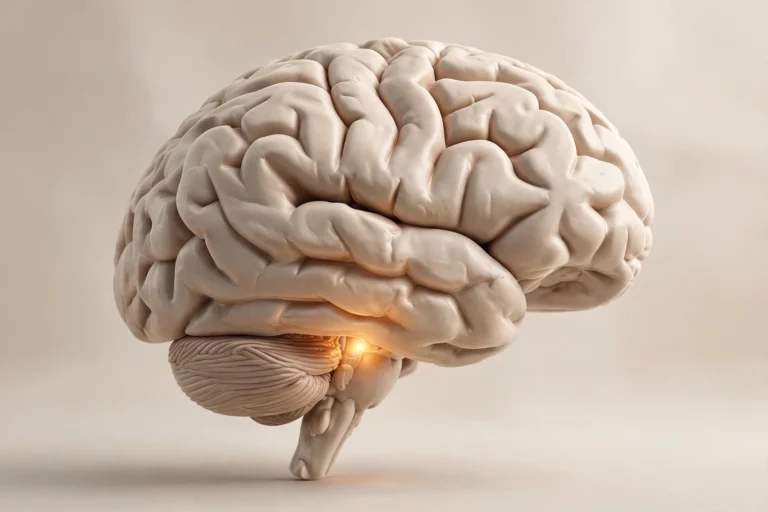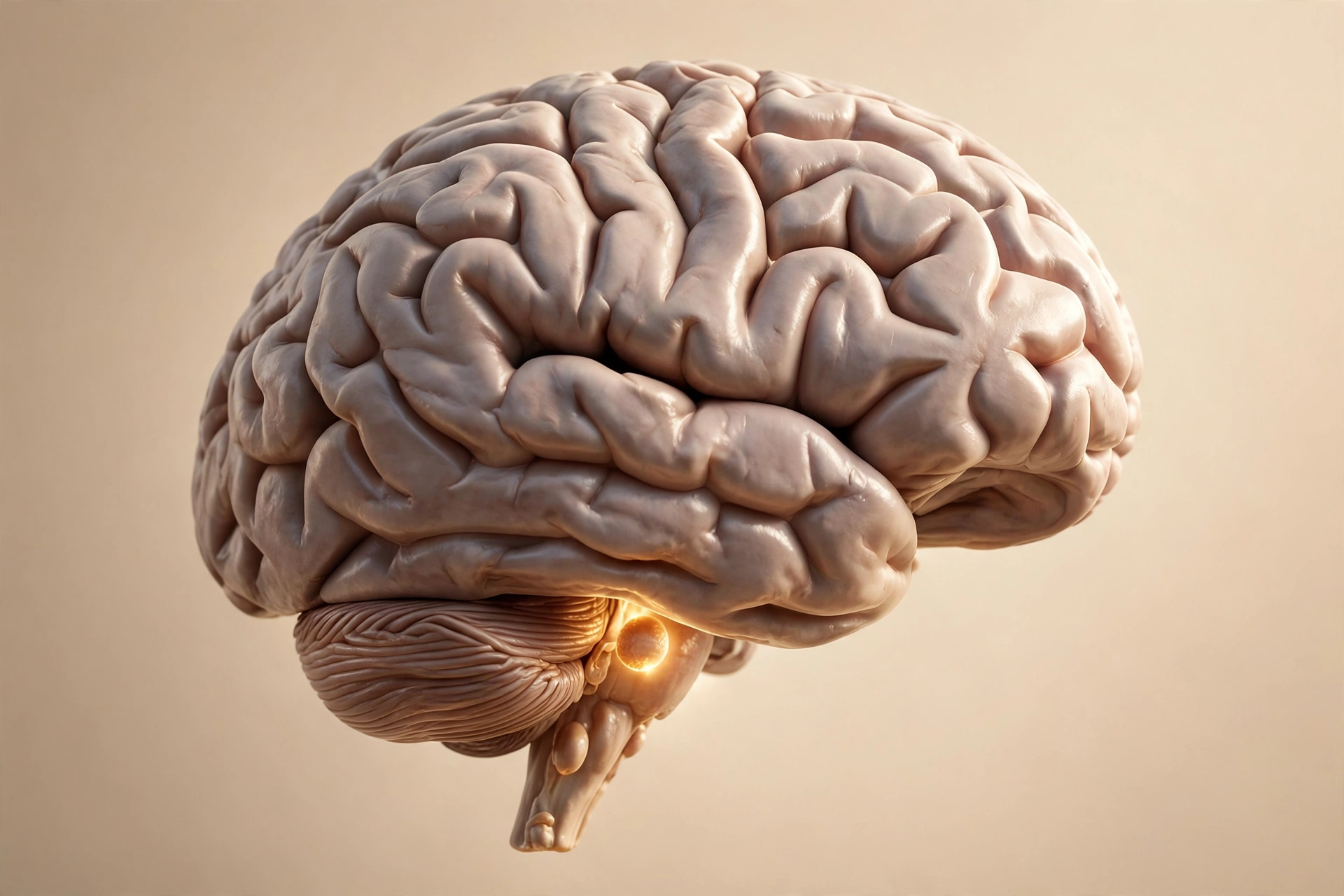
Pituitary Gland: What It Does and Why It Matters
The pituitary gland is a pea-sized gland at the base of your brain. It releases hormones that control growth, metabolism, reproduction, and stress response. Because it directs so many other glands, doctors often call it the master gland.
This small gland works closely with the hypothalamus, a nearby part of the brain. Together, they keep your hormone levels in balance. When it makes too much or too little of a hormone, the effects can show up across the whole body.
In this guide, you will learn where the pituitary gland sits, the hormones it releases, the disorders that can affect it, and the warning signs.
Contents
- What It Is
- Location
- What It Does
- Hormones and What They Control
- The Hypothalamus Connection
- Common Disorders
- Symptoms
- Diagnosis
- Treatment Options
- Supporting Your Health
- When to See a Doctor
- Frequently Asked Questions
What Is the Pituitary Gland?
The pituitary gland is a small, oval-shaped gland in your endocrine system. Its main job is to release hormones into your bloodstream, and those hormones tell other organs and glands what to do.
Doctors call it the master gland because it controls so much. It affects your thyroid, your reproductive organs, and your adrenal glands, and it plays a role in growth, mood, energy, and water balance.
Despite its size, this small gland has a wide reach. A small change in one hormone can affect sleep, weight, periods, fertility, and blood pressure.
Where It Sits in the Brain
The pituitary gland sits at the base of your brain, just behind your nose, in a small bony pocket called the sella turcica. A thin stalk connects it to the hypothalamus above it.
This location matters. The stalk lets the hypothalamus send signals straight to the gland, and the gland sits close to the optic nerves that carry vision signals. A growth there can press on those nerves and affect eyesight.
The pituitary gland has two main parts. The front part is the anterior lobe. The back part is the posterior lobe. Each part handles different hormones, and each part works in a different way.
What the Gland Does
The pituitary gland acts as a control center for your hormones. It reads signals from the brain and the body, then releases the right hormones at the right time to keep many systems in balance.
For example, it tells the thyroid to set your metabolic pace, the adrenal glands to release cortisol during stress, and the ovaries and testes to run the reproductive cycle.
The gland also responds to feedback. When a target gland has released enough hormone, that hormone signals it to slow down. This loop keeps levels steady, and when it breaks, hormone levels can rise or fall too far.

The Hormones and What They Control
The anterior lobe makes and releases six main hormones. The posterior lobe stores and releases two more that are made in the hypothalamus.
| Hormone | Lobe | Main job |
|---|---|---|
| Growth hormone (GH) | Anterior | Guides growth in children and helps maintain muscle and bone in adults |
| Thyroid-stimulating hormone (TSH) | Anterior | Tells the thyroid to release hormones that control metabolism |
| Adrenocorticotropic hormone (ACTH) | Anterior | Tells the adrenal glands to release cortisol, the main stress hormone |
| Follicle-stimulating hormone (FSH) | Anterior | Supports egg growth in women and sperm production in men |
| Luteinizing hormone (LH) | Anterior | Triggers ovulation in women and testosterone production in men |
| Prolactin | Anterior | Stimulates breast milk production after childbirth |
| Vasopressin (ADH) | Posterior | Helps the kidneys save water and keeps blood pressure steady |
| Oxytocin | Posterior | Supports uterine contractions during labor and milk release |
Growth hormone
Growth hormone drives growth in childhood and adolescence. It acts on bones and muscles and helps the body repair tissue, and in adults it helps maintain a healthy body composition. Too little in a child can slow growth, while too much in an adult can enlarge the hands, feet, and facial features. Both patterns point doctors toward a pituitary gland problem.
Thyroid-stimulating hormone and metabolism
Thyroid-stimulating hormone, or TSH, is one of the most tested hormones in this system. It tells the thyroid gland to release thyroid hormones, which set how fast the body uses energy. When TSH is high, it often means the thyroid is underactive. When TSH is low, it can mean the thyroid is overactive or the gland itself is not working well. A simple blood test can check TSH.
Reproductive hormones
FSH and LH work as a team. In women, they guide the menstrual cycle and trigger ovulation. In men, they support sperm production and testosterone release, while prolactin prepares the breasts to make milk. When these hormones are out of balance, periods can become irregular, fertility can drop, and sex drive can fall. These changes are common reasons people end up having their pituitary gland checked.
The Hypothalamus Connection
The hypothalamus is a small region of the brain just above the pituitary gland. It acts as the link between the nervous system and the hormone system, and it tells the gland when to release each hormone and when to stop. For the anterior lobe, it sends releasing and inhibiting hormones through a small network of blood vessels. For the posterior lobe, it makes vasopressin and oxytocin itself and sends them down nerve fibers for storage. You can read more about this control center in our guide to the hypothalamus and how it manages hormones, sleep, hunger, and body temperature.
Common Pituitary Gland Disorders
Most disorders of this gland involve too much or too little hormone. The most common cause is a pituitary tumor, which is usually a slow-growing, noncancerous growth called an adenoma. For a plain-language overview of these conditions, see the MedlinePlus page on pituitary disorders.
Pituitary adenomas
Pituitary adenomas are the most common disorder of this gland. Most are benign, which means they are not cancer. Some make extra hormones, while others make none at all, and large ones can press on nearby brain tissue and the optic nerves. An adenoma is a solid growth, which is different from a fluid-filled cyst, and doctors tell the two apart with an MRI scan. Small adenomas that cause no symptoms may only need regular checkups, while larger ones or those that make excess hormones usually need treatment.
Hypopituitarism
Hypopituitarism means the gland makes too little of one or more hormones. It can follow a tumor, surgery, radiation, or a head injury, and it can also appear after severe blood loss during childbirth. The effects depend on which hormones are low: low growth hormone can cause fatigue and loss of muscle, while low thyroid or adrenal signals can cause cold intolerance, low blood pressure, and weight change.
Hyperpituitarism and acromegaly
Hyperpituitarism means the gland makes too much of a hormone. The best-known example is acromegaly, where excess growth hormone enlarges the hands, feet, jaw, and facial features in adults. In children, excess growth hormone causes unusually fast growth, called gigantism. The National Institute of Diabetes and Digestive and Kidney Diseases explains acromegaly and its treatment.
Cushing disease
Cushing disease happens when the gland releases too much ACTH, so the adrenal glands make too much cortisol. Weight gain around the belly, a rounded face, easy bruising, high blood pressure, and weak muscles are common signs.
Prolactinoma and high prolactin
A prolactinoma is a pituitary tumor that makes too much prolactin. In women, it can cause irregular periods and milky breast discharge when not nursing. In men, it can lower testosterone and cause erection problems and low sex drive. Many respond well to medicine that lowers prolactin.
Diabetes insipidus
Diabetes insipidus is different from diabetes mellitus, the blood sugar condition. It happens when the gland does not release enough vasopressin, or the kidneys do not respond to it. People pass large amounts of pale urine and feel very thirsty, and a head injury, surgery, or a tumor near the pituitary gland can cause it.

Symptoms to Watch For
Symptoms vary because the gland affects so many systems. Some people notice slow, vague changes over months, while others notice sudden vision problems or severe headaches. The Mayo Clinic lists the symptoms of pituitary tumors in detail, and the most common ones include headaches, vision loss at the sides, fatigue, and unexplained weight change.
Watch for these signs:
- Headaches that keep coming back or keep getting worse
- Vision problems, such as loss of side vision or double vision
- Weakness, fatigue, or low energy that does not improve with rest
- Unexplained weight gain or weight loss
- Trouble sleeping or low mood
- Memory problems or trouble concentrating
- Irregular or missed periods, or fertility problems
- Low sex drive or erection problems
- Milky breast discharge when not nursing
- Feeling cold all the time, or passing large amounts of urine
One symptom alone rarely points to this gland, but a pattern of several is worth a doctor visit. Early checks can catch hormone problems before they cause lasting harm.
How Disorders Are Diagnosed
Diagnosis starts with a talk about symptoms and a physical exam. The doctor then orders blood tests to measure hormones such as TSH, prolactin, cortisol, growth hormone, FSH, and LH. A routine blood count, such as an MCHC blood test, may also be part of the wider workup. If blood tests look abnormal, imaging usually follows. An MRI of the brain gives the clearest picture of the gland and can show tumors as small as a few millimeters, while a CT scan may be used when MRI is not possible.
Vision testing is also common, since doctors check side vision to see if a growth presses on the optic nerves. An EEG test, which records brain wave activity, is a different kind of brain test that doctors use for other symptoms such as seizures, and it is not a standard test for this gland.
Treatment Options
Treatment depends on the cause, the hormones involved, and the size of any growth. Many disorders of this gland are manageable once doctors know which hormone is off.
- Medicine. Many prolactinomas shrink with drugs that lower prolactin, and other medicines can block excess hormone or replace a missing one.
- Hormone replacement. When the gland makes too little hormone, doctors replace it with tablets, patches, or injections.
- Surgery. Large tumors, or tumors that press on vision, are often removed through the nose. Most people recover well and go home within a few days.
- Radiation. If a tumor cannot be fully removed, or if medicine does not control it, focused radiation can shrink the remaining tissue.
- Watchful waiting. Small tumors that make no hormones and cause no symptoms may only need regular scans and blood tests.
Treatment is personal. Two people with the same diagnosis can receive different plans, so follow the plan your own doctor sets.
Supporting Your Hormone Health
No diet or habit can guarantee a healthy pituitary gland, and no supplement can fix a pituitary gland disorder. Still, everyday habits support the hormone system as a whole.
Eat a balanced diet with plenty of vegetables, whole grains, and lean protein. Poor nutrition in childhood can limit growth hormone production, so steady, varied meals matter.
Sleep well and keep a regular sleep schedule, since growth hormone is released mainly during deep sleep. Move your body most days, since regular exercise supports mood, weight, and blood sugar. Manage stress in a steady way, because long-term stress raises cortisol, and high cortisol can disturb sleep, weight, and mood.
Avoid head injuries where you can. Wear a seat belt, use a helmet for cycling and contact sports, and fix trip hazards at home.
When to See a Doctor
See a doctor promptly if you notice vision changes, severe or worsening headaches, or a cluster of hormone symptoms such as fatigue, weight change, and irregular periods together. Also seek care after a head injury if you develop extreme thirst, frequent urination, or low energy.
Bring a short list of your symptoms, when they started, and the medicines you take. A clear history helps the doctor choose the right tests.
Frequently Asked Questions
What is the pituitary gland?
The pituitary gland is a pea-sized gland at the base of the brain. It releases hormones that control growth, metabolism, reproduction, stress response, and water balance, and doctors call it the master gland because it directs other glands.
Where is the pituitary gland located?
The gland sits at the base of the brain, behind the nose, in a bony pocket called the sella turcica. A stalk connects it to the hypothalamus, and it sits close to the optic nerves, which is why a growth there can affect vision.
What hormones does the pituitary gland produce?
The anterior lobe makes growth hormone, thyroid-stimulating hormone, ACTH, follicle-stimulating hormone, luteinizing hormone, and prolactin. The posterior lobe stores and releases vasopressin and oxytocin, which are made in the hypothalamus.
What happens when the pituitary gland does not work properly?
When it makes too little hormone, growth, metabolism, fertility, and energy can slow down. When it makes too much, the opposite can happen, such as excess growth, weight gain, or high blood pressure. The pattern depends on which hormone is affected.
Are pituitary tumors cancerous?
Most pituitary tumors are benign, which means they are not cancer. They are called adenomas, and they usually grow slowly. Even so, they can cause problems by making extra hormones or pressing on nearby tissue and nerves.
Can pituitary gland disorders be cured?
Many disorders of this gland can be managed well with medicine, surgery, or hormone replacement. Some tumors can be removed fully, and many prolactinomas shrink with medicine alone. Others need long-term follow-up.
How is a pituitary gland problem diagnosed?
Doctors use blood tests to measure its hormones, then an MRI scan to look at the gland itself. Vision tests check whether a growth is pressing on the optic nerves.
Conclusion
The pituitary gland is small, yet it guides growth, metabolism, reproduction, and stress response across the whole body. Knowing how it works makes its symptoms easier to spot, and spotting them early leads to simpler care. If any of the signs in this guide sound familiar, book a doctor visit and ask about a hormone check.
This article shares general health information only and is not medical advice. If you have ongoing symptoms, talk to a healthcare professional.