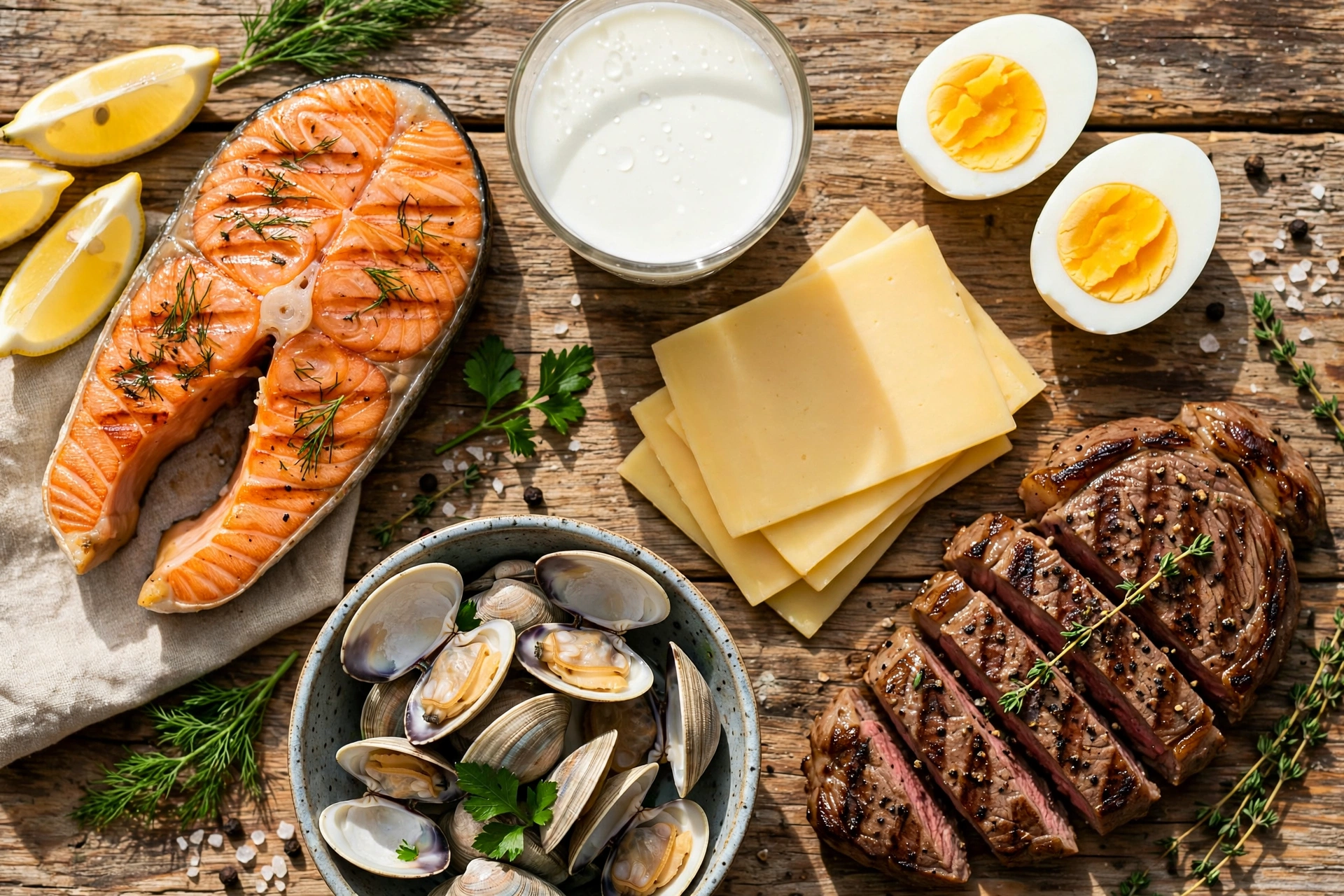
Vitamin B12 Foods: 15 Best Sources (With Exact Amounts)
Looking for the best vitamin B12 foods? You’re in the right place. Vitamin B12 (cobalamin) is essential for healthy nerves, red blood cell production, DNA synthesis, and normal brain function — yet your body can’t make it on its own. You have to get it from food or supplements.
In this complete 2026 guide, you’ll find 15 vitamin B12 foods ranked by exact B12 content (with USDA-based amounts per serving), the best options for vegetarians and vegans, how much you actually need per day, and science-backed tips to absorb more of it. Let’s dive in.
Key Takeaways
- Adults need 2.4 micrograms (mcg) of vitamin B12 per day.
- The richest sources are clams, liver, fish, and meat — a single serving can cover days’ worth of needs.
- Dairy and eggs provide smaller but highly absorbable amounts — research shows B12 from dairy is absorbed better than from meat or fish.
- Vegans must rely on fortified foods (nutritional yeast, fortified cereals, plant milks) or supplements — unfortified plant foods contain no usable B12.
Why Does Vitamin B12 Matter?
Vitamin B12 is a water-soluble vitamin with jobs you can’t afford to skip: it keeps your nervous system working, helps form red blood cells, supports DNA production, and maintains normal cognitive function. Because it’s water-soluble, excess amounts aren’t toxic — your liver simply stores what you don’t immediately use.
The catch? B12 is made by microorganisms and accumulates almost exclusively in animal tissues. That makes diet the deciding factor — and puts vegetarians, vegans, and older adults at the highest risk of falling short.
How Much Vitamin B12 Do You Need Per Day?
Requirements rise slightly during pregnancy and breastfeeding:
- Children 1–3 years: 0.9 mcg
- Children 4–8 years: 1.2 mcg
- Children 9–13 years: 1.8 mcg
- Adults 14+: 2.4 mcg
- Pregnancy: 2.6 mcg
- Breastfeeding: 2.8 mcg
Here’s the good news: as the chart below shows, most animal foods deliver your entire daily need in a single serving.
15 Best Vitamin B12 Foods (Ranked With Exact Amounts)
All amounts below are based on USDA FoodData Central values. The % Daily Value (%DV) uses the adult standard of 2.4 mcg.
Seafood Superstars
1. Clams (cooked, 3 oz / 85 g) — 84.1 mcg (3,504% DV). The undisputed champion. Just a small serving of clams delivers more than a month’s worth of B12. They’re also rich in iron and lean protein.
2. Sardines (drained, 1 cup / 150 g) — ~13.3 mcg (554% DV). These tiny fish punch far above their weight: nearly every nutrient you need, plus heart-friendly omega-3s.
3. Tuna (cooked, 3 oz / 85 g) — 9.3 mcg (385% DV). Concentrated especially in the darker meat near the skin. Canned light tuna still offers a respectable ~152% DV per can.
4. Trout (cooked, 3 oz / 85 g) — 5.4 mcg (225% DV). A great all-rounder with over 1,100 mg of omega-3s per fillet.
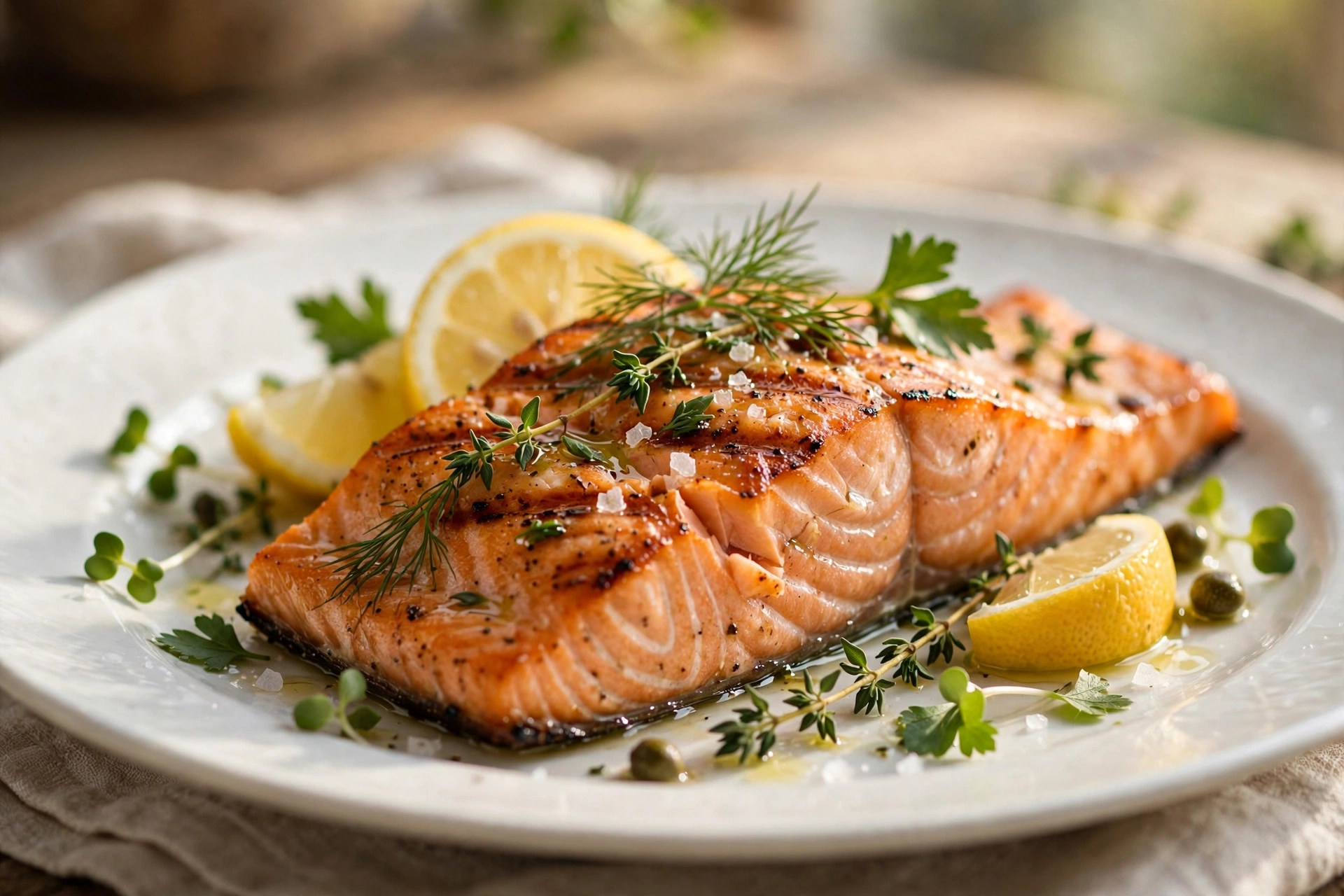
5. Salmon (cooked, 3 oz / 85 g) — 4.8 mcg (200% DV). Two days’ worth of B12 in one fillet, alongside premium protein and omega-3 fatty acids.
Meat & Organ Meats
6. Beef liver (pan-fried, 3 oz / 85 g) — 70.7 mcg (2,946% DV). Second only to clams. Nutrient-dense but very high in vitamin A, so enjoy it occasionally rather than daily.
7. Ground beef, 85% lean (cooked, 3 oz / 85 g) — 2.4 mcg (100% DV). Exactly one full day of B12 in a standard serving, plus iron, zinc, and selenium.
8. Chicken breast (roasted, 3 oz / 85 g) — 0.3 mcg (13% DV). Not a B12 powerhouse, but a useful contributor in a mixed diet.
Dairy & Eggs (Best Absorbed)
9. Milk (whole, 1 cup / 240 ml) — 1.2 mcg (50% DV). Here’s a secret most lists bury: research indicates the B12 in dairy is absorbed roughly three times more efficiently than B12 from meat, fish, or eggs — making milk one of the smartest everyday sources.
10. Yogurt (plain, 1 cup) — 1.1 mcg (46% DV). Bonus: studies show yogurt can measurably improve B12 status in deficient people, with probiotic benefits on the side.
11. Swiss cheese (1 oz / 28 g) — 0.9 mcg (37% DV). Hard cheeses generally outrank soft ones for B12.
12. Eggs (2 large) — 1.2 mcg (50% DV). The yolk holds most of the B12 — and it’s easier to absorb there than from the white. Eat whole eggs, not just whites.
Fortified Foods (Vegan-Friendly)
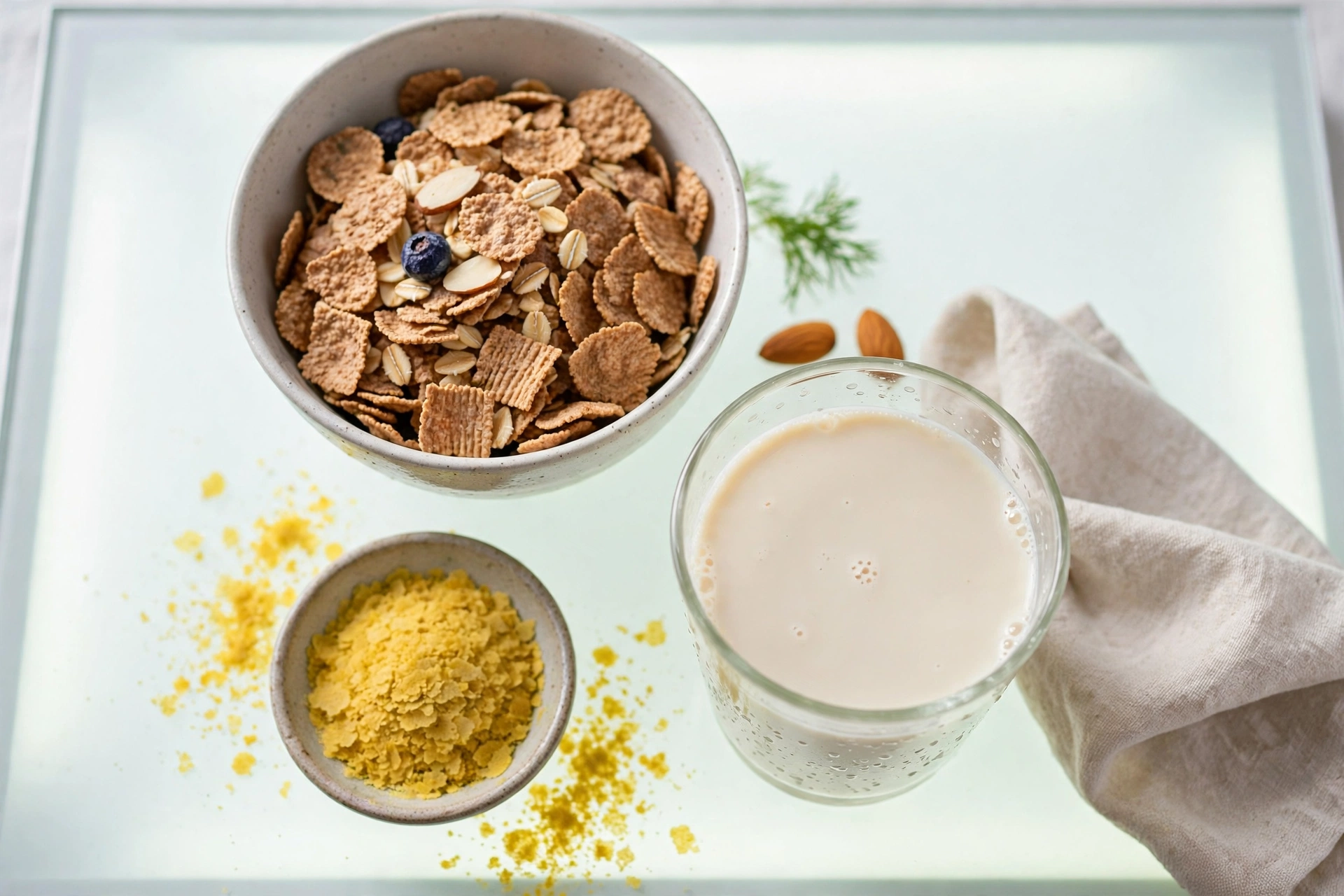
13. Fortified nutritional yeast (2 tbsp / 15 g) — up to ~17.6 mcg (up to 733% DV). A vegan staple — but read the label: only fortified nutritional yeast contains B12. Unfortified has zero.
14. Fortified breakfast cereal (1 serving) — 0.6–6 mcg (25–250% DV). Amounts vary wildly by brand, so check the nutrition panel. Choose low-sugar, high-fiber options.
15. Fortified soy milk (1 cup / 240 ml) — up to ~2.1 mcg (up to 86% DV). Most soy, almond, and oat milks are fortified, but again — verify on the label.
Best Vitamin B12 Foods for Vegetarians
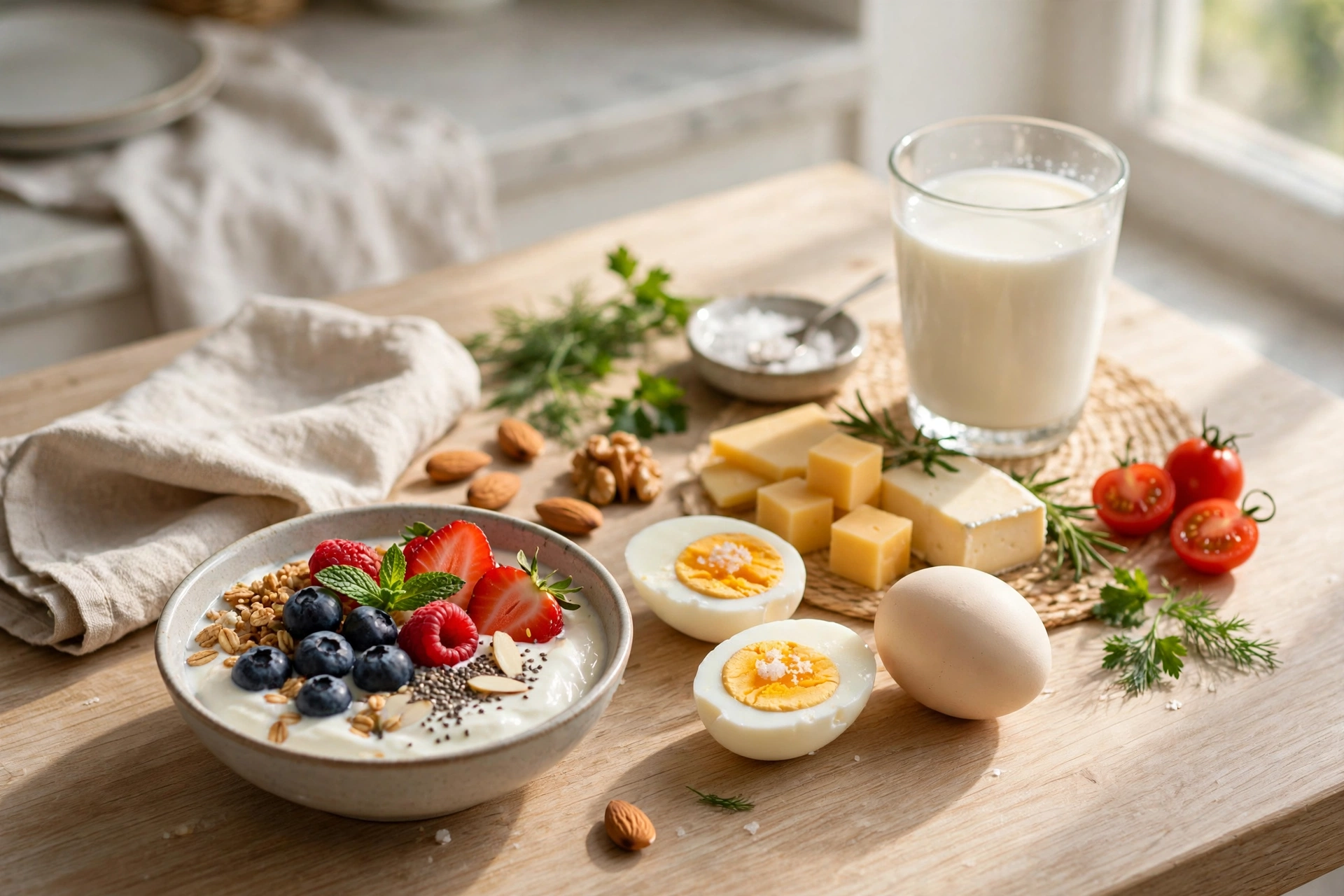
Lacto-ovo vegetarians have solid options: milk, yogurt, cheese, and eggs can comfortably cover daily needs when eaten regularly. A breakfast of yogurt plus two eggs, for example, already supplies nearly 100% of the DV — and dairy’s superior absorption works in your favor.
Still, studies suggest a meaningful share of vegetarians fall short, so fortified cereals or nutritional yeast are smart insurance.
Best Vitamin B12 Sources for Vegans
This needs to be said plainly: no unfortified plant food provides usable vitamin B12. Tempeh, miso, seaweed, nori, and spirulina contain B12 analogs — lookalike molecules your body can’t use, which may even block real B12 absorption.
Vegans should rely on:
- Fortified nutritional yeast (check for cyanocobalamin or methylcobalamin on the label)
- Fortified breakfast cereals
- Fortified plant milks and soy products
- A B12 supplement — the form in supplements is synthetic and fully vegan-friendly
7 Tips to Absorb More Vitamin B12 From Food
- Prioritize dairy. B12 from milk and dairy is absorbed far more efficiently than from meat or eggs.
- Grill or roast meat instead of frying. High-heat frying destroys more B12; gentler cooking preserves it.
- Don’t overcook fish. B12 is heat-sensitive — cook just until done.
- Spread intake across the day. Your body absorbs B12 best in smaller doses via intrinsic factor, so B12 at breakfast and dinner beats one mega-serving.
- Watch your medications. Long-term use of acid reducers (PPIs) and metformin can impair B12 absorption — talk to your doctor about monitoring levels.
- Age matters. After 50, lower stomach acid reduces B12 absorption from food; fortified foods or supplements become more important.
- Always check fortified labels. “Nutritional yeast” or “plant milk” without fortification gives you zero B12.
Signs You Might Be Low in Vitamin B12
Deficiency often creeps up slowly. Common warning signs include persistent fatigue, pale skin, tingling or numbness in hands and feet, mood changes, memory problems, and a sore or swollen tongue. Severe, prolonged deficiency can cause megaloblastic anemia and irreversible nerve damage.
At-risk groups — adults over 50, vegans and vegetarians, pregnant women, people with digestive disorders or prior stomach surgery — should consider a blood test rather than guessing. If deficiency is confirmed, high-dose oral B12 is generally as effective as injections for most people.
Sample One-Day B12-Rich Meal Plan (~300% DV)
- Breakfast: Fortified cereal with a cup of milk (~100% DV)
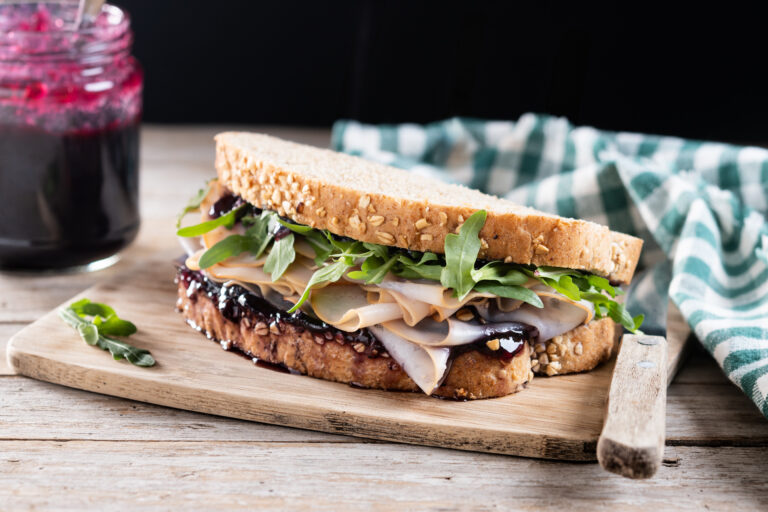
- Lunch: Tuna sandwich with a slice of Swiss cheese (~190% DV)
- Snack: A cup of plain yogurt (~46% DV)
- Dinner: Grilled salmon fillet with vegetables (~200% DV)
Total: well above daily needs — with room to spare, since your liver stores the excess.
Frequently Asked Questions
What food is highest in vitamin B12?
Clams top the list at 84.1 mcg per 3-ounce serving (3,504% DV), followed by beef liver at 70.7 mcg (2,946% DV). Among everyday foods, sardines, tuna, salmon, and fortified nutritional yeast are the strongest sources.
Which fruit has the most vitamin B12?
No fruit contains vitamin B12. It’s found in animal products (meat, fish, dairy, eggs) and fortified foods like cereals, plant milks, and nutritional yeast.
How can I increase my B12 levels naturally?
Eat B12-rich foods daily — especially dairy, eggs, fish, and meat — spread across meals for better absorption. Vegans should use fortified foods. If levels are already low, food alone may not be enough; a supplement or doctor-guided treatment works faster.
Do I need a B12 supplement?
Most meat-eaters get enough from food. Supplements are sensible for vegans, adults over 50, pregnant women with low intake, and anyone with absorption issues (PPI/metformin use, digestive disorders, prior stomach surgery). There’s little risk from excess B12, but check with your doctor first.
Can you get too much vitamin B12?
B12 is water-soluble with no established upper limit — excess is excreted. Very high doses are generally safe but may interact with certain medications, so megadosing without medical reason isn’t advised.
The Bottom Line
Getting enough vitamin B12 from food is straightforward once you know where to look: seafood and liver are the heavy hitters, dairy and eggs are the best-absorbed everyday sources, and fortified foods fill the gap for vegans. Eat a variety of these across your day, favor gentle cooking methods, and keep an eye on levels if you’re over 50, pregnant, or plant-based.
Disclaimer: This article is for informational purposes only and isn’t medical advice. If you suspect a deficiency, consult a healthcare professional for testing and guidance.